Evolution, genetics and human origins
Books on natural selection, genes, heredity, ancient DNA and the evolution of human behaviour, sex and cooperation.
Start here
- On the Origin of SpeciesCharles Darwin, 1859
- The Selfish GeneRichard Dawkins, 1976
- The GeneSiddhartha Mukherjee, 2016
- The Blind WatchmakerRichard Dawkins, 1986
- The Red QueenMatt Ridley, 1993
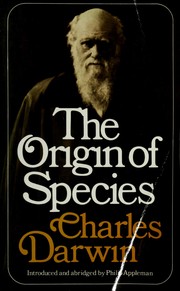
Species change over time as natural selection favours heritable variations.
“may have done more than any, with the exception of the Bible, to shape man's self-perception” — Nick Sleep
Source: Nomad Investment Partnership, Interim Letter for the period ended June 30th, 2009, p. 158
Recommended by: Jim Collins, Mohnish Pabrai, Naval Ravikant and 5 others
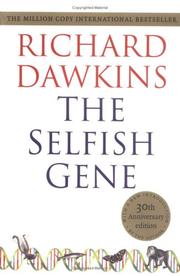
Selection acts on genes; bodies are vehicles that genes build to copy themselves.
Recommended by: Balaji S. Srinivasan, Charlie Munger and 10 others
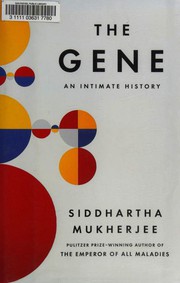
The gene from Mendel and Darwin to genome editing, beside a family's mental illness.
Recommended by: Bill Gates, Daniel Petre, James Cameron and 1 other

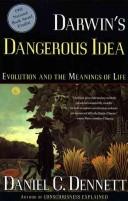
How natural selection, not a designer, produces the complexity of living things.
Recommended by: Jim Collins, Mohnish Pabrai and 2 others

Sex evolved as a defence against parasites, and that shapes human mating.
“I really highly, highly recommend picking up Genome, The Red Queen, Origins of Virtue, The Rational Optimist, and The Evolution of Everything.” — Naval Ravikant
Source: The Tim Ferriss Show — Naval Ravikant Q&A, full transcript
Recommended by: Mohnish Pabrai, Naval Ravikant, Seth Klarman and 1 other

Twenty years of watching Galapagos finches show evolution happening in real time.
Recommended by: Sam Altman
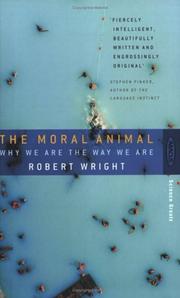
Evolutionary psychology explained through Darwin's own life and behaviour.
Recommended by: Mohnish Pabrai, Ryan Holiday, Morgan Housel and 2 others
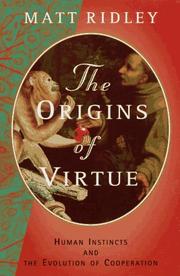
How cooperation and morality evolved from self-interest, via the prisoner's dilemma.
“I really highly, highly recommend picking up Genome, The Red Queen, Origins of Virtue, The Rational Optimist, and The Evolution of Everything.” — Naval Ravikant
Source: The Tim Ferriss Show — Naval Ravikant Q&A, full transcript
Recommended by: Mohnish Pabrai, Naval Ravikant, Ryan Holiday

Twenty-three chapters, one per chromosome, each using a gene to open a subject.
“I highly recommend Genome as well, to figure out the rational basis behind ethics and the origin of virtue.” — Naval Ravikant
Source: Nav.al — 'Matt Ridley: How Innovation Works, Part 2' (Naval's podcast, edited transcript)
Recommended by: Charlie Munger, Mohnish Pabrai and 2 others

How genes and experience interact, each shaping how the other acts.
Recommended by: Naval Ravikant

How ancient DNA has rewritten the story of human prehistory and migration.
Recommended by: Balaji S. Srinivasan, Marc Andreessen and 2 others

How genes and experience interact, each shaping how the other acts.
Recommended by: Naval Ravikant
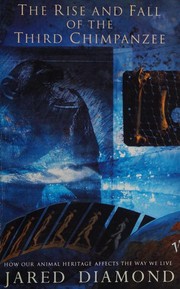
Human behaviour read from evolutionary biology; a Munger latticework staple
Recommended by: Charlie Munger, Mohnish Pabrai
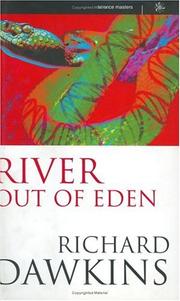
Genes as a river of digital information; a short Dawkins primer
Recommended by: Ray Dalio

Talent, training and genetics in elite athletic performance
Recommended by: Bill Miller, Mark Cuban, Michael Mauboussin

Behavioural genetics on how much of an outcome is inherited
Recommended by: James Cameron, Michael Mauboussin


Recommended by: Mohnish Pabrai
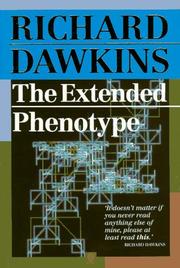
Recommended by: Mohnish Pabrai

Fictional sexual scenes, each read by an evolutionary biologist for its instincts.
Recommended by: Brian Armstrong, Tucker Max

Recommended by: Mohnish Pabrai

Recommended by: Mohnish Pabrai

Recommended by: Mohnish Pabrai, Patrick Collison

How lactose tolerance, malaria resistance and blue eyes evolved in 10,000 years.
Recommended by: Mohnish Pabrai, Nick Szabo


Recommended by: Mohnish Pabrai

Recommended by: Patrick Collison

Recommended by: Mohnish Pabrai, Patrick Collison

Recommended by: Mohnish Pabrai
Recommended by: Ray Dalio


Recommended by: Andrew Wilkinson, Nat Eliason, Jack Dorsey

Recommended by: Patrick O'Shaughnessy
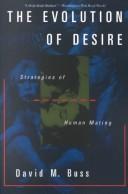
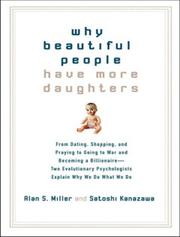
Recommended by: Ryan Holiday

 Mohnish Pabrairecommends 19 books here
 Naval Ravikantrecommends 9 books here
 Charlie Mungerrecommends 5 books here
 Patrick Collisonrecommends 5 books here
 Ryan Holidayrecommends 4 books here
 Jim Collinsrecommends 2 books here
 Paul Grahamrecommends 2 books here
 Ray Daliorecommends 2 books here
 Reid Hoffmanrecommends 2 books here
 Balaji S. Srinivasanrecommends 2 books here
Show all 39
 Bill Gatesrecommends 2 books here
 Brian Armstrongrecommends 2 books here
 James Cameronrecommends 2 books here
 Marc Andreessenrecommends 1 book here
 Seth Klarmanrecommends 1 book here
 Bob Metcalferecommends 1 book here
 Elon Muskrecommends 1 book here
 Eric Weinsteinrecommends 1 book here
 Ev Williamsrecommends 1 book here
 Jack Dorseyrecommends 1 book here
 Mark Cubanrecommends 1 book here
 Mark Zuckerbergrecommends 1 book here
 Phil Libinrecommends 1 book here
 Sam Altmanrecommends 1 book here
 Stewart Brandrecommends 1 book here
 Tim Ferrissrecommends 1 book here
 Tom Bilyeurecommends 1 book here
 Tucker Maxrecommends 1 book here