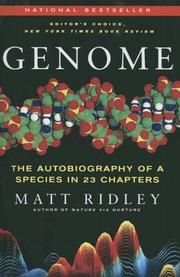
Genome
Chromosome-by-chromosome tour of human genetics; a Munger latticework staple
Summary
Ridley structures the book as twenty-three chapters, one for each human chromosome pair, using a gene on each to introduce a broader subject. It was published in 1999, shortly before the first draft of the human genome sequence.
The chapters cover the origin of life, species definition, history through genetic evidence of population movements, fate through Huntington's disease as a case of pure genetic determinism, environment through the interaction with genes, intelligence and its heritability, instinct through language acquisition, conflict between the interests of maternal and paternal genes in the same organism, disease, stress and its physical effects, personality, memory, death and telomeres, cures, prevention, politics and eugenic history, and free will.
The recurring analytical point is that the nature and nurture opposition misdescribes what genes do. Genes are switched on and off by environmental signals throughout life, so a gene's effect depends on context, and the same gene produces different outcomes in different conditions. Ridley uses this to argue against both genetic determinism and the blank slate position. His chapters on eugenics and on the political history of genetics are careful about how the science has been used.
The book is from 1999 and genomics has changed enormously since, including the discovery that the number of human genes is far lower than expected, the growth of epigenetics, and the failure of single-gene explanations for most complex traits. The specific findings should be checked against current sources. The framework, that genes are read conditionally rather than executed, has held up and is the reason the book remains readable.
Key takeaways 8
- Genes are switched on and off by environmental signals throughout life, so a gene's effect depends on context rather than being fixed.
- The nature and nurture opposition misdescribes the mechanism, since genes are the means by which environment acts on an organism.
- A small number of conditions including Huntington's disease are genuinely determined by a single gene, and these are the exception rather than the model.
- Most complex traits including intelligence involve very large numbers of genes with individually small effects.
- Maternal and paternal genes in the same organism have partly conflicting interests, which produces observable effects including genomic imprinting.
- Genetic evidence records population movements and history that written and archaeological records do not.
- Stress produces measurable physical effects through hormonal pathways that alter gene expression, which links social position to health directly.
- The book predates the completion of the genome sequence and the growth of epigenetics, so specific findings require checking against current sources.
Who should read it
Readers wanting an accessible account of what genes do and do not determine, with the specific science treated as dating from 1999.
About Matt Ridley
British science writer and member of the House of Lords, former chairman of Northern Rock, writing on evolution, genomics, trade and innovation.
The Rational Optimist argues that exchange and specialisation, not individual intelligence, drive rising living standards, and assembles the long-run price and productivity evidence behind the claim. How Innovation Works applies the same method to case histories, showing invention as incremental, collective and largely detached from formal research spending.
Who recommended it 4 · 3 direct
“I highly recommend Genome as well, to figure out the rational basis behind ethics and the origin of virtue.”
Similar books 6
Chosen by shared topics, the entries that hold them, and the people who recommended both.
How cooperation and morality evolved from self-interest, via the prisoner's dilemma.
“I really highly, highly recommend picking up Genome, The Red Queen, Origins of Virtue, The Rational Optimist, and The Evolution of Everything.” — Naval Ravikant
Source: The Tim Ferriss Show — Naval Ravikant Q&A, full transcript
Recommended by: Mohnish Pabrai, Naval Ravikant, Ryan Holiday
Sex evolved as a defence against parasites, and that shapes human mating.
“I really highly, highly recommend picking up Genome, The Red Queen, Origins of Virtue, The Rational Optimist, and The Evolution of Everything.” — Naval Ravikant
Source: The Tim Ferriss Show — Naval Ravikant Q&A, full transcript
Recommended by: Mohnish Pabrai, Naval Ravikant, Seth Klarman and 1 other
The gene from Mendel and Darwin to genome editing, beside a family's mental illness.
Recommended by: Bill Gates, Daniel Petre, James Cameron and 1 other
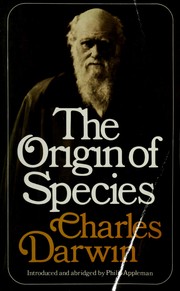
Species change over time as natural selection favours heritable variations.
“may have done more than any, with the exception of the Bible, to shape man's self-perception” — Nick Sleep
Source: Nomad Investment Partnership, Interim Letter for the period ended June 30th, 2009, p. 158
Recommended by: Jim Collins, Mohnish Pabrai, Naval Ravikant and 5 others
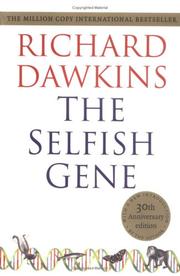
Selection acts on genes; bodies are vehicles that genes build to copy themselves.
Recommended by: Balaji S. Srinivasan, Charlie Munger and 10 others
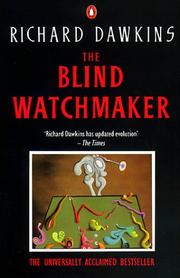
How natural selection, not a designer, produces the complexity of living things.
Recommended by: Jim Collins, Mohnish Pabrai and 2 others
Where it sits in the reference 2
Topics