
Medicine and Biology
Clinical medicine, public health, epidemics, neuroscience and the life sciences, including doctors' accounts of their own work. Read by clinicians, patients and readers interested in how bodies and diseases actually work.
Start here
- On Growth and FormD'Arcy Wentworth Thompson, 1917
- The Emperor of All MaladiesSiddhartha Mukherjee, 2010
- Being MortalAtul Gawande, 2014
- The GeneSiddhartha Mukherjee, 2016
- Dopesick: Dealers, Doctors, and the Drug Company That Addicted AmericaBeth Macy, 2018

How mathematics and physical forces shape the forms of living things.

A biography of cancer, by a physician and oncologist.
Recommended by: Andrew Chen, Bill Gates, Laura R Walker and 1 other

End-of-life and hospice care, and why medicine should aim at well-being.
Recommended by: Mohnish Pabrai, Bill Gates, Julie Zhuo
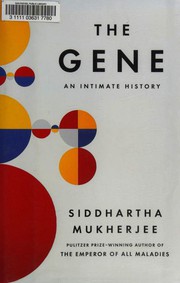
The gene from Mendel and Darwin to genome editing, beside a family's mental illness.
Recommended by: Bill Gates, Daniel Petre, James Cameron and 1 other
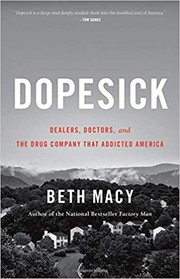
America's opioid crisis from OxyContin's 1996 launch through Central Appalachia.

Three generations of the Sackler family and how Purdue Pharma sold OxyContin.

How plague, cholera, malaria and smallpox shaped history.
Recommended by: Patrick Collison, Paul Graham
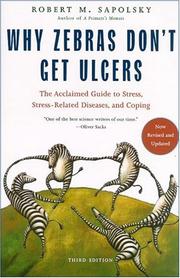
Chronic stress and how it affects the quality of decisions.
“it's a wonderful title and it's a wonderful book about the idea of stress” — Michael Mauboussin
Source: The Tim Ferriss Show #659 — official transcript
Recommended by: Michael Mauboussin

Twenty-three chapters, one per chromosome, each using a gene to open a subject.
“I highly recommend Genome as well, to figure out the rational basis behind ethics and the origin of virtue.” — Naval Ravikant
Source: Nav.al — 'Matt Ridley: How Innovation Works, Part 2' (Naval's podcast, edited transcript)
Recommended by: Charlie Munger, Mohnish Pabrai and 2 others
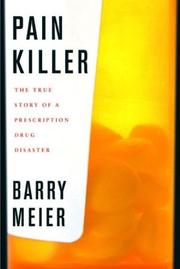
The first book to expose OxyContin marketing; reissued 2018.

Francis Crick's life, from a lacklustre education to discovering DNA's structure.
Recommended by: Naval Ravikant
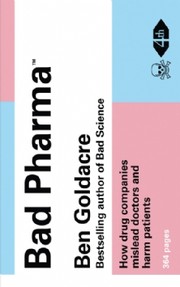
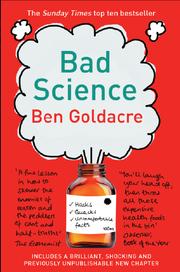
How drug companies distort medical evidence, starting with unpublished trials.
Recommended by: Tim Ferriss

America's opiate epidemic, seen from the demand side of the OxyContin market.
Recommended by: Chris Sacca

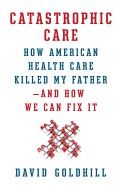
How US healthcare became so costly and broken, and what patients can do.
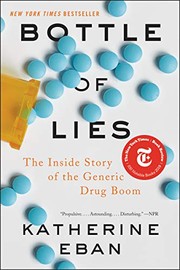
Fraud in data and manufacturing at offshore generic-drug plants.

The US drug industry from patent medicines to the opioid epidemic and the Sacklers.

Johnson & Johnson's record on talc, opioids and Tylenol, reexamined.

How Rockefeller philanthropy reshaped American medicine.
Vertex from the inside; the classic account of drug discovery economics.
Recommended by: Laura Deming

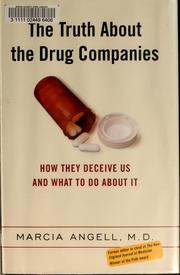
How drug companies turned from discovering drugs to marketing them.

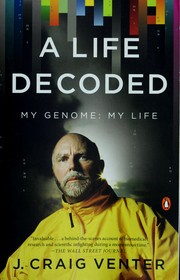
Insider account of the private race to sequence the human genome
Recommended by: Sam Altman
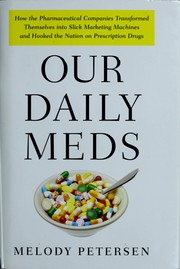
How drug makers became marketing machines, from Risperdal to off-label promotion.

Recommended by: Laura Deming, Patrick Collison

How tobacco chemists engineered cigarettes, drawn from the industry's own documents.

Background on how the obesity market got as large as it is.
Recommended by: Vinod Khosla

How drug makers, regulators and distributors let the US opioid epidemic grow.

How a West Virginia town of 382 people got 12 million opioid pills in three years.

The drug distributors behind the opioid epidemic and the lawsuits against them.
A neurosurgeon on how medical decisions and hospital incentives actually work
Recommended by: Bill Gates

The GLP-1 drugs: their benefits, their risks and their effects on society.


Confessions of an American writer who travelled widely and lived unconventionally.
Recommended by: Ryan Holiday


Recommended by: Mohnish Pabrai

Women's roles and choices, with detailed treatment of women's health and hygiene.
Recommended by: Stewart Brand


Recommended by: Patrick Collison

The botany and chemistry of hallucinogenic plants and how people have used them.
Recommended by: Tim Ferriss
Recommended by: Eric Weinstein
Recommended by: Laura Deming, Sam Altman


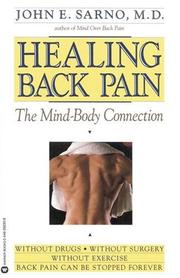


Recommended by: Patrick Arnold

Investigations into Ebola and other African viruses, their strains and outbreaks.
Recommended by: Safi Bahcall, Sophie Bakalar

Fictional sexual scenes, each read by an evolutionary biologist for its instincts.
Recommended by: Brian Armstrong, Tucker Max

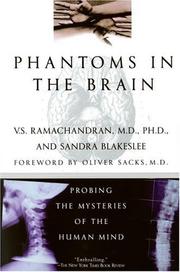
What patients with odd neurological disorders reveal about the brain and the self.
Recommended by: Tom Bilyeu
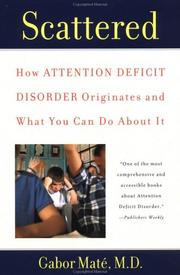

Recommended by: Mohnish Pabrai

Recommended by: Bill Gates


Recommended by: Bill Gates, Patrick Collison and 1 other

Recommended by: Mohnish Pabrai, Patrick Collison

Recommended by: Mohnish Pabrai
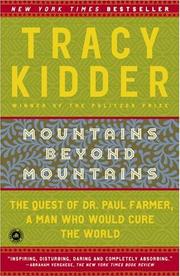
Paul Farmer, the doctor who co-founded Partners In Health, treating the poor.
Recommended by: Mohnish Pabrai, Bill Gates, Daniel Burka and 2 others
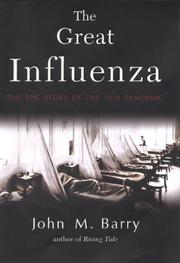
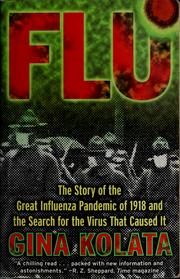
The 1918 flu: how it spread from a Kansas army camp and killed up to 100 million.
Recommended by: Bill Gates, Balaji S. Srinivasan
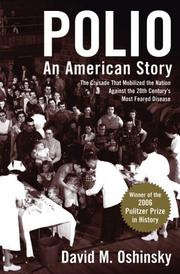
The American fear of polio and the race for a cure, from the March of Dimes to Salk.
Recommended by: Bill Gates
Recommended by: Mohnish Pabrai

An introduction to the structure and function of the nervous system for students.
Recommended by: Patrick Collison

The main findings on disease-control priorities for developing countries.
Recommended by: Bill Gates
Creating Value-Based Competition on Results

Recommended by: Mohnish Pabrai

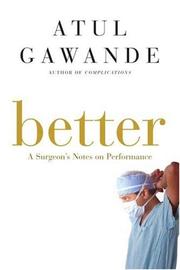
Recommended by: Mohnish Pabrai, John Maeda

Recommended by: Mohnish Pabrai, Nat Eliason
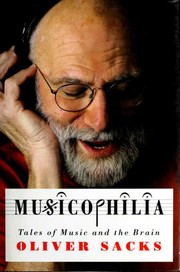
How music acts on the brain, through patients, musicians and ordinary people.
Recommended by: Tim Ferriss
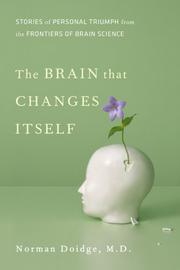
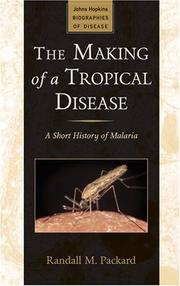
Recommended by: Bill Gates
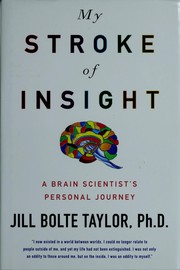
A brain scientist watches her own mind shut down during a massive stroke.
Recommended by: Ray Dalio
Recommended by: Bill Gates

How trivial-seeming questions lead to deeper insight into how science works.
Recommended by: Mohnish Pabrai, Bill Gates

Recommended by: Mohnish Pabrai

How checklists stop experts in complex fields failing to apply what they know.
“In his wonderful book, The Checklist Manifesto, Atul Gawande... explains the value of using a checklist to improve outcomes” — Michael Mauboussin
Source: Methods to Improve Decisions: Five Common Mistakes and How to Address Them (Credit Suisse)
Recommended by: Michael Mauboussin, Mohnish Pabrai and 9 others



Recommended by: Mohnish Pabrai


Recommended by: Nat Eliason

Recommended by: Patrick Collison

Recommended by: Patrick Collison

A neurosurgeon in a coma describes a journey beyond this world to a divine source.
Recommended by: Mohnish Pabrai


Recommended by: Andrew Wilkinson, David Kadavy

Recommended by: Balaji S. Srinivasan

Recommended by: Matt Mullenweg, Mohnish Pabrai

Recommended by: Bill Gates, Mohnish Pabrai, John Doerr
Recommended by: Balaji S. Srinivasan
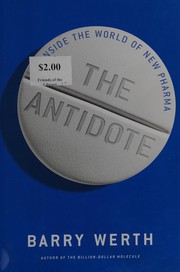
Recommended by: Laura Deming
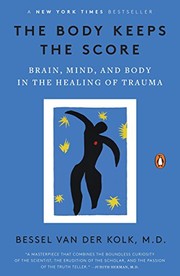
How trauma reshapes the body and brain, and the treatments that help survivors.
Recommended by: Matt Mullenweg, Brené Brown, Garry Tan and 2 others
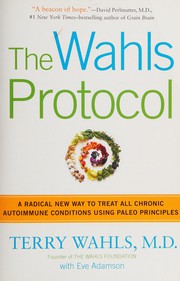
Recommended by: Bill Gates, Patrick Collison


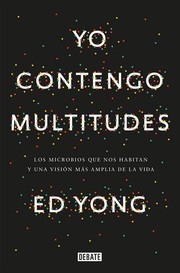
Recommended by: Bill Gates, Patrick Collison

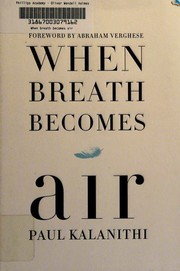
A neurosurgeon diagnosed with lung cancer at 36 asks what makes life worth living.
Recommended by: Bill Gates, Mohnish Pabrai, Morgan Housel and 11 others

The 1918 Spanish flu, which killed 50 to 100 million, through history and science.
Recommended by: Balaji S. Srinivasan
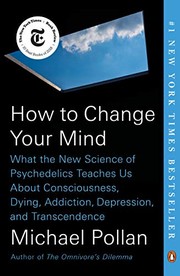
The history and revival of psychedelic research, and the author's own trips.
Recommended by: Bill Gates, Bryan Johnson, James Cameron and 7 others

The science, myths and business of blood, from bloodletting to plasma sales.
Recommended by: Bill Gates

Why key information failed to reach doctors in West Africa's Ebola epidemic.
Recommended by: Bill Gates

Recommended by: Balaji S. Srinivasan, Guy Spier

Recommended by: Bill Gates, Michael Bloomberg

The scientists racing to make the immune system fight cancer: immunotherapy's story.
Recommended by: Keith Rabois, Vinod Khosla


Recommended by: Bill Gates, Keith Rabois, Vinod Khosla


The case that ageing is a disease that can be treated, and the theory behind it.
Recommended by: David Friedberg, Jason Fried and 4 others
How sleep, diet and social media feed ADHD-like traits, with Trump as a case study.
Recommended by: Andrew Wilkinson

A tour of the human body: how it works, how it heals itself and how it fails.
Recommended by: Andrew Wilkinson, Morgan Housel


Recommended by: Andrew Wilkinson


Recommended by: Andrew Wilkinson, The Barefoot Investor and 1 other

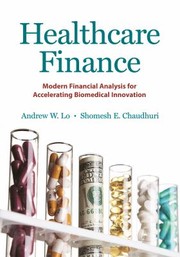
Princeton University Press. Listed on Lo's MIT books page.


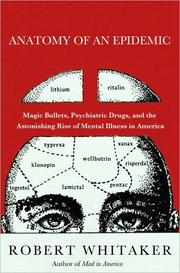
Recommended by: Tim Ferriss



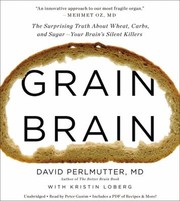
Recommended by: Mohnish Pabrai




The emptying of America's mental hospitals, told through one mentally ill brother.
Recommended by: Balaji S. Srinivasan
The politics, financing and delivery of Singapore's healthcare over five decades.
Recommended by: Sahil Lavingia



Recommended by: Patrick O'Shaughnessy


 Matt Ridleywrote 2 books here
 Andrew W. Lowrote 1 book here
 Clayton Christensenwrote 1 book here
 Michael E. Porterwrote 1 book here
 Michael Lewiswrote 1 book here
 Bethany McLeanwrote 1 book here
 Peter Attiawrote 1 book here
 Bill Gatesrecommends 39 books here
 Mohnish Pabrairecommends 23 books here
 Patrick Collisonrecommends 22 books here
 Tim Ferrissrecommends 11 books here
 Balaji S. Srinivasanrecommends 7 books here
 Vinod Khoslarecommends 6 books here
 Arianna Huffingtonrecommends 4 books here
 Keith Raboisrecommends 4 books here
 Laura Demingrecommends 4 books here
 Naval Ravikantrecommends 4 books here
Show all 81
 Matt Mullenwegrecommends 3 books herePeter Attiarecommends 3 books here
 Stewart Brandrecommends 3 books here
 Guy Spierrecommends 2 books here
 Ryan Holidayrecommends 2 books here
 Eric Weinsteinrecommends 2 books here
 James Cameronrecommends 2 books here
 Mark Zuckerbergrecommends 2 books here
 Melinda Gatesrecommends 2 books here
 Richard Bransonrecommends 2 books here
 Sam Altmanrecommends 2 books here
 Tom Bilyeurecommends 2 books here
 Charlie Mungerrecommends 1 book here
 Paul Grahamrecommends 1 book here
 Ray Daliorecommends 1 book here
 Brad Feldrecommends 1 book here
 John Doerrrecommends 1 book here
 Reid Hoffmanrecommends 1 book here
 Simon Sinekrecommends 1 book here
 William Ackmanrecommends 1 book here
 Bill Gurleyrecommends 1 book here
 Brené Brownrecommends 1 book here
 Brian Armstrongrecommends 1 book here
 Bryan Johnsonrecommends 1 book here
 Chamath Palihapitiyarecommends 1 book here
 Chris Saccarecommends 1 book here
 Daniel Burkarecommends 1 book here
 David Friedbergrecommends 1 book here
 Ed Cookerecommends 1 book here
 Esther Dysonrecommends 1 book here
 Garry Tanrecommends 1 book here
 Jack Dorseyrecommends 1 book here
 John Crowleyrecommends 1 book here
 John Maedarecommends 1 book here
 Julie Zhuorecommends 1 book here
 Kathryn Minshewrecommends 1 book here
 Kevin Roserecommends 1 book here
 Laura R Walkerrecommends 1 book here
 Maria Popovarecommends 1 book here
 Michael Bloombergrecommends 1 book here
 Nir Eyalrecommends 1 book here
 Peter Diamandisrecommends 1 book here
 Ramit Sethirecommends 1 book here
 Stewart Butterfieldrecommends 1 book here
 Tucker Maxrecommends 1 book here