Doctors, drugs and health care
Books on clinical practice and patients' experience, the drug and biotech industry, the opioid epidemic, and the cost and organisation of health care.
Start here
- The Emperor of All MaladiesSiddhartha Mukherjee, 2010
- Being MortalAtul Gawande, 2014
- Dopesick: Dealers, Doctors, and the Drug Company That Addicted AmericaBeth Macy, 2018
- Empire of Pain: The Secret History of the Sackler DynastyPatrick Radden Keefe, 2021
- Pain Killer: An Empire of Deceit and the Origin of America's Opioid EpidemicBarry Meier, 2003

A biography of cancer, by a physician and oncologist.
Recommended by: Andrew Chen, Bill Gates, Laura R Walker and 1 other
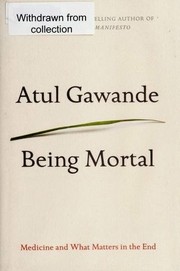
End-of-life and hospice care, and why medicine should aim at well-being.
Recommended by: Mohnish Pabrai, Bill Gates, Julie Zhuo
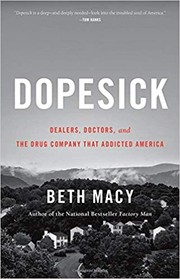
America's opioid crisis from OxyContin's 1996 launch through Central Appalachia.

Three generations of the Sackler family and how Purdue Pharma sold OxyContin.
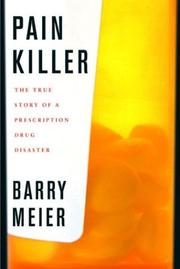
The first book to expose OxyContin marketing; reissued 2018.
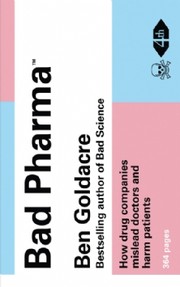
How drug companies distort medical evidence, starting with unpublished trials.
Recommended by: Tim Ferriss
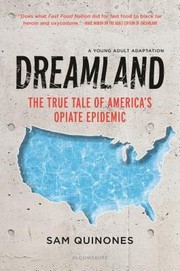
America's opiate epidemic, seen from the demand side of the OxyContin market.
Recommended by: Chris Sacca
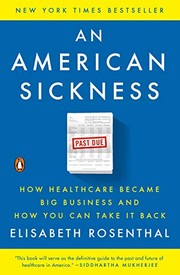
How US healthcare became so costly and broken, and what patients can do.
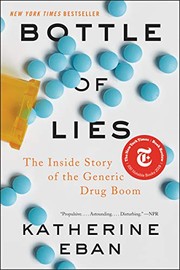
Fraud in data and manufacturing at offshore generic-drug plants.
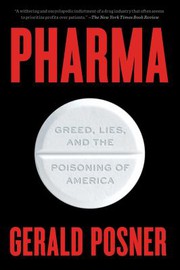
The US drug industry from patent medicines to the opioid epidemic and the Sacklers.

Johnson & Johnson's record on talc, opioids and Tylenol, reexamined.
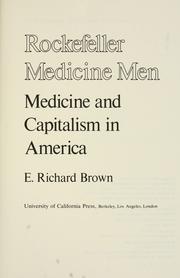
How Rockefeller philanthropy reshaped American medicine.
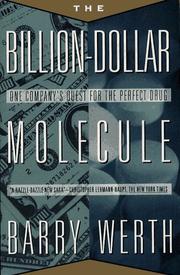
Vertex from the inside; the classic account of drug discovery economics.
Recommended by: Laura Deming
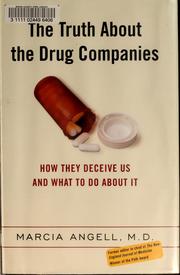
How drug companies turned from discovering drugs to marketing them.
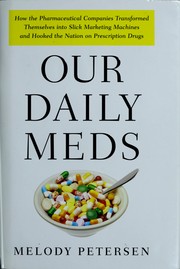
How drug makers became marketing machines, from Risperdal to off-label promotion.

Recommended by: Laura Deming, Patrick Collison
Background on how the obesity market got as large as it is.
Recommended by: Vinod Khosla
How drug makers, regulators and distributors let the US opioid epidemic grow.
How a West Virginia town of 382 people got 12 million opioid pills in three years.
The drug distributors behind the opioid epidemic and the lawsuits against them.
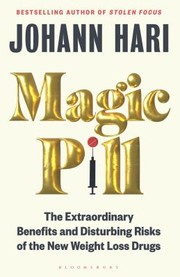
The GLP-1 drugs: their benefits, their risks and their effects on society.

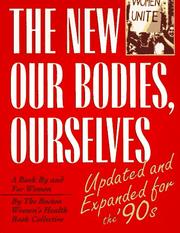
Women's roles and choices, with detailed treatment of women's health and hygiene.
Recommended by: Stewart Brand
Recommended by: Patrick Collison
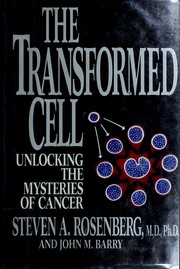


Recommended by: Mohnish Pabrai, Patrick Collison
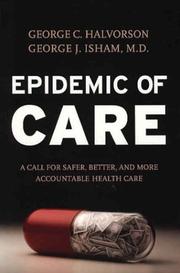
Recommended by: Mohnish Pabrai

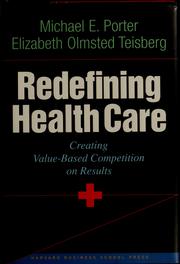
Creating Value-Based Competition on Results
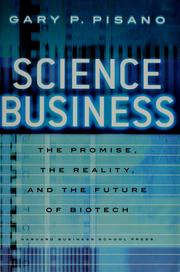
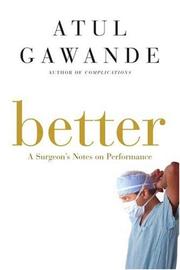
Recommended by: Mohnish Pabrai, John Maeda
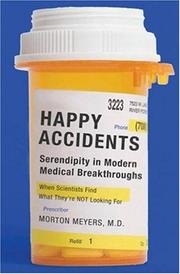
Recommended by: Mohnish Pabrai, Nat Eliason
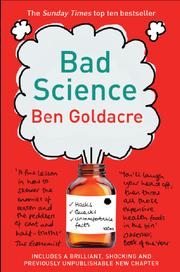
Recommended by: Bill Gates

How trivial-seeming questions lead to deeper insight into how science works.
Recommended by: Mohnish Pabrai, Bill Gates

Recommended by: Mohnish Pabrai
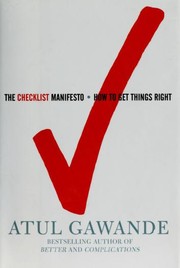
How checklists stop experts in complex fields failing to apply what they know.
“In his wonderful book, The Checklist Manifesto, Atul Gawande... explains the value of using a checklist to improve outcomes” — Michael Mauboussin
Source: Methods to Improve Decisions: Five Common Mistakes and How to Address Them (Credit Suisse)
Recommended by: Michael Mauboussin, Mohnish Pabrai and 9 others

Recommended by: Mohnish Pabrai
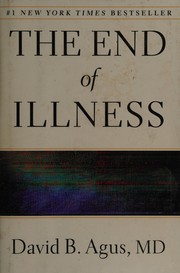
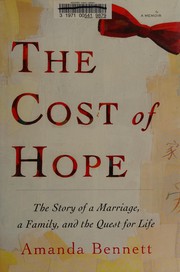
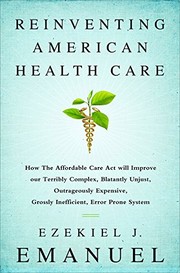
Recommended by: Bill Gates, Mohnish Pabrai, John Doerr
Recommended by: Balaji S. Srinivasan
Recommended by: Laura Deming
A neurosurgeon diagnosed with lung cancer at 36 asks what makes life worth living.
Recommended by: Bill Gates, Mohnish Pabrai, Morgan Housel and 11 others
The scientists racing to make the immune system fight cancer: immunotherapy's story.
Recommended by: Keith Rabois, Vinod Khosla
Recommended by: Andrew Wilkinson, The Barefoot Investor and 1 other
Princeton University Press. Listed on Lo's MIT books page.
The politics, financing and delivery of Singapore's healthcare over five decades.
Recommended by: Sahil Lavingia
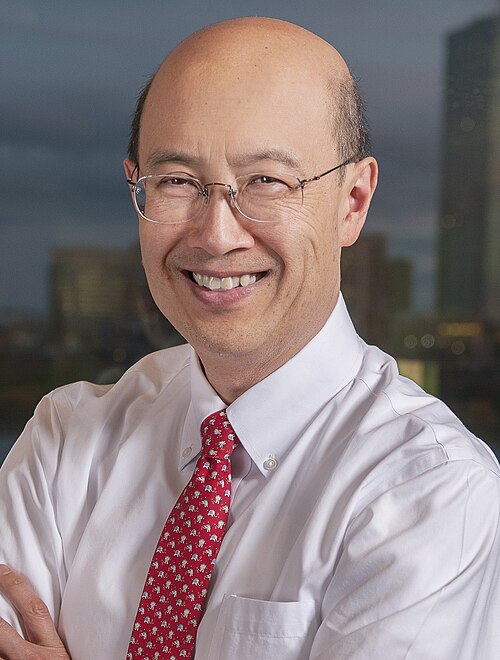 Andrew W. Lowrote 1 book here
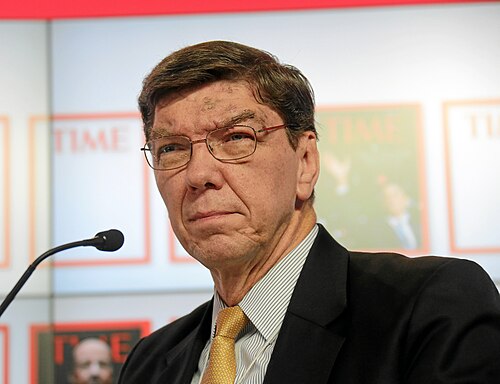 Clayton Christensenwrote 1 book here
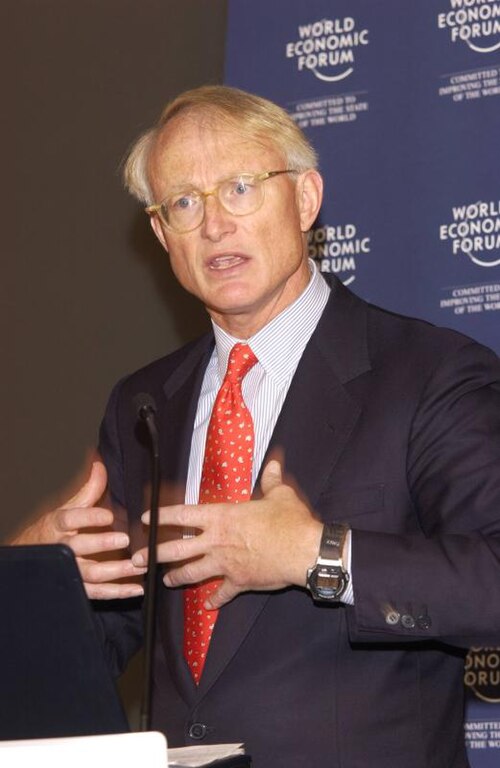 Michael E. Porterwrote 1 book here
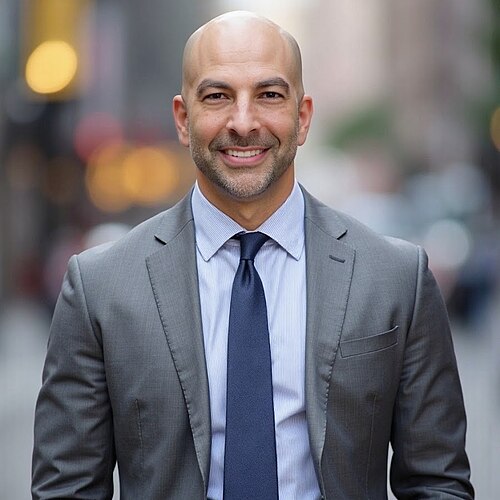 Peter Attiawrote 1 book here
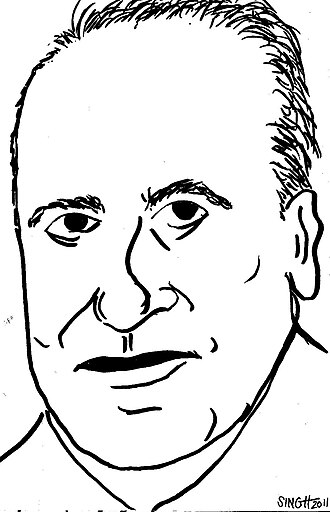 Mohnish Pabrairecommends 12 books here
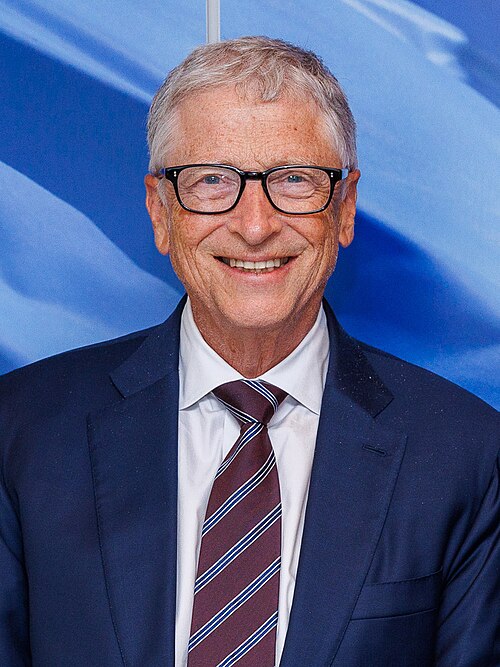 Bill Gatesrecommends 10 books here
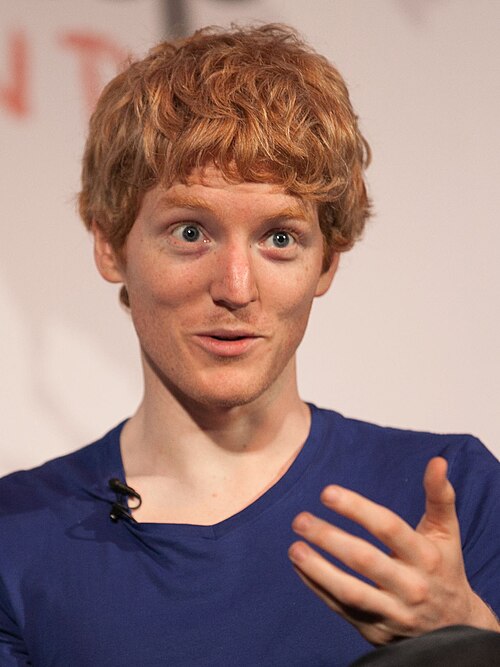 Patrick Collisonrecommends 4 books here
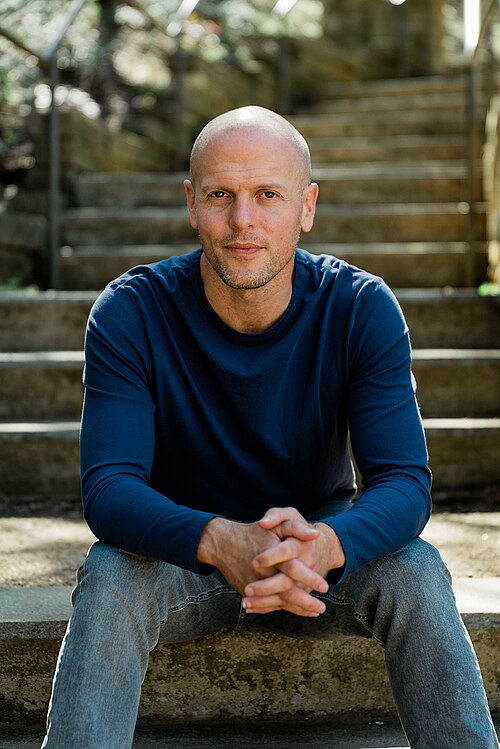 Tim Ferrissrecommends 4 books here
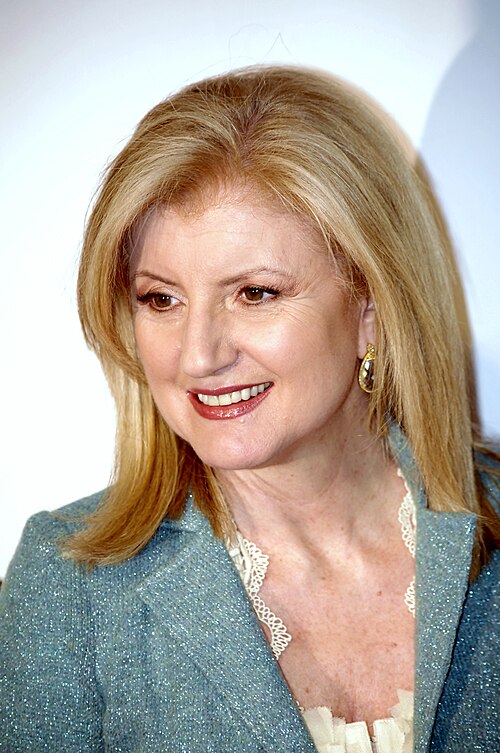 Arianna Huffingtonrecommends 3 books here
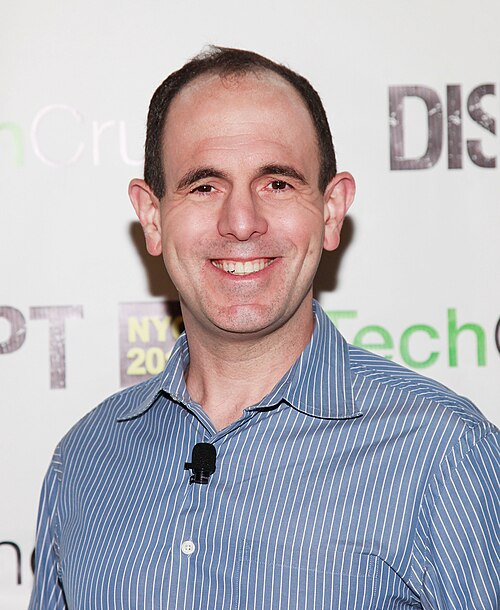 Keith Raboisrecommends 3 books here
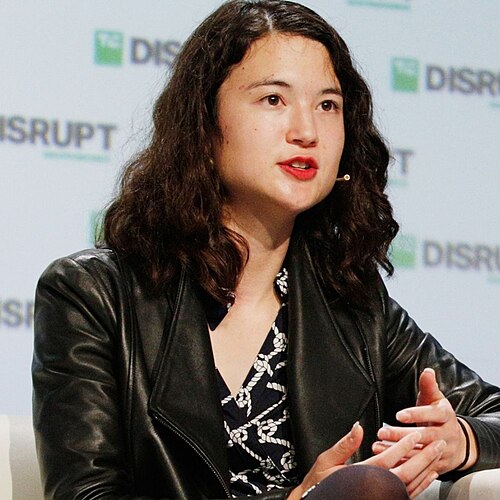 Laura Demingrecommends 3 books herePeter Attiarecommends 2 books here
 Stewart Brandrecommends 2 books here
 Vinod Khoslarecommends 2 books here
Show all 45
 Brad Feldrecommends 1 book here
 John Doerrrecommends 1 book here
 William Ackmanrecommends 1 book here
 Balaji S. Srinivasanrecommends 1 book here
 Bill Gurleyrecommends 1 book here
 Chris Saccarecommends 1 book here
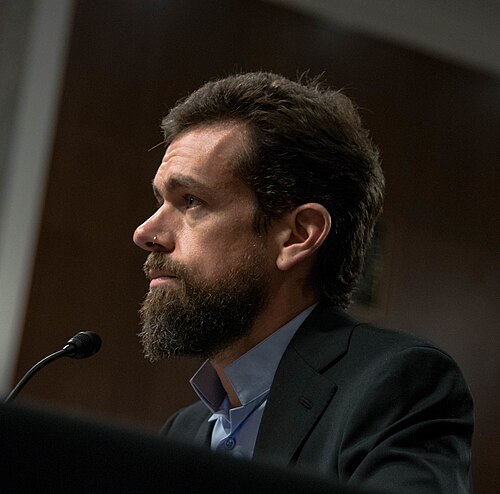 Jack Dorseyrecommends 1 book here
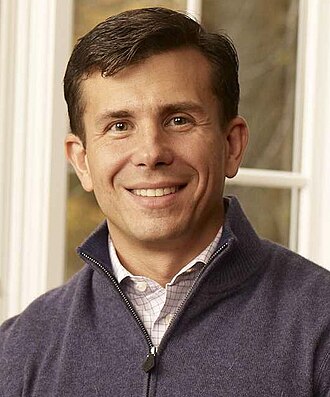 John Crowleyrecommends 1 book here
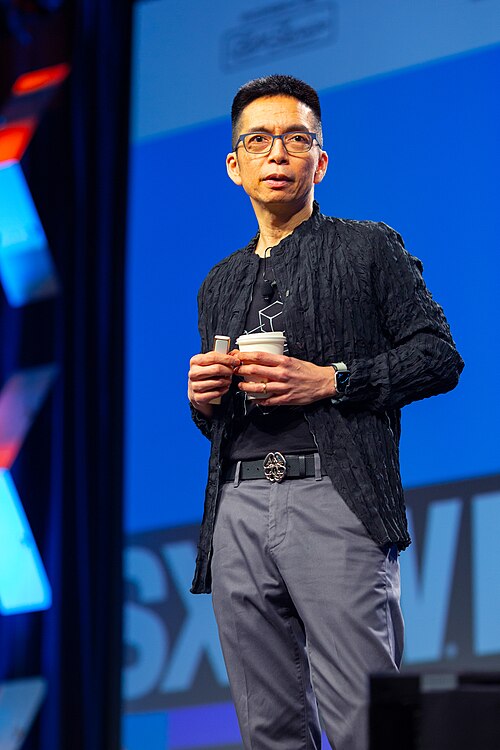 John Maedarecommends 1 book here
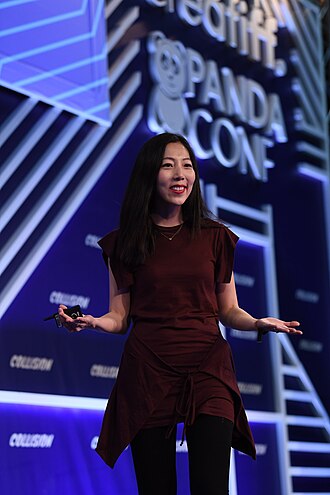 Julie Zhuorecommends 1 book here
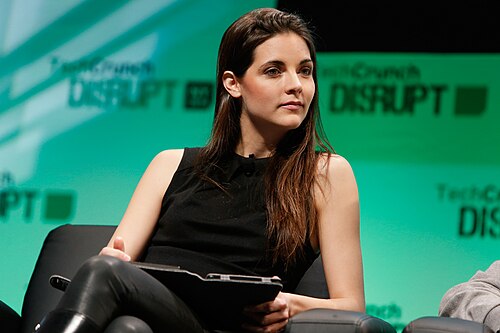 Kathryn Minshewrecommends 1 book here
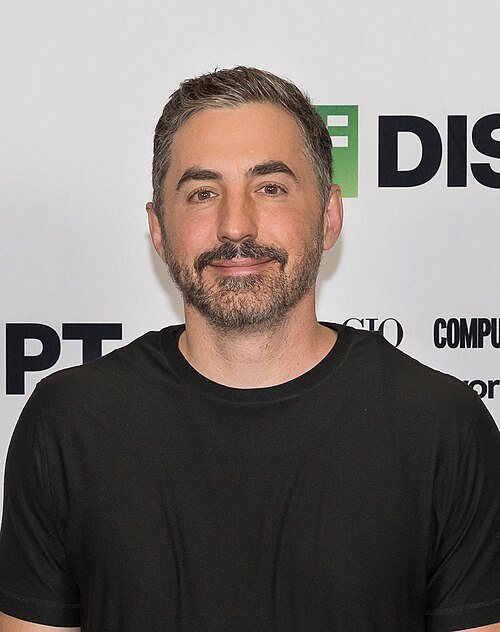 Kevin Roserecommends 1 book here
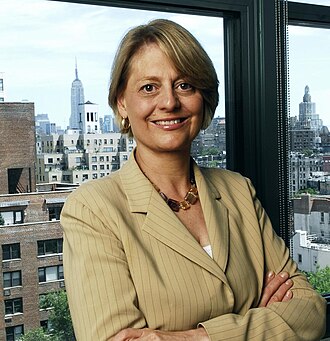 Laura R Walkerrecommends 1 book here
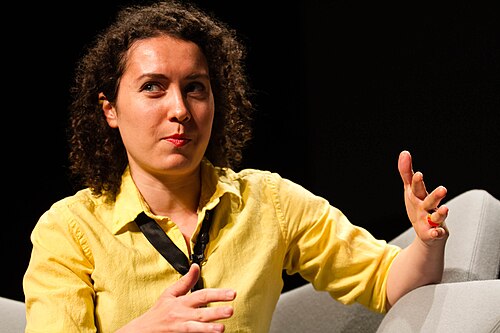 Maria Popovarecommends 1 book here
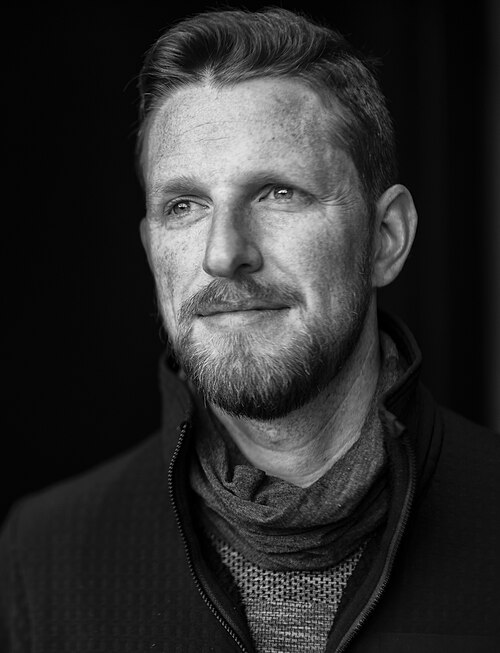 Matt Mullenwegrecommends 1 book here
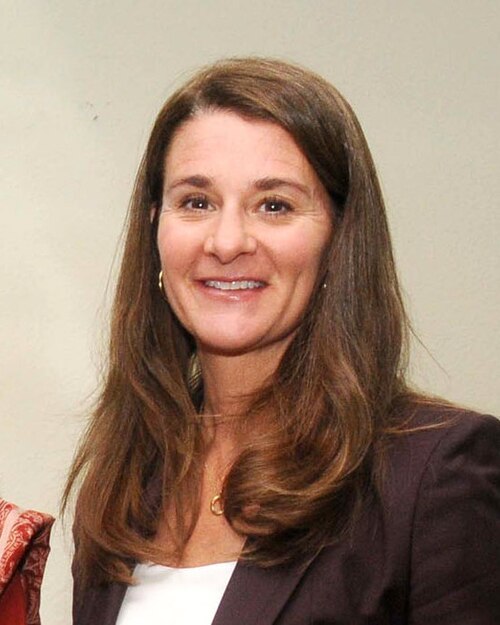 Melinda Gatesrecommends 1 book here
 Ramit Sethirecommends 1 book here
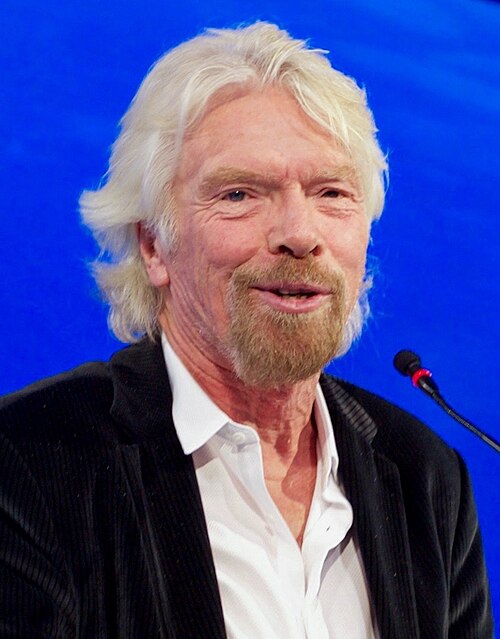 Richard Bransonrecommends 1 book here