Consumer culture and cultural criticism
Holds essays and criticism on American and Western culture, from Orwell, Didion and Tom Wolfe to Lasch, plus reporting on brands, fast food, luxury, sport, music and the industries that sell to consumers.
Start here
- Fast Food NationEric Schlosser, 2001
- Addiction by DesignNatasha Dow Schüll, 2012
- Dopesick: Dealers, Doctors, and the Drug Company That Addicted AmericaBeth Macy, 2018
- The Big ChangeFrederick Lewis Allen, 1952
- No LogoNaomi Klein, 1999

How fast food reshaped farming, meatpacking, food science and low-wage work.
Recommended by: Mohnish Pabrai, Kevin Rose, Richard Branson

How slot machines are designed to keep gamblers playing longer.
Recommended by: Nir Eyal, Tristan Harris
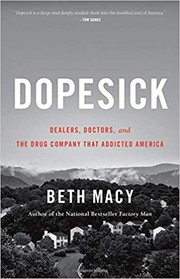
America's opioid crisis from OxyContin's 1996 launch through Central Appalachia.

How American life changed between 1900 and 1950.
Recommended by: Morgan Housel, Paul Graham

Arguments for consumers to question and take on the corporate superbrands.

The first book to expose OxyContin marketing; reissued 2018.
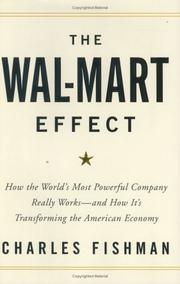
What Wal-Mart's scale does to its suppliers, its towns and prices everywhere.
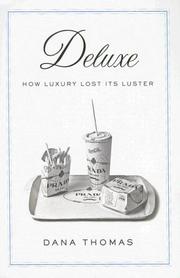
How family luxury houses became conglomerates selling to the mass affluent.
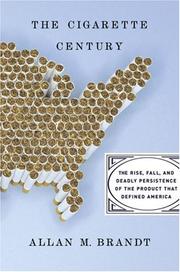
How the cigarette rose in 20th-century America, and how its harm was proved.
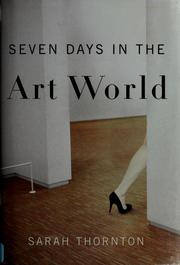
Ethnography of auctions, fairs and studios.
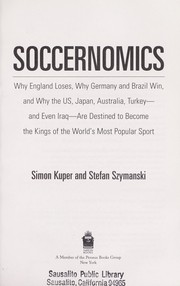
Why football clubs are poor businesses but resilient assets.
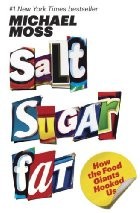
How processed-food makers engineer salt, sugar and fat to make people eat more.

America's opiate epidemic, seen from the demand side of the OxyContin market.
Recommended by: Chris Sacca

The rise and fall of the American department store, with Sears throughout.

How the Premier League turned clubs into globally traded media assets.
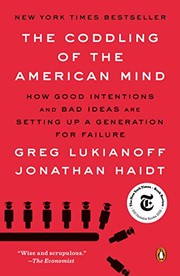
Three false beliefs taught to young Americans, and how they harm their minds.
Recommended by: Eric Weinstein, Julian Shapiro and 2 others

The economics of the music industry, where superstar markets show up in pure form.
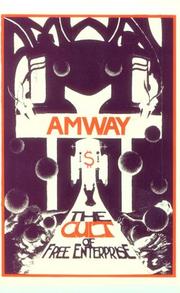
A former distributor on the ideology that sustains recruitment.
The standardisation model that made the chain scalable.

A critical look at the arithmetic behind multi-level marketing pay plans.
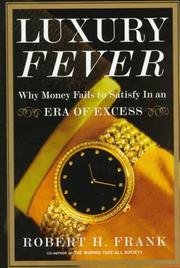

How fashion became a branded consumer-goods business.

How Kodak's advertising taught Americans what to photograph.
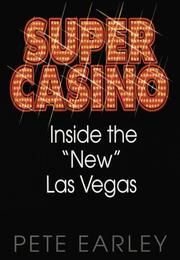
How Las Vegas grew from the Rat Pack era into a family holiday city.
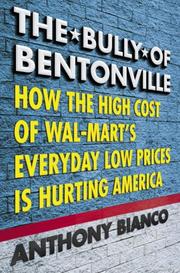
Business-press account of supplier and wage pressure.
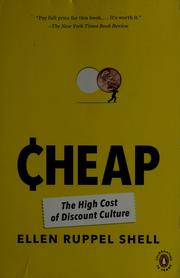
The economic, political and personal costs of making and buying everything cheaply.

What Starbucks sells besides coffee, from visits to hundreds of its stores.

How free tap water became bottled water, one of the most profitable products sold.

How tobacco chemists engineered cigarettes, drawn from the industry's own documents.

How Star Wars merchandise came to outgrow the films that created it.

How Rudy Kurniawan faked rare Burgundy wines, and how he was caught.

The rise of the mega-galleries and the money in the contemporary art market.

How a West Virginia town of 382 people got 12 million opioid pills in three years.

Why multi-level marketing's economics need constant recruitment to survive.

Argument that rich societies have stagnated into repetition and sterility
Recommended by: Peter Thiel

How ownership of American agriculture came to sit with a few families and firms.


Recommended by: Nat Eliason, Patrick Collison, Ed Cooke
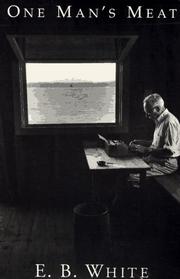
Essays on farm life in Maine, written after leaving New York City.
Recommended by: Ann Handley

Recommended by: Audrey Gelman, Kara Swisher
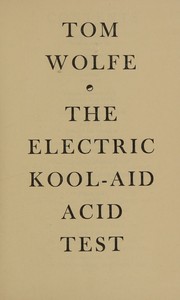
Following Ken Kesey and the Merry Pranksters through the 1960s counterculture.
Recommended by: Stewart Brand, Tim O’Reilly


Freud, Marx and Lévi-Strauss as cases of the Jewish struggle with Gentile civility.
Recommended by: Marc Andreessen


Recommended by: Marc Andreessen

Recommended by: Antonio García Martínez

Recommended by: Jim Collins, Brian Grazer
Recommended by: Patrick Collison, Audrey Gelman and 1 other


Subtitled 'Multiculturalism and Political Intolerance on Campus'

Recommended by: Keith Rabois, Marc Andreessen
Recommended by: Mohnish Pabrai


Comic essays on a life from a Raleigh childhood to drink- and drug-filled college.
Recommended by: Sophie Bakalar

Recommended by: Mohnish Pabrai

An analysis of Nike's brand-marketing machine at its peak, built on the swoosh.


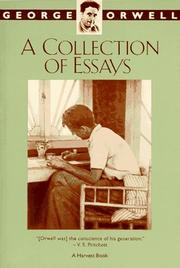

Recommended by: Mohnish Pabrai


Where the worry about others' judgement of us comes from, and how people overcome it.
Recommended by: Andrew Wilkinson, Garry Tan
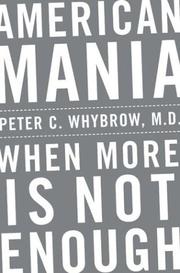


A boy from a poor, broken home discovers football and rises to the NFL.
Recommended by: Ev Williams
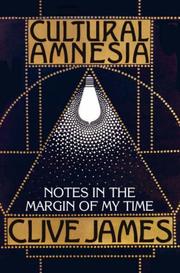
Recommended by: Patrick Collison, Frank Blake


Recommended by: Marc Andreessen

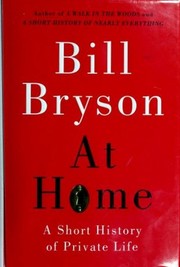
Recommended by: Andrew Wilkinson, Mohnish Pabrai and 1 other

Recommended by: Naval Ravikant

Recommended by: Patrick Collison


Recommended by: Mohnish Pabrai, Nat Eliason

Essays on carnival hokum, magical thinking and Washington's cult of expertise.
Recommended by: Patrick Collison
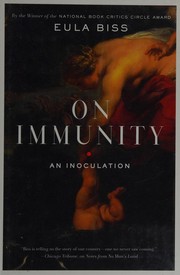

Recommended by: Mohnish Pabrai

Portraits of people living lives of extreme ethical commitment to helping strangers.
Recommended by: Patrick Collison, Nick Thompson

Recommended by: Patrick O'Shaughnessy


Recommended by: Zoë Foster Blake

Recommended by: Patrick Collison


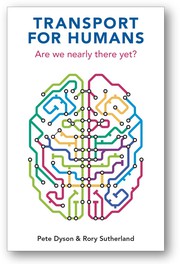





Recommended by: Mohnish Pabrai

The gritty reality behind the hoop dreams of America's young basketball prodigies.
Recommended by: Jeff Jordan
Two satirical essays on class, status and race in America around 1970.
Recommended by: Marc Andreessen



 Michael Lewiswrote 1 book here
 Peter Thielwrote 1 book here
 Frederick Lewis Allenwrote 1 book here
 Rory Sutherlandwrote 1 book here
 Tyler Cowenwrote 1 book here
 Mohnish Pabrairecommends 13 books here
 Patrick Collisonrecommends 11 books here
 Marc Andreessenrecommends 5 books here
 Audrey Gelmanrecommends 5 books here
 Ryan Holidayrecommends 4 books here
 Paul Grahamrecommends 3 books here
 Balaji S. Srinivasanrecommends 3 books here
 Eric Weinsteinrecommends 3 books here
 Richard Bransonrecommends 3 books here
Show all 48
 Ev Williamsrecommends 2 books here
 Garry Tanrecommends 2 books here
 Keith Raboisrecommends 2 books here
 Tim O’Reillyrecommends 2 books here
 Jim Collinsrecommends 1 book herePeter Thielrecommends 1 book here
 Guy Spierrecommends 1 book here
 Simon Sinekrecommends 1 book here
 Antonio García Martínezrecommends 1 book here
 Bill Gatesrecommends 1 book here
 Brian Grazerrecommends 1 book here
 Chris Saccarecommends 1 book here
 Cynthia Johnsonrecommends 1 book here
 Daniel Ekrecommends 1 book here
 Ed Cookerecommends 1 book here
 Jeff Jordanrecommends 1 book here
 Kara Swisherrecommends 1 book here
 Kevin Roserecommends 1 book here
 Mark Zuckerbergrecommends 1 book here
 Naval Ravikantrecommends 1 book here
 Nir Eyalrecommends 1 book here
 Stewart Brandrecommends 1 book here
 Tim Ferrissrecommends 1 book here
 Tristan Harrisrecommends 1 book here
 Vinod Khoslarecommends 1 book here
 Zoë Foster Blakerecommends 1 book here