
The Big Change
How American life and incomes changed between 1900 and 1950
Summary
Allen, who edited Harper's and wrote the popular history Only Yesterday about the 1920s, published this in 1952 covering the transformation of American life between 1900 and 1950.
His argument is that the United States changed more in those fifty years than in any comparable period, and that the change was not the one that either its critics or its defenders had predicted. Rather than a socialist transformation or a permanent plutocracy, what occurred was a substantial redistribution of income and of consumption through a combination of productivity growth, unionisation, progressive taxation, and the extension of consumer goods and credit to the majority.
The material covers the conditions of 1900, including working hours, household labour, life expectancy and the absence of the goods that later defined ordinary life; the effects of the automobile, electrification, radio and household appliances; the labour conflicts and the eventual settlement; the New Deal; the war economy; and the position by 1950. His central observation is that the very rich of 1900 had a standard of living in several respects below that of an ordinary family of 1950, because the goods that mattered did not exist at any price.
The reference has verified the book's subject and its central argument rather than its detail throughout. Allen writes as a contemporary and the account ends in 1952, before the subsequent divergence in incomes. His treatment of race and of who was excluded from the improvements is thin by modern standards. The observation that goods unavailable at any price make historical income comparisons misleading is the durable point.
Key takeaways 8
- American life changed more between 1900 and 1950 than in any comparable period, and the change was not what either critics or defenders had predicted.
- Income and consumption were substantially redistributed through productivity growth, unionisation, progressive taxation and the extension of credit.
- The very rich of 1900 had a standard of living below an ordinary family of 1950 in several respects, because the relevant goods did not exist at any price.
- Comparisons of income across long periods mislead, since what money can buy changes more than the quantity of money does.
- The automobile, electrification and household appliances changed the organisation of daily life more than any political development did.
- The feared outcomes of both permanent plutocracy and socialist transformation failed to occur, and something neither side anticipated happened instead.
- Household labour was transformed by appliances and utilities in ways that changed what was possible for the people performing it.
- The account ends in 1952, before the subsequent divergence in incomes, and its treatment of who was excluded is thin.
Who should read it
Readers interested in how living standards actually changed across the first half of the twentieth century, from a contemporary account.
About Frederick Lewis Allen
American editor of Harper's Magazine who wrote popular histories of the 1920s boom, the crash and J. P. Morgan.
Only Yesterday appeared within two years of the 1929 crash and records the Florida land boom, the margin mania and the mood of the decade as contemporaries experienced them, before hindsight tidied the story. The Big Change and The Great Pierpont Morgan carry that reporting into how American wealth and finance reorganised across the first half of the century.
Who recommended it 2 · 1 direct
Similar books 6
Chosen by shared topics, the entries that hold them, and the people who recommended both.

Narrative of the American West's mining and railroad fortunes
Recommended by: Charlie Munger
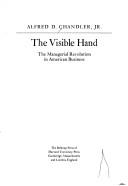
How salaried managers replaced markets in coordinating US business, 1840 to 1920.
Recommended by: Paul Graham
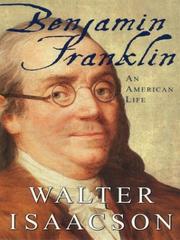
Franklin's life as printer, scientist, diplomat and founder.
“…books I've recommended, highlighted to death, or forced on friends.” — Andrew Wilkinson
Source: Andrew Wilkinson's Bookshelf, neverenough.com
Recommended by: Alfred Lin, Andrew Wilkinson, Mohnish Pabrai and 7 others
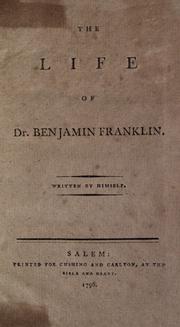
A printer's rise in colonial America and his chart for practising thirteen virtues.
Recommended by: Charlie Munger, Mohnish Pabrai, Nat Eliason and 4 others

Joseph P. Kennedy's life in banking, film, the stock market and politics.
Recommended by: Mohnish Pabrai, Morgan Housel
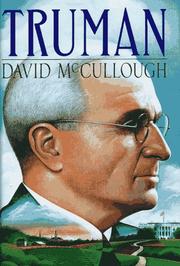
Harry Truman's life and presidency, from the atomic bomb to the Korean War.
Recommended by: Morgan Housel
Where it sits in the reference 3
Topics