
Sociology and Culture
Societies and the way people live in them: class, race, gender, cities, media, inequality, anthropology and social criticism. Read by anyone trying to understand a group larger than a family and smaller than a nation.
Start here
- The Crowd: A Study of the Popular MindGustave Le Bon, 1895
- The True BelieverEric Hoffer, 1951
- The Death and Life of Great American CitiesJane Jacobs, 1961
- Diffusion of InnovationsEverett M. Rogers, 1962
- The Lucky CountryDonald Horne, 1964

How individuals lose judgement in a crowd and how leaders sway crowds.
“The Crowd, written in 1895 by Gustave Le Bon, is probably the most instrumental book in framing my ability to go against the grain of conventional thought and not feel insecure.” — Frank Martin
Source: Martin on the book that let him go against conventional thought
Recommended by: Frank Martin, Mohnish Pabrai, Peter Cundill and 1 other
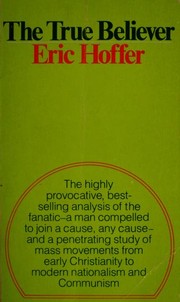
Why mass movements of every kind draw the same frustrated people and use one method.
“My favourite book to recommend is The True Believer: Thoughts on the Nature of Mass Movements by Eric Hoffer. There is no discussion about investing, but it is extremely helpful in understanding…” — Joe Rosenberg
Source: Rosenberg on the book he most often recommends
Recommended by: Joe Rosenberg, Mohnish Pabrai and 6 others
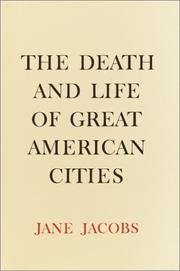
What makes city streets work, and how 1950s planning and slum clearance broke them.
Recommended by: Patrick Collison, Chris Dixon, Daniel Burka and 1 other

An academic study of how new ideas spread.
Recommended by: Patrick O'Shaughnessy

An indictment of 1960s Australia as provincial, philistine and living on its luck.
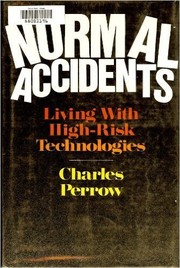
Why complex, tightly coupled systems such as Three Mile Island will fail regardless.
Computer tournaments of the prisoner's dilemma show why tit-for-tat wins.
Recommended by: Patrick Collison, Naval Ravikant

How television turned public discourse from argument into entertainment.
Recommended by: Nat Eliason, Keith Rabois, Matt Mullenweg and 3 others

A study of Lima's informal economy and the legal costs that keep the poor outside it.
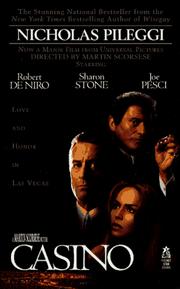
How the Chicago mob ran Las Vegas casinos, told through bookie Frank Rosenthal.

Why large state plans fail when they override local, practical knowledge.
Recommended by: Balaji S. Srinivasan, Nat Eliason

How fast food reshaped farming, meatpacking, food science and low-wage work.
Recommended by: Mohnish Pabrai, Kevin Rose, Richard Branson

How slot machines are designed to keep gamblers playing longer.
Recommended by: Nir Eyal, Tristan Harris

How media from the penny press to social media capture attention and resell it.

America's opioid crisis from OxyContin's 1996 launch through Central Appalachia.

The one pattern of the hero's journey that runs through myths across cultures.
Recommended by: Nat Eliason, Patrick O'Shaughnessy and 2 others

How American life changed between 1900 and 1950.
Recommended by: Morgan Housel, Paul Graham
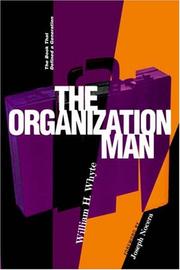
What the corporation did to the people inside it, written at its peak.

Classic fieldwork proving African farmers were rational capitalist investors.
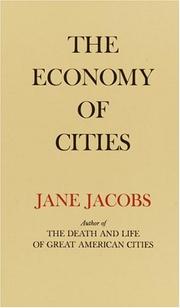
Cities, not farms, drive economic growth by adding new work to old.
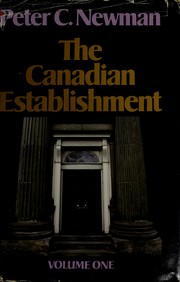
A portrait of Canada's business elite in 1975, from hundreds of interviews.
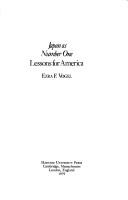
What Japan's institutions had solved that America had not, and what to learn.

How Americans chose separate suburban houses and how that shaped the country.

The culture of a society that got rich first and was uneasy about it.

The Basque Mondragon cooperative group, studied as a working business model.
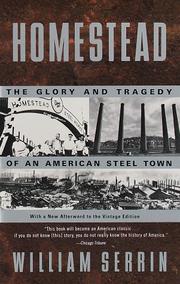
A Pennsylvania steel town from Carnegie's purchase in 1883 to the 1986 closure.

Preference falsification: why people hide their views and how that hides change.
“So this is one of the all time great books. Incredible.” — Marc Andreessen
Source: Lex Fridman Podcast #458 transcript — Marc Andreessen
Recommended by: Marc Andreessen

After the Cold War, conflict will follow cultural and religious fault lines.
Recommended by: Mohnish Pabrai, Patrick Collison and 3 others

Written from Romanian fieldwork; how the planned economy behaved in practice.
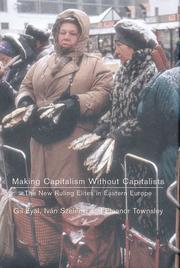
Who took charge of Central Europe's economies after 1989, without a capitalist class.

Arguments for consumers to question and take on the corporate superbrands.

The Finnish model: how a welfare state produced a technology cluster.

The first book to expose OxyContin marketing; reissued 2018.
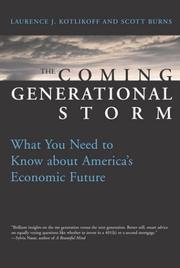
US fiscal promises far exceed future revenue, which official debt figures hide.

Flags of convenience and the legal nowhere that ships are owned in.
Political economy of production without conventional property.
How Hollywood really makes money, mostly away from the box office.
One T-shirt traced from a Texas cotton farm to a Chinese factory and beyond.

Ten forces around 2000 that let anyone, anywhere compete in the global economy.
Recommended by: Mohnish Pabrai, Bill Gates, Jamie Dimon and 2 others

An investigation of a place living under the rule of a murderous crime organisation.
What Wal-Mart's scale does to its suppliers, its towns and prices everywhere.
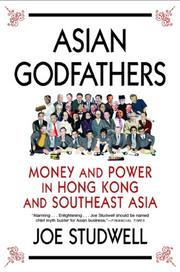
How Southeast Asia's tycoons got rich from political favours, not productivity.
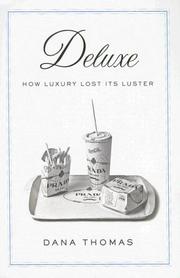
How family luxury houses became conglomerates selling to the mass affluent.

An introduction to modern India's rise and its many contradictions.
Recommended by: Mohnish Pabrai
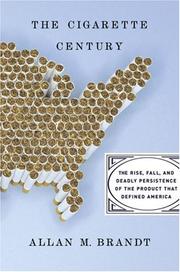
How the cigarette rose in 20th-century America, and how its harm was proved.

Ethnography of auctions, fairs and studios.
Why football clubs are poor businesses but resilient assets.
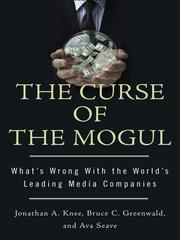
Why most media companies destroy shareholder value: few have barriers to entry.
Recommended by: Keith Rabois

A class analysis of the Gulf states that rejects the standard rentier-state view.

Six advantages, from competition to the work ethic, that let the West pull ahead.
Recommended by: Mohnish Pabrai

Why Italy's economy underperformed, and the firms and places showing it can change.

Why US cities have split apart in wages and jobs, and why innovation hubs pull ahead.

How processed-food makers engineer salt, sugar and fat to make people eat more.

Broad employee ownership as an American tradition, and the case for reviving it.

A forecast of a hugely connected future world, with its challenges and benefits.
Recommended by: Mohnish Pabrai, Michael Bloomberg

Japan after the 2011 earthquake, tsunami and Fukushima, and how it might recover.
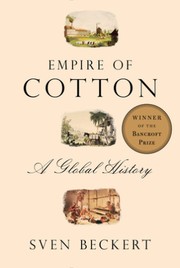
A global history of cotton used to trace how capitalism developed.

America's opiate epidemic, seen from the demand side of the OxyContin market.
Recommended by: Chris Sacca

The rise and fall of the American department store, with Sears throughout.
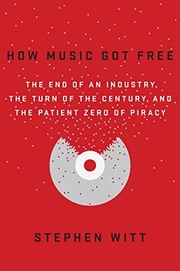
How the mp3, a CD-factory leaker and pirate websites broke the music business.

How the way organisations divide work blinds them, and how some break down silos.
“Gillian Tett's new book the Silo Effect, a thoughtful discussion of the downside of narrow specialisation.” — Seth Klarman
Source: Klarman on Gillian Tett on the downside of specialisation
Recommended by: Seth Klarman

Brazil's billionaires during the boom, and what their fortunes say about inequality.
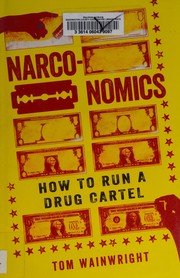
The drug trade as a business: how cartels handle supply chains, staff and branding.

What longer lives do to savings, work and the products people buy.
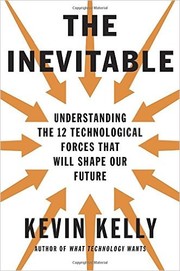
The technology trends that will reshape daily life over the next thirty years.
Recommended by: Nat Eliason, Patrick Collison, Alfred Lin and 1 other

How federal housing policy engineered segregation.

Why the platform mattered politically, and what that cost it.

How the offshore world lets officials who steal money hide it and spend it abroad.

Crony capitalism, promoter leverage and the bad-loan crisis.

How the Premier League turned clubs into globally traded media assets.
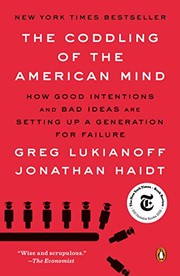
Three false beliefs taught to young Americans, and how they harm their minds.
Recommended by: Eric Weinstein, Julian Shapiro and 2 others

How fixation on measured performance damages the work it is meant to improve.
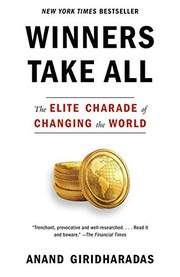
How the global elite's efforts to change the world keep the status quo in place.
Recommended by: Alexis Ohanian, Tristan Harris, Vinod Khosla
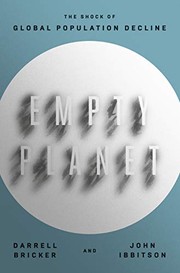
The costs and benefits of a shrinking world population.

The hidden on-demand workers who make automated online services work.

The economics of the music industry, where superstar markets show up in pure form.
Flags of convenience, crew abuse and jurisdictional voids at sea.

How McDonald's and fast-food franchising became bound up with Black America.

Disinflation came from a one-time surge in workers; ageing will reverse it.

One USB charger followed from a factory in Vietnam by ship and truck to a door.

How Amazon's growth concentrated wealth in a few places and hollowed out others.
What happened to Eastern Europe in the thirty years after 1989, measured.

Artisanal cobalt mining in Congo and its place in the battery supply chain.

Case studies of extraction from acquired companies.

The supply-chain breakdown of 2020 to 2022, traced through shipments and people.

Common knowledge, where everyone knows that everyone knows, and what it does.
Recommended by: Bill Gates
How the internet can spread generosity and make giving a force for good.
Recommended by: Bill Gates

Pre-industrial English society before wage labour and cities
“Laslett, The World We Have Lost” — Paul Graham
Source: Rarely-Asked Questions — paulgraham.com
Recommended by: Paul Graham

Mahathir's case for Malay preferences that became the New Economic Policy.

Consumer-side account of how insurers make money.
A former distributor on the ideology that sustains recruitment.

How marketing-board pricing destroyed the country's main export industry.
The standardisation model that made the chain scalable.

Comparative coffee political economy; sets Colombia's growers' federation in context.

The Overseas Chinese business families and their fortunes around the Pacific.

Spain's institutions and business culture after Franco.

A critical look at the arithmetic behind multi-level marketing pay plans.
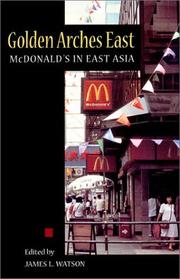
Edited fieldwork on how the format was localised across Asia.
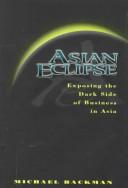
Written straight after the 1997 crisis on opacity, related-party dealing and family control.
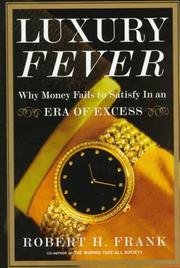

How fashion became a branded consumer-goods business.

How Kodak's advertising taught Americans what to photograph.
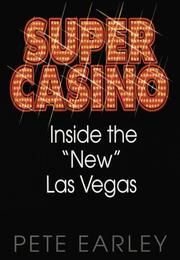
How Las Vegas grew from the Rat Pack era into a family holiday city.
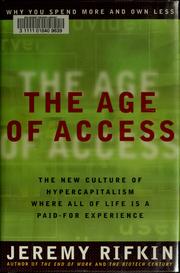
Early and prescient case that access would displace ownership.
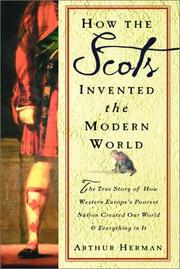
Scottish Enlightenment as the source of modern commercial and economic thinking
Recommended by: Charlie Munger, Mohnish Pabrai
How experts, capital and land were arranged in modern Egypt.

How informal credit, trust networks and trade finance work when the banking system does not.
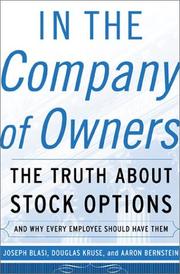
Broad-based stock options and what they did to company performance.

A writer who moved to Italy in 1999 on its courts, bureaucracy and darker side.

How returning land in Transylvania after communism created property rights.
Falling birth rates worldwide, and countries from Italy to Japan starting to shrink.

Why economic reform in the Middle East reshuffled privilege rather than ending it.
The NCEO's evidence on when shared ownership raises performance.
How the integrated investment bank extracts its economics from clients.

Cocoa supply chain and child labour behind confectionery majors.
Business-press account of supplier and wage pressure.

Edited volume on the supply chain and logistics model.

Elster on mechanisms rather than laws in the social sciences
Recommended by: Mohnish Pabrai, Nassim Nicholas Taleb
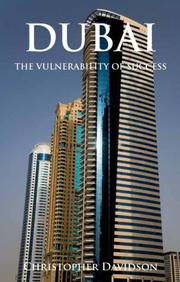
The emirate's development model and its structural dependencies.
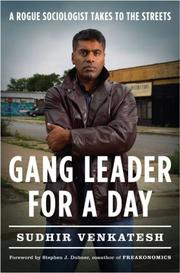
Sociologist embedded with a gang; an informal economy's incentive structure
Recommended by: Mohnish Pabrai, Mark Zuckerberg
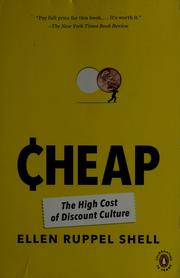
The economic, political and personal costs of making and buying everything cheaply.
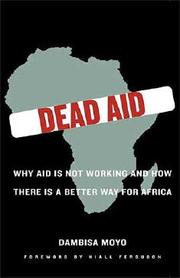
Polemical, but the case for bond-market financing over aid is argued in investor terms.

What Starbucks sells besides coffee, from visits to hundreds of its stores.

Saudi Arabia's oil wealth, religious establishment and attempts at reform.
Foreign investment, labour and the costs of the transition, told critically.
Labor historian on Walmart as a new template for capitalism.

How Wal-Mart's culture and labour model were built.

The developer-banker-politician network that inflated the property bubble.

The migrant districts on the edges of growing cities, where rural people move to.

How free tap water became bottled water, one of the most profitable products sold.

How Dubai became a centre for business and luxury, and the migrant labour beneath it.

The global co-operative sector and how member ownership works.
Ageing as a global economic and political force, country by country.
Vietnam's rapid change under Party control, state firms and the doi moi reforms.

Dubai governed openly as a company, and what that means for those who invest there.
Sceptical audit of what microfinance evidence actually supports.

How tobacco chemists engineered cigarettes, drawn from the industry's own documents.

The society and politics a foreign investor in Samsung is buying into.
Gladwell on underdogs and mistaken assumptions about advantage
“…books I've recommended, highlighted to death, or forced on friends.” — Andrew Wilkinson
Source: Andrew Wilkinson's Bookshelf, neverenough.com
Recommended by: Andrew Wilkinson, Mohnish Pabrai and 1 other

The empire after the phone-hacking scandal.

Why incumbent power in states, firms and armies now erodes faster
Recommended by: Mark Zuckerberg

Fertility decline argued as an economic rather than a moral problem.

African American co-operative economics, a history largely written out.

How Star Wars merchandise came to outgrow the films that created it.

Indonesia's contradictions, and what its decentralised state means for business.
Why Costco, Trader Joe's and QuikTrip pay more and still undercut rivals.

Commodity desks at banks and funds after the 2008 boom.

Dhaka's garment industry from Rana Plaza back through its supply chain.

How Chinese private champions including Alibaba actually built scale.
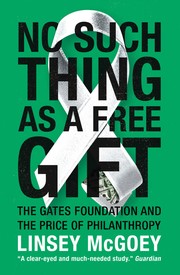
A critique of the Gates Foundation and the rise of philanthrocapitalism.

Greece's crisis seen in its villages and streets: tax evasion and informal work.
The critical case: platform power, housing supply and regulatory arbitrage.

A sociologist trains as a wealth manager to show how fortunes are shielded offshore.

How oil rebuilt Kuwait City and how land deals made its merchant fortunes.

Data economics of the shift from studios to streamers.
A worker's guide to the gig economy and how platforms price labour.
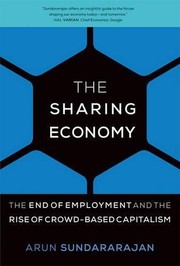
Economics of trust and matching that make marketplaces like Airbnb work.
Concentration of wealth, land and market power among a few families.

Southeast Asia's politics and conflicts, seen by a mediator at the negotiating table.

How Rudy Kurniawan faked rare Burgundy wines, and how he was caught.

What older consumers want and buy, against the stereotypes firms design for.

McKinsey survey of operating companies; Ghana appears among the consumer-market cases.

Reporting on the culture that produced Uber's 2017 crisis.
Recommended by: Aaron Levie, Aileen Lee, Arianna Huffington and 3 others

The revival of co-operatives and member ownership, online platforms included.

The insecure jobs and falling mobility behind Germany's export success.


The gig economy's promises and realities, and the law on classifying its workers.

Network science on how success and reputation compound unequally
Recommended by: Nassim Nicholas Taleb, Vinod Khosla

How deeply the two economies are now integrated.

The rise of the mega-galleries and the money in the contemporary art market.

How a dozen countries respond as people over 65 come to outnumber small children.
A framework for post-communist regimes, built on the Hungarian case.

How population change and migration made and unmade nations over two centuries.

By an early mentor and investor who turned against the company.
Recommended by: Marc Benioff
Wealth, land and conservation in the American West.
Recommended by: Matt Mullenweg

How a West Virginia town of 382 people got 12 million opioid pills in three years.

Foxconn from the inside; the labour cost of the contract model.

Concentration traced sector by sector through its effects on customers.

Why multi-level marketing's economics need constant recruitment to survive.

Argument that rich societies have stagnated into repetition and sterility
Recommended by: Peter Thiel

Insider memoir by the engineer whose blog post triggered the reckoning.

A political demographer on what the numbers do and do not determine.

How intermediaries capture creative-work rents; the bear case for creators.

An investigative case against the power of the Gates Foundation.

The social traits that the authors argue sustain Israel's success.

How ownership of American agriculture came to sit with a few families and firms.
A lawyer's memoir of fighting wrongful convictions, such as Walter McMillian's.
Recommended by: Barack Obama, Kathryn Minshew and 2 others




Recommended by: Nat Eliason, Patrick Collison, Ed Cooke


Essays on farm life in Maine, written after leaving New York City.
Recommended by: Ann Handley


A guide to learning more than one language, focused on Europe's languages.
Recommended by: Eric Weinstein, Tim Ferriss



Recommended by: Patrick Collison
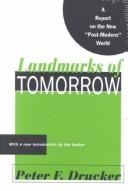

Recommended by: Paul Graham
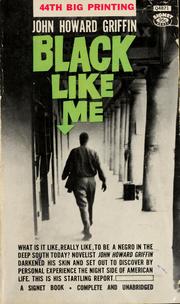

Recommended by: Balaji S. Srinivasan

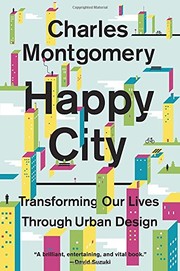
How cities developed, from Egypt and Mesopotamia through Greece and Rome to today.
Recommended by: Keith Rabois, Patrick Collison



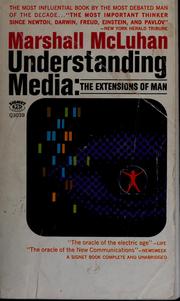
Recommended by: Patrick Collison, David Perell
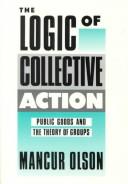
Recommended by: Nat Eliason

Recommended by: Audrey Gelman, Kara Swisher
Following Ken Kesey and the Merry Pranksters through the 1960s counterculture.
Recommended by: Stewart Brand, Tim O’Reilly


Four breaks with the postwar world, from a global economy to knowledge as capital.
Recommended by: Patrick Collison

Recommended by: Patrick Collison

Recommended by: Patrick Collison

Recommended by: Ryan Holiday, Balaji S. Srinivasan

Recommended by: Ramit Sethi, Sahil Lavingia
Recommended by: Mohnish Pabrai

Freud, Marx and Lévi-Strauss as cases of the Jewish struggle with Gentile civility.
Recommended by: Marc Andreessen


Recommended by: Mohnish Pabrai
How employee pension funds came to own a controlling share of American industry.


Recommended by: Mohnish Pabrai

Recommended by: Bret Victor

Recommended by: Marc Andreessen

Recommended by: Antonio García Martínez

Recommended by: Patrick Collison

How the move from oral cultures to writing changed thought, personality and society.
Recommended by: Patrick Collison
Recommended by: Patrick Collison



Recommended by: Patrick Collison
Recommended by: Patrick Collison

How media in democracies serve state and corporate power while claiming independence.
Recommended by: Eric Weinstein


Recommended by: Jim Collins, Brian Grazer

How communities manage shared resources without either the state or the market.
Recommended by: Patrick Collison, Stewart Brand

Recommended by: Mohnish Pabrai

Recommended by: Patrick Collison, Audrey Gelman and 1 other


Recommended by: Patrick Collison

The cultural rift between America and Japan, through people working across it.

Recommended by: Mohnish Pabrai

How a culture hands its judgement to machines, statistics and technical experts.
Recommended by: Patrick Collison, Tristan Harris


Essays on 'social ecology': how societies and institutions change, Japan included.


Buildings as processes that change after they are built, and how to design for it.
Recommended by: Stewart Brand, Caterina Fake, Daniel Burka and 3 others

Recommended by: Graham Duncan, Ray Dalio
Recommended by: Eric Weinstein

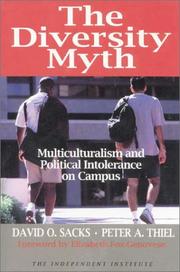
Subtitled 'Multiculturalism and Political Intolerance on Campus'

Recommended by: Keith Rabois, Marc Andreessen


Recommended by: Mohnish Pabrai
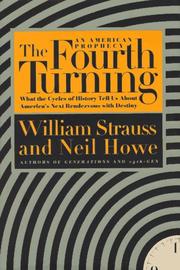
American history as a repeating cycle of four generational turnings, each 20 years.
Recommended by: Balaji S. Srinivasan, Mohnish Pabrai and 3 others
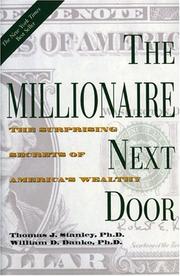
Survey research showing most American millionaires live modestly and save hard.
Recommended by: Mohnish Pabrai, Andrew Lokenauth and 2 others


Recommended by: Mohnish Pabrai

Comic essays on a life from a Raleigh childhood to drink- and drug-filled college.
Recommended by: Sophie Bakalar


Recommended by: Mohnish Pabrai

Recommended by: Mohnish Pabrai

An analysis of Nike's brand-marketing machine at its peak, built on the swoosh.

Reading the built landscape; observation trained as a research habit
“Professor John Stilgoe at Harvard is trying to teach it and wrote an interesting book recently entitled "Outside Lies Magic” — Nick Sleep
Source: Nomad Investment Partnership, Annual Letter for the period ended December 31st, 2005, p. 76
Recommended by: Nick Sleep

Recommended by: Patrick Collison
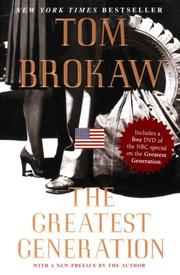


Cognitive therapy applied to the thinking behind anger, hostility and violence.
Recommended by: Mohnish Pabrai

Recommended by: Mohnish Pabrai
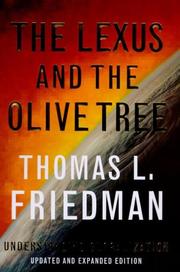
Globalization as the new international system, seen from Amazon farms to Wall Street.
Recommended by: Mohnish Pabrai


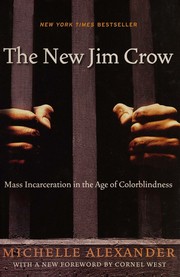
Recommended by: Bill Gates, Mark Zuckerberg, Sahil Lavingia

Recommended by: Ev Williams
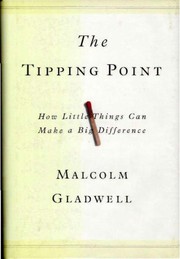
How ideas and behaviour spread like epidemics, and the three factors that tip them.
Recommended by: Mohnish Pabrai, Tony Hsieh, Ev Williams and 2 others
How the internet let amateurs topple old professions such as lawyers and stock gurus.

Recommended by: Mohnish Pabrai

Common knowledge and coordination; why rituals and advertising work
Recommended by: Mark Zuckerberg


Why foreign aid, investment and other remedies failed to make tropical nations rich.
Recommended by: Mohnish Pabrai
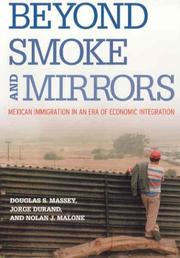

Recommended by: Mohnish Pabrai
Recommended by: Mohnish Pabrai

Selections on community and society
Recommended by: Patrick Collison

Recommended by: Mohnish Pabrai

Recommended by: Satya Nadella
Recommended by: Mohnish Pabrai


Recommended by: Ev Williams
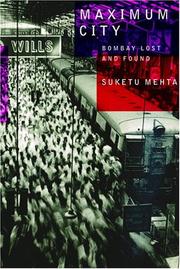
Recommended by: Mohnish Pabrai

Recommended by: Noah Kagan

The Dukes v. Wal-Mart sex discrimination litigation.

Where the worry about others' judgement of us comes from, and how people overcome it.
Recommended by: Andrew Wilkinson, Garry Tan

Recommended by: Mohnish Pabrai, Patrick Collison

How companies can serve the world's poor profitably and reduce poverty in doing so.
Recommended by: Mohnish Pabrai
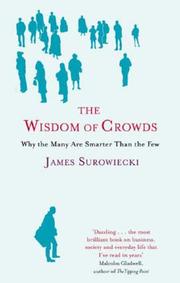
When groups judge better than experts, and the four conditions that make it work.
“Jim Surowiecki deftly articulated this line of thinking in his delightful book, The Wisdom of Crowds.” — Michael Mauboussin
Source: Contrarian Investing: The Psychology of Going Against the Crowd (Legg Mason Capital Management)
Recommended by: Michael Mauboussin, Mohnish Pabrai and 3 others

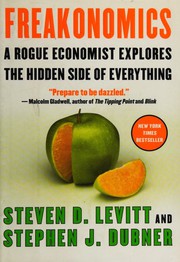
Incentives and data applied to cheating teachers, sumo wrestlers and other puzzles.
Recommended by: Mohnish Pabrai, Andrew Lokenauth and 6 others
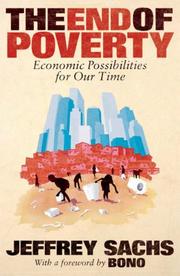
Recommended by: Mohnish Pabrai, Bill Gates

Inside a community of men perfecting seduction techniques, and one man's doubts.
Recommended by: Ryan Holiday, Nat Eliason
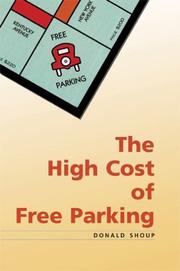
How free parking costs society, and why parking should be priced and deregulated.
Recommended by: Bill Gurley
Recommended by: Mohnish Pabrai, Patrick Collison

Recommended by: Balaji S. Srinivasan


“his book An Engine Not a Camera (which I would highly recommend if you are interested in these topics)” — Michael Mauboussin
Source: The Wisdom and Whims of the Collective (Legg Mason Capital Management)
Recommended by: Michael Mauboussin

Recommended by: Patrick Collison
Recommended by: Patrick Collison

Recommended by: Patrick Collison


A boy from a poor, broken home discovers football and rises to the NFL.
Recommended by: Ev Williams

Recommended by: Richard Branson
Recommended by: Patrick Collison, Paul Graham, Sam Altman
Recommended by: Patrick Collison, Mike Maples, Jr.
Recommended by: Patrick Collison, Frank Blake

Recommended by: Mohnish Pabrai

A history of the NBC broadcast network, which Comcast bought in 2011.

France's maps, migrations, languages and tribal disputes, from 1789 to 1914.
Recommended by: Mohnish Pabrai, Tyler Cowen


Academic study of the bottling and distribution system abroad.

Recommended by: Jack Ma, John Maeda, Ryan Holiday

How timing, culture and accumulated advantage explain exceptional success.
Recommended by: Mohnish Pabrai, Tony Hsieh, Bill Gates and 6 others

Recommended by: Mohnish Pabrai

Recommended by: Mohnish Pabrai

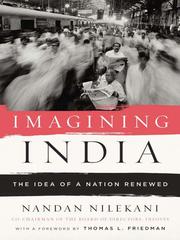
Recommended by: Mohnish Pabrai

Recommended by: Marc Andreessen

Nine people in India, among them a monk and a Jain nun, and how they live faith.
Recommended by: Mohnish Pabrai

A novel: 17 super-rich Americans, Warren Buffett among them, unite to fix government.
Recommended by: Mohnish Pabrai

Ten essays on China's economic and political change and what it means for America.
Recommended by: Patrick Collison
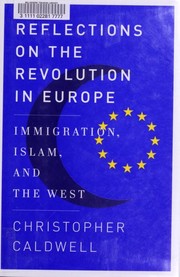
How mass immigration and Islam changed Europe without forming a melting pot.
Recommended by: Patrick Collison

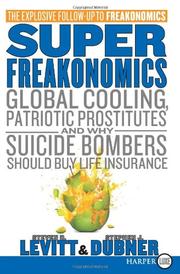
Sequel applying incentive analysis to climate, crime and altruism
“I recommend this book to anyone who reads nonfiction. It is very well written and full of great insights.” — Bill Gates
Source: Gates Notes review of SuperFreakonomics
Recommended by: Bill Gates, Mohnish Pabrai

A memoir of moving from international banking to founding Acumen, an impact investor.
Recommended by: Mohnish Pabrai

Recommended by: Andrew Wilkinson

Recommended by: Mohnish Pabrai
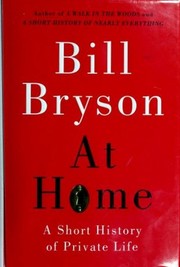
Recommended by: Andrew Wilkinson, Mohnish Pabrai and 1 other


Recommended by: Patrick Collison
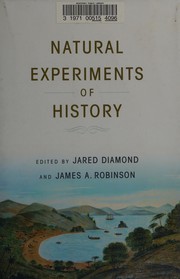
Recommended by: Mohnish Pabrai

The long-run trends set to reshape economies and markets over the coming decades.


Longitudinal academic study of Boeing employees through restructuring.

Recommended by: Mohnish Pabrai


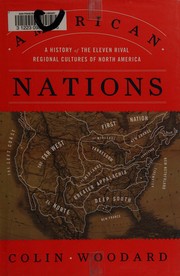
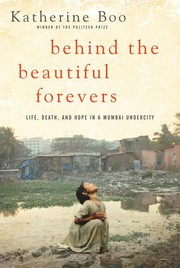
Recommended by: Bill Gates, Mohnish Pabrai, Nick Thompson

West African cocoa economics for a buyer of the crop.

Debt came before money and barter, and its history is one of forgiveness and revolt.
Recommended by: Patrick Collison

Recommended by: Mohnish Pabrai


Recommended by: Patrick Collison, Diana Kimball
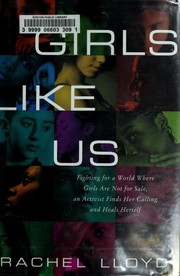


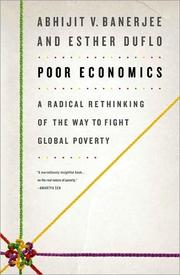
Recommended by: Bill Gates, Mohnish Pabrai

Recommended by: Mohnish Pabrai
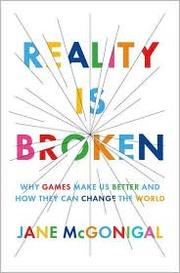
How the problem-solving and teamwork of games could solve real-world problems.
Recommended by: Mohnish Pabrai

Recommended by: Bill Gates

How the internet changed politics and economies in Iran, Estonia, Korea and Senegal.
Recommended by: Patrick Collison, Balaji S. Srinivasan

Recommended by: Mohnish Pabrai
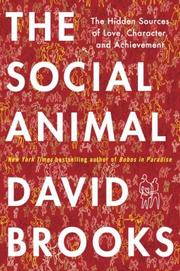
Recommended by: Mohnish Pabrai
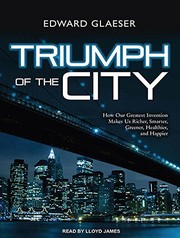
How dense cities make people more productive, inventive and green.
“on the central role cities play in our world and why it's so important for us to build them” — Marc Andreessen
Source: @pmarca, companion thread to 'It's Time to Build'
Recommended by: Marc Andreessen, Mohnish Pabrai and 2 others


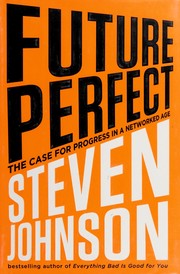
Recommended by: Patrick Collison, Ev Williams

Recommended by: Ali Abdaal, Nat Eliason
Recommended by: Patrick Collison

Recommended by: Mohnish Pabrai

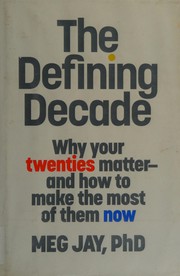
Why the twenties matter, against the hype that trivialises that decade of life.
Recommended by: Nat Eliason, John Doerr


Recommended by: Mohnish Pabrai, Patrick Collison
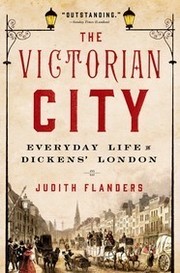
Recommended by: Mohnish Pabrai

Recommended by: Mohnish Pabrai
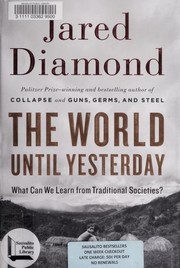
Recommended by: Bill Gates, Mohnish Pabrai

Weak securities enforcement and what it costs minority shareholders.

Recommended by: Mohnish Pabrai


Recommended by: Patrick Collison

Recommended by: Mohnish Pabrai
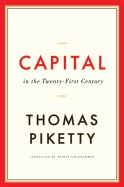
The long-run dynamics of wealth and inequality, and why capital concentrates.
Recommended by: Bill Gates, Mohnish Pabrai, Satya Nadella

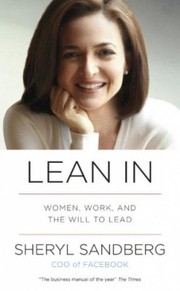
Why few women reach senior roles, and what women and firms can do about it.
Recommended by: Mohnish Pabrai, Richard Branson and 3 others
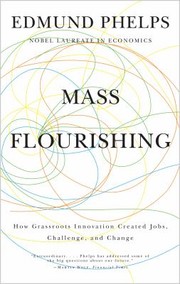
Recommended by: Patrick Collison
Recommended by: Naval Ravikant

How entrepreneurs and tech investors are building companies in the Middle East.
Recommended by: Andrew Chen, Brad Feld
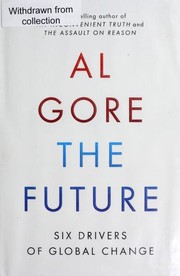

Recommended by: Patrick Collison


Recommended by: Mohnish Pabrai

Recommended by: Mohnish Pabrai


Recommended by: Andrew Wilkinson

Recommended by: Mohnish Pabrai
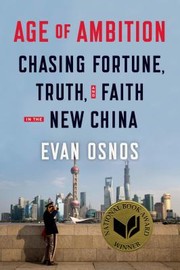
Recommended by: Nick Crocker, Patrick Collison

Recommended by: Mohnish Pabrai

Recommended by: Mohnish Pabrai

Recommended by: Mohnish Pabrai, Nat Eliason

Essays on carnival hokum, magical thinking and Washington's cult of expertise.
Recommended by: Patrick Collison

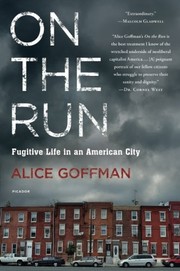
How drug-war policing made a poor Philadelphia neighbourhood a surveillance state.
Recommended by: Alex Blumberg

“there's a wonderful book on this topic called Sacred Cows: The Truth About Divorce and Marriage. I recommend checking it out if you find yourself thinking about this.” — Andrew Wilkinson
Source: Essay
Recommended by: Andrew Wilkinson

Recommended by: Reid Hoffman

Journalistic, but the Denmark chapters on debt, tax and the flexicurity bargain are substantive.


How to make sense of the daily torrent of news, and what it does to our minds.
Recommended by: Andrew Wilkinson, Antonio García Martínez

Recommended by: Mohnish Pabrai
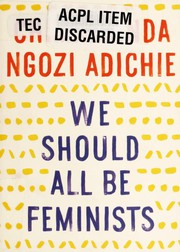
Recommended by: Ann Handley


A letter to the author's teenage son about living in a black body in America.
Recommended by: Barack Obama, Bob Iger, Jack Dorsey and 2 others

Recommended by: Mohnish Pabrai



How finding love, dating and relationships have changed from earlier generations.
Recommended by: Nat Eliason
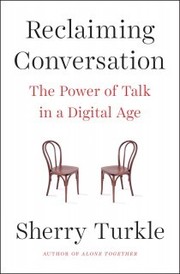
How fleeing face-to-face talk harms relationships and work, and how to reclaim it.
Recommended by: Arianna Huffington

Portraits of people living lives of extreme ethical commitment to helping strangers.
Recommended by: Patrick Collison, Nick Thompson

Recommended by: Mohnish Pabrai

Recommended by: Jason Fried

Recommended by: Patrick O'Shaughnessy


Recommended by: Arianna Huffington
Recommended by: Bill Gates, Aileen Lee, Andrew Wilkinson and 3 others


Longer version of the same argument, aimed at American admirers of the model.
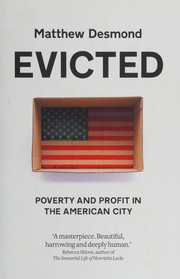
Eight Milwaukee families and two landlords through repeated evictions, 2008-09.
Recommended by: Bill Gates, Barack Obama, Emmett Shear and 3 others



Recommended by: Bill Gates, Jason Calacanis, Packy McCormick


Attracting women through honest self-development instead of pickup tactics.
Recommended by: Nat Eliason

Twenty-six imaginative maps of New York City and the lives lived within it.
Recommended by: Laura R Walker


Chance shapes success more than people think; what that means for fairer economies.
Recommended by: Mohnish Pabrai
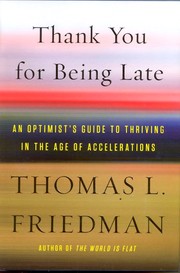
Recommended by: Patrick Collison


Recommended by: Patrick Collison


Popular and partisan, but the clearest short account of the Nordic bargain.


Recommended by: Zoë Foster Blake


How popularity in youth shapes development and still affects happiness and success.
Recommended by: Susan Cain


Recommended by: Patrick Collison

Recommended by: Antonio García Martínez
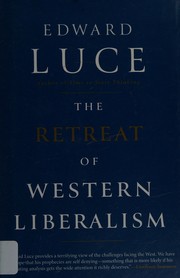
Recommended by: Antonio García Martínez

Recommended by: Marc Andreessen

Recommended by: Antonio García Martínez, Marc Andreessen
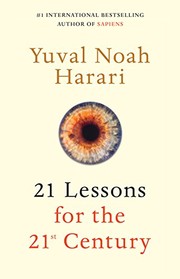
Twenty-one essays on today's challenges, from technology and politics to truth.
Recommended by: Bill Gates, Alfred Lin, Anna Cheng and 4 others


Recommended by: Danah Boyd


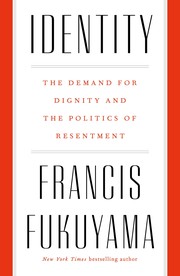

Cities as labour markets, and planning that works with land markets.
Recommended by: Alexis Ohanian, Emmett Shear and 1 other

Why key information failed to reach doctors in West Africa's Ebola epidemic.
Recommended by: Bill Gates

Recommended by: Bill Gates, Michael Bloomberg

How group identities drive politics at home and abroad, and how elites missed it.
Recommended by: Mark Cuban

Recommended by: Alexis Ohanian, Kathryn Minshew

Recommended by: Scott Farquhar

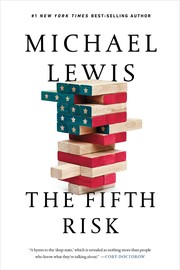

Reporting from five swing states on whether Trump's election was a fluke or a shift.
Recommended by: Donald Trump, Mark Cuban


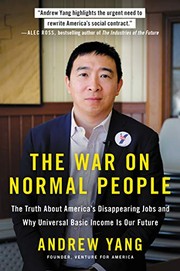
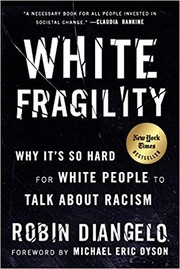
Recommended by: Alexis Ohanian, Ran Segall, Vlad Magdalin and 1 other


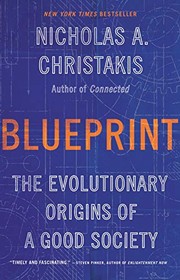

Recommended by: Andrew Wilkinson, Nat Eliason, Jack Dorsey
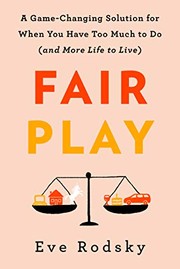


Recommended by: Bill Gates
Sociology of platform work across Uber and peers.


The geography and licensing limits of streaming television around the world.


Recommended by: Kara Swisher, Kathryn Minshew and 1 other
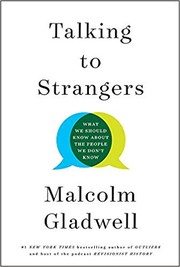
Recommended by: Melinda Gates, Patrick Bet-David and 1 other


Recommended by: Bill Gates, Reid Hoffman, Warren Buffett


Recommended by: Marc Andreessen


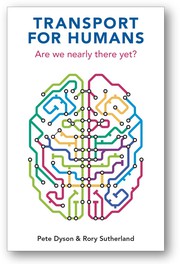
Insider memoir of the trading floor culture.

Step-by-step rules for hosting short, structured parties that build relationships.
Recommended by: Andrew Wilkinson, Austin Rief

Why the US-guarded trading order is ending, and what that means for supply chains.
Recommended by: Andrew Wilkinson


Recommended by: Ev Williams, Elon Musk, Julian Shapiro

Why family farms lose ground to consolidated ownership.

How information networks, from the Stone Age to AI, have made and unmade societies.
Recommended by: Andrew Wilkinson

Recommended by: Andrew Wilkinson

Recommended by: Andrew Wilkinson, Bill Gates and 1 other

Recommended by: Andrew Wilkinson








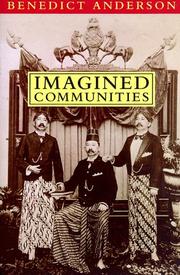
Recommended by: Mohnish Pabrai
Recommended by: Mohnish Pabrai
Recommended by: Mohnish Pabrai


History, spiritual teachers and nature on why community matters and how it forms.
Recommended by: Arianna Huffington
The emptying of America's mental hospitals, told through one mentally ill brother.
Recommended by: Balaji S. Srinivasan
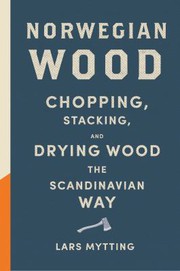
How to split, stack and season firewood and build a fire, the Scandinavian way.
Recommended by: Patrick O'Shaughnessy
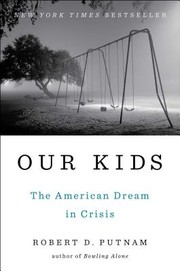
Why fewer American children now have a chance to move up as inequality widens.
Recommended by: Jeff Jordan

The gritty reality behind the hoop dreams of America's young basketball prodigies.
Recommended by: Jeff Jordan
Poverty around the world in its hopelessness, brutality, pride and fear.
Recommended by: Emmett Shear
Two satirical essays on class, status and race in America around 1970.
Recommended by: Marc Andreessen


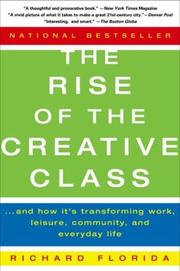



Recommended by: Patrick O'Shaughnessy


Recommended by: Matt Mullenweg
 Peter F. Druckerwrote 12 books here
 Michael Lewiswrote 5 books here
 Peter Thielwrote 1 book here
 Robert J. Shillerwrote 1 book here
 Bethany McLeanwrote 1 book here
 Chris Andersonwrote 1 book here
 Eric Schmidtwrote 1 book here
 Frederick Lewis Allenwrote 1 book here
 Gillian Tettwrote 1 book here
 Kevin Kellywrote 1 book here
Show all 27
 Niall Fergusonwrote 1 book here
 Reid Hoffmanwrote 1 book here
 Rory Sutherlandwrote 1 book here
 Tyler Cowenwrote 1 book here
 Astro Tellerwrote 1 book here
 Ezra Kleinwrote 1 book here
 Jacqueline Novogratzwrote 1 book here
 Jane McGonigalwrote 1 book here
 Melinda Gateswrote 1 book here
 Sheryl Sandbergwrote 1 book here
 Stewart Brandwrote 1 book here
 Tucker Maxwrote 1 book here
 Mohnish Pabrairecommends 104 books here
 Patrick Collisonrecommends 66 books here
 Bill Gatesrecommends 32 books here
 Marc Andreessenrecommends 14 books here
 Arianna Huffingtonrecommends 13 books here
 Balaji S. Srinivasanrecommends 13 books here
 Paul Grahamrecommends 10 books here
 Audrey Gelmanrecommends 10 books here
 Ev Williamsrecommends 10 books here
 Ryan Holidayrecommends 9 books here
Show all 146
 Eric Weinsteinrecommends 9 books here
 Kathryn Minshewrecommends 8 books hereStewart Brandrecommends 8 books here
 Zoë Foster Blakerecommends 8 books here
 Matt Mullenwegrecommends 7 books hereSheryl Sandbergrecommends 7 books here
 Tim Ferrissrecommends 7 books here
 Vinod Khoslarecommends 7 books here
 Antonio García Martínezrecommends 6 books here
 Richard Bransonrecommends 6 books here
 Brad Feldrecommends 5 books here
 Alfred Linrecommends 5 books here
 Keith Raboisrecommends 5 books here
 Mark Zuckerbergrecommends 5 books here
 Simon Sinekrecommends 4 books here
 Alexis Ohanianrecommends 4 books here
 Barack Obamarecommends 4 books here
 Emmett Shearrecommends 4 books hereMelinda Gatesrecommends 4 books here
 Michael Bloombergrecommends 4 books here
 Satya Nadellarecommends 4 books here
 Tristan Harrisrecommends 4 books here
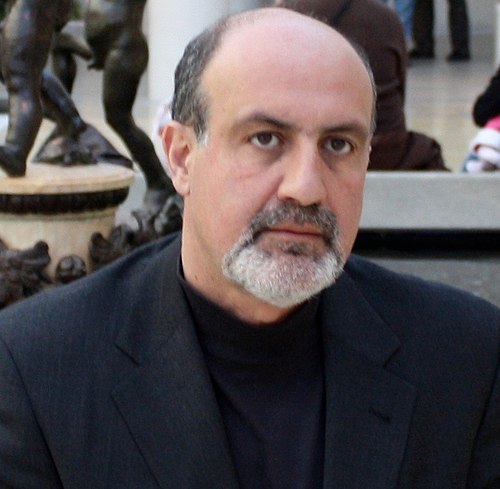 Nassim Nicholas Talebrecommends 3 books here
 Ray Daliorecommends 3 books here
 Warren Buffettrecommends 3 books here
 John Doerrrecommends 3 books hereReid Hoffmanrecommends 3 books here
 Aileen Leerecommends 3 books here
 Daniel Burkarecommends 3 books here
 Jack Dorseyrecommends 3 books here
 Kara Swisherrecommends 3 books here
 Kevin Roserecommends 3 books here
 Mark Cubanrecommends 3 books here
 Michelle Obamarecommends 3 books here
 Naval Ravikantrecommends 3 books here
 Nir Eyalrecommends 3 books here
 Tony Hsiehrecommends 3 books here
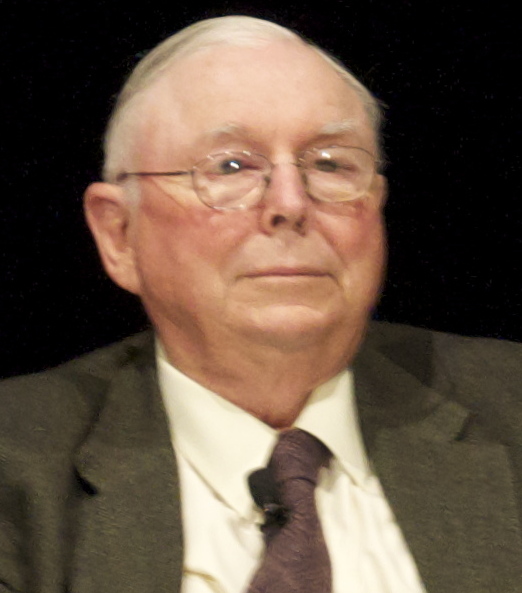 Charlie Mungerrecommends 2 books hereKevin Kellyrecommends 2 books here
 Bill Gurleyrecommends 2 books here
 Caterina Fakerecommends 2 books here
 Donald Trumprecommends 2 books here
 Garry Tanrecommends 2 books here
 James Altucherrecommends 2 books here
 Jamie Dimonrecommends 2 books here
 Jeff Jordanrecommends 2 books here
 Jessica Hischerecommends 2 books here
 Laura R Walkerrecommends 2 books here
 Sam Altmanrecommends 2 books here
 Susan Cainrecommends 2 books here
 Tim O’Reillyrecommends 2 books here
 Tony Robbinsrecommends 2 books here
 Ben Horowitzrecommends 1 book here
 Jim Collinsrecommends 1 book herePeter Thielrecommends 1 book here
 Marc Benioffrecommends 1 book here
 Seth Klarmanrecommends 1 book hereTyler Cowenrecommends 1 book here
 Guy Spierrecommends 1 book here
 Aaron Levierecommends 1 book here
 Alex Blumbergrecommends 1 book here
 Bertalan Meskórecommends 1 book here
 Bob Igerrecommends 1 book here
 Bret Victorrecommends 1 book here
 Brian Grazerrecommends 1 book here
 Chris Dixonrecommends 1 book here
 Chris Saccarecommends 1 book here
 Claire Diaz-Ortizrecommends 1 book here
 Cynthia Johnsonrecommends 1 book here
 Danah Boydrecommends 1 book here
 Daniel Ekrecommends 1 book here
 Ed Cookerecommends 1 book here
 Elon Muskrecommends 1 book here
 Evan Spiegelrecommends 1 book here
 Ginni Romettyrecommends 1 book here
 Graham Stephanrecommends 1 book here
 Jack Marecommends 1 book here
 Jason Calacanisrecommends 1 book here
 Jensen Huangrecommends 1 book here
 John Maedarecommends 1 book here
 Julia Galefrecommends 1 book here
 Julie Zhuorecommends 1 book here
 Meg Whitmanrecommends 1 book here
 Patrick Bet-Davidrecommends 1 book here
 Ramit Sethirecommends 1 book here
 Ruslan Koganrecommends 1 book here
 Scott Farquharrecommends 1 book here
 Susan J. Fowlerrecommends 1 book hereTucker Maxrecommends 1 book here