Cities and urban life
Holds books on how cities grow, work and fail, from Jane Jacobs and Lewis Mumford to Edward Glaeser, Jan Gehl and studies of single cities such as Bombay, Dubai and San Francisco.
Start here
- The Death and Life of Great American CitiesJane Jacobs, 1961
- The Economy of CitiesJane Jacobs, 1969
- Crabgrass FrontierKenneth T. Jackson, 1985
- The New Geography of JobsEnrico Moretti, 2012
- Arrival CityDoug Saunders, 2010
What makes city streets work, and how 1950s planning and slum clearance broke them.
Recommended by: Patrick Collison, Chris Dixon, Daniel Burka and 1 other
Cities, not farms, drive economic growth by adding new work to old.
How Americans chose separate suburban houses and how that shaped the country.
Why US cities have split apart in wages and jobs, and why innovation hubs pull ahead.
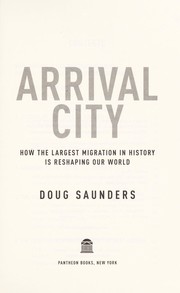
The migrant districts on the edges of growing cities, where rural people move to.
Dubai governed openly as a company, and what that means for those who invest there.
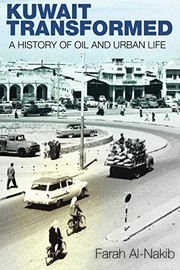
How oil rebuilt Kuwait City and how land deals made its merchant fortunes.

How cities developed, from Egypt and Mesopotamia through Greece and Rome to today.
Recommended by: Keith Rabois, Patrick Collison

Recommended by: Patrick Collison
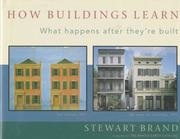
Buildings as processes that change after they are built, and how to design for it.
Recommended by: Stewart Brand, Caterina Fake, Daniel Burka and 3 others
Recommended by: Mohnish Pabrai
Reading the built landscape; observation trained as a research habit
“Professor John Stilgoe at Harvard is trying to teach it and wrote an interesting book recently entitled "Outside Lies Magic” — Nick Sleep
Source: Nomad Investment Partnership, Annual Letter for the period ended December 31st, 2005, p. 76
Recommended by: Nick Sleep
Recommended by: Mohnish Pabrai
How free parking costs society, and why parking should be priced and deregulated.
Recommended by: Bill Gurley
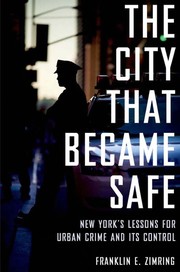
Recommended by: Bill Gates
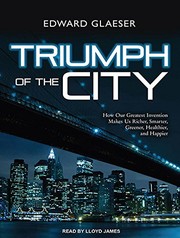
How dense cities make people more productive, inventive and green.
“on the central role cities play in our world and why it's so important for us to build them” — Marc Andreessen
Source: @pmarca, companion thread to 'It's Time to Build'
Recommended by: Marc Andreessen, Mohnish Pabrai and 2 others
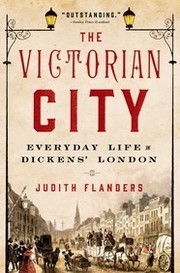
Recommended by: Mohnish Pabrai

Recommended by: Patrick Collison
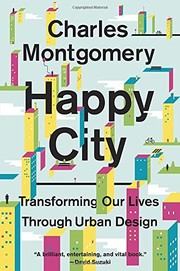
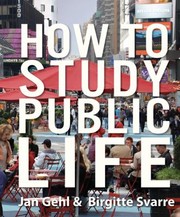
Recommended by: Mohnish Pabrai


Twenty-six imaginative maps of New York City and the lives lived within it.
Recommended by: Laura R Walker
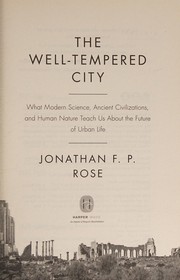
Recommended by: Patrick Collison
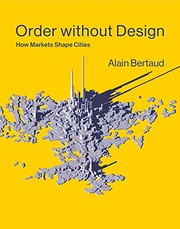
Cities as labour markets, and planning that works with land markets.
Recommended by: Alexis Ohanian, Emmett Shear and 1 other

 Patrick Collisonrecommends 8 books here
 Mohnish Pabrairecommends 5 books here
 Marc Andreessenrecommends 2 books here
 Daniel Burkarecommends 2 books here
 Stewart Brandrecommends 2 books here
 Nassim Nicholas Talebrecommends 1 book here
 Paul Grahamrecommends 1 book here
 Kevin Kellyrecommends 1 book here
 Alexis Ohanianrecommends 1 book here
 Bill Gatesrecommends 1 book here
 Bill Gurleyrecommends 1 book here
Show all 23
 Caterina Fakerecommends 1 book here
 Chris Dixonrecommends 1 book here
 Emmett Shearrecommends 1 book here
 Keith Raboisrecommends 1 book here
 Laura R Walkerrecommends 1 book here
 Matt Mullenwegrecommends 1 book here
 Sam Altmanrecommends 1 book here
 Tony Hsiehrecommends 1 book here