Cities, work, inequality and public policy
Books on urban economics, jobs and wages, inequality, taxation, education spending, pensions, immigration and the fiscal choices of governments.
Start here
- The Economy of CitiesJane Jacobs, 1969
- The Coming Generational StormLaurence J. Kotlikoff, Scott Burns, 2004
- The New Geography of JobsEnrico Moretti, 2012
- The Hidden Wealth of NationsGabriel Zucman, 2015
- Havens in a StormJ. C. Sharman, 2006
Cities, not farms, drive economic growth by adding new work to old.
US fiscal promises far exceed future revenue, which official debt figures hide.
Why US cities have split apart in wages and jobs, and why innovation hubs pull ahead.
How much wealth is hidden in tax havens, and how to tax it.
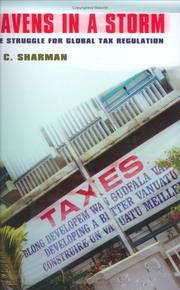
How small jurisdictions fought off the OECD's harmful tax competition drive.
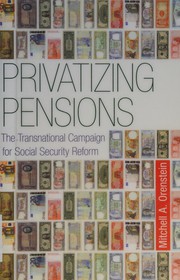
How Chile's AFP model was exported worldwide, and who profited.
Recommended by: Paul Graham
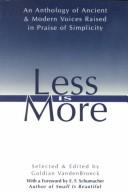

Recommended by: Mohnish Pabrai
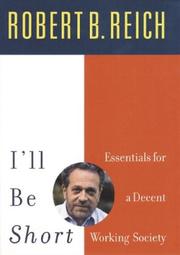
Recommended by: Mohnish Pabrai
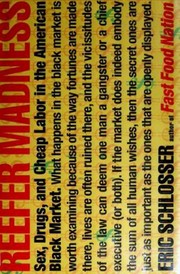
Recommended by: Mohnish Pabrai
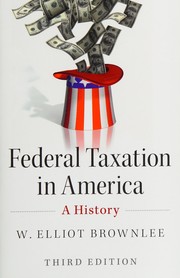
Recommended by: Paul Graham
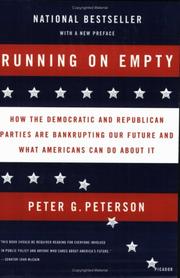
Recommended by: Mohnish Pabrai
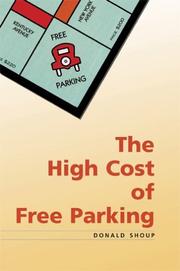
How free parking costs society, and why parking should be priced and deregulated.
Recommended by: Bill Gurley

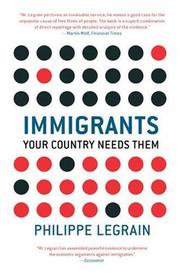
Recommended by: Patrick Collison
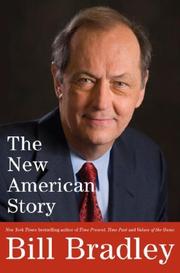
What US parties, politics and citizen activism must change to secure the future.
Recommended by: Meg Whitman
How schools and districts can save money while still serving students well.
Recommended by: Bill Gates
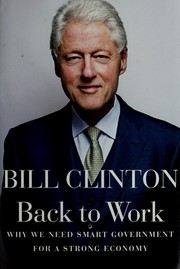
Recommended by: Mohnish Pabrai
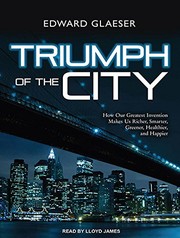
How dense cities make people more productive, inventive and green.
“on the central role cities play in our world and why it's so important for us to build them” — Marc Andreessen
Source: @pmarca, companion thread to 'It's Time to Build'
Recommended by: Marc Andreessen, Mohnish Pabrai and 2 others
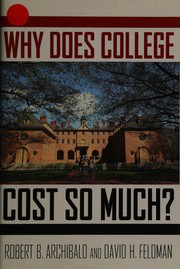
Recommended by: Bill Gates
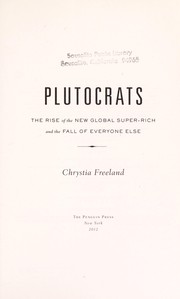
Recommended by: Mohnish Pabrai
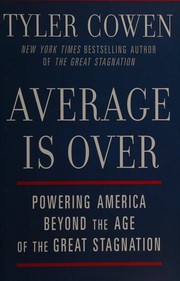
Work is splitting between those who work well with smart machines and the rest.
“Tyler Cowen... dedicates a chapter to freestyle chess in his terrific book, Average Is Over.” — Michael Mauboussin
Source: Lessons from Freestyle Chess: Merging Fundamental and Quantitative Analysis (Credit Suisse)
Recommended by: Michael Mauboussin, Ryan Holiday
Recommended by: Brad Feld
Recommended by: Mohnish Pabrai
Recommended by: Patrick Collison, Paul Graham
Recommended by: Daniel Petre, Matej Latin
Cities as labour markets, and planning that works with land markets.
Recommended by: Alexis Ohanian, Emmett Shear and 1 other
Recommended by: Bill Gates

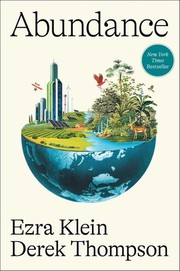
Why America lost the ability to build housing, energy and infrastructure.
Recommended by: Andrew Wilkinson, Bill Gates
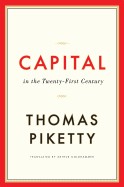
The long-run dynamics of wealth and inequality, and why capital concentrates.
Recommended by: Bill Gates, Mohnish Pabrai, Satya Nadella
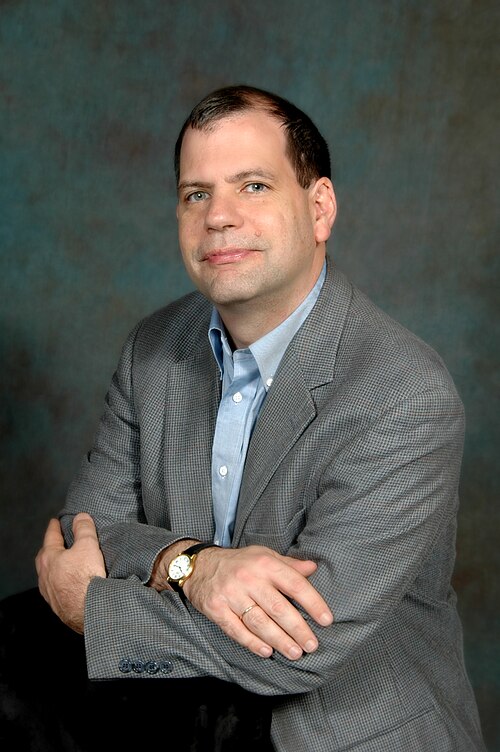 Tyler Cowenwrote 1 book here
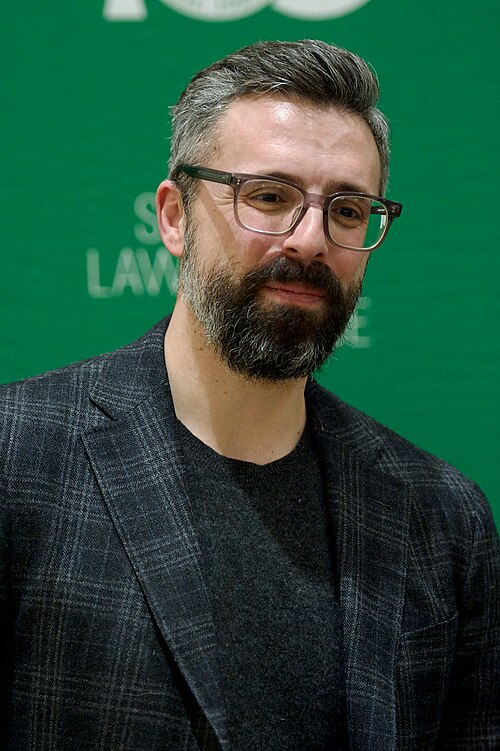 Ezra Kleinwrote 1 book here
 Mohnish Pabrairecommends 9 books here
 Bill Gatesrecommends 6 books here
 Paul Grahamrecommends 4 books here
 Patrick Collisonrecommends 2 books here
 Marc Andreessenrecommends 1 book here
 Nassim Nicholas Talebrecommends 1 book here
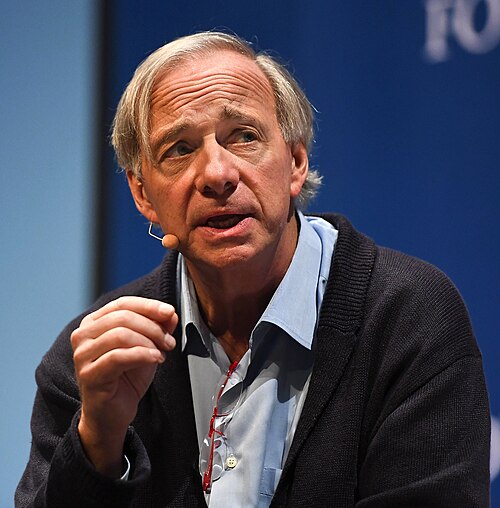 Ray Daliorecommends 1 book here
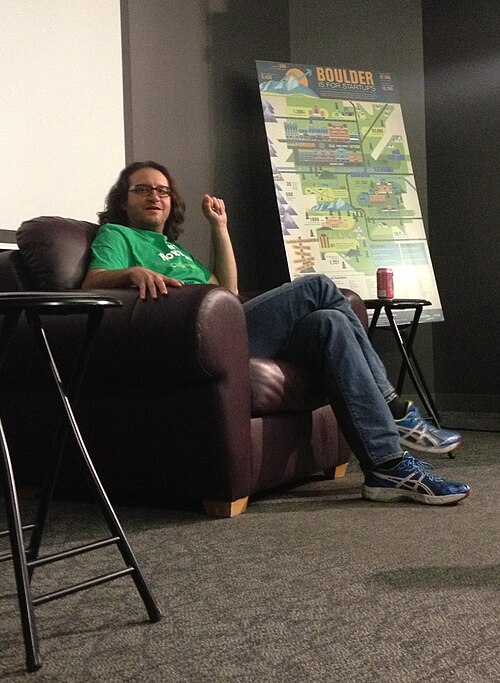 Brad Feldrecommends 1 book here
 Kevin Kellyrecommends 1 book here
 Ryan Holidayrecommends 1 book here
 Alexis Ohanianrecommends 1 book here
Show all 24
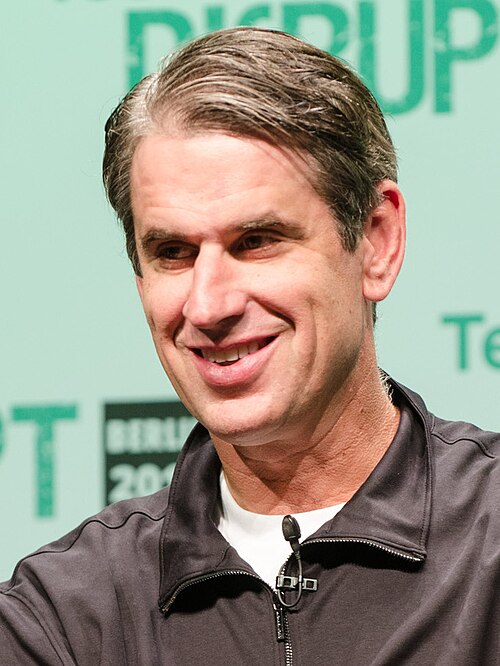 Bill Gurleyrecommends 1 book here
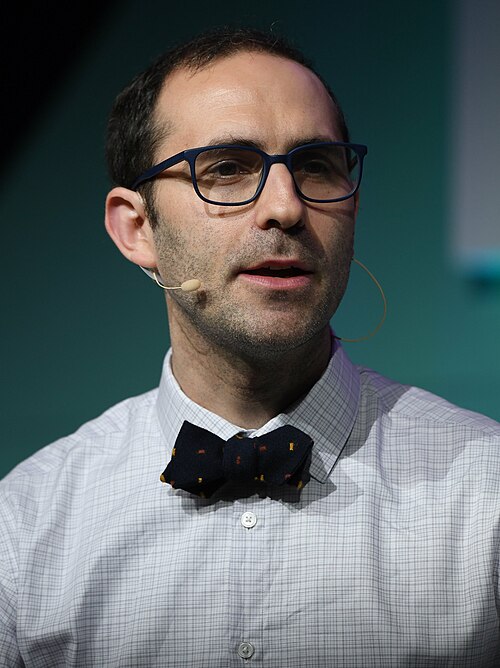 Emmett Shearrecommends 1 book here
 Meg Whitmanrecommends 1 book here
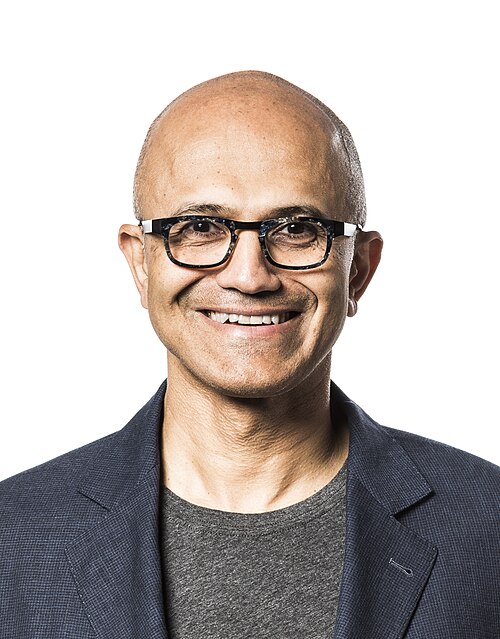 Satya Nadellarecommends 1 book here
 Stewart Brandrecommends 1 book here
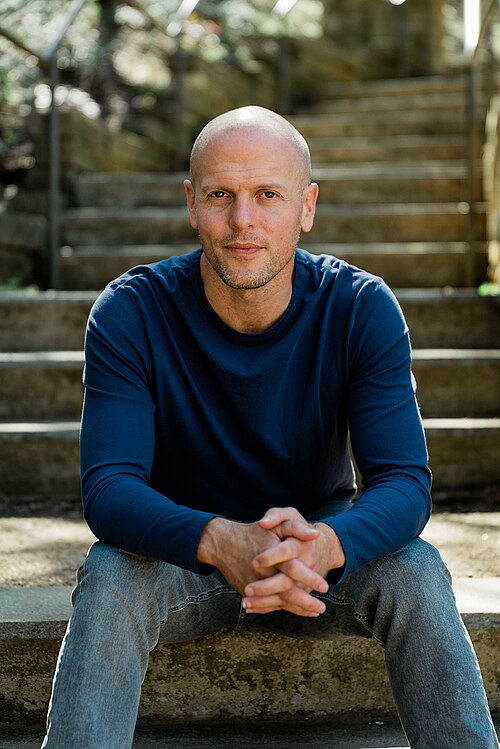 Tim Ferrissrecommends 1 book here
 Tony Hsiehrecommends 1 book here