
Education and Learning
Schools and universities as institutions, plus the science and practice of learning, teaching, deliberate practice and language acquisition. Read by teachers, parents, policy people and self-directed learners.
Start here
- MindsetCarol S. Dweck, 2006
- Creating a Learning Society: A New Approach to Growth, Development, and Social ProgressBruce Greenwald, Joseph E. Stiglitz, 2014
- The Coddling of the American MindGreg Lukianoff, Jonathan Haidt, 2018
- RangeDavid Epstein, 2019
- Thinking PhysicsLewis Carroll Epstein, 1979
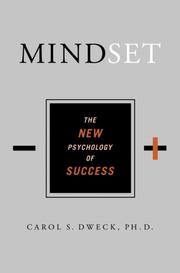
People who think ability grows with effort learn more than those who think it fixed.
“One of the reasons I loved Mindset is because it's solutions-oriented.” — Bill Gates
Source: Gates Notes review of Mindset
Recommended by: Bill Gates, Mohnish Pabrai, Alex and Books and 13 others
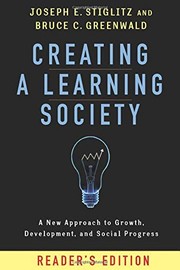
Living standards rise through learning, and how policy can make economies learn.
“For a wonderful book that builds on Arrow's research, see Joseph E. Stiglitz and Bruce C. Greenwald, Creating A Learning Society” — Michael Mauboussin
Recommended by: Michael Mauboussin
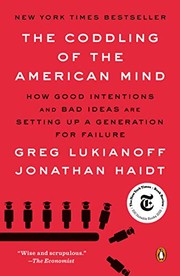
Three false beliefs taught to young Americans, and how they harm their minds.
Recommended by: Eric Weinstein, Julian Shapiro and 2 others
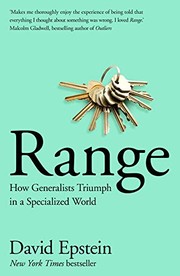
Early specialisation works only where rules are stable; elsewhere breadth wins.
Recommended by: Bill Gates, Abi Tyas Tunggal, Alex Lieberman and 11 others
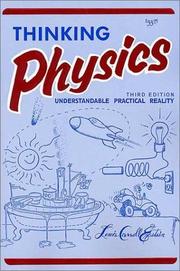
“There's another great book that's called Thinking Physics. I open this one all the time.” — Naval Ravikant
Source: The Knowledge Project (Farnam Street) — 'Naval Ravikant: The Angel Philosopher', full transcript
Recommended by: Naval Ravikant
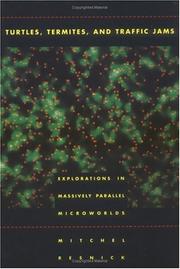
“The first challenge to the centralized mindset comes from a delightful book by MIT Professor Mitchel Resnick, "Turtles, Termites, and Traffic Jams.” — Michael Mauboussin
Source: The Invisible Lead Steer: New Answers to Old Questions About the Stock Market (CS First Boston)
Recommended by: Michael Mauboussin
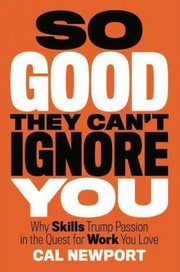
Career capital before passion; building rare and valuable skills
Recommended by: Nat Eliason, Alexis Ohanian, Jordan Hughes and 2 others
Technological learning and catch-up; the theory behind Ethiopia's industrial parks.
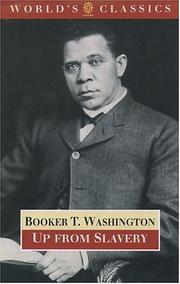
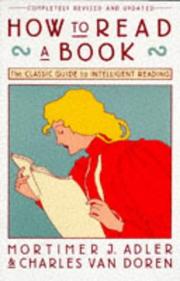
A method for reading hard books for understanding, not just information.
Recommended by: Mohnish Pabrai, Alex and Books and 3 others
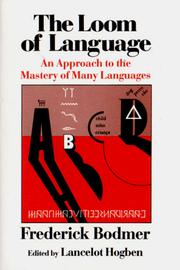
A guide to learning more than one language, focused on Europe's languages.
Recommended by: Eric Weinstein, Tim Ferriss
Recommended by: Mohnish Pabrai

Recommended by: Mohnish Pabrai

Recommended by: Eric Weinstein
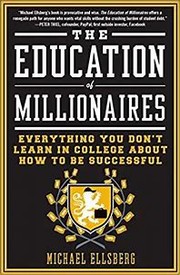
Recommended by: Peter Thiel
Recommended by: Naval Ravikant
Recommended by: Susan J. Fowler
Recommended by: Eric Weinstein
Recommended by: Patrick Collison
Recommended by: Patrick Collison

Recommended by: Patrick Collison
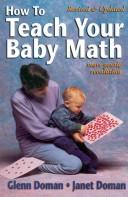
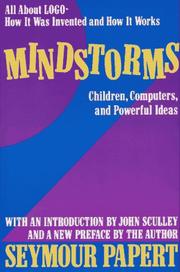
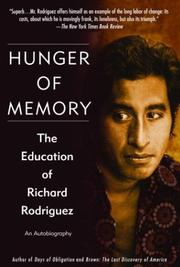

Recommended by: Patrick Collison
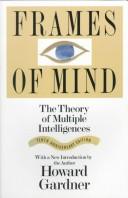

Recommended by: Patrick Collison
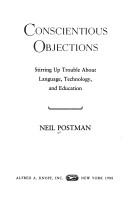
Recommended by: Patrick Collison
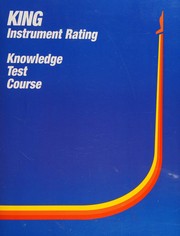
Recommended by: Patrick Collison
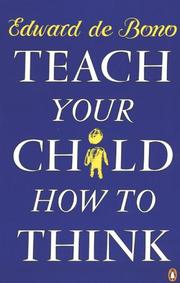
Recommended by: Ana Fabrega
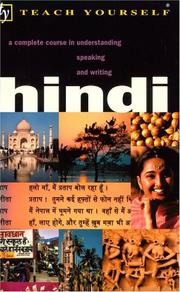

Recommended by: Patrick Collison
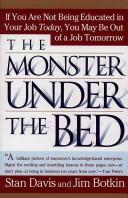
Recommended by: Mohnish Pabrai

Recommended by: Patrick Collison
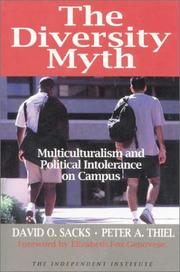
Subtitled 'Multiculturalism and Political Intolerance on Campus'
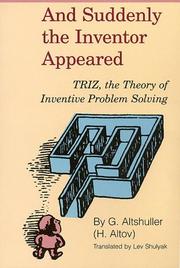
Recommended by: Patrick Collison
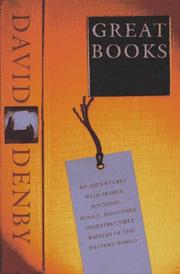
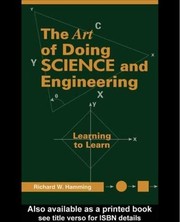
Recommended by: Patrick Collison, Bret Victor, Keith Rabois
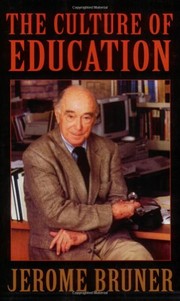
Recommended by: Patrick Collison
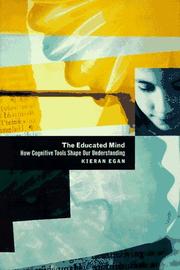
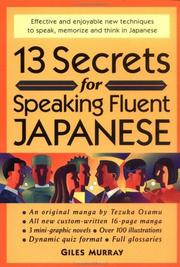
Recommended by: Tim Ferriss

Recommended by: Patrick Collison
A journalist learns memory techniques and wins the US Memory Championship.
Recommended by: Bill Gates, Mohnish Pabrai, Nat Eliason and 4 others
What a chess prodigy turned tai chi champion learned about learning itself.
Recommended by: Nat Eliason, Abi Tyas Tunggal, Guy Proops and 2 others
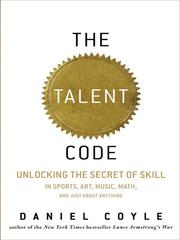
How talent is grown, not born, through a brain mechanism training can tap.
Recommended by: Mohnish Pabrai, Nat Eliason, David Cancel and 2 others
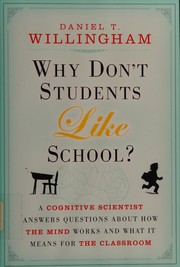
Recommended by: Bill Gates
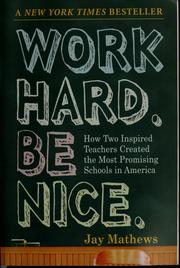

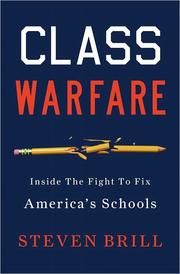
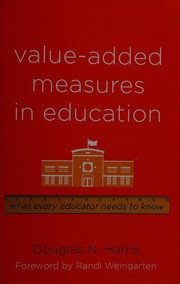
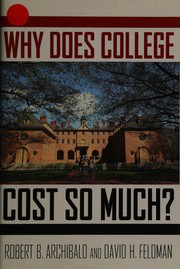
How schools and districts can save money while still serving students well.
Recommended by: Bill Gates
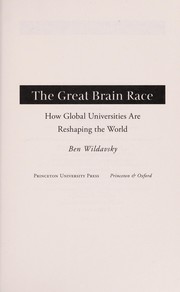
Recommended by: Mohnish Pabrai

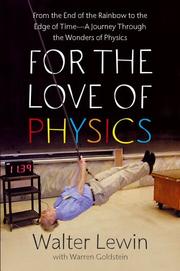
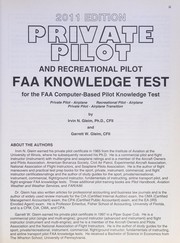
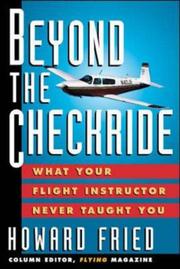
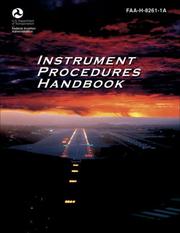
Study outlines and FAA questions for passing the private pilot knowledge test.
Recommended by: Patrick Collison
Recommended by: Bill Gates
Recommended by: Bill Gates
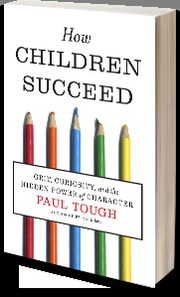
Recommended by: Mohnish Pabrai
Recommended by: Mohnish Pabrai
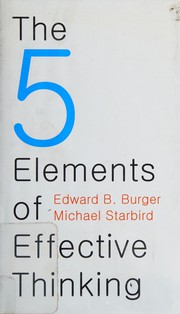
Recommended by: Ran Segall, Ryan Hoover
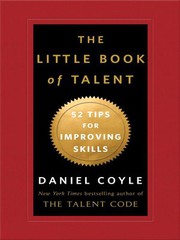
Field-tested tips for improving skills in sport, music, art, maths and business.
Recommended by: Nat Eliason, David Cancel
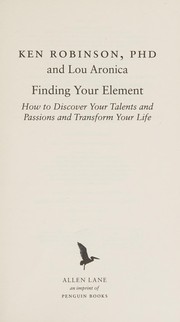
Recommended by: Tony Hsieh
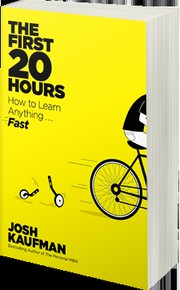
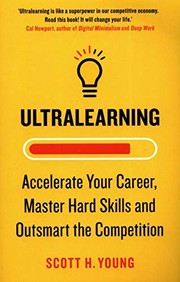
How to learn a new skill fast: break it down, practise well, remove barriers.
Recommended by: Nat Eliason, Justin Kan
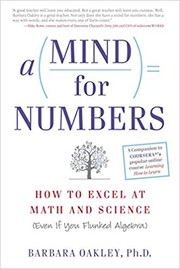
Recommended by: Mohnish Pabrai
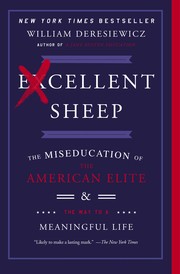
Recommended by: Mohnish Pabrai, Nat Eliason
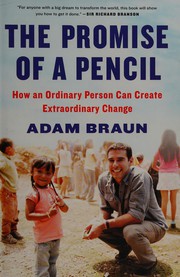
Recommended by: Jim Kwik, Richard Branson
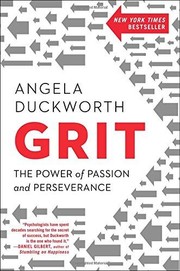
Recommended by: Albert Wenger, Anu Hariharan, Brené Brown and 3 others
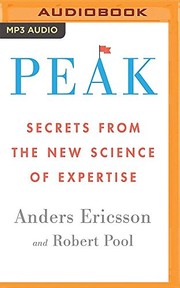
How experts in music, chess, medicine and sport excel through deliberate practice.
Recommended by: Nat Eliason
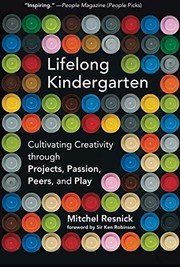
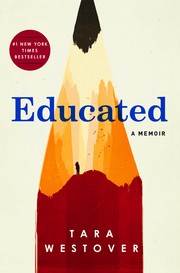
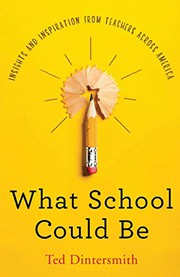
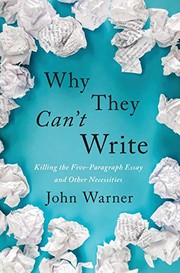
Recommended by: Arianna Huffington
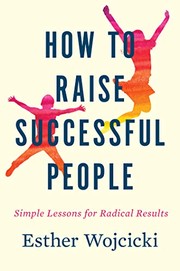
A teacher's methods for raising independent, successful children.
Recommended by: Ana Fabrega, Anne Wojcicki and 2 others
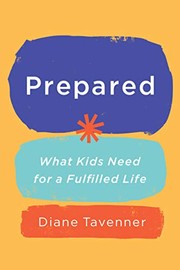
How parents can stop worrying about their children's future and help them prepare.
Recommended by: Bill Gates


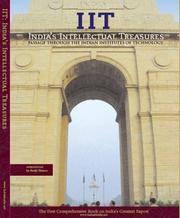
Recommended by: Mohnish Pabrai
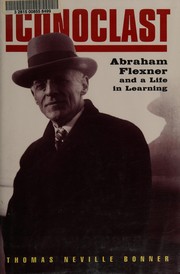
Recommended by: Mohnish Pabrai
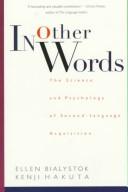
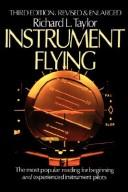
Recommended by: Tim Ferriss


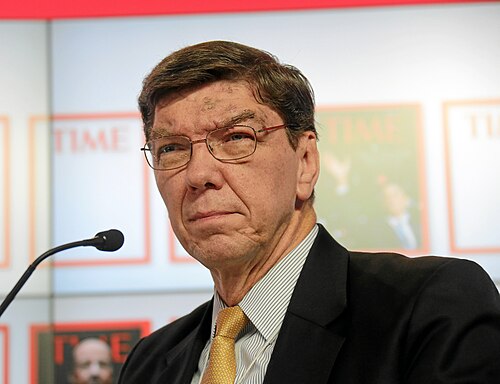 Clayton Christensenwrote 1 book here
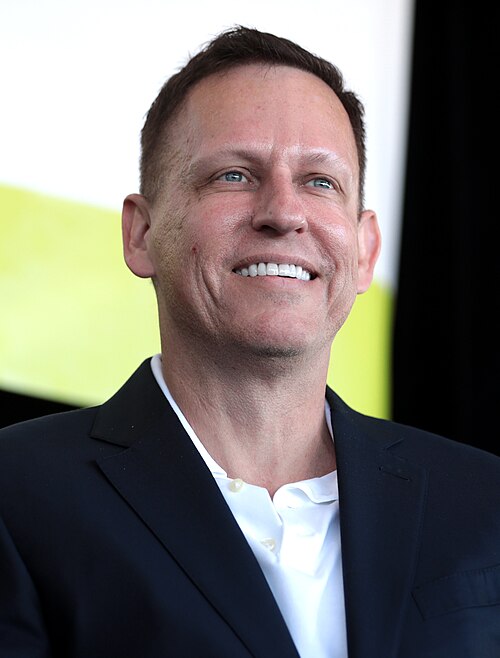 Peter Thielwrote 1 book here
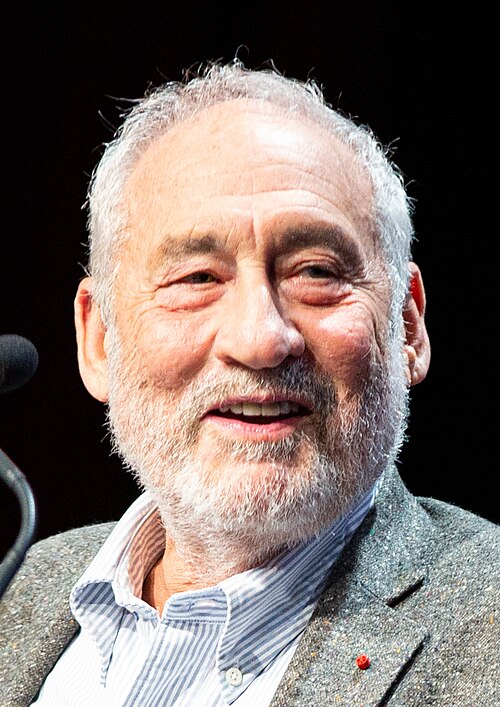 Joseph E. Stiglitzwrote 1 book here
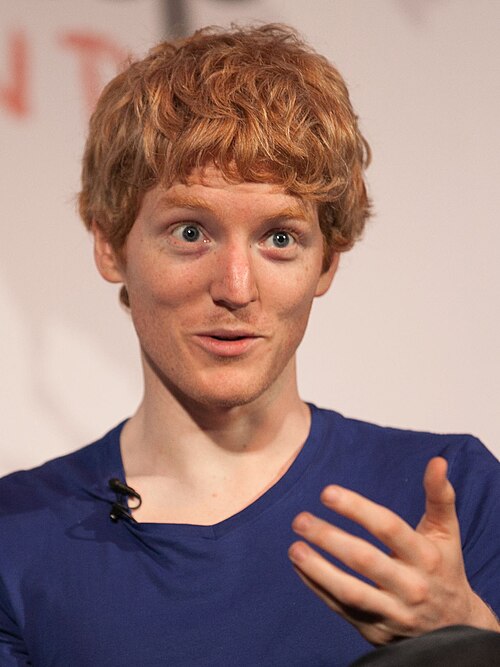 Patrick Collisonrecommends 31 books here
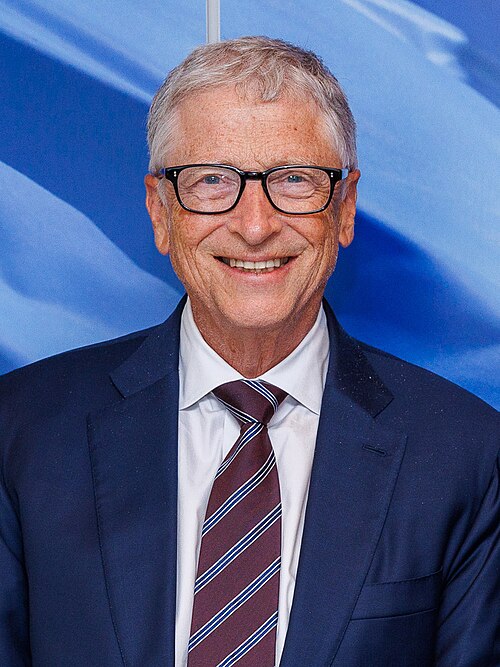 Bill Gatesrecommends 20 books here
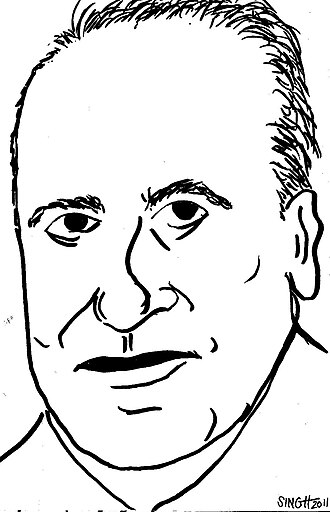 Mohnish Pabrairecommends 16 books here
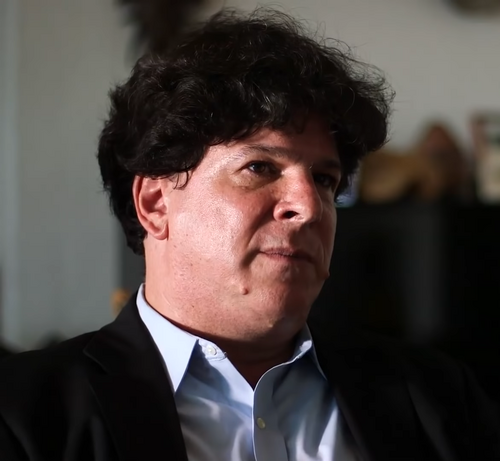 Eric Weinsteinrecommends 8 books here
 Tim Ferrissrecommends 7 books here
 Ryan Holidayrecommends 3 books here
 Naval Ravikantrecommends 3 books here
Show all 80
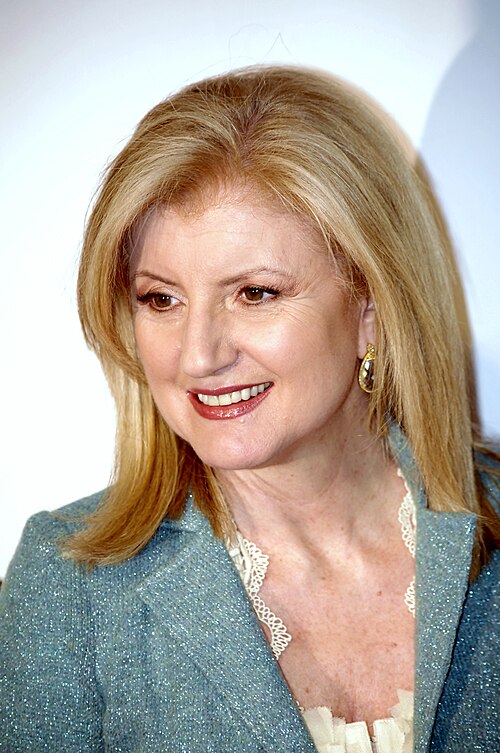 Arianna Huffingtonrecommends 2 books here
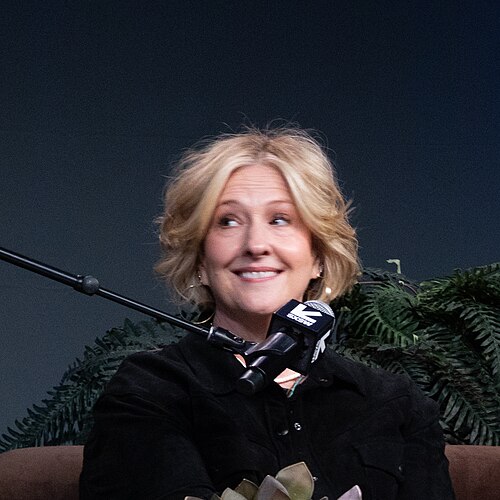 Brené Brownrecommends 2 books here
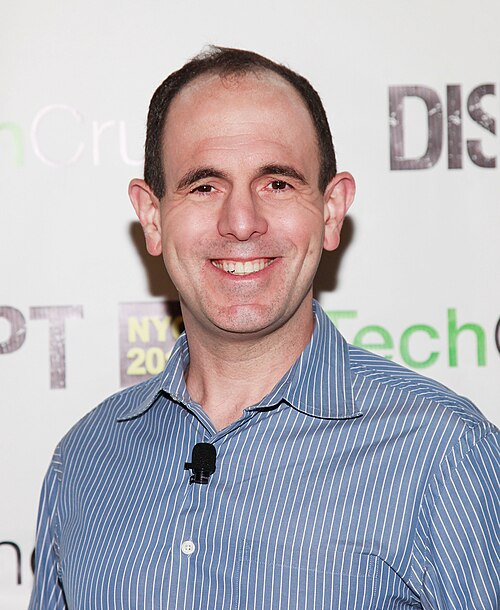 Keith Raboisrecommends 2 books here
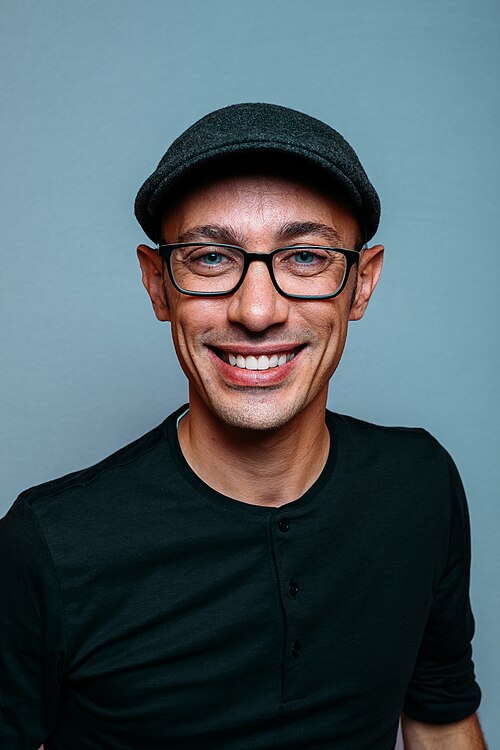 Tobi Lütkerecommends 2 books here
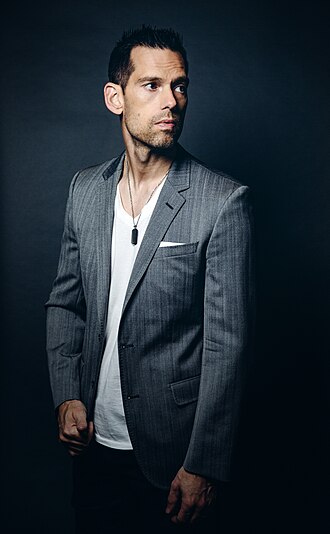 Tom Bilyeurecommends 2 books here
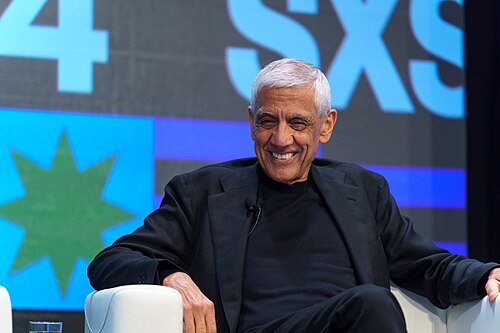 Vinod Khoslarecommends 2 books here
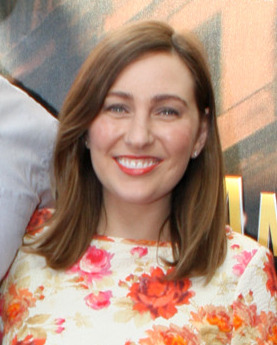 Zoë Foster Blakerecommends 2 books here
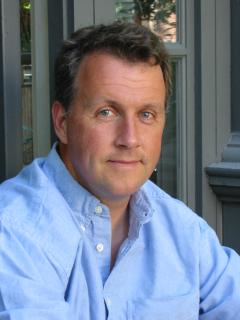 Paul Grahamrecommends 1 book herePeter Thielrecommends 1 book here
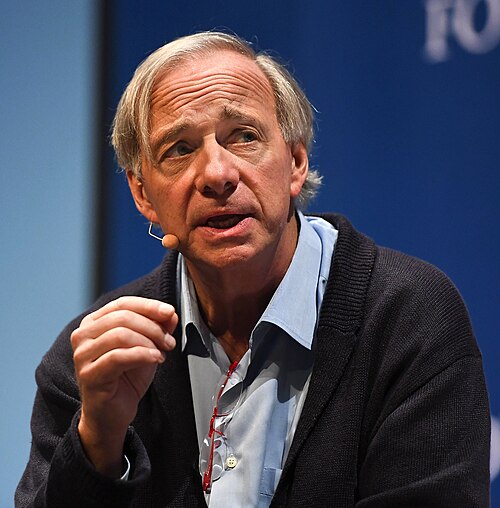 Ray Daliorecommends 1 book here
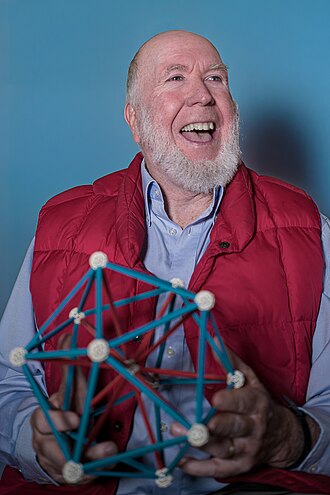 Kevin Kellyrecommends 1 book here
 Reid Hoffmanrecommends 1 book here
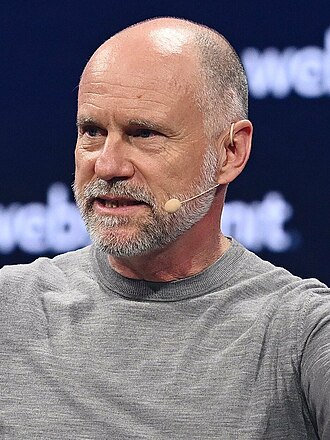 Albert Wengerrecommends 1 book here
 Alexis Ohanianrecommends 1 book here
 Alfred Linrecommends 1 book here
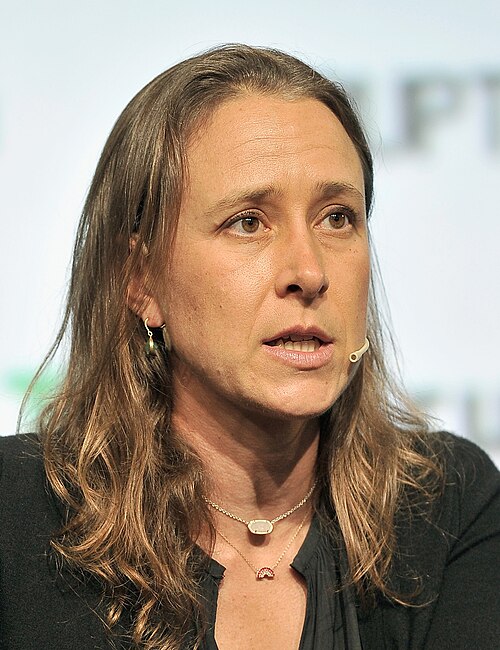 Anne Wojcickirecommends 1 book here
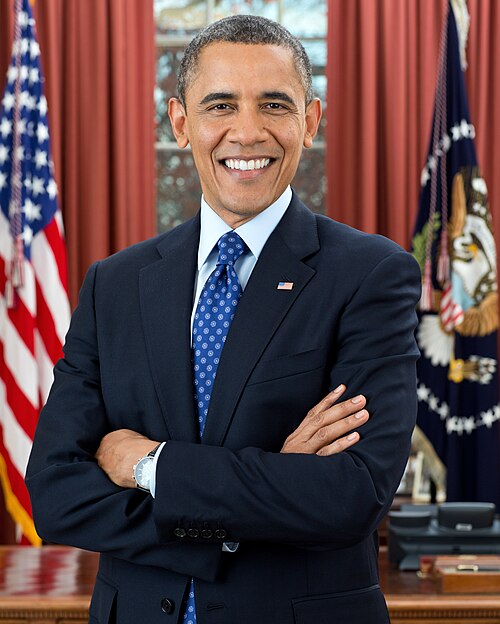 Barack Obamarecommends 1 book here
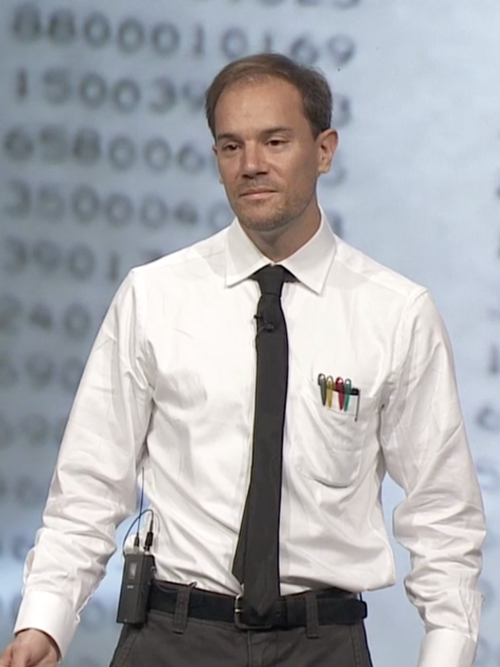 Bret Victorrecommends 1 book here
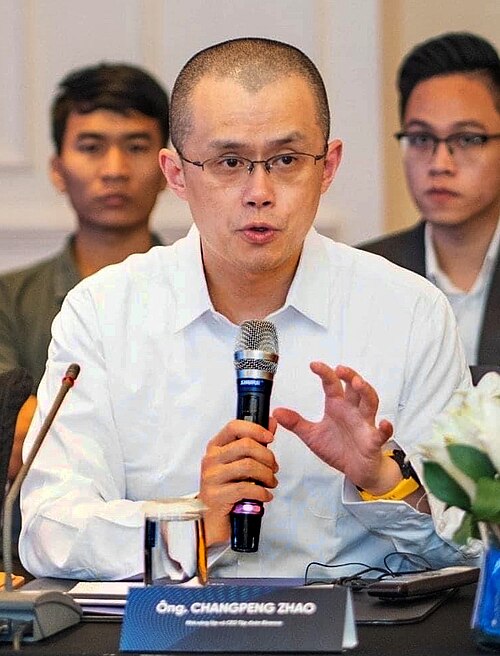 Changpeng Zhaorecommends 1 book here
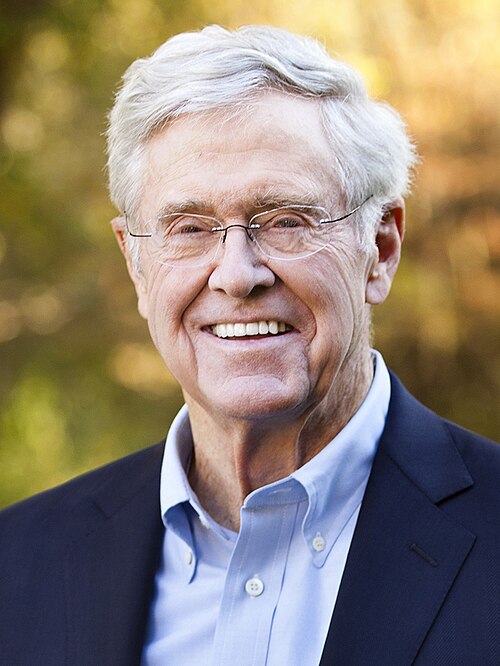 Charles Kochrecommends 1 book here
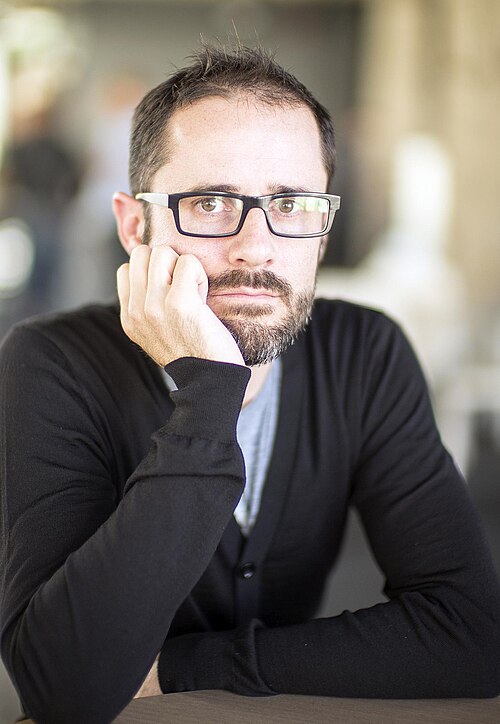 Ev Williamsrecommends 1 book here
 Jack Dorseyrecommends 1 book here
 James Altucherrecommends 1 book here
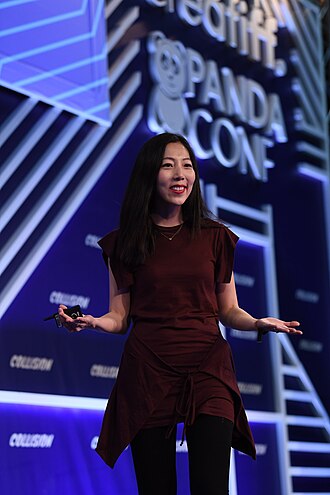 Julie Zhuorecommends 1 book here
 Justin Kanrecommends 1 book here
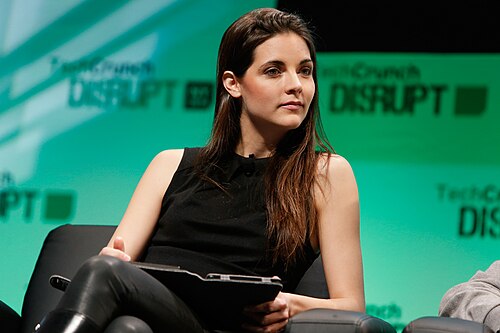 Kathryn Minshewrecommends 1 book here
 Kevin Systromrecommends 1 book here
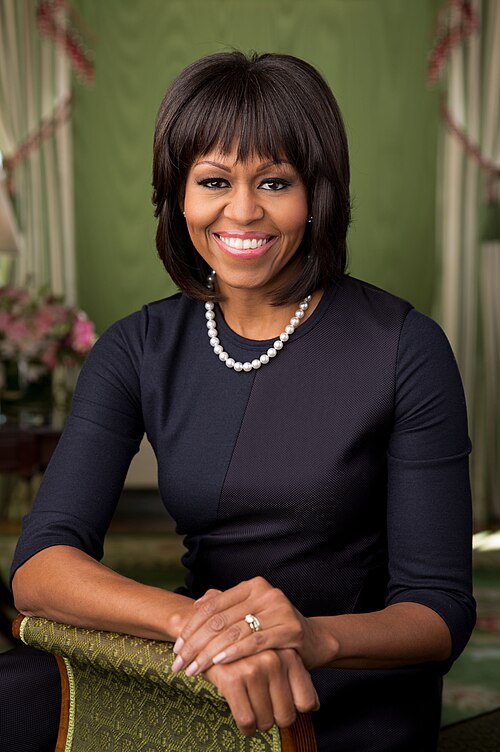 Michelle Obamarecommends 1 book here
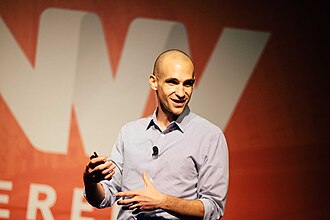 Nir Eyalrecommends 1 book here
 Oprah Winfreyrecommends 1 book here
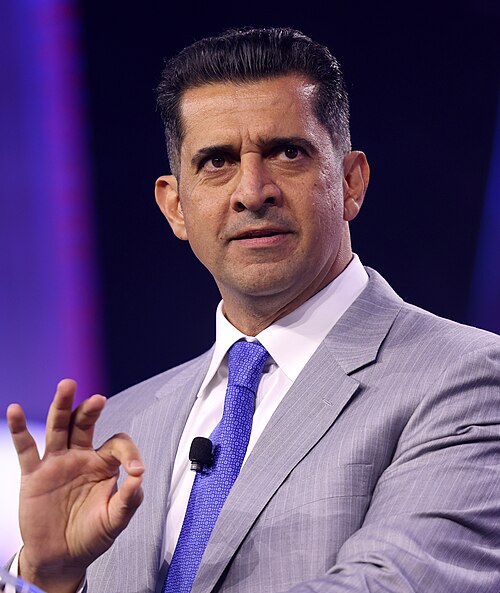 Patrick Bet-Davidrecommends 1 book here
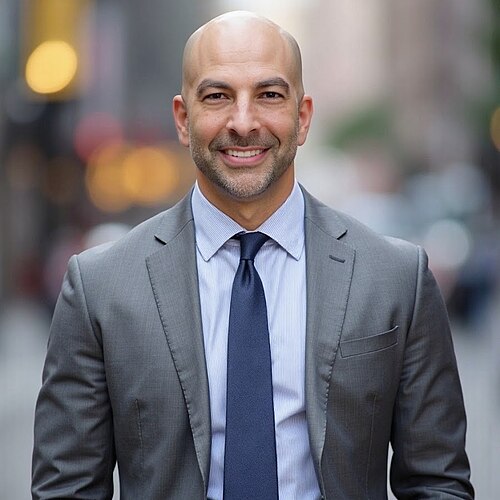 Peter Attiarecommends 1 book here
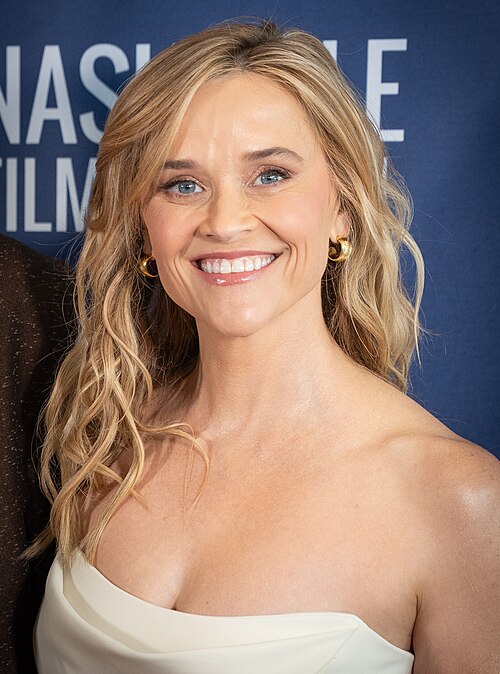 Reese Witherspoonrecommends 1 book here
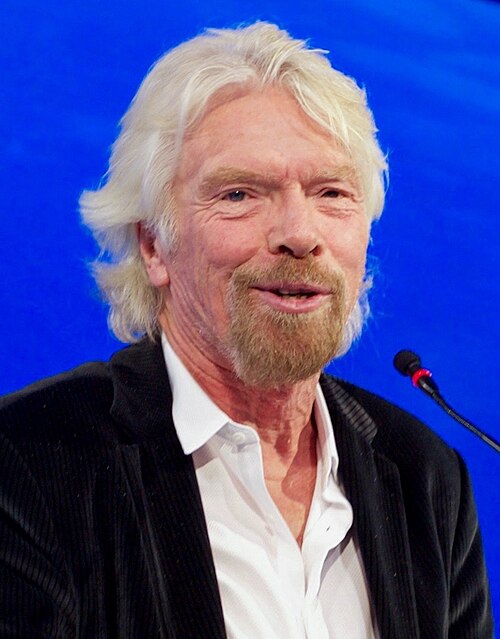 Richard Bransonrecommends 1 book here
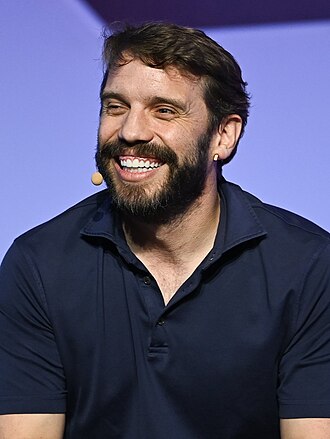 Ryan Petersonrecommends 1 book here
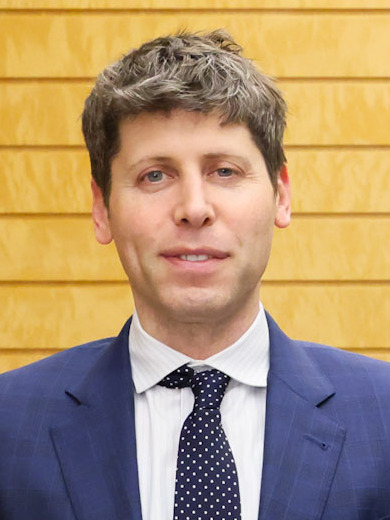 Sam Altmanrecommends 1 book here
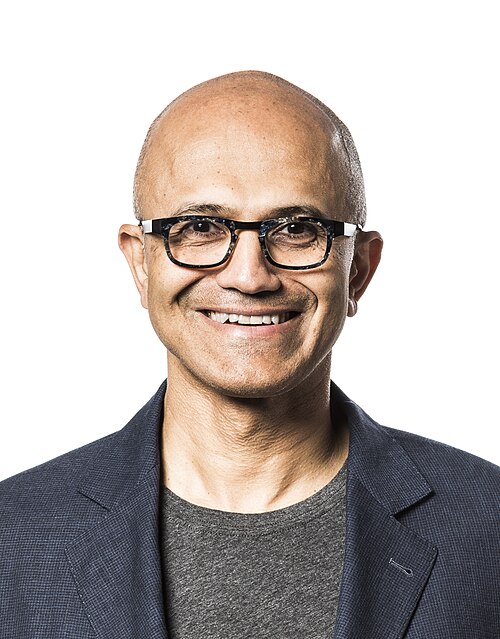 Satya Nadellarecommends 1 book here
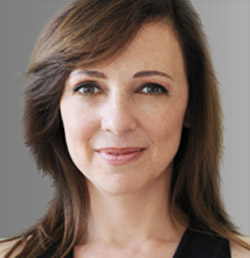 Susan Cainrecommends 1 book here
 Susan J. Fowlerrecommends 1 book here
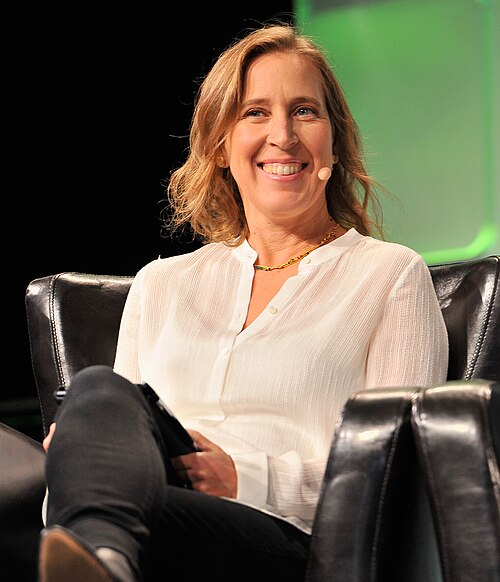 Susan Wojcickirecommends 1 book here
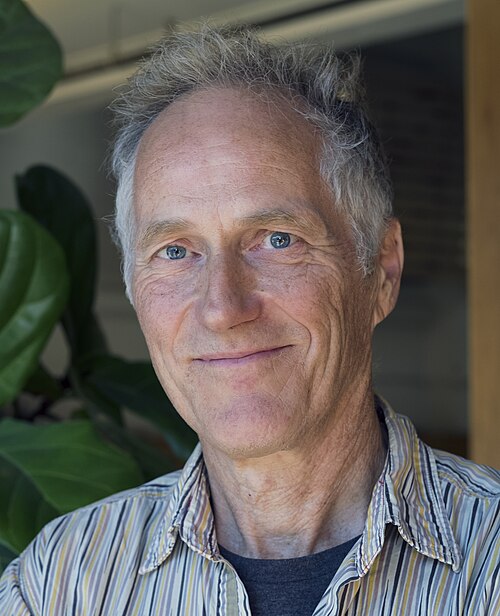 Tim O’Reillyrecommends 1 book here
 Tony Hsiehrecommends 1 book here
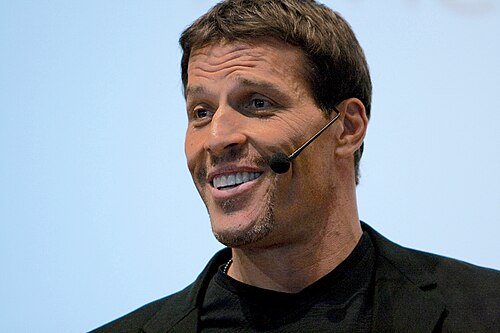 Tony Robbinsrecommends 1 book here