
Writing and Communication
The craft of writing, speaking, editing and storytelling, along with essay collections and letters read for their prose. Read by writers, speakers and people who want their sentences to carry.
Start here
- Science and SanityAlfred Korzybski, 1933
- Made to StickChip Heath, Dan Heath, 2007
- TED Talks: The Official TED Guide to Public SpeakingChris Anderson, 2016
- The Storytelling AnimalJonathan Gottschall, 2012
- Building a Story BrandDonald Miller, 2017

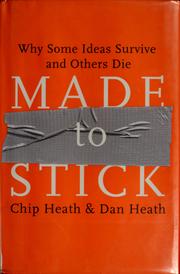
Six traits of memorable ideas, from simple and unexpected to emotional stories.
“…books I've recommended, highlighted to death, or forced on friends.” — Andrew Wilkinson
Source: Andrew Wilkinson's Bookshelf, neverenough.com
Recommended by: Andrew Wilkinson, Mohnish Pabrai and 10 others

How to give a talk that transfers one idea, from TED's work with its speakers.
Recommended by: Mohnish Pabrai
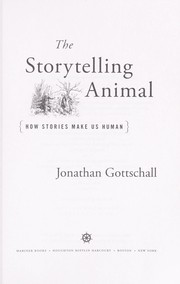
Why humans tell stories: a rehearsal for life's social problems.

Recommended by: Nat Eliason, Ran Segall

Recommended by: Mohnish Pabrai

Recommended by: Patrick Collison
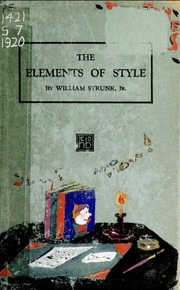
Numbered rules of English usage and composition, with examples, under 100 pages.
Recommended by: Nat Eliason, Patrick Collison, Ann Handley and 3 others

Recommended by: Patrick O'Shaughnessy, Ramit Sethi

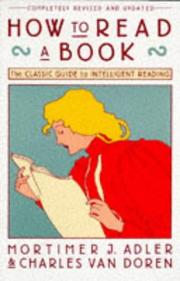
A method for reading hard books for understanding, not just information.
Recommended by: Mohnish Pabrai, Alex and Books and 3 others
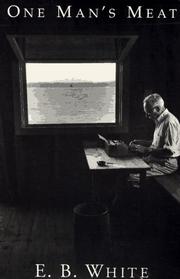
Essays on farm life in Maine, written after leaving New York City.
Recommended by: Ann Handley

Recommended by: Mohnish Pabrai

Recommended by: Patrick Collison


Recommended by: Audrey Gelman, Kara Swisher

Recommended by: Patrick Collison


Recommended by: Patrick Collison

A manual for non-fiction: clear writing comes from clear thinking.
Recommended by: Nat Eliason, Derek Sivers, George Hatzis and 2 others

Recommended by: Mohnish Pabrai

Reviews and essays on more than forty modern American poets.
Recommended by: Sheryl Sandberg

Recommended by: Eric Weinstein
How the move from oral cultures to writing changed thought, personality and society.
Recommended by: Patrick Collison

Recommended by: Matt Mullenweg

Recommended by: Eric Weinstein
Recommended by: Patrick Collison, Audrey Gelman and 1 other
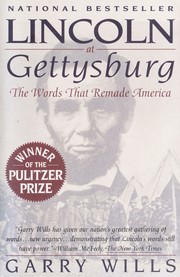
Recommended by: Mohnish Pabrai, Jamie Dimon

Recommended by: Patrick Collison, Bret Victor, Daniel Burka and 1 other
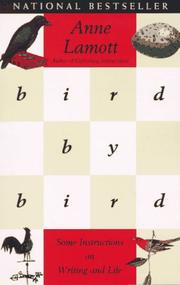
Writing advice focused on the fears and habits that stop people writing.
Recommended by: Balaji S. Srinivasan, Maria Popova and 8 others


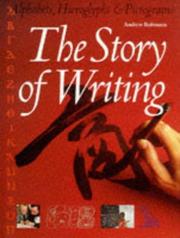
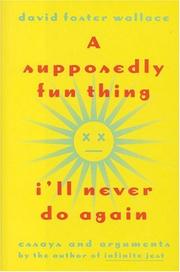
Recommended by: Coleen Baik
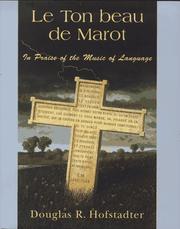
Recommended by: Patrick Collison

Recommended by: Mohnish Pabrai


Recommended by: Patrick Collison
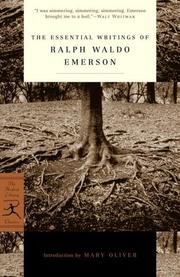
Recommended by: Tony Robbins

Recommended by: Patrick Collison
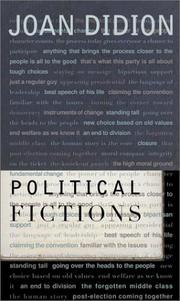
Essays on how a handful of insiders shapes the story of American political life.
Recommended by: Audrey Gelman

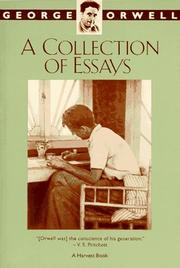

Recommended by: Patrick Collison


Recommended by: Mohnish Pabrai

Recommended by: Patrick Collison

Recommended by: Bryant Chou
Recommended by: Patrick Collison
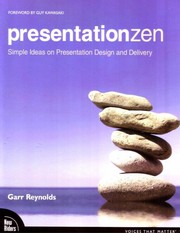
How to design and deliver simple, creative slide presentations.
Recommended by: Nir Eyal
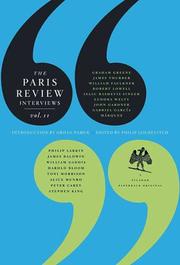
Recommended by: Patrick Collison

Why some words persuade and others fail, from a political pollster.
Recommended by: Nat Eliason, Matt Mullenweg, Tim Ferriss and 1 other
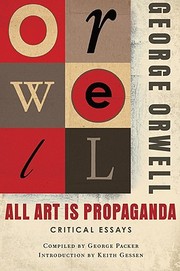
Recommended by: Patrick Collison

Recommended by: Patrick Collison

Recommended by: Mohnish Pabrai

Recommended by: Mohnish Pabrai

Recommended by: Nat Eliason
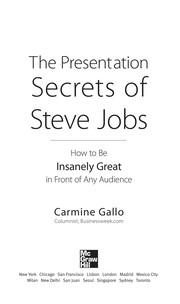
Recommended by: Mohnish Pabrai
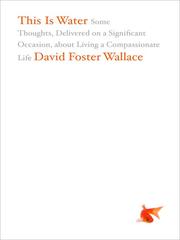
Recommended by: Nat Eliason, Julie Zhuo
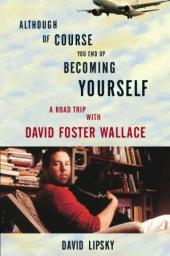
Recommended by: Andrew Wilkinson

Recommended by: Mohnish Pabrai
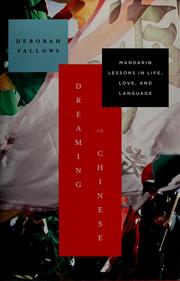
Recommended by: Patrick Collison

Recommended by: Mohnish Pabrai

Recommended by: Patrick Collison

Recommended by: Patrick Collison


Recommended by: Mohnish Pabrai, Warren Buffett

Recommended by: Ryan Holiday, Shane Parrish and 1 other

Recommended by: Abi Tyas Tunggal, Tim Ferriss

Recommended by: Patrick Collison

Recommended by: Zoë Foster Blake, Caterina Fake and 1 other
A short method for direct conversations and for making difficult requests.
Recommended by: Shane Parrish

Letters from prison to a teenage son on direct-mail copywriting and living well.
Recommended by: Nat Eliason, David Perell

Recommended by: Patrick Collison

Recommended by: Nat Eliason

Recommended by: Mohnish Pabrai

Recommended by: Nat Eliason, Ran Segall

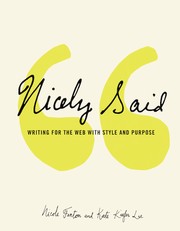
How to write web copy that meets readers' needs and business goals, with examples.
Recommended by: Jan Losert


A second collection of notable letters, correspondence deserving a wider audience.
Recommended by: Zoë Foster Blake
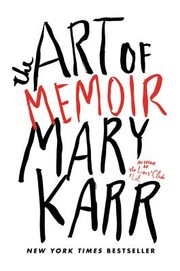
The key elements of literary memoir: memory, identity and reflecting on the past.
Recommended by: Andrew Wilkinson, Tim Ferriss


Recommended by: Paul Graham

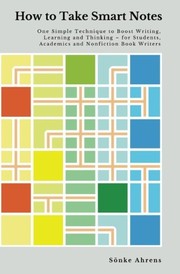
Recommended by: Ali Abdaal, Nat Eliason


Recommended by: Arianna Huffington


How to find and tell personal stories, and how telling them well helps careers.
Recommended by: Ali Abdaal, Andrew Wilkinson


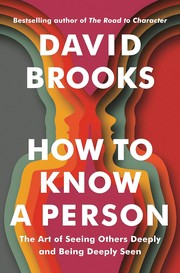
Recommended by: Andrew Wilkinson, Bill Gates

“he breaks it all down in his new book on using stories in a business context. It's called Stories Sell, and you should go check it out.” — Andrew Wilkinson
Source: Newsletter
Recommended by: Andrew Wilkinson


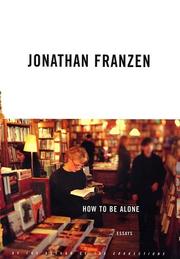
Recommended by: Morgan Housel, Nat Eliason
Why readers ignore writing, and how a writer moves from amateur to professional.
Recommended by: Patrick O'Shaughnessy
Two satirical essays on class, status and race in America around 1970.
Recommended by: Marc Andreessen
Recommended by: Mohnish Pabrai


Recommended by: Matt Mullenweg


 Patrick Collisonrecommends 36 books here
 Mohnish Pabrairecommends 19 books here
 Tim Ferrissrecommends 10 books here
 Audrey Gelmanrecommends 6 books here
 Matt Mullenwegrecommends 5 books here
 Paul Grahamrecommends 3 books here
 Ryan Holidayrecommends 3 books here
Show all 70
 Bill Gatesrecommends 3 books here
 Eric Weinsteinrecommends 3 books here
 Sheryl Sandbergrecommends 3 books here
 Zoë Foster Blakerecommends 3 books here
 Balaji S. Srinivasanrecommends 2 books here
 Bret Victorrecommends 2 books here
 Kara Swisherrecommends 2 books here
 Nir Eyalrecommends 2 books here
 Ramit Sethirecommends 2 books here
 Stewart Brandrecommends 2 books here
 Tristan Harrisrecommends 2 books here
 Marc Andreessenrecommends 1 book here
 Warren Buffettrecommends 1 book here
 Kevin Kellyrecommends 1 book here
 Guy Kawasakirecommends 1 book here
 Guy Spierrecommends 1 book here
 Alfred Linrecommends 1 book here
 Arianna Huffingtonrecommends 1 book here
 Brian Armstrongrecommends 1 book here
 Caterina Fakerecommends 1 book here
 Changpeng Zhaorecommends 1 book here
 Chelsea Krostrecommends 1 book here
 Daniel Burkarecommends 1 book here
 Ev Williamsrecommends 1 book here
 Jamie Dimonrecommends 1 book here
 Julie Zhuorecommends 1 book here
 Keith Raboisrecommends 1 book here
 Kevin Systromrecommends 1 book here
 Maria Popovarecommends 1 book here
 Naval Ravikantrecommends 1 book here
 Scott Belskyrecommends 1 book here
 Susan Cainrecommends 1 book here
 Susan J. Fowlerrecommends 1 book here
 Tobi Lütkerecommends 1 book here
 Tony Hsiehrecommends 1 book here
 Tony Robbinsrecommends 1 book here