World and Big History
Holds surveys of human history across continents and millennia, histories of ideas, religion and culture, and books that look for patterns in history as a whole.
Start here
- The MuqaddimahIbn Khaldun, 1858
- Energy and CivilizationVaclav Smil, 2017
- Why Don't We Learn from History?B. H. Liddell Hart, 1944
- The Lessons of HistoryWill Durant, Ariel Durant, 1968
- The DiscoverersDaniel J. Boorstin, 1983
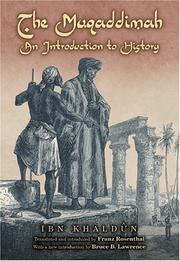
Why states rise and fall, explained through asabiyyah, the cohesion of a group.
Recommended by: Mohnish Pabrai, Mark Zuckerberg
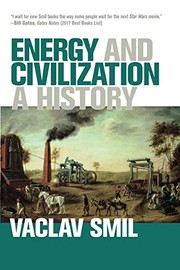
History told through energy, from muscle and fire to coal, oil and electricity.
Recommended by: Balaji S. Srinivasan, Bill Gates and 1 other

A military historian's reflections on what history teaches and why we ignore it.
Recommended by: Morgan Housel, Nat Eliason, Shane Parrish
Recurring patterns drawn from world history: biology, morals, religion, economics.
“…books I've recommended, highlighted to death, or forced on friends.” — Andrew Wilkinson
Source: Andrew Wilkinson's Bookshelf, neverenough.com
Recommended by: Andrew Wilkinson, Balaji S. Srinivasan and 12 others
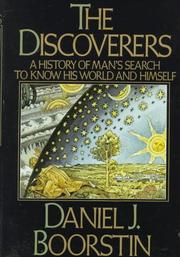
A history of discovery: time and the clock, the earth and seas, nature and society.
Recommended by: Jim Collins, Stewart Brand

After the Cold War, conflict will follow cultural and religious fault lines.
Recommended by: Mohnish Pabrai, Patrick Collison and 3 others
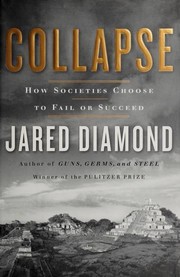
Why past societies from Easter Island to the Maya collapsed, and what that teaches.
Recommended by: Mohnish Pabrai, Bill Gates, Stewart Brand
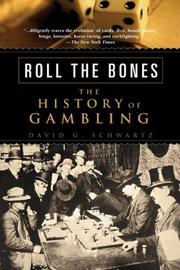
The standard general history of gambling.
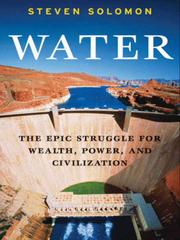
A world history showing how control of water shaped political and economic power.
Recommended by: Mohnish Pabrai

Six advantages, from competition to the work ethic, that let the West pull ahead.
Recommended by: Mohnish Pabrai

Evidence that violence of nearly every kind has declined over history, and why.
Recommended by: Bill Gates, Mohnish Pabrai, Morgan Housel and 6 others

Competing regional ideas of legitimate order and the balance of power.
Recommended by: Mohnish Pabrai, Mark Zuckerberg, Ray Dalio

How ancient DNA has rewritten the story of human prehistory and migration.
Recommended by: Balaji S. Srinivasan, Marc Andreessen and 2 others

How land ownership shaped history: how people fight over, keep and share land.

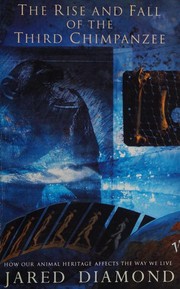
Human behaviour read from evolutionary biology; a Munger latticework staple
Recommended by: Charlie Munger, Mohnish Pabrai
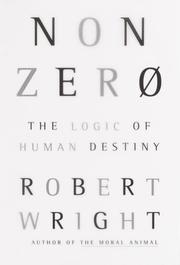
History read as an expanding series of non-zero-sum games
Recommended by: Mohnish Pabrai, Ev Williams, Nick Thompson and 1 other
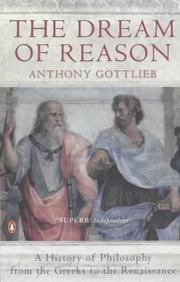
History of Western philosophy from the Greeks to the Renaissance
Recommended by: Mohnish Pabrai, Nassim Nicholas Taleb

How population change and migration made and unmade nations over two centuries.
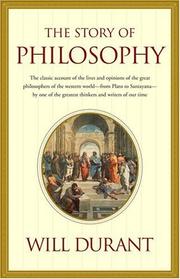
Recommended by: Nat Eliason, Naval Ravikant


Recommended by: Patrick Collison

Recommended by: Ray Dalio

Recommended by: Mohnish Pabrai


How cities developed, from Egypt and Mesopotamia through Greece and Rome to today.
Recommended by: Keith Rabois, Patrick Collison

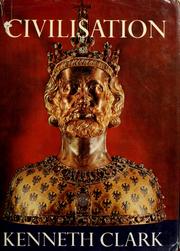
“Here are the most exciting ones I can think of: Clark, Civilisation” — Paul Graham
Source: Rarely-Asked Questions — paulgraham.com
Recommended by: Paul Graham
How science developed, and the discoveries that set humans apart from other species.
Recommended by: Patrick Collison, Patrick O'Shaughnessy
Recommended by: Mohnish Pabrai
Recommended by: Patrick Collison

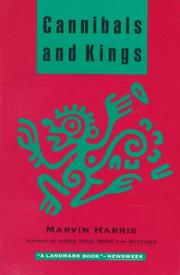
Recommended by: Mohnish Pabrai
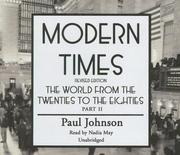
Recommended by: Mohnish Pabrai, David Sacks
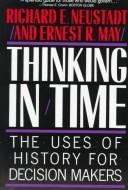
Recommended by: Patrick Collison, Stewart Brand
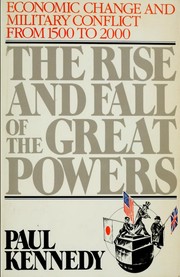
Military spending measured against the economy that has to carry it.
“The River Out of Eden by Richard Dawkins, The Rise and Fall of the Great Powers by Paul Kennedy” — Ray Dalio
Source: Ray Dalio Reddit AMA, r/IAmA (u/RayTDalio)
Recommended by: Ray Dalio, Michael Wong
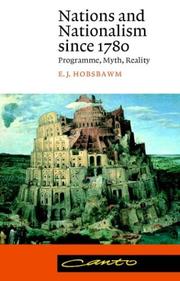
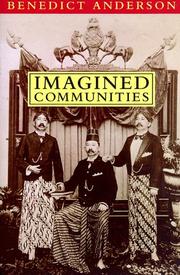
An enquiry into nationalism since 1780: its programme, its myths and its reality.
Recommended by: Patrick Collison

Recommended by: Mohnish Pabrai

Why liberal democracy may be the end state of political change, and how people react.
Recommended by: Marc Andreessen, Peter Thiel


Recommended by: Stewart Brand
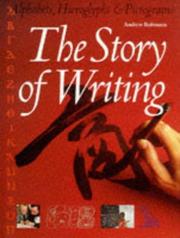

Recommended by: Stewart Brand


How belief in one god shaped Western history, from religious wars to commandments.
Recommended by: Stewart Brand

Recommended by: Brian Koppelman
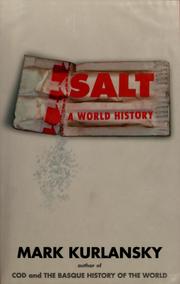


Recommended by: Mohnish Pabrai

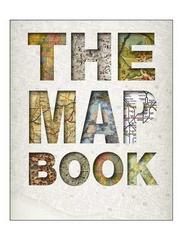

Recommended by: Balaji S. Srinivasan
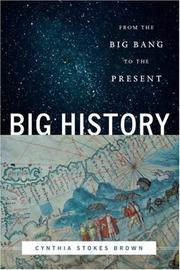
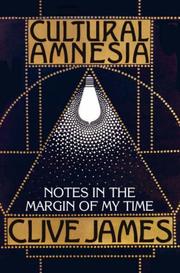
Recommended by: Patrick Collison, Frank Blake
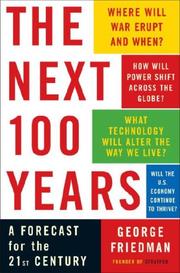

How lactose tolerance, malaria resistance and blue eyes evolved in 10,000 years.
Recommended by: Mohnish Pabrai, Nick Szabo
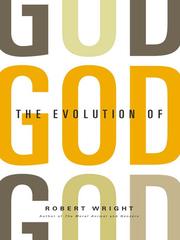

Recommended by: Emmett Shear
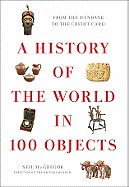
Recommended by: Mohnish Pabrai, Stewart Brand
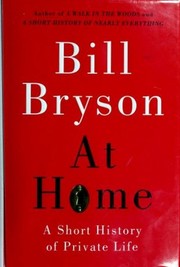
Recommended by: Andrew Wilkinson, Mohnish Pabrai and 1 other
Recommended by: Mohnish Pabrai

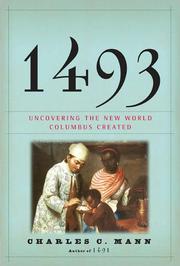
Recommended by: Mohnish Pabrai

Recommended by: Balaji S. Srinivasan

Recommended by: Patrick Collison
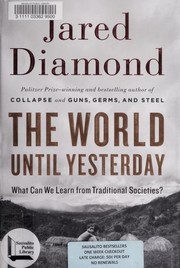
Recommended by: Bill Gates, Mohnish Pabrai
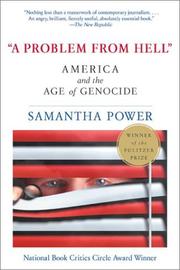
Recommended by: Patrick Collison

Recommended by: Zoë Foster Blake, Caterina Fake and 1 other

Recommended by: Mohnish Pabrai

“a book that historian Will Durant wrote in his 90s, a summation of his thoughts on the meaning of life at the end of his” — Andrew Wilkinson
Source: Newsletter
Recommended by: Andrew Wilkinson, Matt Mullenweg and 1 other
Recommended by: Mohnish Pabrai
A second collection of notable letters, correspondence deserving a wider audience.
Recommended by: Zoë Foster Blake


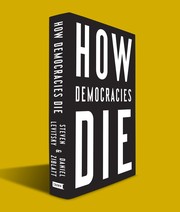
Recommended by: Barack Obama, Julian Shapiro
Twenty-one essays on today's challenges, from technology and politics to truth.
Recommended by: Bill Gates, Alfred Lin, Anna Cheng and 4 others

The whole of history, from the big bang through the present and into the far future.
Recommended by: Bill Gates

Why liberty is hard to win and keep, and how it can survive new threats.
Recommended by: Satya Nadella

Published in Chinese only; no English edition exists.

Recommended by: Marc Andreessen


How information networks, from the Stone Age to AI, have made and unmade societies.
Recommended by: Andrew Wilkinson
Recommended by: Bret Victor
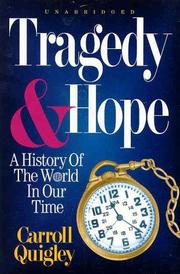
Recommended by: Patrick O'Shaughnessy
 Vaclav Smilwrote 1 book here
 Niall Fergusonwrote 1 book here
 Henry Kissingerwrote 1 book here
 Mohnish Pabrairecommends 24 books here
 Stewart Brandrecommends 16 books here
 Patrick Collisonrecommends 14 books here
 Bill Gatesrecommends 8 books here
 Balaji S. Srinivasanrecommends 7 books here
 Ray Daliorecommends 5 books here
 Naval Ravikantrecommends 5 books here
 Marc Andreessenrecommends 4 books here
Show all 56
 Mark Zuckerbergrecommends 3 books here
 Zoë Foster Blakerecommends 3 books here
 Paul Grahamrecommends 2 books here
 Reid Hoffmanrecommends 2 books here
 Jamie Dimonrecommends 2 books here
 Matt Mullenwegrecommends 2 books here
 Satya Nadellarecommends 2 books here
 Charlie Mungerrecommends 1 book here
 Jim Collinsrecommends 1 book here
 Nassim Nicholas Talebrecommends 1 book here
 Peter Thielrecommends 1 book here
 Eric Schmidtrecommends 1 book here
 Alfred Linrecommends 1 book here
 Barack Obamarecommends 1 book here
 Ben Silbermannrecommends 1 book here
 Bret Victorrecommends 1 book here
 Caterina Fakerecommends 1 book here
 David Sacksrecommends 1 book here
 Elon Muskrecommends 1 book here
 Emmett Shearrecommends 1 book here
 Ev Williamsrecommends 1 book here
 John Arnoldrecommends 1 book here
 Keith Raboisrecommends 1 book here
 Kevin Systromrecommends 1 book here
 Ryan Petersonrecommends 1 book here
 Tim Ferrissrecommends 1 book here
 Vinod Khoslarecommends 1 book here