
Niall Ferguson
British-American historian who previously taught at Harvard, the London School of Economics, New York University, Oxford and Cambridge.
 Hoover InstitutionBelfer Center, Harvard University
 Oxford
 Harvard
 NYU Stern
The Ascent of Money traces credit, bond markets, joint-stock equity, insurance and property finance from their origins, giving investors the institutional history behind instruments they price every day. The House of Rothschild and High Financier examine how two banking houses actually made money and managed sovereign and political risk over long periods.
8 books of their own · 133 articles
Start here
- The Ascent of MoneyNiall Ferguson, 2008
- The House of RothschildNiall Ferguson
- High Financier: The Lives and Time of Siegmund WarburgNiall Ferguson, 2010
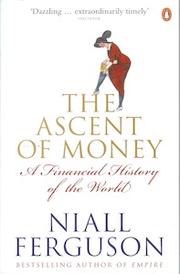
The history of finance by instrument: credit, bonds, stocks, insurance and property.
Recommended by: Mohnish Pabrai, Max Levchin, Raoul Pal and 2 others
The Rothschild banks of five cities from 1798 to 1999, from the family archive.
Recommended by: Mark Zuckerberg

Siegmund Warburg, who fled Germany and founded S.G. Warburg in London.
Recommended by: Mohnish Pabrai
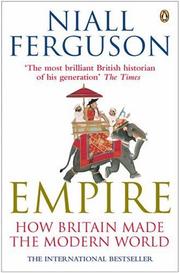
How the British Empire shaped the modern world, from globalisation to democracy.
Recommended by: Mohnish Pabrai

Six advantages, from competition to the work ethic, that let the West pull ahead.
Recommended by: Mohnish Pabrai

Why the 20th century's great progress came with unprecedented violence.
Recommended by: Mohnish Pabrai
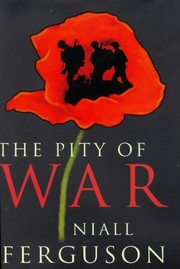
Britain's entry turned a continental war into a world war that was not inevitable.
Recommended by: Mohnish Pabrai

Recommended by: Patrick Collison
 The Ascent of Money | The history of finance by instrument: credit, bonds, stocks, insurance and property. | 2008 | T2 | Mohnish Pabrai, Max Levchin, Raoul Pal and 2 others |
| The House of Rothschild | The Rothschild banks of five cities from 1798 to 1999, from the family archive. | T2 | Mark Zuckerberg | |
 High Financier: The Lives and Time of Siegmund Warburg | Siegmund Warburg, who fled Germany and founded S.G. Warburg in London. | 2010 | T2 | Mohnish Pabrai |
 Empire: The Rise and Demise of the British World Order and the Lessons for Global Power | How the British Empire shaped the modern world, from globalisation to democracy. | 2003 | T2 | Mohnish Pabrai |
 Civilization: The West and the Rest | Six advantages, from competition to the work ethic, that let the West pull ahead. | 2011 | T2 | Mohnish Pabrai |
 The War of the World: Twentieth-Century Conflict and the Descent of the West | Why the 20th century's great progress came with unprecedented violence. | 2006 | T2 | Mohnish Pabrai |
 The Pity Of War Explaining World War I | Britain's entry turned a continental war into a world war that was not inevitable. | 1998 | T2 | Mohnish Pabrai |
 Kissinger: 1923-1968: The Idealist | – | 2015 | Patrick Collison |
| Paris Is Burning | Regulating AI | Elon’s Mach 5 | Cal Newport | Niall Ferguson's Time Machine | 2026-10-21 |
| Why Europe Is Burning | Niall Ferguson's Time Machine | 2026-10-19 |
| National Treasures, October Surprises, And Silly Walks | Niall Ferguson's Time Machine | 2026-10-08 |
| The Nixon Tapes, Unlocked | Niall Ferguson's Time Machine | 2026-10-07 |
| Taiwan’s Slow Squeeze, Ukraine’s Long War Paywall | Niall Ferguson's Time Machine | 2026-09-29 |
| Is Peace at Hand in Ukraine? Paywall | Niall Ferguson's Time Machine | 2026-09-24 |
| AIpocalypse Now Paywall | Niall Ferguson's Time Machine | 2026-09-23 |
| 9/11 Did Not Doom the American Empire Paywall | Niall Ferguson's Time Machine | 2026-09-17 |
| Taxing Billionaires, 9/11, and the Lessons We Forgot Paywall | Niall Ferguson's Time Machine | 2026-09-12 |
| Endless Summer: Iran, Woke Two? and The George Costanza Theory of War Paywall | Niall Ferguson's Time Machine | 2026-09-12 |
| Elon’s Favorite Sci-Fi Prophet Was Wrong Paywall | Niall Ferguson's Time Machine | 2026-08-28 |
| Complicated Legacy: Jay Bhattacharya on Fauci, RFK, and Vaccines Paywall | Niall Ferguson's Time Machine | 2026-08-21 |
| Trump Slump, Capitalism vs. Communism, and Old Man Yells at Claude Paywall | Niall Ferguson's Time Machine | 2026-07-24 |
| Trump’s Ceasefire Collapses Paywall | Niall Ferguson's Time Machine | 2026-07-23 |
| The Death of History Paywall | Niall Ferguson's Time Machine | 2026-07-22 |
| The Empire Strikes Out Paywall | Niall Ferguson's Time Machine | 2026-07-22 |
| Why Britons Really Regret Brexit Paywall | Niall Ferguson's Time Machine | 2026-06-30 |
| Trump’s 14 Points: Peace Deal or Epic Fail? Paywall | Niall Ferguson's Time Machine | 2026-06-24 |
| It’s Too Soon to Call This a U.S. Surrender Paywall | Niall Ferguson's Time Machine | 2026-06-24 |
| The World Cup Looks Like a Fiesta of Nationalism. Don’t Be Fooled. Paywall | Niall Ferguson's Time Machine | 2026-06-19 |
| Has the U.S. Lost the Iran War? Paywall | Niall Ferguson's Time Machine | 2026-06-12 |
| From Arsenal to Zelenskyy Paywall | Niall Ferguson's Time Machine | 2026-06-05 |
| Cold War II and the Rise of Anti-History Paywall | Niall Ferguson's Time Machine | 2026-05-25 |
| Ferguson's Law Paywall | Niall Ferguson's Time Machine | 2026-02-10 |
| What's Trump's plan with Iran, and beyond? Paywall | Niall Ferguson's Time Machine | 2026-02-02 |
| Patterns of Power in Trump’s Presidency Paywall | Niall Ferguson's Time Machine | 2026-01-28 |
| Patterns of Power in Trump’s Presidency, part 3 Paywall | Niall Ferguson's Time Machine | 2026-01-28 |
| Patterns of Power in Trump’s Presidency, part 2 Paywall | Niall Ferguson's Time Machine | 2026-01-26 |
| Patterns of Power in Trump’s Presidency, part 1 Paywall | Niall Ferguson's Time Machine | 2026-01-26 |
| How Trump Won Davos Paywall | Niall Ferguson's Time Machine | 2026-01-26 |
| On the Overconfidence of Trump's Critics Paywall | Niall Ferguson's Time Machine | 2026-01-25 |
| The Harsh Truth about European Rearmament Paywall | Niall Ferguson's Time Machine | 2026-01-24 |
| Greenland, Trump vs. Europe & More Paywall | Niall Ferguson's Time Machine | 2026-01-24 |
| Trump’s World Order: The View from Davos Paywall | Niall Ferguson's Time Machine | 2026-01-24 |
| The U.S. Should Finish the Job in Iran Paywall | Niall Ferguson's Time Machine | 2026-01-17 |
| Coercive Diplomacy: Venezuela, Iran, and . . . Greenland? Paywall | Niall Ferguson's Time Machine | 2026-01-14 |
| The World According to Trump Paywall | Niall Ferguson's Time Machine | 2026-01-14 |
| Maduro’s Capture Takes Us Back to the Future Paywall | Niall Ferguson's Time Machine | 2026-01-11 |
| Thoughts on the Donroe Doctrine and the Trump Corollary Paywall | Niall Ferguson's Time Machine | 2026-01-09 |
| Maduro’s Capture Takes Us Back to the Future Paywall | Niall Ferguson's Time Machine | 2026-01-04 |
| Trump Was Right to Overthrow Maduro Paywall | Niall Ferguson's Time Machine | 2026-01-04 |
| The Most Dangerous Conflicts to Watch in 2026 Paywall | Niall Ferguson's Time Machine | 2025-12-31 |
| A Republic—If You Don’t Throw It Away Paywall | Niall Ferguson's Time Machine | 2025-12-29 |
| Does the West have a future? Paywall | Niall Ferguson's Time Machine | 2025-12-27 |
| My Seasonal Reading Recommendations Paywall | Niall Ferguson's Time Machine | 2025-12-18 |
| The Beginning of the End of the Ukraine-Russia War Paywall | Niall Ferguson's Time Machine | 2025-12-07 |
| War & Peace, Reading & Writing, Why Babies Are Good, and Thanksgiving Memories Paywall | Niall Ferguson's Time Machine | 2025-11-29 |
| “We’ve Torn Up the Foundations of Our Civilisation” Paywall | Niall Ferguson's Time Machine | 2025-11-29 |
| OpenAI’s House of Cards Paywall | Niall Ferguson's Time Machine | 2025-11-18 |
| The US is the key to the future survival of western civilization Paywall | Niall Ferguson's Time Machine | 2025-11-18 |
| China Holds the Cards? Paywall | Niall Ferguson's Time Machine | 2025-10-25 |
| Three Historians Debate The Era of Trump Paywall | Niall Ferguson's Time Machine | 2025-10-25 |
| On Preserving Liberty After Charlie Kirk's Senseless Murder Paywall | Niall Ferguson's Time Machine | 2025-10-17 |
| Navigating The New Gilded Age - Debt, Gold, AI & China Paywall | Niall Ferguson's Time Machine | 2025-10-17 |
| The Disrupter in Chief Gets Transformational Results at Home and Abroad Paywall | Niall Ferguson's Time Machine | 2025-10-17 |
| How Real Estate-ism Got the Deal Done in Gaza Paywall | Niall Ferguson's Time Machine | 2025-10-17 |
| Without Books We Will Be Barbarians Paywall | Niall Ferguson's Time Machine | 2025-10-17 |
| I’ve Seen the Future of War. Europe Isn’t Ready for It Paywall | Niall Ferguson's Time Machine | 2025-09-25 |
| Constitutions of Liberty: Political and Academic Paywall | Niall Ferguson's Time Machine | 2025-09-19 |
| What Will Historians Consider a Ukrainian Victory? Paywall | Niall Ferguson's Time Machine | 2025-09-17 |
| A Conversation with Keith Kellogg Paywall | Niall Ferguson's Time Machine | 2025-09-17 |
| Donald Trump’s US is far from a dictatorship Paywall | Niall Ferguson's Time Machine | 2025-09-17 |
| Osama bin Laden’s Posthumous Victory Paywall | Niall Ferguson's Time Machine | 2025-09-11 |
| Billy Connolly's "Crucifixion" Paywall | Niall Ferguson's Time Machine | 2025-08-15 |
| Niall Ferguson Talks to Javier Milei Paywall | Niall Ferguson's Time Machine | 2025-08-11 |
| A genocide is under way — but it’s not in Gaza Paywall | Niall Ferguson's Time Machine | 2025-08-05 |
| Milei’s Manmade Miracle Paywall | Niall Ferguson's Time Machine | 2025-07-22 |
| Did the Sun Ever Set on the Age of Empire? Paywall | Niall Ferguson's Time Machine | 2025-07-17 |
| What is the Power that Moves Nations? Thoughts on "War and Peace." Paywall | Niall Ferguson's Time Machine | 2025-07-16 |
| Secrets of Statecraft: Time-Knight Paywall | Niall Ferguson's Time Machine | 2025-07-06 |
| AI’s great brain robbery — and how universities can fight back Paywall | Niall Ferguson's Time Machine | 2025-07-06 |
| What Comes After Trump’s ‘Surgical Strikes’? Paywall | Niall Ferguson's Time Machine | 2025-06-24 |
| Israel Has Done Most of the Job. Only Trump Can Finish It. Paywall | Niall Ferguson's Time Machine | 2025-06-19 |
| The Cloister and the Starship Paywall | Niall Ferguson's Time Machine | 2025-06-17 |
| Israel’s Attack Restores the Credibility of the West Paywall | Niall Ferguson's Time Machine | 2025-06-13 |
| Reviving Britain will require our version of the chainsaw act Paywall | Niall Ferguson's Time Machine | 2025-06-07 |
| Trump’s Foreign Policy? Reality TV Politik Paywall | Niall Ferguson's Time Machine | 2025-06-03 |
| America Is In A Late Republic Stage Like Rome Paywall | Niall Ferguson's Time Machine | 2025-05-21 |
| Exposing Harvard's Rot Paywall | Niall Ferguson's Time Machine | 2025-05-12 |
| Harvard, you’ve got a problem — but Donald Trump’s war will backfire Paywall | Niall Ferguson's Time Machine | 2025-05-11 |
| Two Scotsmen for the Price of One Paywall | Niall Ferguson's Time Machine | 2025-04-30 |
| Donald Trump Is Crushing His To-Do List Paywall | Niall Ferguson's Time Machine | 2025-04-29 |
| Of Greenmantle and Me Paywall | Niall Ferguson's Time Machine | 2025-04-20 |
| Donald-25: the new virus that’s devastating the world economy Paywall | Niall Ferguson's Time Machine | 2025-04-19 |
| Trump’s Tariffs and the End of American Empire Paywall | Niall Ferguson's Time Machine | 2025-04-12 |
| Trump's "confused" China strategy could lead to "big strategic mistakes" Paywall | Niall Ferguson's Time Machine | 2025-03-30 |
| Does Donald Trump know what he’s doing on China? Paywall | Niall Ferguson's Time Machine | 2025-03-30 |
| The Flying Scotsman Paywall | Niall Ferguson's Time Machine | 2025-03-22 |
| A User’s Guide to Wrecking the Global Financial System Paywall | Niall Ferguson's Time Machine | 2025-03-17 |
| The Doom Nexus Paywall | Niall Ferguson's Time Machine | 2025-03-15 |
| Trump 2.0 borrows a ton from Richard Nixon Paywall | Niall Ferguson's Time Machine | 2025-03-07 |
| Dirty deal Paywall | Niall Ferguson's Time Machine | 2025-03-06 |
| The Reapolitik of Reality TV Paywall | Niall Ferguson's Time Machine | 2025-03-01 |
| How EDI, cancel culture and bad boards are killing our universities Paywall | Niall Ferguson's Time Machine | 2025-03-01 |
| Debt Has Always Been the Ruin of Great Powers. Is the U.S. Next? Paywall | Niall Ferguson's Time Machine | 2025-02-21 |
| J.D. Vance’s Fighting Words—Against Me and Ukraine Paywall | Niall Ferguson's Time Machine | 2025-02-21 |
| J.D. Vance Picked a Fight in Germany. Will He Get One in China? Paywall | Niall Ferguson's Time Machine | 2025-02-21 |
| Diary of a Flying Scotsman Paywall | Niall Ferguson's Time Machine | 2025-02-21 |
| Trump’s New Deal: 100 days to reverse the legacy of FDR Paywall | Niall Ferguson's Time Machine | 2025-02-01 |
| Always Bet Against Davos Man Paywall | Niall Ferguson's Time Machine | 2025-02-01 |
| Trump Can Make Russia Pay to Rebuild Ukraine Paywall | Niall Ferguson's Time Machine | 2025-01-17 |
| Empire or Republic? Paywall | Niall Ferguson's Time Machine | 2025-01-11 |
| Cold War II or World War III? Paywall | Niall Ferguson's Time Machine | 2025-01-09 |
| Niall Ferguson and the Lessons of History Paywall | Niall Ferguson's Time Machine | 2025-01-08 |
| The Monarch of Mar-a-Lago Paywall | Niall Ferguson's Time Machine | 2025-01-08 |
| How to Win the New Cold War Paywall | Niall Ferguson's Time Machine | 2025-01-08 |
| Diary of a Flying Scotsman Paywall | Niall Ferguson's Time Machine | 2025-01-08 |
| When the 1930s Met the 1970s Paywall | Niall Ferguson's Time Machine | 2025-01-01 |
| Diary of a Flying Scotsman Paywall | Niall Ferguson's Time Machine | 2024-12-30 |
| “The New Europe?” Paywall | Niall Ferguson's Time Machine | 2024-12-22 |
| Diary of a Flying Scotsman Paywall | Niall Ferguson's Time Machine | 2024-12-22 |
| Diary of a Flying Scotsman Paywall | Niall Ferguson's Time Machine | 2024-12-17 |
| The Vibe Shift Goes Global Paywall | Niall Ferguson's Time Machine | 2024-12-12 |
| How Trump Can Win the Peace in Ukraine Paywall | Niall Ferguson's Time Machine | 2024-12-11 |
| Diary of a Flying Scotsman Paywall | Niall Ferguson's Time Machine | 2024-12-07 |
| Britain's Economic Rot Paywall | Niall Ferguson's Time Machine | 2024-12-05 |
| The Rot In Britain—and the Remedy Paywall | Niall Ferguson's Time Machine | 2024-12-05 |
| How Henry Kissinger foresaw the power and potential of AI Paywall | Niall Ferguson's Time Machine | 2024-12-01 |
| The Origins and Course of the Russian Invasion of Ukraine Paywall | Niall Ferguson's Time Machine | 2024-11-29 |
| Ignorant Armies Paywall | Niall Ferguson's Time Machine | 2024-11-21 |
| Foreword to GENESIS Paywall | Niall Ferguson's Time Machine | 2024-11-20 |
| How the Trump Whale and Prediction Markets Beat the Pollsters in 2024 Paywall | Niall Ferguson's Time Machine | 2024-11-15 |
| Is Democracy Doomed? Paywall | Niall Ferguson's Time Machine | 2024-11-10 |
| Democraticy Inc. Paywall | Niall Ferguson's Time Machine | 2024-11-09 |
| The Comeback Paywall | Niall Ferguson's Time Machine | 2024-11-08 |
| Not Even Close Paywall | Niall Ferguson's Time Machine | 2024-11-07 |
| The Resurrection of Donald J. Trump Paywall | Niall Ferguson's Time Machine | 2024-11-06 |
| The Three Hoover Historians Paywall | Niall Ferguson's Time Machine | 2024-11-06 |
| America vs. America Paywall | Niall Ferguson's Time Machine | 2024-11-05 |
| Me Contra Mearsheimer Paywall | Niall Ferguson's Time Machine | 2024-11-01 |
| Is Democracy Doomed? Paywall | Niall Ferguson's Time Machine | 2024-10-31 |
| Late-Soviet America? Paywall | Niall Ferguson's Time Machine | 2024-10-30 |
| Welcome to My Time Machine Paywall | Niall Ferguson's Time Machine | 2024-10-29 |
| Niall Ferguson: By the Book Paywall | The New York Times | 2018 |
| Niall Ferguson: ‘The real point of me isn’t that I’m good looking. It’s that I’m clever’ Paywall | The Telegraph | 2011 |
| Interview: Niall Ferguson | The Guardian | 2008 |
| The Observer Profile: Niall Ferguson | The Guardian | 2006 |
| Niall Ferguson : Unforgiven, unrepentant | The Guardian | 2006 |