Learning, expertise and creativity
Books on how people learn, practise, master a skill, perform under pressure and produce creative ideas.
Start here
- The Inner Game of TennisW. Timothy Gallwey, 1974
- MasteryRobert Greene, 2012
- Originals: How Non-Conformists Move the WorldAdam Grant, 2016
- RangeDavid Epstein, 2019
- A Technique for Producing IdeasJames Webb Young, 1940
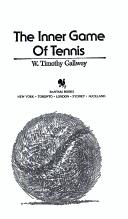
Performing under pressure by quieting the self-interference that spoils play.
Recommended by: Bill Gates, Nat Eliason, Brad Feld and 1 other
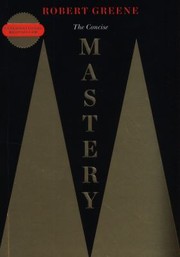
How masters from Leonardo to Faraday found a life's task and served apprenticeships.
Recommended by: Nat Eliason, Ryan Holiday, Anthony Pompliano and 5 others

How people champion new ideas, and how leaders can encourage originality.
Recommended by: Mohnish Pabrai, Tony Hsieh, Alfred Lin and 7 others

Early specialisation works only where rules are stable; elsewhere breadth wins.
Recommended by: Bill Gates, Abi Tyas Tunggal, Alex Lieberman and 11 others

Recommended by: Patrick O'Shaughnessy

Creativity in humour, science and art as 'bisociation': joining two unrelated frames.
Recommended by: Patrick O'Shaughnessy, Adam Robinson

Recommended by: Patrick Collison

Recommended by: Patrick O'Shaughnessy, Tim Ferriss
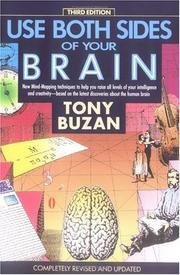
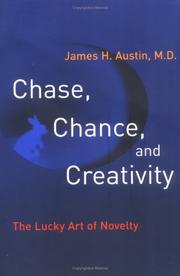
A neurologist on the varieties of luck in scientific discovery
“wrote an outstanding book called Chase, Chance, and Creativity … It's the best book I've read on the role of luck, chance, and serendipity” — Marc Andreessen
Source: Luck and the Entrepreneur: The four kinds of luck, blog.pmarca.com
Recommended by: Marc Andreessen

Recommended by: Tim Ferriss
Recommended by: Mohnish Pabrai
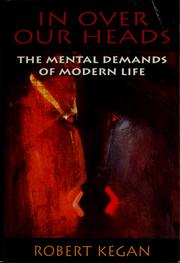
Recommended by: Graham Duncan, Ray Dalio

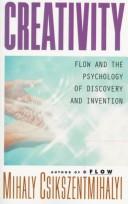

Recommended by: Patrick Collison
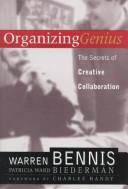
Why some groups of talented people achieve greatness and others never do.
Recommended by: Mohnish Pabrai, Patrick Collison
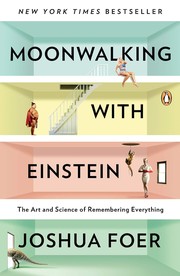
A journalist learns memory techniques and wins the US Memory Championship.
Recommended by: Bill Gates, Mohnish Pabrai, Nat Eliason and 4 others
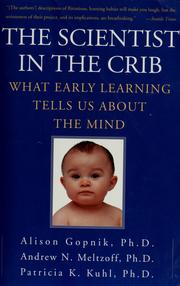
Recommended by: Steve Jurvetson
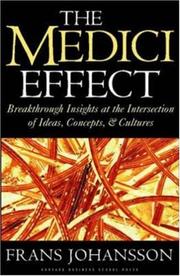
Recommended by: Mohnish Pabrai
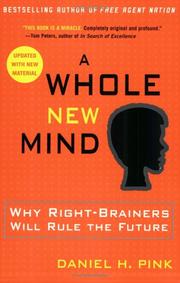

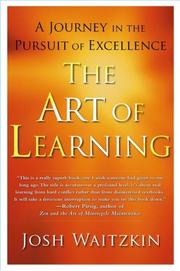
What a chess prodigy turned tai chi champion learned about learning itself.
Recommended by: Nat Eliason, Abi Tyas Tunggal, Guy Proops and 2 others
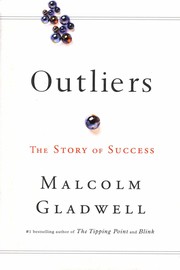
How timing, culture and accumulated advantage explain exceptional success.
Recommended by: Mohnish Pabrai, Tony Hsieh, Bill Gates and 6 others
Cognitive science and learning theory applied to thinking and learning better.
Recommended by: Nat Eliason
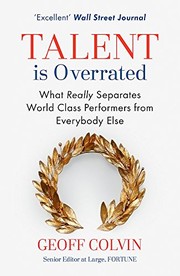
Deliberate practice, not innate talent, explains world-class performance.
Recommended by: Mohnish Pabrai, Alfred Lin, Donald Trump

Recommended by: Mohnish Pabrai

How talent is grown, not born, through a brain mechanism training can tap.
Recommended by: Mohnish Pabrai, Nat Eliason, David Cancel and 2 others

Recommended by: Bill Gates

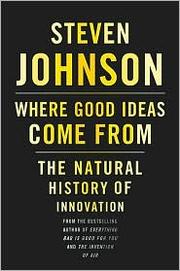
Seven patterns, such as the adjacent possible, in the settings that produce ideas.
Recommended by: Andrew Wilkinson, Bill Gates, Mohnish Pabrai and 3 others

Recommended by: Mohnish Pabrai

Recommended by: Graham Duncan
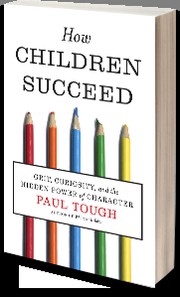
Recommended by: Mohnish Pabrai

Field-tested tips for improving skills in sport, music, art, maths and business.
Recommended by: Nat Eliason, David Cancel
Recommended by: Anthony Pompliano, David Cancel and 2 others

Recommended by: Mohnish Pabrai


How extreme-sports athletes use flow states to push performance further.
Recommended by: Nat Eliason, Adam Fisher, Chase Jarvis and 2 others

Recommended by: Mohnish Pabrai, Patrick O'Shaughnessy and 1 other

Recommended by: Mohnish Pabrai


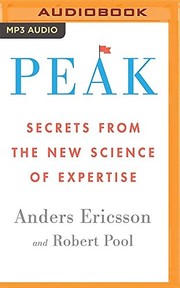
How experts in music, chess, medicine and sport excel through deliberate practice.
Recommended by: Nat Eliason

Recommended by: Safi Bahcall


Creative genius explained as a Darwinian process of variation and selection.
Recommended by: Patrick Collison
A powerlifter's guide to the mental training behind world-class strength.
Recommended by: Nat Eliason
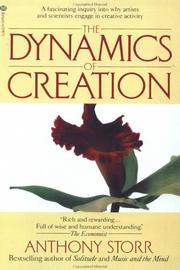
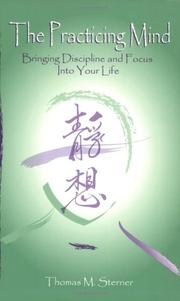


 Mohnish Pabrairecommends 17 books here
 Patrick Collisonrecommends 9 books here
 Bill Gatesrecommends 6 books here
 Ray Daliorecommends 5 books here
 Tim Ferrissrecommends 5 books here
 Arianna Huffingtonrecommends 3 books here
 James Altucherrecommends 3 books here
 Tony Hsiehrecommends 3 books here
Show all 60
 Marc Andreessenrecommends 2 books here
 Ryan Holidayrecommends 2 books here
 Alfred Linrecommends 2 books here
 Keith Raboisrecommends 2 books here
 Nir Eyalrecommends 2 books here
 Tom Bilyeurecommends 2 books here
 Charlie Mungerrecommends 1 book here
 Brad Feldrecommends 1 book here
 Guy Kawasakirecommends 1 book here
 Brett Adcockrecommends 1 book here
 Changpeng Zhaorecommends 1 book here
 Charles Kochrecommends 1 book here
 Donald Trumprecommends 1 book here
 Jensen Huangrecommends 1 book here
 Patrick Bet-Davidrecommends 1 book here
 Peter Attiarecommends 1 book here
 Richard Bransonrecommends 1 book here
 Sheryl Sandbergrecommends 1 book here
 Steve Jurvetsonrecommends 1 book here
 Susan Cainrecommends 1 book here
 Tobi Lütkerecommends 1 book here
 Vinod Khoslarecommends 1 book here
 Whitney Wolfe Herdrecommends 1 book here
 Zoë Foster Blakerecommends 1 book here