Social behaviour and collective action
Holds books on how groups think and act: crowds, networks, tipping points, collective action, polarisation and the social science of everyday behaviour, including Gladwell and Freakonomics.
Start here
- The Crowd: A Study of the Popular MindGustave Le Bon, 1895
- The True BelieverEric Hoffer, 1951
- Diffusion of InnovationsEverett M. Rogers, 1962
- Normal AccidentsCharles Perrow, 1984
- The Evolution of CooperationRobert Axelrod, 1984

How individuals lose judgement in a crowd and how leaders sway crowds.
“The Crowd, written in 1895 by Gustave Le Bon, is probably the most instrumental book in framing my ability to go against the grain of conventional thought and not feel insecure.” — Frank Martin
Source: Martin on the book that let him go against conventional thought
Recommended by: Frank Martin, Mohnish Pabrai, Peter Cundill and 1 other

Why mass movements of every kind draw the same frustrated people and use one method.
“My favourite book to recommend is The True Believer: Thoughts on the Nature of Mass Movements by Eric Hoffer. There is no discussion about investing, but it is extremely helpful in understanding…” — Joe Rosenberg
Source: Rosenberg on the book he most often recommends
Recommended by: Joe Rosenberg, Mohnish Pabrai and 6 others

An academic study of how new ideas spread.
Recommended by: Patrick O'Shaughnessy
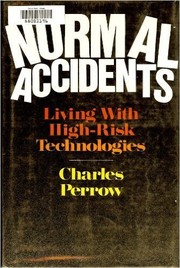
Why complex, tightly coupled systems such as Three Mile Island will fail regardless.
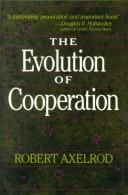
Computer tournaments of the prisoner's dilemma show why tit-for-tat wins.
Recommended by: Patrick Collison, Naval Ravikant

Preference falsification: why people hide their views and how that hides change.
“So this is one of the all time great books. Incredible.” — Marc Andreessen
Source: Lex Fridman Podcast #458 transcript — Marc Andreessen
Recommended by: Marc Andreessen

Common knowledge, where everyone knows that everyone knows, and what it does.
Recommended by: Bill Gates

Elster on mechanisms rather than laws in the social sciences
Recommended by: Mohnish Pabrai, Nassim Nicholas Taleb

Gladwell on underdogs and mistaken assumptions about advantage
“…books I've recommended, highlighted to death, or forced on friends.” — Andrew Wilkinson
Source: Andrew Wilkinson's Bookshelf, neverenough.com
Recommended by: Andrew Wilkinson, Mohnish Pabrai and 1 other

Why incumbent power in states, firms and armies now erodes faster
Recommended by: Mark Zuckerberg

Network science on how success and reputation compound unequally
Recommended by: Nassim Nicholas Taleb, Vinod Khosla

Recommended by: Nat Eliason
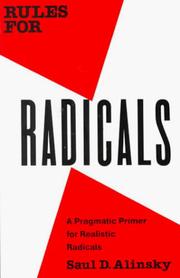
Recommended by: Ryan Holiday, Balaji S. Srinivasan
Recommended by: Ramit Sethi, Sahil Lavingia

How communities manage shared resources without either the state or the market.
Recommended by: Patrick Collison, Stewart Brand

Recommended by: Graham Duncan, Ray Dalio

Cognitive therapy applied to the thinking behind anger, hostility and violence.
Recommended by: Mohnish Pabrai

Recommended by: Mohnish Pabrai
How ideas and behaviour spread like epidemics, and the three factors that tip them.
Recommended by: Mohnish Pabrai, Tony Hsieh, Ev Williams and 2 others

Common knowledge and coordination; why rituals and advertising work
Recommended by: Mark Zuckerberg
Recommended by: Mohnish Pabrai
When groups judge better than experts, and the four conditions that make it work.
“Jim Surowiecki deftly articulated this line of thinking in his delightful book, The Wisdom of Crowds.” — Michael Mauboussin
Source: Contrarian Investing: The Psychology of Going Against the Crowd (Legg Mason Capital Management)
Recommended by: Michael Mauboussin, Mohnish Pabrai and 3 others

Incentives and data applied to cheating teachers, sumo wrestlers and other puzzles.
Recommended by: Mohnish Pabrai, Andrew Lokenauth and 6 others

“his book An Engine Not a Camera (which I would highly recommend if you are interested in these topics)” — Michael Mauboussin
Source: The Wisdom and Whims of the Collective (Legg Mason Capital Management)
Recommended by: Michael Mauboussin
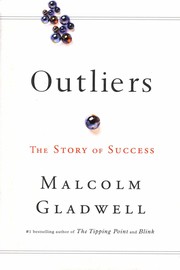
How timing, culture and accumulated advantage explain exceptional success.
Recommended by: Mohnish Pabrai, Tony Hsieh, Bill Gates and 6 others

Sequel applying incentive analysis to climate, crime and altruism
“I recommend this book to anyone who reads nonfiction. It is very well written and full of great insights.” — Bill Gates
Source: Gates Notes review of SuperFreakonomics
Recommended by: Bill Gates, Mohnish Pabrai

Recommended by: Mohnish Pabrai

Recommended by: Mohnish Pabrai
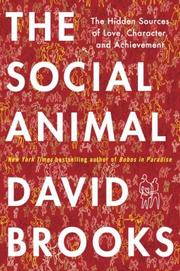
Recommended by: Mohnish Pabrai

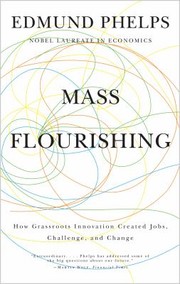
Recommended by: Patrick Collison

How popularity in youth shapes development and still affects happiness and success.
Recommended by: Susan Cain

Recommended by: Antonio García Martínez
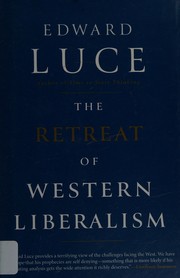
Recommended by: Antonio García Martínez
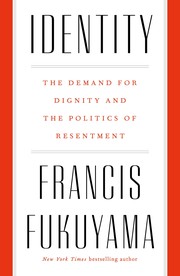

How group identities drive politics at home and abroad, and how elites missed it.
Recommended by: Mark Cuban
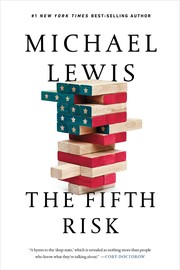

Reporting from five swing states on whether Trump's election was a fluke or a shift.
Recommended by: Donald Trump, Mark Cuban


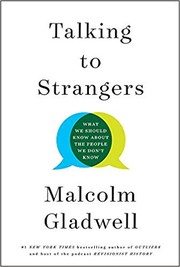
Recommended by: Melinda Gates, Patrick Bet-David and 1 other




Step-by-step rules for hosting short, structured parties that build relationships.
Recommended by: Andrew Wilkinson, Austin Rief


Recommended by: Ev Williams, Elon Musk, Julian Shapiro

Recommended by: Andrew Wilkinson

Recommended by: Andrew Wilkinson


History, spiritual teachers and nature on why community matters and how it forms.
Recommended by: Arianna Huffington


 Mohnish Pabrairecommends 15 books here
 Bill Gatesrecommends 5 books here
 Ev Williamsrecommends 4 books here
 Patrick Collisonrecommends 4 books here
 Marc Andreessenrecommends 3 books here
 Simon Sinekrecommends 3 books here
 Antonio García Martínezrecommends 3 books here
 Arianna Huffingtonrecommends 3 books here
 Nassim Nicholas Talebrecommends 2 books here
 Ryan Holidayrecommends 2 books here
Show all 60
 Eric Weinsteinrecommends 2 books here
 James Altucherrecommends 2 books here
 Kevin Roserecommends 2 books here
 Mark Cubanrecommends 2 books here
 Mark Zuckerbergrecommends 2 books here
 Susan Cainrecommends 2 books here
 Tony Hsiehrecommends 2 books here
 Vinod Khoslarecommends 2 books here
 Charlie Mungerrecommends 1 book here
 Ray Daliorecommends 1 book here
 Reid Hoffmanrecommends 1 book here
 Alfred Linrecommends 1 book here
 Balaji S. Srinivasanrecommends 1 book here
 Bertalan Meskórecommends 1 book here
 Donald Trumprecommends 1 book here
 Elon Muskrecommends 1 book here
 Jensen Huangrecommends 1 book here
 Julia Galefrecommends 1 book here
 Kathryn Minshewrecommends 1 book here
 Matt Mullenwegrecommends 1 book here
 Melinda Gatesrecommends 1 book here
 Michael Bloombergrecommends 1 book here
 Naval Ravikantrecommends 1 book here
 Nir Eyalrecommends 1 book here
 Patrick Bet-Davidrecommends 1 book here
 Ramit Sethirecommends 1 book here
 Ruslan Koganrecommends 1 book here
 Stewart Brandrecommends 1 book here
 Susan J. Fowlerrecommends 1 book here