
Social Proof and Mimetic Desire
Under uncertainty people treat others' behaviour as evidence of correct behaviour, and Girard pushed it further: we copy the desire itself. In markets this turns price into its own justification, buying begetting buying until the loop snaps. The test is simple - if the strongest argument for a position is who else owns it, you hold a queue number rather than a thesis.
Start here
- Influence: The Psychology of PersuasionRobert B. Cialdini, 1984
- Extraordinary Popular Delusions and the Madness of CrowdsCharles Mackay, 1841
- Irrational ExuberanceRobert J. Shiller, 2000
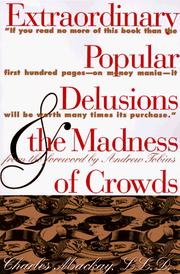
Crowd manias from the Mississippi scheme and South Sea Bubble to witch trials.
“The first couple of chapters of this book, which describes in detail the great financial and stock market manias of the eighteenth century, are essential reading for all serious investors.” — Barton Biggs
Source: Biggs on the first chapters as essential reading
Recommended by: Barton Biggs, Bernard Baruch, Peter Cundill and 2 others

How individuals lose judgement in a crowd and how leaders sway crowds.
“The Crowd, written in 1895 by Gustave Le Bon, is probably the most instrumental book in framing my ability to go against the grain of conventional thought and not feel insecure.” — Frank Martin
Source: Martin on the book that let him go against conventional thought
Recommended by: Frank Martin, Mohnish Pabrai, Peter Cundill and 1 other

Why mass movements of every kind draw the same frustrated people and use one method.
“My favourite book to recommend is The True Believer: Thoughts on the Nature of Mass Movements by Eric Hoffer. There is no discussion about investing, but it is extremely helpful in understanding…” — Joe Rosenberg
Source: Rosenberg on the book he most often recommends
Recommended by: Joe Rosenberg, Mohnish Pabrai and 6 others

Financial crises follow a repeated sequence of boom, mania, panic and crash.
Recommended by: Howard Marks, Li Lu
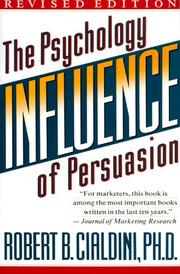
Six principles of compliance, from reciprocity to scarcity, and how sellers use them.
“…books I've recommended, highlighted to death, or forced on friends.” — Andrew Wilkinson
Source: Andrew Wilkinson's Bookshelf, neverenough.com
Recommended by: Andrew Wilkinson, Charlie Munger and 29 others

Speculation from ancient Rome and tulip mania to the 1990s, and its recurring traits.
Recommended by: Howard Marks, Mohnish Pabrai and 1 other

How psychology, not fundamentals, drove the stock and housing booms of 2000 and 2005.
Recommended by: Mohnish Pabrai, Andrew Lokenauth and 1 other
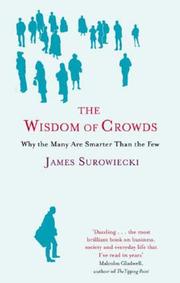
When groups judge better than experts, and the four conditions that make it work.
“Jim Surowiecki deftly articulated this line of thinking in his delightful book, The Wisdom of Crowds.” — Michael Mauboussin
Source: Contrarian Investing: The Psychology of Going Against the Crowd (Legg Mason Capital Management)
Recommended by: Michael Mauboussin, Mohnish Pabrai and 3 others

Techniques for handling people, being liked and winning others to your view.
Recommended by: Mohnish Pabrai, Alex and Books and 13 others

Mimetic rivalry, where rivals grow alike, and the violence it unleashes in societies.
Recommended by: Patrick Collison, Eric Weinstein and 1 other
Preference falsification: why people hide their views and how that hides change.
“So this is one of the all time great books. Incredible.” — Marc Andreessen
Source: Lex Fridman Podcast #458 transcript — Marc Andreessen
Recommended by: Marc Andreessen
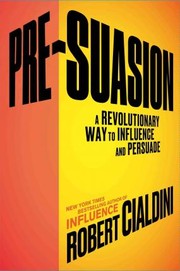
Where you direct attention just before a message shapes how it is received.
Recommended by: Michael Mauboussin, Naval Ravikant

Common knowledge, where everyone knows that everyone knows, and what it does.
Recommended by: Bill Gates

Girard reading Dostoevsky; mimetic rivalry and resentment
Recommended by: Peter Thiel

Common knowledge and coordination; why rituals and advertising work
Recommended by: Mark Zuckerberg

Cialdini's persuasion research condensed into fifty applied findings
Recommended by: Mohnish Pabrai, Charlie Munger
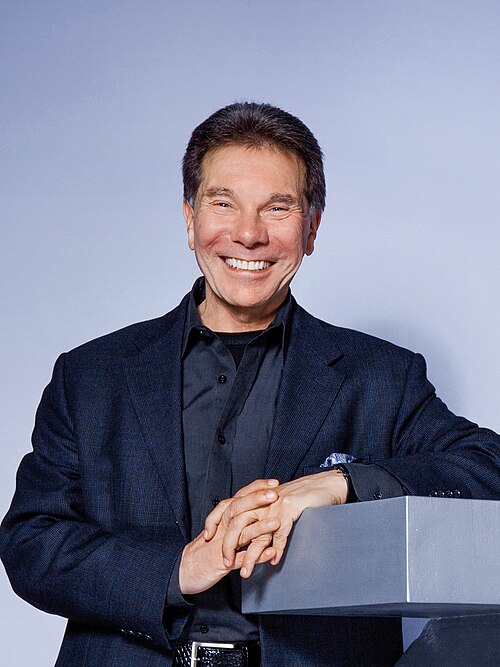 Robert B. Cialdiniwrote 3 books here
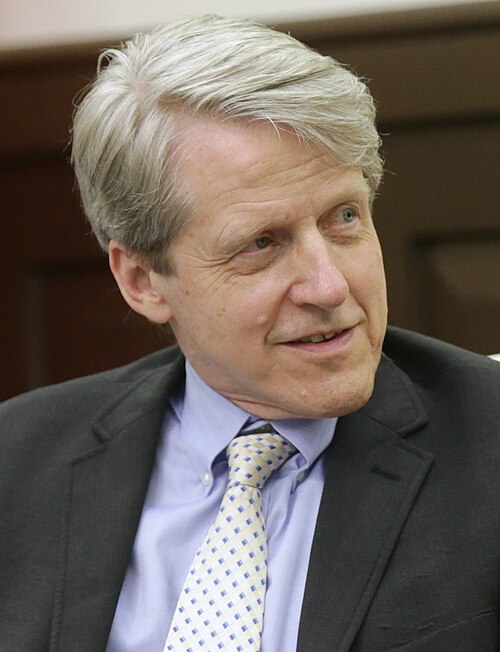 Robert J. Shillerwrote 1 book here
 Mohnish Pabrairecommends 8 books here
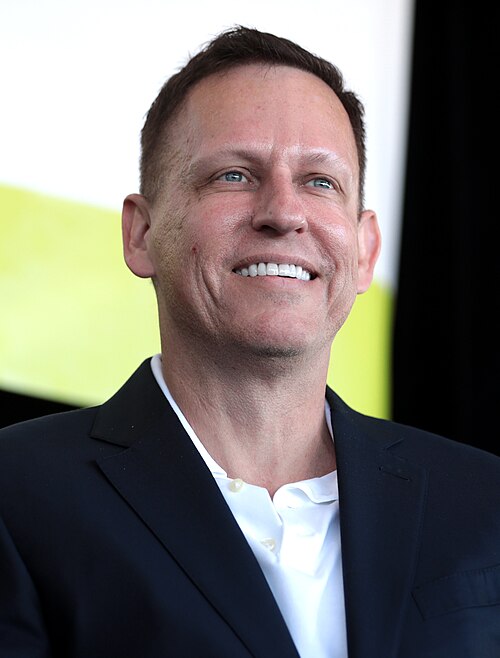 Peter Thielrecommends 3 books here
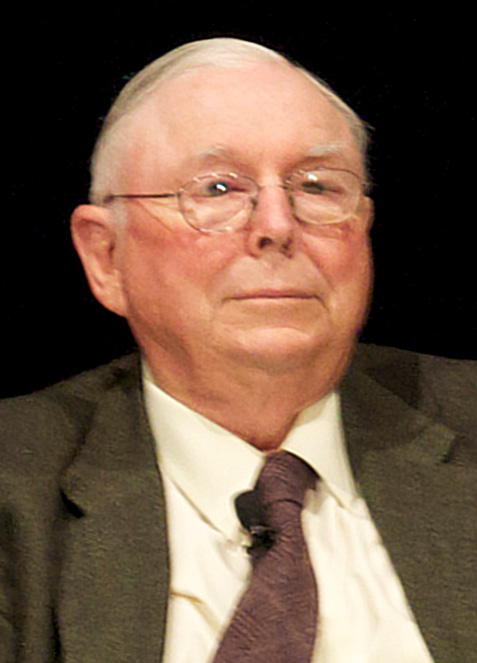 Charlie Mungerrecommends 2 books here
 Howard Marksrecommends 2 books here
 Marc Andreessenrecommends 2 books here
 Warren Buffettrecommends 2 books here
 Alexis Ohanianrecommends 2 books here
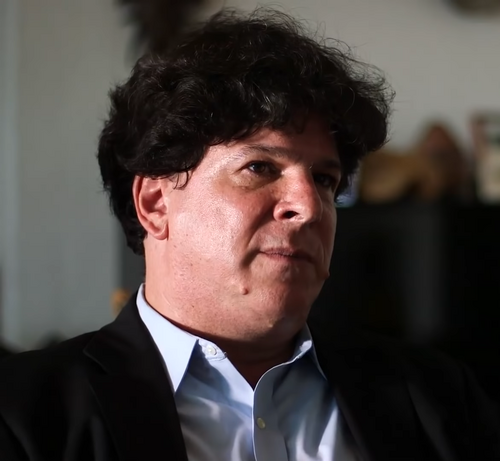 Eric Weinsteinrecommends 2 books here
Show all 61
 Naval Ravikantrecommends 2 books here
 Nir Eyalrecommends 2 books here
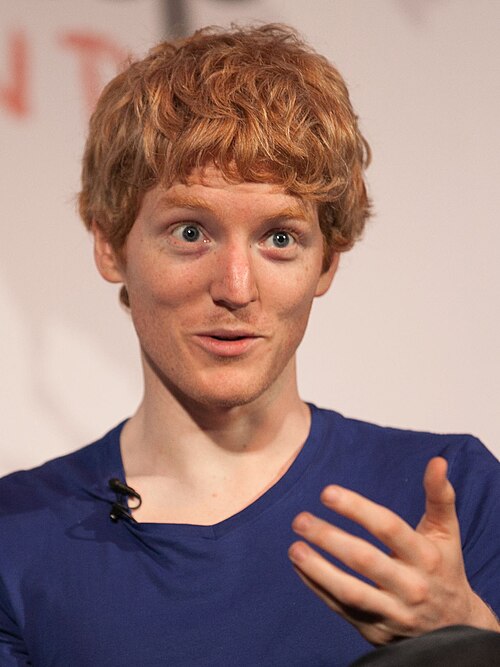 Patrick Collisonrecommends 2 books here
 Jim Collinsrecommends 1 book here
 Paul Grahamrecommends 1 book here
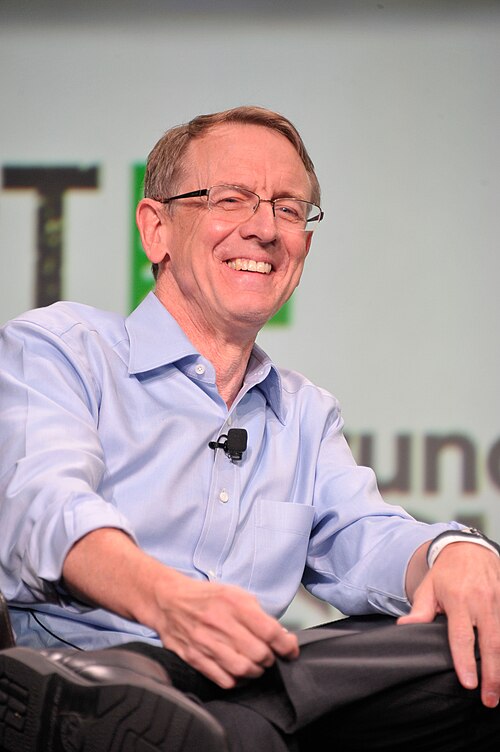 John Doerrrecommends 1 book here
 Prem Watsarecommends 1 book here
 Reid Hoffmanrecommends 1 book here
 Guy Kawasakirecommends 1 book here
 Simon Sinekrecommends 1 book here
 Antonio García Martínezrecommends 1 book here
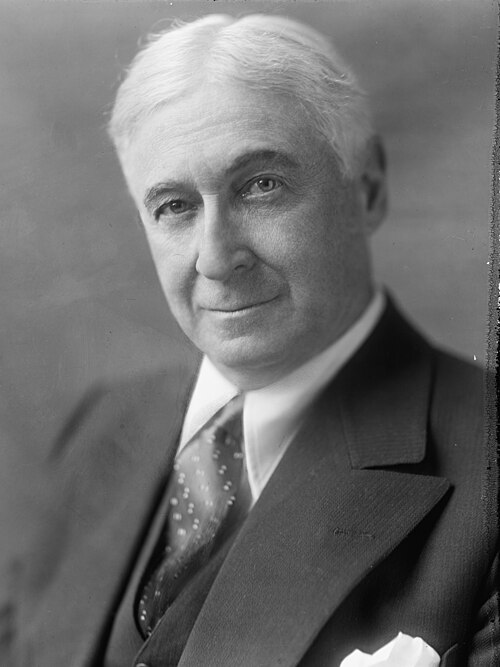 Bernard Baruchrecommends 1 book here
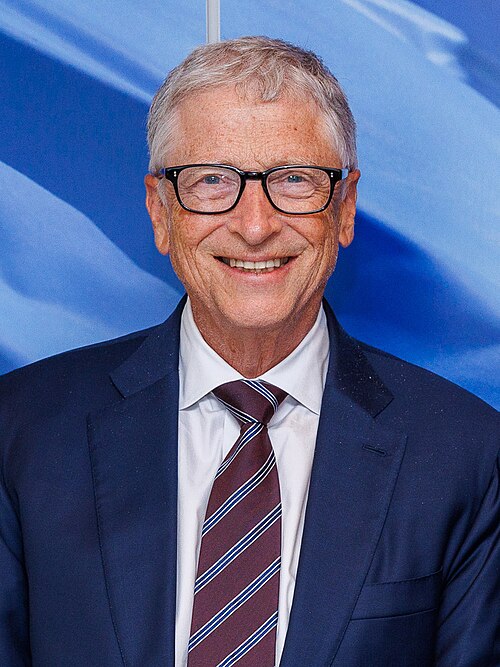 Bill Gatesrecommends 1 book here
 Ev Williamsrecommends 1 book here
 Kevin Roserecommends 1 book here
 Mark Zuckerbergrecommends 1 book here
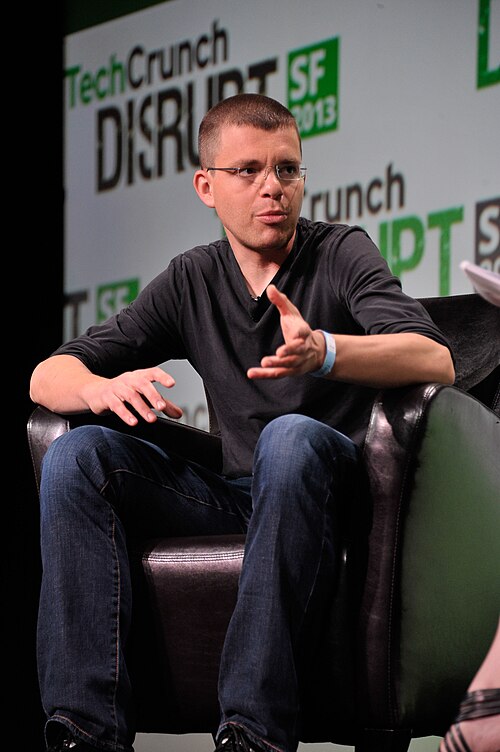 Max Levchinrecommends 1 book here
 Ramit Sethirecommends 1 book here
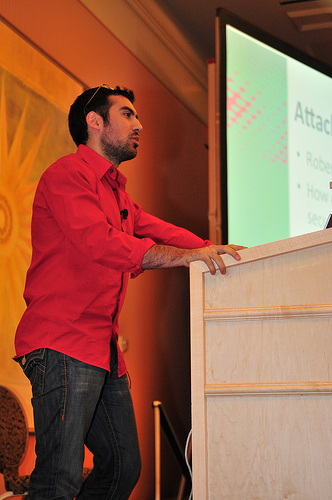 Samy Kamkarrecommends 1 book here
 Strauss Zelnickrecommends 1 book here
 Susan J. Fowlerrecommends 1 book here
 Tobi Lütkerecommends 1 book here
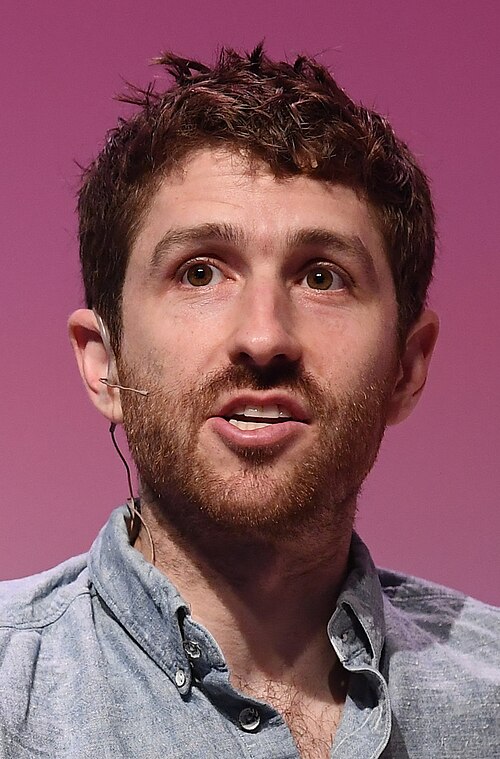 Tristan Harrisrecommends 1 book here
- Social ProofShane Parrish · essay · Under uncertainty we treat others' behaviour as evidence.
- The Limits of Crowd WisdomShane Parrish · essay · Crowds are wise only while members stay independent.
- The Wisdom of CrowdsMichael J. Mauboussin · paper · When aggregation works and when it collapses into a mob.
- SpeculationMorgan Housel · essay · When price becomes its own justification.