Social psychology, persuasion and influence
Books on how people influence one another: persuasion, power, crowds, conformity, communication, culture and group behaviour.
Start here
- Extraordinary Popular Delusions and the Madness of CrowdsCharles Mackay, 1841
- The Crowd: A Study of the Popular MindGustave Le Bon, 1895
- The True BelieverEric Hoffer, 1951
- GroupthinkIrving L. Janis, 1972
- Pre-SuasionRobert B. Cialdini, 2016

Crowd manias from the Mississippi scheme and South Sea Bubble to witch trials.
“The first couple of chapters of this book, which describes in detail the great financial and stock market manias of the eighteenth century, are essential reading for all serious investors.” — Barton Biggs
Source: Biggs on the first chapters as essential reading
Recommended by: Barton Biggs, Bernard Baruch, Peter Cundill and 2 others

How individuals lose judgement in a crowd and how leaders sway crowds.
“The Crowd, written in 1895 by Gustave Le Bon, is probably the most instrumental book in framing my ability to go against the grain of conventional thought and not feel insecure.” — Frank Martin
Source: Martin on the book that let him go against conventional thought
Recommended by: Frank Martin, Mohnish Pabrai, Peter Cundill and 1 other

Why mass movements of every kind draw the same frustrated people and use one method.
“My favourite book to recommend is The True Believer: Thoughts on the Nature of Mass Movements by Eric Hoffer. There is no discussion about investing, but it is extremely helpful in understanding…” — Joe Rosenberg
Source: Rosenberg on the book he most often recommends
Recommended by: Joe Rosenberg, Mohnish Pabrai and 6 others

How the wish for agreement in close groups led to fiascos like the Bay of Pigs.
“One of my favourite books, Groupthink by Irving Janis, breaks down how small, cohesive groups of very smart people can make very bad decisions.” — Adam Weiss
Source: Weiss naming Groupthink one of his favourite books
Recommended by: Adam Weiss, Barton Biggs
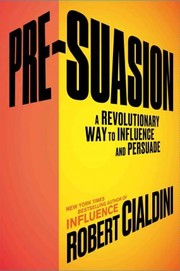
Where you direct attention just before a message shapes how it is received.
Recommended by: Michael Mauboussin, Naval Ravikant

Techniques for handling people, being liked and winning others to your view.
Recommended by: Mohnish Pabrai, Alex and Books and 13 others

How 1950s advertisers used psychological research to sway buyers.
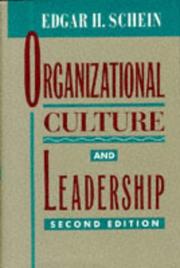
What organisational culture is, how it forms, and how it bears on leadership.

Preference falsification: why people hide their views and how that hides change.
“So this is one of the all time great books. Incredible.” — Marc Andreessen
Source: Lex Fridman Podcast #458 transcript — Marc Andreessen
Recommended by: Marc Andreessen

Forty-eight rules for gaining and keeping power, each shown by historical episodes.
Recommended by: Nat Eliason, Ryan Holiday, Iman Gadzhi and 3 others
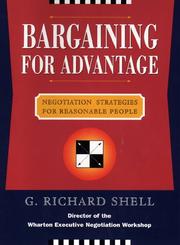
A step-by-step approach to business negotiation from Wharton's negotiation workshop.
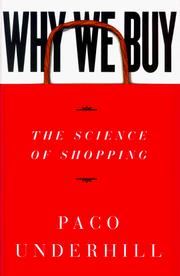

Seducer types, victim types and a step-by-step process of attraction from history.
Recommended by: Nat Eliason
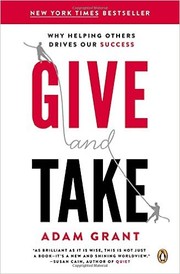
Givers, takers and matchers, and why givers end up both at the bottom and the top.
Recommended by: Mohnish Pabrai, Alex Lieberman and 4 others
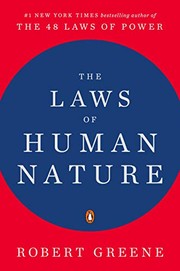
Eighteen patterns of human behaviour, from irrationality on, and how to handle them.
“If you've ever been curious about psychology or human behavior, it is by far the most comprehensive and memorable book I've found.” — Andrew Wilkinson
Source: Newsletter
Recommended by: Andrew Wilkinson, Library Mindset

Common knowledge, where everyone knows that everyone knows, and what it does.
Recommended by: Bill Gates
How the internet can spread generosity and make giving a force for good.
Recommended by: Bill Gates

Thirty-three strategies of conflict drawn from Napoleon, Hannibal, Thatcher and more.
Recommended by: Ryan Holiday

How biases such as anchoring and the winner's curse distort bargaining.


Gladwell on underdogs and mistaken assumptions about advantage
“…books I've recommended, highlighted to death, or forced on friends.” — Andrew Wilkinson
Source: Andrew Wilkinson's Bookshelf, neverenough.com
Recommended by: Andrew Wilkinson, Mohnish Pabrai and 1 other

Recommended by: Ramit Sethi, Sahil Lavingia
Recommended by: Brian Armstrong


Recommended by: Antonio García Martínez

Recommended by: Ramit Sethi, Tim Ferriss

Recommended by: Drew Houston, Julian Shapiro

Recommended by: Mohnish Pabrai

Recommended by: Mohnish Pabrai

Recommended by: Mohnish Pabrai

How to spot subtle warning signs of violence and trust the intuition that sees them.
Recommended by: Ramit Sethi, Tim Ferriss

Recommended by: Mohnish Pabrai

Four steps to speak without blame: observations, feelings, needs and requests.
Recommended by: Andrew Wilkinson, Dustin Moskovitz and 3 others

Recommended by: Mohnish Pabrai
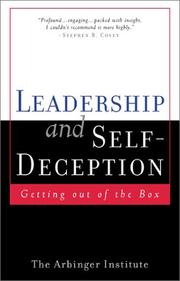
Recommended by: Mohnish Pabrai, Girish Mathrubootham and 2 others
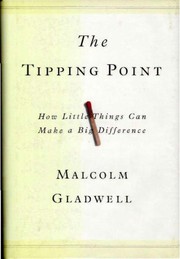
How ideas and behaviour spread like epidemics, and the three factors that tip them.
Recommended by: Mohnish Pabrai, Tony Hsieh, Ev Williams and 2 others

Recommended by: Mohnish Pabrai

Recommended by: Mohnish Pabrai

Recommended by: Satya Nadella



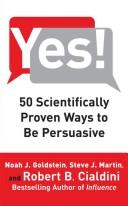
Cialdini's persuasion research condensed into fifty applied findings
Recommended by: Mohnish Pabrai, Charlie Munger

Recommended by: Mohnish Pabrai


Recommended by: Mohnish Pabrai

Recommended by: Patrick Collison, Marissa Mayer

Recommended by: Ali Abdaal, Jackie Vullinghs, Tristan Harris and 1 other

Recommended by: Mohnish Pabrai

Recommended by: Patrick O'Shaughnessy, Vinod Khosla

A short case against all lying, white lies included.
Recommended by: Nat Eliason, Naval Ravikant, Vinod Khosla and 3 others

How to deal with irrational, volatile and manipulative people at work and at home.
Recommended by: Cynthia Johnson
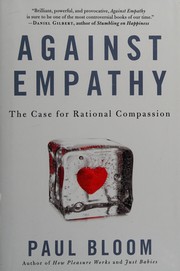


How popularity in youth shapes development and still affects happiness and success.
Recommended by: Susan Cain

How to design moments that make experiences richer and more memorable.
Recommended by: Jake Knapp, Joel Connolly, Michael Batko

An FBI counterintelligence system for earning trust, built from recruiting sources.
Recommended by: Kevin Rose

Recommended by: Alexis Ohanian, Kathryn Minshew

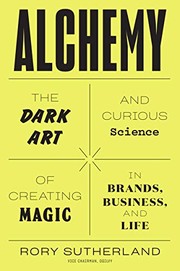

Recommended by: Cal Newport
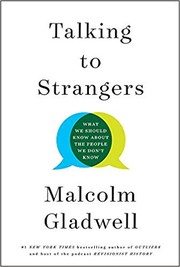
Recommended by: Melinda Gates, Patrick Bet-David and 1 other

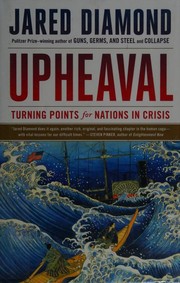

Recommended by: Ryan Hoover, Sahil Lavingia

Recommended by: Marc Andreessen




Rene Girard's theory that people imitate each other's desires, applied to business.
Recommended by: Andrew Wilkinson, Chamath Palihapitiya and 3 others
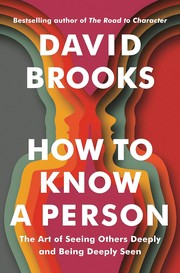
Recommended by: Andrew Wilkinson, Bill Gates

Recommended by: Andrew Wilkinson




Recommended by: Mohnish Pabrai

How people read others' thoughts and feelings, and how misreading them causes rifts.
Recommended by: Nat Eliason
 Robert Greenewrote 4 books here
 Robert B. Cialdiniwrote 2 books here
 Rory Sutherlandwrote 2 books here
 Adam Grantwrote 1 book here
 Chris Andersonwrote 1 book here
 Brian Grazerwrote 1 book here
 Mohnish Pabrairecommends 19 books here
 Bill Gatesrecommends 4 books here
 Tim Ferrissrecommends 4 books here
 Vinod Khoslarecommends 4 books here
 Marc Andreessenrecommends 3 books here
 Naval Ravikantrecommends 3 books here
 Ramit Sethirecommends 3 books here
Show all 91
 Reid Hoffmanrecommends 2 books here
 Ryan Holidayrecommends 2 books here
 Simon Sinekrecommends 2 books here
 Alexis Ohanianrecommends 2 books here
 Antonio García Martínezrecommends 2 books here
 Brian Armstrongrecommends 2 books here
 Garry Tanrecommends 2 books here
 Kathryn Minshewrecommends 2 books here
 Kevin Roserecommends 2 books here
 Matt Mullenwegrecommends 2 books here
 Patrick Collisonrecommends 2 books here
 Satya Nadellarecommends 2 books here
 Susan Cainrecommends 2 books here
 Tony Hsiehrecommends 2 books here
 Charlie Mungerrecommends 1 book here
 Nassim Nicholas Talebrecommends 1 book here
 Paul Grahamrecommends 1 book here
 Ray Daliorecommends 1 book here
 Warren Buffettrecommends 1 book here
 John Doerrrecommends 1 book here
 Prem Watsarecommends 1 book here
 Tyler Cowenrecommends 1 book here
 Alfred Linrecommends 1 book here
 Arianna Huffingtonrecommends 1 book here
 Bernard Baruchrecommends 1 book here
 Chamath Palihapitiyarecommends 1 book here
 Changpeng Zhaorecommends 1 book here
 Cynthia Johnsonrecommends 1 book here
 Drew Houstonrecommends 1 book here
 Dustin Moskovitzrecommends 1 book here
 Elon Muskrecommends 1 book here
 Emmett Shearrecommends 1 book here
 Eric Weinsteinrecommends 1 book here
 Ev Williamsrecommends 1 book here
 Justin Kanrecommends 1 book here
 Marissa Mayerrecommends 1 book here
 Melinda Gatesrecommends 1 book here
 Nir Eyalrecommends 1 book here
 Patrick Bet-Davidrecommends 1 book here
 Ryan Petersonrecommends 1 book here
 Sheryl Sandbergrecommends 1 book here
 Stewart Butterfieldrecommends 1 book here
 Strauss Zelnickrecommends 1 book here
 Susan J. Fowlerrecommends 1 book here
 Tristan Harrisrecommends 1 book here