Behavioural finance and the psychology of money
Books on how investors and consumers behave with money, behavioural economics research, and the emotions behind spending, saving and trading.
Start here
- Contrarian Investment StrategiesDavid Dreman, 1999
- Discover Your Inner EconomistTyler Cowen, 2007
- Predictably IrrationalDan Ariely, 2008
- PricelessWilliam Poundstone, 2010
- Misbehaving: The Making of Behavioral EconomicsRichard H. Thaler, 2015
Data showing that low-expectation stocks beat popular ones over the long run.
“all these people really were helpful in forming and getting me involved in investing” — Joel Greenblatt
Source: Masters in Business transcript: Joel Greenblatt (2018)
Recommended by: Joel Greenblatt, Mohnish Pabrai and 1 other
Economics for daily life: motivating people, choosing food, giving to charity.
Recommended by: Graham Duncan
Experiments showing that people depart from rational choice in repeatable ways.
Recommended by: Mohnish Pabrai, Alfred Lin, Anna Cheng and 6 others
People have no fixed sense of value, so context and anchors set the prices they pay.
Recommended by: Mohnish Pabrai, Patrick O'Shaughnessy
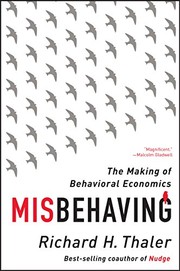
How behavioural economics was built against economists who assumed rational agents.
“He opens his new book, Misbehaving, with Vilfredo Pareto's assertion” — Howard Marks
Source: Oaktree memo 'On the Couch'
Recommended by: Howard Marks, Peter Mallouk, Tyler Cowen
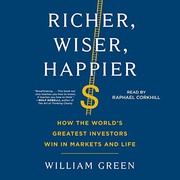
Lessons from 25 years of interviews with investors from Templeton to Munger.
“William has written the kind of book that we would love to have written but know that we lack the requisite skills.” — Nick Sleep
Recommended by: Nick Sleep
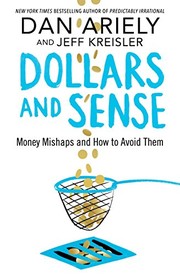
Why money is hard to think about, and the errors people make in spending.
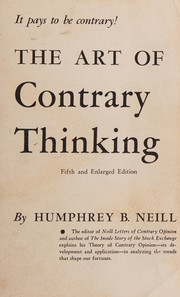
Essays on reading crowd opinion as a signal to think the opposite.
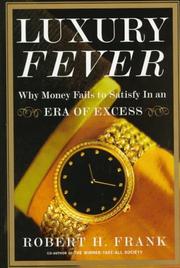
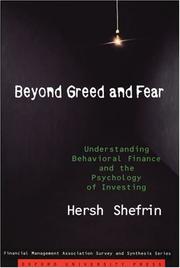
Behavioural finance for practitioners: mental shortcuts, framing and market errors.
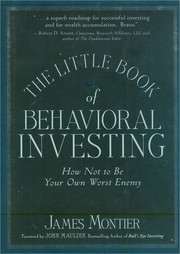
Practical countermeasures rather than a catalogue of biases.
Recommended by: Mohnish Pabrai
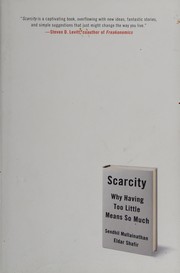
Mullainathan and Shafir's research on cognitive bandwidth shows that financial scarcity — not just poverty but any experience of not having enough — tunnels attention in ways that make long-term planning harder and short-term mistakes more likely. It reframes willpower-based explanations of financial failure without excusing the structural causes.
Recommended by: Mohnish Pabrai, Daniel Kahneman and 1 other
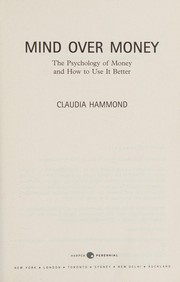
Klontz and Klontz introduced the concept of money scripts — inherited, often unconscious beliefs about money formed in childhood — and this book is the clearest account of the four script types: money avoidance, money worship, money status, and money vigilance. The clinical case material grounds the theory in ways that purely empirical books don't.
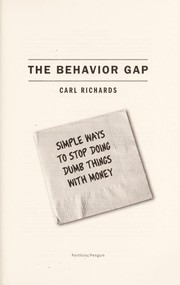
Sketches of the gap between what people know to do with money and what they do.

Home-study course rather than a trade book.
Edited volume.
Essays on investing philosophy, psychology, competition and science.
Recommended by: Rational Capital Investment Fund
Neuroscience of investing decisions, written by Graham's modern editor.
Recommended by: Mohnish Pabrai
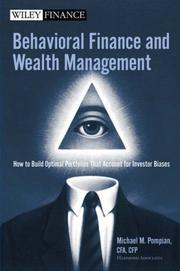
Applies behavioural finance to building portfolios for real clients.
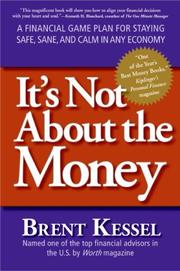
Recommended by: Mohnish Pabrai
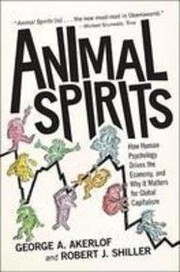
Recommended by: Mohnish Pabrai
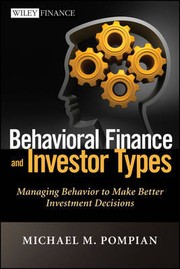
Classifies investors into behavioural types for advice and design.
How testosterone feeds traders' winning streaks and appetite for risk.
Recommended by: Nassim Nicholas Taleb
Recommended by: Mohnish Pabrai, Tim Ferriss
How popular stories spread like epidemics and drive economic events.
Recommended by: Jackie Vullinghs
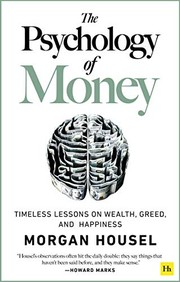
Twenty short essays on why behaviour matters more than knowledge with money.
“…books I've recommended, highlighted to death, or forced on friends.” — Andrew Wilkinson
Source: Andrew Wilkinson's Bookshelf, neverenough.com
Recommended by: Andrew Wilkinson, Nat Eliason, Ali Abdaal and 10 others
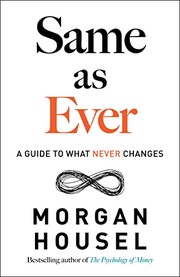
“There are many things that never change” — Andrew Wilkinson
Source: Newsletter
Recommended by: Andrew Wilkinson
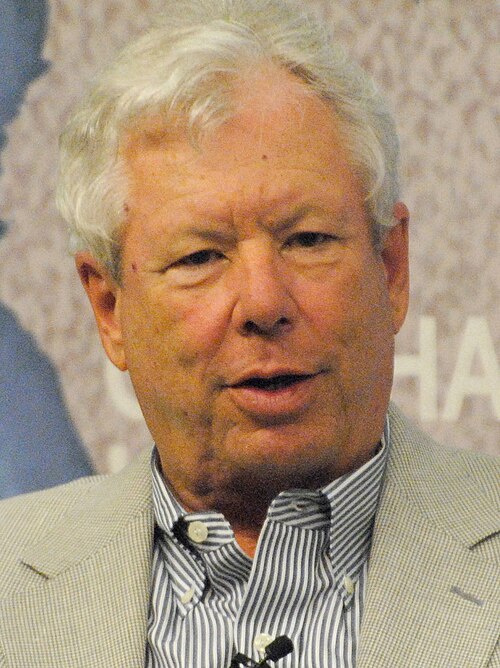 Richard H. Thalerwrote 5 books here
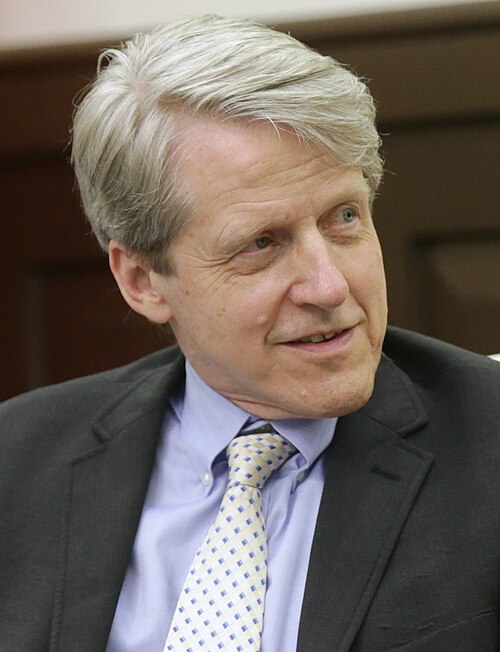 Robert J. Shillerwrote 3 books here
 Dan Arielywrote 2 books here
 Tyler Cowenwrote 1 book here
 Mohnish Pabrairecommends 9 books here
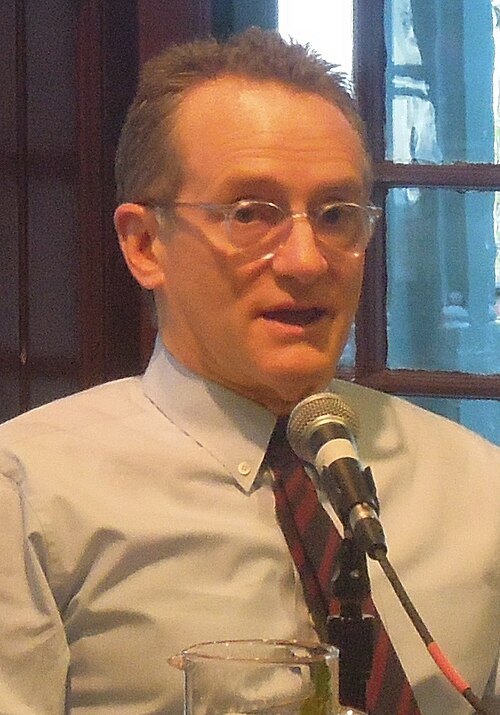 Howard Marksrecommends 2 books here
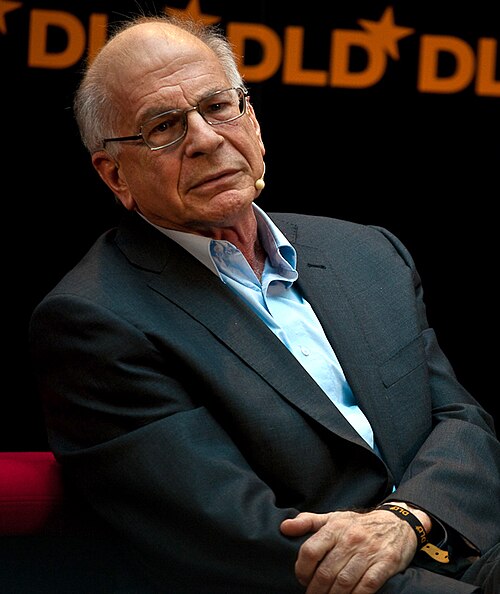 Daniel Kahnemanrecommends 1 book here
 Nassim Nicholas Talebrecommends 1 book hereTyler Cowenrecommends 1 book here
 Alfred Linrecommends 1 book here
Show all 34
 Esther Dysonrecommends 1 book here
 Keith Raboisrecommends 1 book here
 Max Levchinrecommends 1 book here
 Tim Ferrissrecommends 1 book here
 Tom Bilyeurecommends 1 book here
 Tristan Harrisrecommends 1 book here