Game Theory and Nash Equilibrium
Formal analysis of situations where your payoff depends on what others choose, with equilibrium as the point at which no player gains by deviating alone. It explains why rational competitors settle into outcomes none of them wanted, from price wars to underwriting cycles. The practical use is to model the other side's incentives rather than their stated intentions.
Start here
- Thinking StrategicallyAvinash K. Dixit, Barry J. Nalebuff, 1991
- The Evolution of CooperationRobert Axelrod, 1984
- Theory of Games and Economic BehaviorJohn von Neumann, Oskar Morgenstern, 1944
Clausewitz introduces friction, fog, and the political nature of conflict as irreducible elements of strategy. His insistence that war is a continuation of politics by other means is the foundational challenge to anyone who wants a purely technical theory of winning.
Recommended by: Ryan Holiday, Elon Musk, Reid Hoffman
The original text on strategic positioning. Sun Tzu's core insight — that winning without fighting is the highest form of strategy — runs through everything that followed. Short enough to read in an afternoon, dense enough to argue about for a career.
Recommended by: Mohnish Pabrai, Evan Spiegel, Fred Wilson and 4 others
The founding of game theory: expected utility and strategy among interacting players.
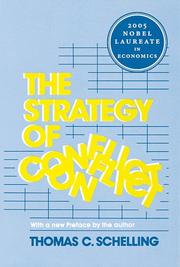
Conflict as bargaining: commitment, credible threats and focal points.
Recommended by: Naval Ravikant
Computer tournaments of the prisoner's dilemma show why tit-for-tat wins.
Recommended by: Patrick Collison, Naval Ravikant
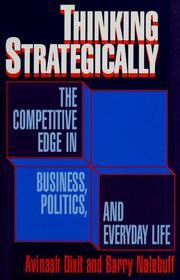
Game theory without maths: look forward, reason back, and make threats credible.
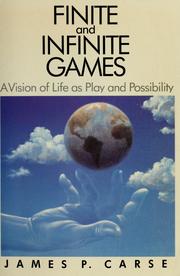
Finite games are played to win; infinite games are played to keep playing.
Recommended by: Nat Eliason, Daniel Gross, Derek Sivers and 8 others
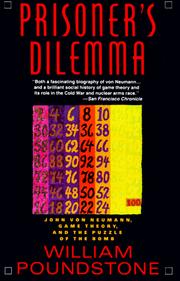
Von Neumann, game theory and the prisoner's dilemma in nuclear strategy.
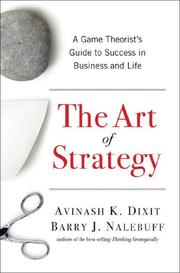
Game theory without maths, with new examples: commitment, signals, bargaining.
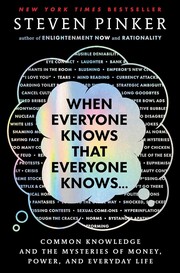
Common knowledge, where everyone knows that everyone knows, and what it does.
Recommended by: Bill Gates
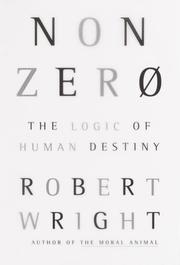
History read as an expanding series of non-zero-sum games
Recommended by: Mohnish Pabrai, Ev Williams, Nick Thompson and 1 other

Common knowledge and coordination; why rituals and advertising work
Recommended by: Mark Zuckerberg
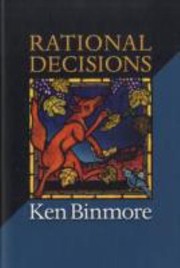
Binmore on when Bayesian decision theory applies and when it does not
Recommended by: Nassim Nicholas Taleb
 Reid Hoffmanrecommends 3 books here
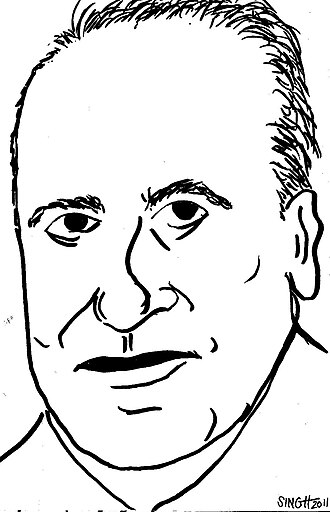 Mohnish Pabrairecommends 2 books here
 Naval Ravikantrecommends 2 books here
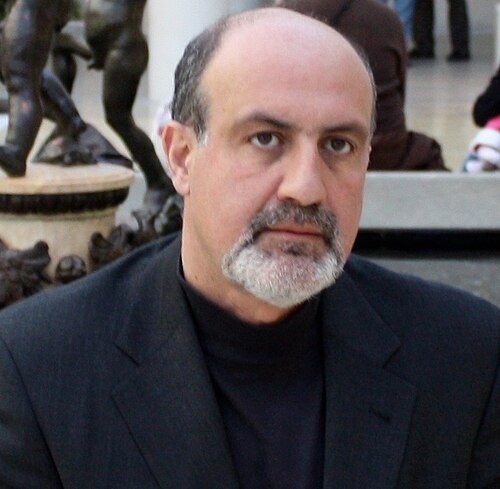 Nassim Nicholas Talebrecommends 1 book here
 Kevin Kellyrecommends 1 book here
 Marc Benioffrecommends 1 book here
 Ryan Holidayrecommends 1 book here
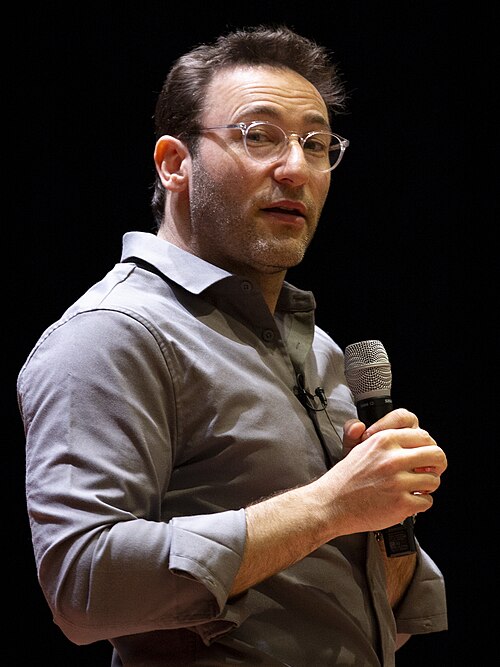 Simon Sinekrecommends 1 book here
 Bill Gatesrecommends 1 book here
 Daniel Grossrecommends 1 book here
 Elon Muskrecommends 1 book here
Show all 27
 Ev Williamsrecommends 1 book here
 Evan Spiegelrecommends 1 book here
 Fred Wilsonrecommends 1 book here
 Jane McGonigalrecommends 1 book here
 Jim O'Shaughnessyrecommends 1 book here
 Mark Zuckerbergrecommends 1 book here
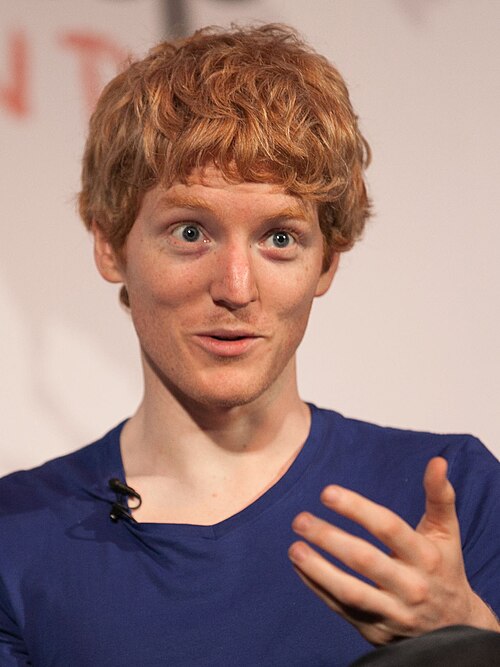 Patrick Collisonrecommends 1 book here
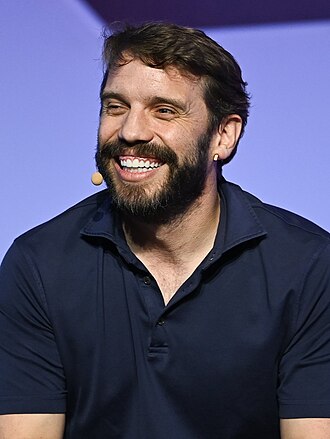 Ryan Petersonrecommends 1 book here
 Stewart Brandrecommends 1 book here
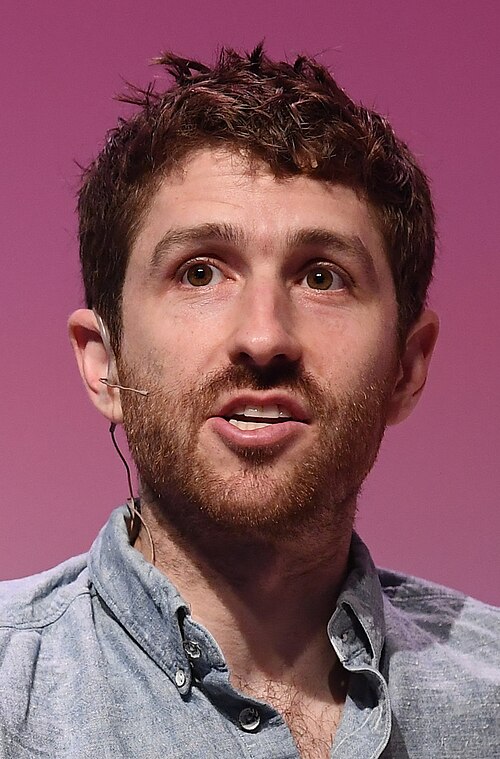 Tristan Harrisrecommends 1 book here
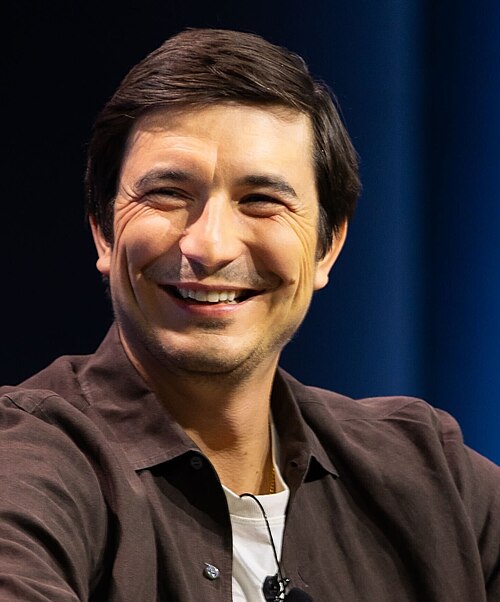 Vlad Tenevrecommends 1 book here
- Game TheoryShane Parrish · essay · Payoffs when your outcome depends on other players.
- Coordination ProblemsShane Parrish · essay · Why rational individuals reach collectively bad outcomes.
- Mutually Assured DestructionShane Parrish · essay · Equilibrium held by the cost of defecting.
- Tit for Tat and CooperationShane Parrish · essay · Axelrod's winning strategy in the repeated dilemma.