Brain, mind and consciousness
Books on neuroscience, memory, emotion, language, intelligence and the problem of consciousness.
Start here
- BehaveRobert M. Sapolsky, 2017
- The Language InstinctSteven Pinker, 1994
- Why Zebras Don't Get UlcersRobert M. Sapolsky, 1994
- The Nurture AssumptionJudith Rich Harris, 1998
- The Seven Sins of MemoryDaniel L. Schacter, 2001
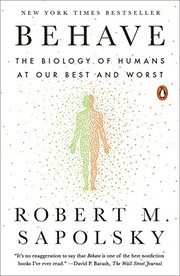
Explains an action by tracing its causes back from neurons to hormones to evolution.
“…books I've recommended, highlighted to death, or forced on friends.” — Andrew Wilkinson
Source: Andrew Wilkinson's Bookshelf, neverenough.com
Recommended by: Andrew Wilkinson, Bill Gates, Bryan Johnson and 5 others
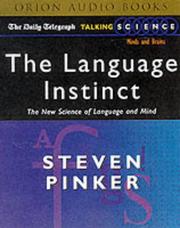
Language as a human instinct, and what science knows of grammar and learning.
“He gave me this book called The Language Instinct, written by Steven Pinker... And Pinker proves his point pretty well.” — Charlie Munger
Source: Poor Charlie's Almanack, Talk Two: A Lesson on Elementary, Worldly Wisdom
Recommended by: Charlie Munger, Mohnish Pabrai and 1 other
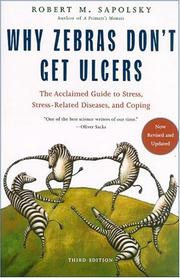
Chronic stress and how it affects the quality of decisions.
“it's a wonderful title and it's a wonderful book about the idea of stress” — Michael Mauboussin
Source: The Tim Ferriss Show #659 — official transcript
Recommended by: Michael Mauboussin
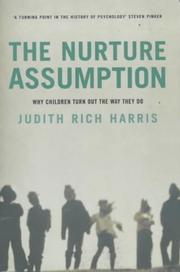
Why parents have less effect on how children turn out than people assume.
“the one thing that I found to be really interesting, and to some degree liberating, is the work of Judith Rich Harris” — Michael Mauboussin
Source: The Tim Ferriss Show #659 — official transcript
Recommended by: Michael Mauboussin
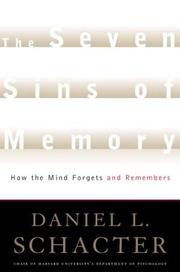
Seven everyday ways memory fails, from fading over time to blocking a known name.
Recommended by: Shane Parrish
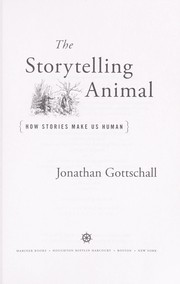
Why humans tell stories: a rehearsal for life's social problems.
The theory that consciousness is learned, arising from a once two-chambered mind.
Recommended by: Patrick O'Shaughnessy, Adam Robinson and 3 others
Recommended by: Bret Victor
Metaphor as a basic mechanism of thought that shapes how people understand the world.
Recommended by: Nat Eliason, Matt Mullenweg, Nick Szabo and 1 other
Recommended by: Eric Weinstein
Recommended by: Matt Mullenweg
Recommended by: Mohnish Pabrai
Recommended by: Mohnish Pabrai
Recommended by: Patrick Collison
Recommended by: Mohnish Pabrai, Josh Wolfe
What patients with odd neurological disorders reveal about the brain and the self.
Recommended by: Tom Bilyeu
Recommended by: Steve Jurvetson
Recommended by: Mohnish Pabrai
Recommended by: Mohnish Pabrai
Recommended by: Mohnish Pabrai
Recommended by: Ev Williams
Recommended by: Mohnish Pabrai, Ev Williams
Recommended by: Mohnish Pabrai
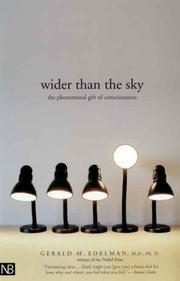
Recommended by: Mohnish Pabrai
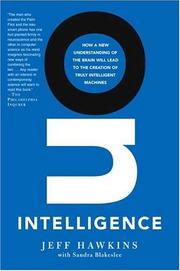
Recommended by: Patrick Collison, Ev Williams, Keith Rabois
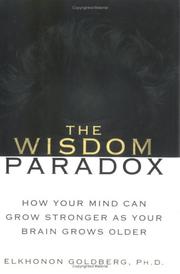
Recommended by: Mohnish Pabrai
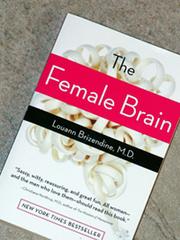
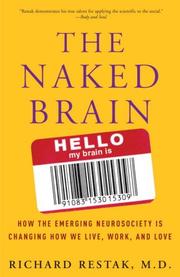
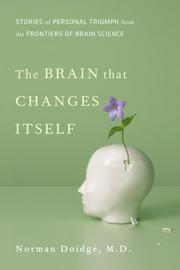
Recommended by: Patrick Collison
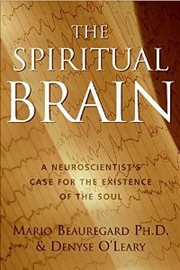
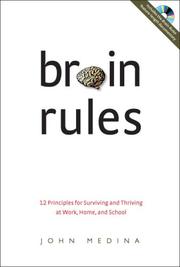
What brain science says about learning, sleep, stress, memory and multitasking.
Recommended by: Mohnish Pabrai, Nat Eliason, Bill Gates and 1 other
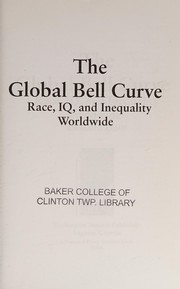
Recommended by: Mohnish Pabrai
Recommended by: Ray Dalio
Recommended by: Mohnish Pabrai
Argues that the quality of a life depends on what a person pays attention to.
Recommended by: Mohnish Pabrai
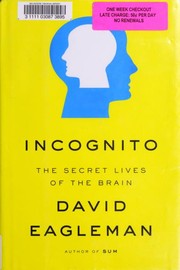
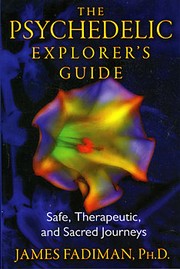
Recommended by: Nat Eliason
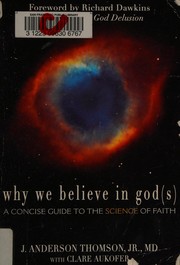
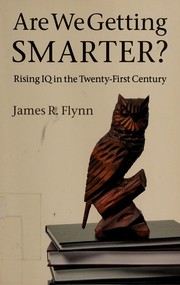
Recommended by: Mohnish Pabrai
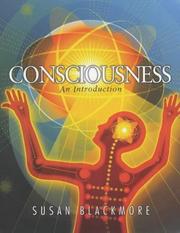
Recommended by: Nassim Nicholas Taleb
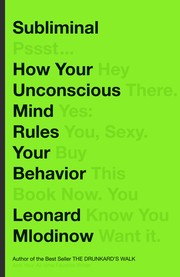
How the unconscious mind shapes perception, judgement and dealings with others.
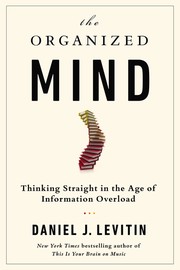
Recommended by: Mohnish Pabrai, Keith Rabois, Satya Nadella
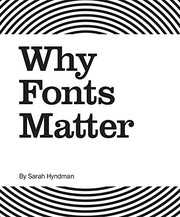
Recommended by: Ray Dalio, Esther Dyson, Vinod Khosla
Recommended by: Emmett Shear
The history and revival of psychedelic research, and the author's own trips.
Recommended by: Bill Gates, Bryan Johnson, James Cameron and 7 others
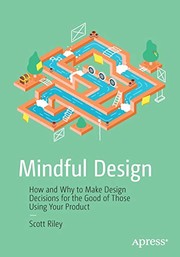
The brain science that matters to designers and how it shapes people's daily use.
Recommended by: Ryan Hoover
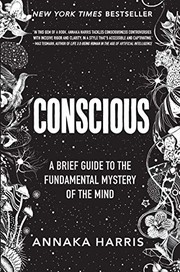
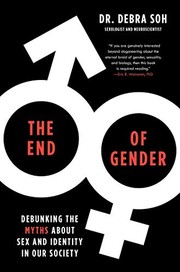
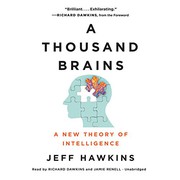
Recommended by: Bill Gates
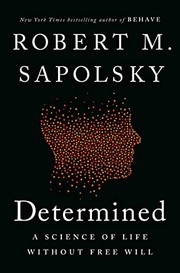
Creative genius explained as a Darwinian process of variation and selection.
Recommended by: Patrick Collison
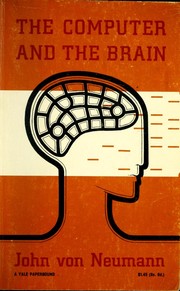
An argument that consciousness is not algorithmic and rests on quantum mechanics.
Recommended by: Patrick Collison
The mind-body problem from Descartes to today, and a case for neutral monism.
Recommended by: Mario Gabriele, Patrick Collison
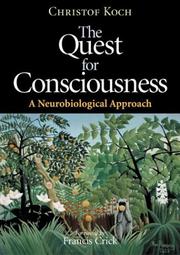
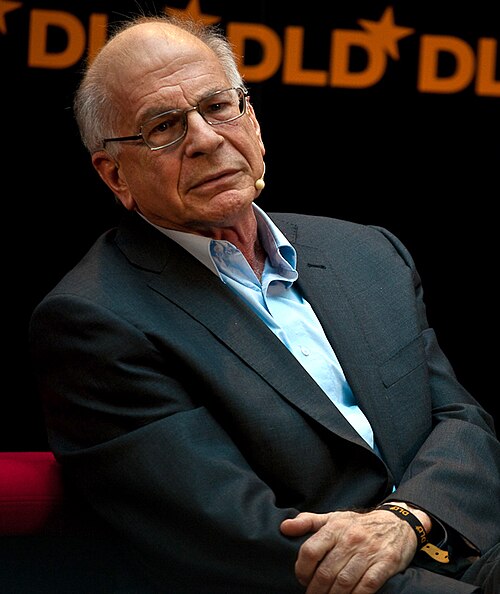
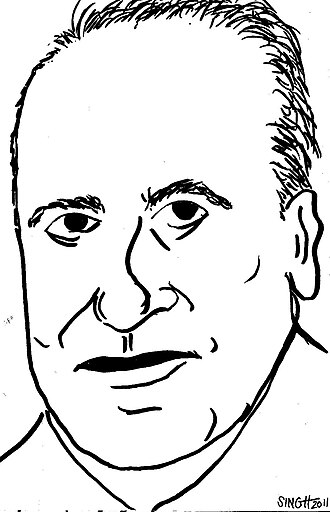 Mohnish Pabrairecommends 18 books here
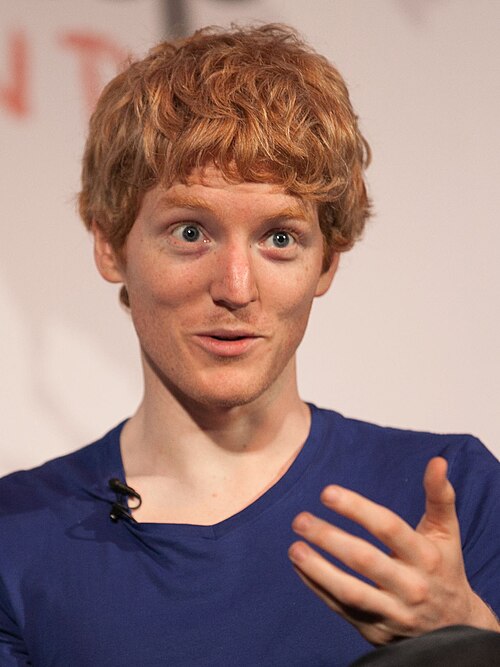 Patrick Collisonrecommends 12 books here
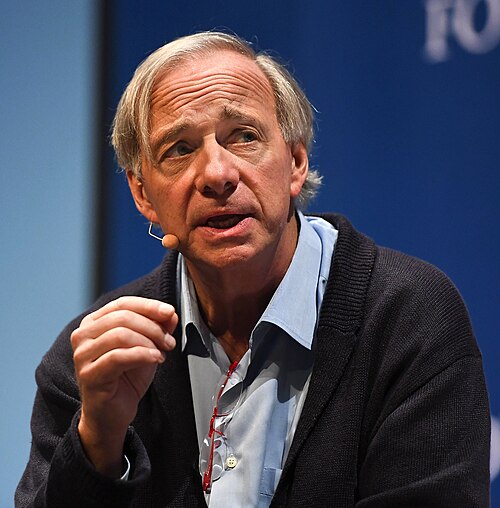 Ray Daliorecommends 8 books here
 Vinod Khoslarecommends 5 books here
 Bill Gatesrecommends 4 books here
 Bryan Johnsonrecommends 3 books here
 Ev Williamsrecommends 3 books here
 Keith Raboisrecommends 3 books here
 Matt Mullenwegrecommends 3 books here
 Nir Eyalrecommends 3 books here
Show all 46
 Tim Ferrissrecommends 3 books here
 Tom Bilyeurecommends 3 books here
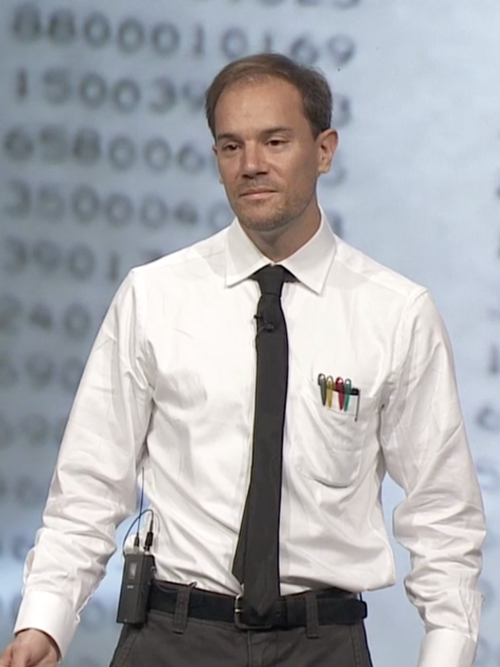 Bret Victorrecommends 2 books here
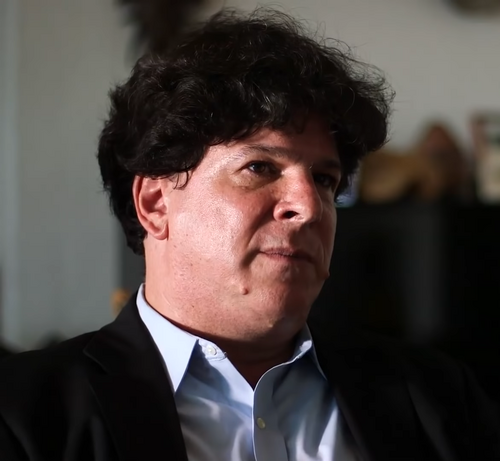 Eric Weinsteinrecommends 2 books here
 Naval Ravikantrecommends 2 books here
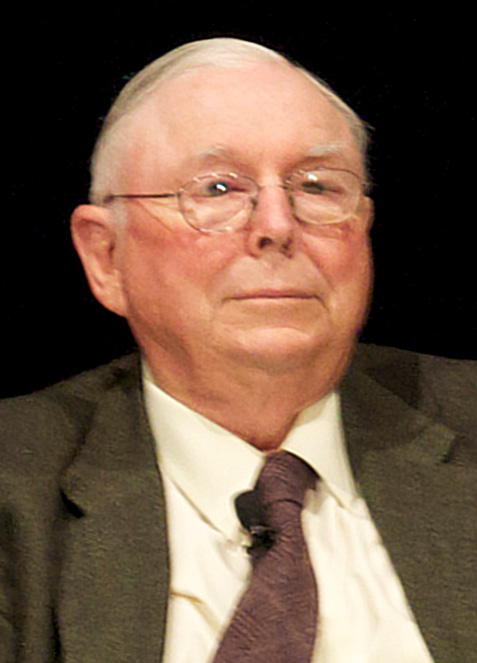 Charlie Mungerrecommends 1 book here
 Marc Andreessenrecommends 1 book here
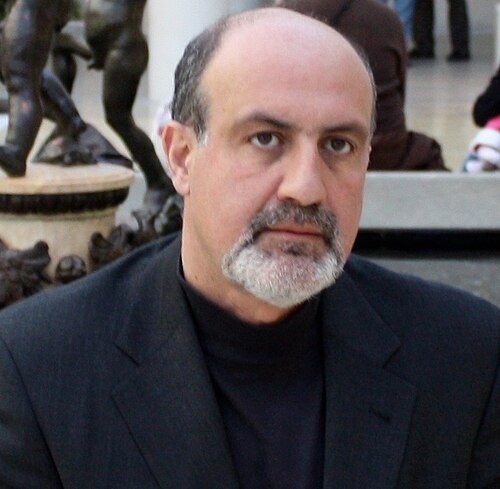 Nassim Nicholas Talebrecommends 1 book here
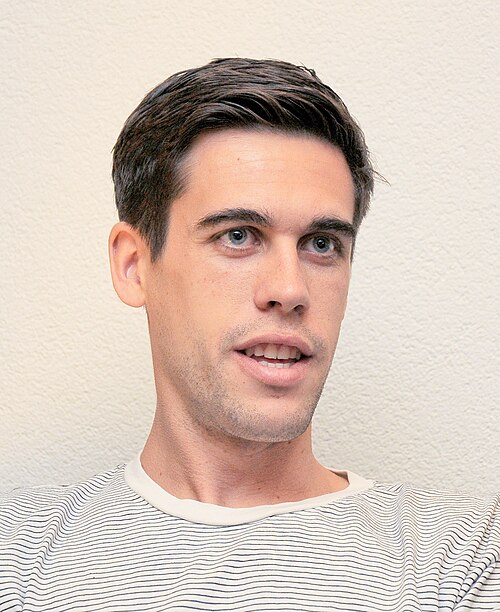 Ryan Holidayrecommends 1 book here
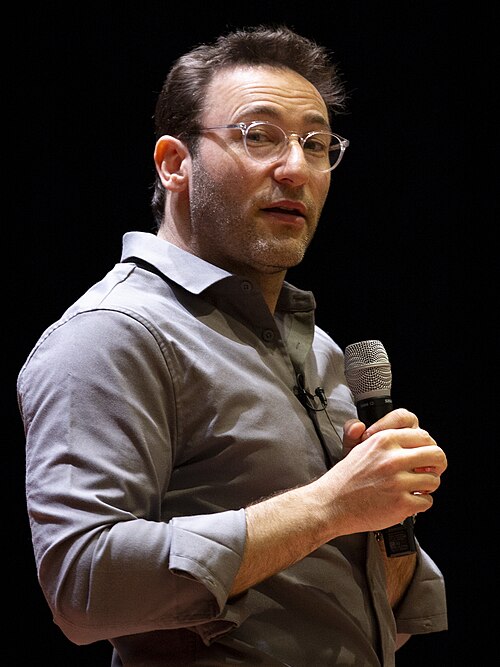 Simon Sinekrecommends 1 book here
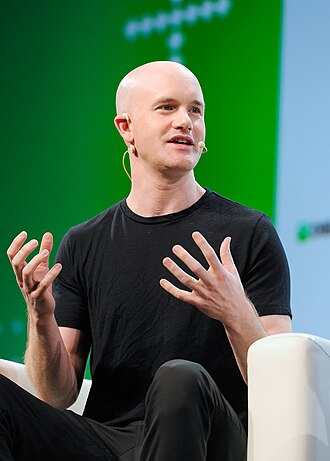 Brian Armstrongrecommends 1 book here
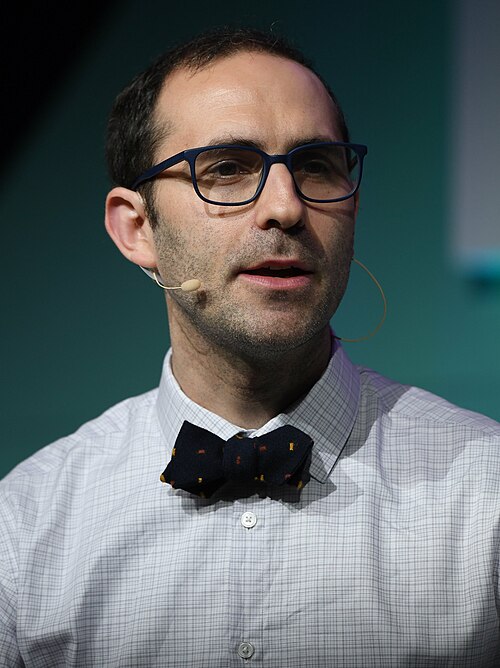 Emmett Shearrecommends 1 book here
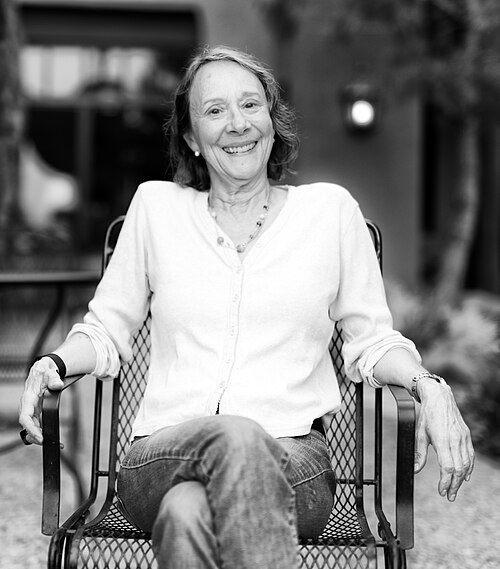 Esther Dysonrecommends 1 book here
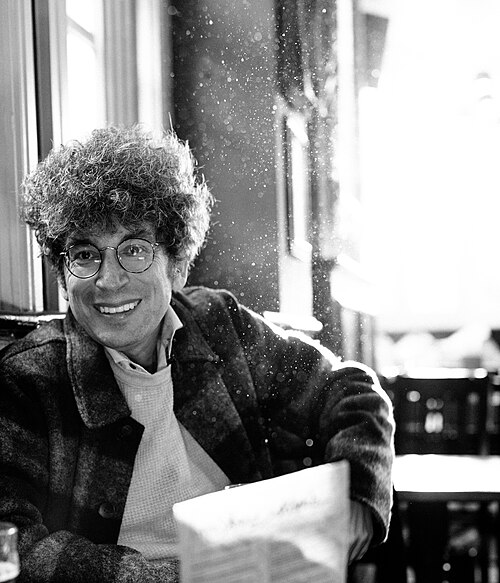 James Altucherrecommends 1 book here
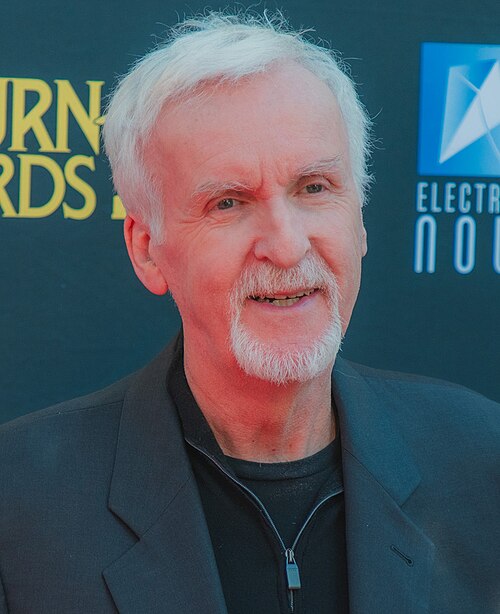 James Cameronrecommends 1 book here
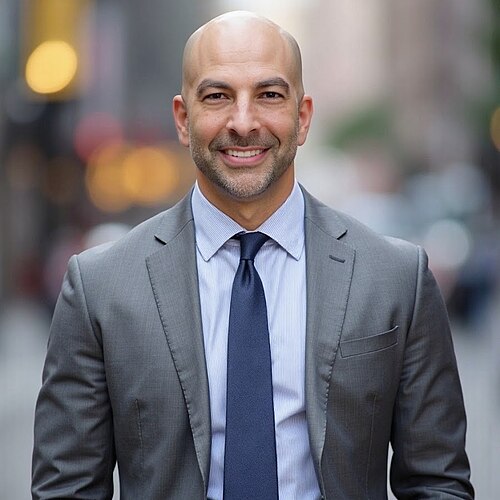 Peter Attiarecommends 1 book here
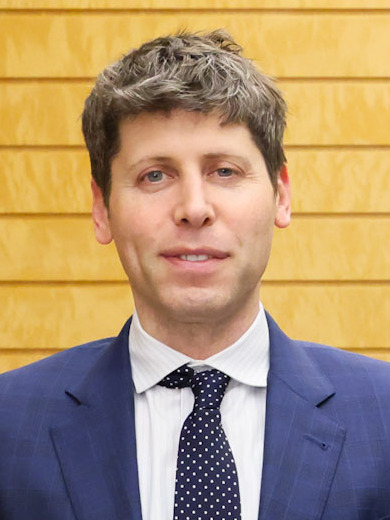 Sam Altmanrecommends 1 book here
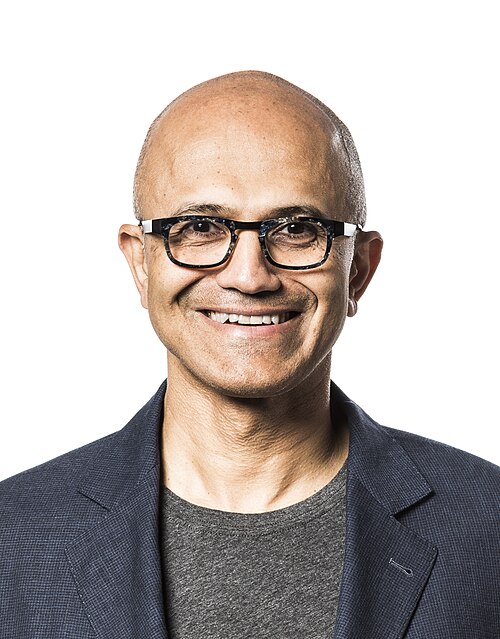 Satya Nadellarecommends 1 book here
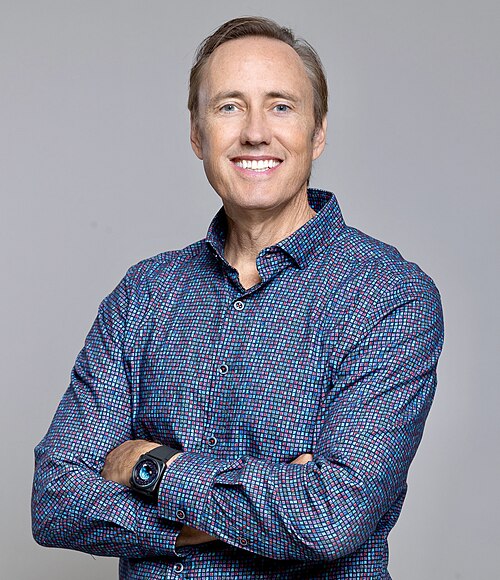 Steve Jurvetsonrecommends 1 book here
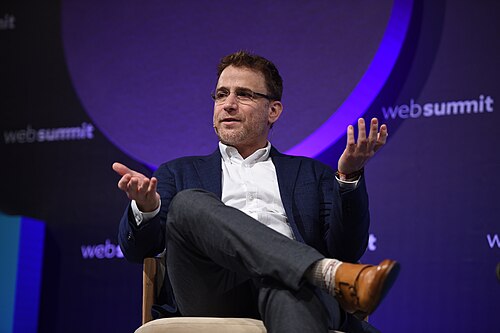 Stewart Butterfieldrecommends 1 book here
 Tristan Harrisrecommends 1 book here