
Science
Physics, chemistry, cosmology, earth science, complexity and the broad popular-science shelf, including textbooks and lecture courses. Read by the scientifically curious and by students working through the fundamentals.
Start here
- On the Origin of SpeciesCharles Darwin, 1859
- On Growth and FormD'Arcy Wentworth Thompson, 1917
- The Logic of Scientific DiscoveryKarl Popper, 1959
- The Structure of Scientific RevolutionsThomas S. Kuhn, 1962
- Conjectures and RefutationsKarl Popper, 1963
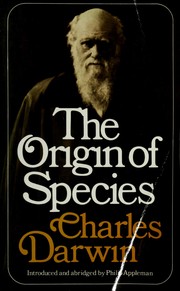
Species change over time as natural selection favours heritable variations.
“may have done more than any, with the exception of the Bible, to shape man's self-perception” — Nick Sleep
Source: Nomad Investment Partnership, Interim Letter for the period ended June 30th, 2009, p. 158
Recommended by: Jim Collins, Mohnish Pabrai, Naval Ravikant and 5 others

How mathematics and physical forces shape the forms of living things.
Falsifiability as the line between science and non-science.

Science moves through long stretches of normal work broken by paradigm shifts.
Recommended by: Nat Eliason, Charlie Munger, Mark Zuckerberg and 5 others

Knowledge grows by bold guesses that we then try to refute, not by proof.
Recommended by: Patrick Collison
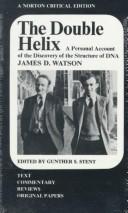
A first-hand account of the race against Linus Pauling to find DNA's structure.
Recommended by: Patrick Collison, Paul Graham, Peter Attia
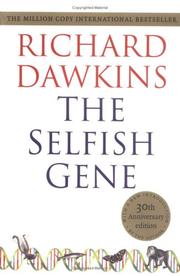
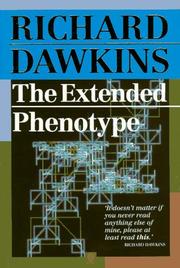
Selection acts on genes; bodies are vehicles that genes build to copy themselves.
Recommended by: Balaji S. Srinivasan, Charlie Munger and 10 others
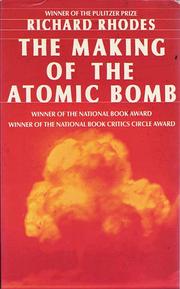
How the bomb was built, from the discovery of atomic energy to Hiroshima.
Recommended by: Chris Dixon, Elon Musk, Patrick Collison

Six physics lectures with little maths: atoms, energy, gravity and quantum behaviour.
Recommended by: Naval Ravikant

How Haber and Bosch's ammonia synthesis transformed world food production.
Recommended by: Mohnish Pabrai, Bill Gates
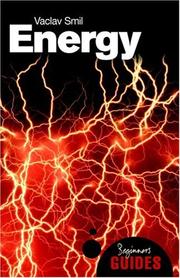
A short primer on energy: its forms, units and role in nature and economies.
Recommended by: Bill Gates, Mark Zuckerberg
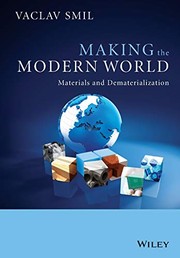
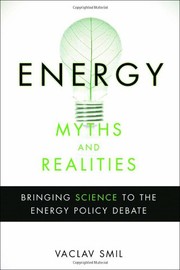
How much steel, cement and plastic the world uses, and whether growth needs less.
Recommended by: Bill Gates, Mohnish Pabrai
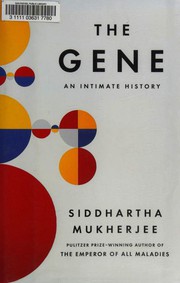
The gene from Mendel and Darwin to genome editing, beside a family's mental illness.
Recommended by: Bill Gates, Daniel Petre, James Cameron and 1 other
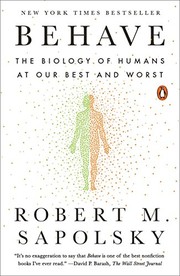
Explains an action by tracing its causes back from neurons to hormones to evolution.
“…books I've recommended, highlighted to death, or forced on friends.” — Andrew Wilkinson
Source: Andrew Wilkinson's Bookshelf, neverenough.com
Recommended by: Andrew Wilkinson, Bill Gates, Bryan Johnson and 5 others
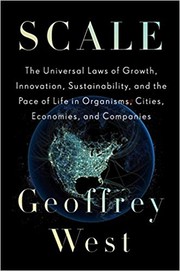
Why organisms, cities and companies follow power laws set by their supply networks.
Recommended by: Nat Eliason, Bill Miller, Marc Benioff and 2 others

How the science of cause and effect moved past 'correlation is not causation'.
Recommended by: Bill Gates, Keith Rabois, Naval Ravikant

How organisms, populations, machines, economies and civilisations grow, and stop.
Recommended by: Bill Gates

Seventy-one short pieces that correct common impressions with plain arithmetic.
Recommended by: Bill Gates, Mark Zuckerberg and 1 other
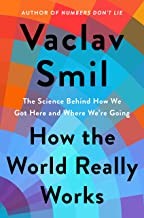
The physical basics of modern life: energy, food, materials and globalisation.
Recommended by: Bill Gates
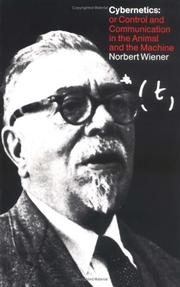
Control and communication in animals and machines run on the same principles.
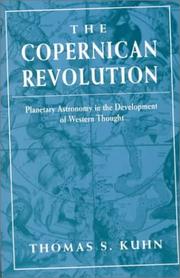
How the Copernican revolution unfolded, as a turning point in scientific thought.
“Kuhn, The Copernican Revolution” — Paul Graham
Source: Rarely-Asked Questions — paulgraham.com
Recommended by: Patrick Collison, Paul Graham

The history of molecular biology from the 1930s to the 1970s, told by its makers.
Recommended by: Naval Ravikant
A computer model of world growth that overshoots its limits and then declines.
Why structures hold up or fail: tension, compression, shear and fracture explained.
Recommended by: Elon Musk
A history of discovery: time and the clock, the earth and seas, nature and society.
Recommended by: Jim Collins, Stewart Brand


How natural selection, not a designer, produces the complexity of living things.
Recommended by: Jim Collins, Mohnish Pabrai and 2 others

A life across economics, psychology, organisations and artificial intelligence.
Recommended by: Charlie Munger, Mohnish Pabrai
The founding of the Santa Fe Institute and the people who built complexity science.
Recommended by: Bill Gurley, Jamie Dimon, Michael Mauboussin and 1 other

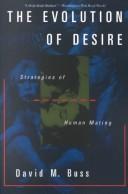
Sex evolved as a defence against parasites, and that shapes human mating.
“I really highly, highly recommend picking up Genome, The Red Queen, Origins of Virtue, The Rational Optimist, and The Evolution of Everything.” — Naval Ravikant
Source: The Tim Ferriss Show — Naval Ravikant Q&A, full transcript
Recommended by: Mohnish Pabrai, Naval Ravikant, Seth Klarman and 1 other

Papers showing positive feedback and lock-in govern parts of the economy.
How machines and economies grow so complex that they behave like living systems.
Recommended by: Cynthia Johnson, Ev Williams and 1 other
Twenty years of watching Galapagos finches show evolution happening in real time.
Recommended by: Sam Altman

Language as a human instinct, and what science knows of grammar and learning.
“He gave me this book called The Language Instinct, written by Steven Pinker... And Pinker proves his point pretty well.” — Charlie Munger
Source: Poor Charlie's Almanack, Talk Two: A Lesson on Elementary, Worldly Wisdom
Recommended by: Charlie Munger, Mohnish Pabrai and 1 other
Evolutionary psychology explained through Darwin's own life and behaviour.
Recommended by: Mohnish Pabrai, Ryan Holiday, Morgan Housel and 2 others
Chronic stress and how it affects the quality of decisions.
“it's a wonderful title and it's a wonderful book about the idea of stress” — Michael Mauboussin
Source: The Tim Ferriss Show #659 — official transcript
Recommended by: Michael Mauboussin
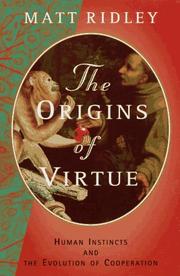
How cooperation and morality evolved from self-interest, via the prisoner's dilemma.
“I really highly, highly recommend picking up Genome, The Red Queen, Origins of Virtue, The Rational Optimist, and The Evolution of Everything.” — Naval Ravikant
Source: The Tim Ferriss Show — Naval Ravikant Q&A, full transcript
Recommended by: Mohnish Pabrai, Naval Ravikant, Ryan Holiday
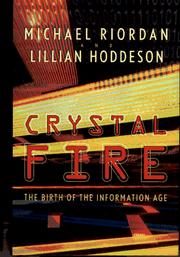
How the Bell Labs team of Shockley, Bardeen and Brattain invented the transistor.
Recommended by: Patrick Collison

Reality through four strands: many-worlds physics, computation, evolution, Popper.
Recommended by: Naval Ravikant, Patrick Collison and 2 others

How the sciences and humanities can be unified by causal links from physics up.
“I was inspired by E. O. Wilson's book Consilience, which came out in 1998 and is a book I'd recommend.” — Michael Mauboussin
Source: MOI Global interview with Michael Mauboussin
Recommended by: Michael Mauboussin, Mohnish Pabrai

Why parents have less effect on how children turn out than people assume.
“the one thing that I found to be really interesting, and to some degree liberating, is the work of Judith Rich Harris” — Michael Mauboussin
Source: The Tim Ferriss Show #659 — official transcript
Recommended by: Michael Mauboussin

Twenty-three chapters, one per chromosome, each using a gene to open a subject.
“I highly recommend Genome as well, to figure out the rational basis behind ethics and the origin of virtue.” — Naval Ravikant
Source: Nav.al — 'Matt Ridley: How Innovation Works, Part 2' (Naval's podcast, edited transcript)
Recommended by: Charlie Munger, Mohnish Pabrai and 2 others
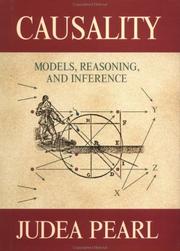
A mathematical theory of causation for statistics, AI, economics and science.
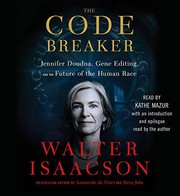
Jennifer Doudna, co-developer of CRISPR gene editing, and what followed it.
Recommended by: Bill Gates, Terrance McArthur
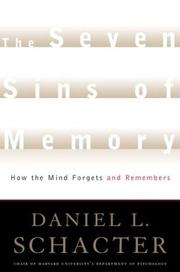
Seven everyday ways memory fails, from fading over time to blocking a known name.
Recommended by: Shane Parrish

How scientists came to know what they know, from cosmology and geology to biology.
Recommended by: Balaji S. Srinivasan, Jim Collins and 5 others

How genes and experience interact, each shaping how the other acts.
Recommended by: Naval Ravikant
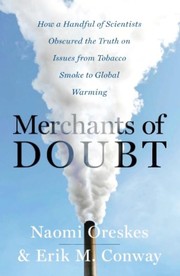
How a few scientists with ties to industry ran campaigns to deny settled science.
Recommended by: Nat Eliason, Elon Musk

Prosperity grows as trade and specialisation let ideas meet and combine.
“…books I've recommended, highlighted to death, or forced on friends.” — Andrew Wilkinson
Source: Andrew Wilkinson's Bookshelf, neverenough.com
Recommended by: Andrew Wilkinson, Bill Gates, Frank Martin and 10 others
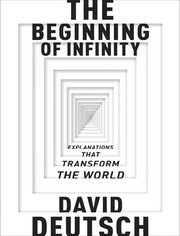
Knowledge can grow without limit through good explanations that are hard to vary.
Recommended by: Nat Eliason, Naval Ravikant, Albert Wenger and 5 others
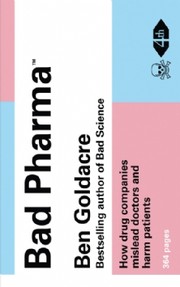
How drug companies distort medical evidence, starting with unpublished trials.
Recommended by: Tim Ferriss
Big changes in human affairs emerge from the bottom up rather than by design.
Recommended by: Naval Ravikant

How ancient DNA has rewritten the story of human prehistory and migration.
Recommended by: Balaji S. Srinivasan, Marc Andreessen and 2 others
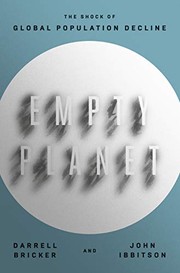
The costs and benefits of a shrinking world population.

Innovation is gradual, collective and bottom-up, not the work of lone inventors.
“It's a must-read for entrepreneurs and government officials who want to either be innovative themselves or foster innovation.” — Naval Ravikant
Source: Nav.al — 'Matt Ridley: How Innovation Works, Part 2'
Recommended by: Naval Ravikant, Balaji S. Srinivasan

How Hinton, LeCun and Bengio kept neural networks alive until deep learning took off.

Six materials the world runs on, sand, salt, iron, copper, oil and lithium, traced.

How genes and experience interact, each shaping how the other acts.
Recommended by: Naval Ravikant
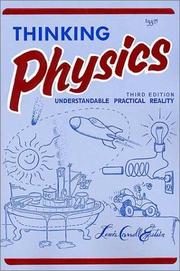
“There's another great book that's called Thinking Physics. I open this one all the time.” — Naval Ravikant
Source: The Knowledge Project (Farnam Street) — 'Naval Ravikant: The Angel Philosopher', full transcript
Recommended by: Naval Ravikant
Human behaviour read from evolutionary biology; a Munger latticework staple
Recommended by: Charlie Munger, Mohnish Pabrai
“The first challenge to the centralized mindset comes from a delightful book by MIT Professor Mitchel Resnick, "Turtles, Termites, and Traffic Jams.” — Michael Mauboussin
Source: The Invisible Lead Steer: New Answers to Old Questions About the Stock Market (CS First Boston)
Recommended by: Michael Mauboussin
Genes as a river of digital information; a short Dawkins primer
Recommended by: Ray Dalio

Honeybee colonies as a decentralised allocation and search system
“As Thomas Seeley writes in his delightful book, The Wisdom of the Hive” — Michael Mauboussin
Source: Capital Ideas Revisited (Legg Mason Capital Management)
Recommended by: Michael Mauboussin

Power laws, scaling and critical points across physical and social systems
Recommended by: Nassim Nicholas Taleb
The search for the periodic table; reasoning from the elements upward
Recommended by: Bill Gates

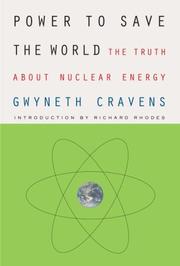
A sceptic's conversion to nuclear power, and how public fear of it formed.
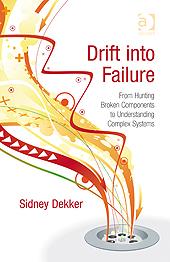
How complex systems, from subprime lending to space shuttles, drift into failure.
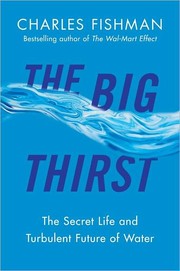
The economics of cheap water and what happens when it stops being cheap.
Why humans tell stories: a rehearsal for life's social problems.

Short essays on the scientific concepts most worth adopting
Recommended by: Morgan Housel, Patrick Collison

Talent, training and genetics in elite athletic performance
Recommended by: Bill Miller, Mark Cuban, Michael Mauboussin

Nuclear accidents, what went wrong in each, and what each taught about the atom.
The limits of scientific knowledge and what cannot be measured
Recommended by: Shane Parrish
When the simpler theory is the better one: the principle of parsimony tested.
Forest ecology as a connected system; background for timberland owners
Recommended by: Morgan Housel, Patrick O'Shaughnessy

How present certainties will look to the future; outside view applied
“Hard to read and not emerge humbled.” — Marc Andreessen
Source: @pmarca, 'Thread: Books I've recently read and recommend'
Recommended by: Marc Andreessen, Brad Feld, Bryan Johnson and 1 other
The brain's appetite circuits, why people overeat and why diets fail.

Behavioural genetics on how much of an outcome is inherited
Recommended by: James Cameron, Michael Mauboussin
Data-driven look at emissions and what actually reduces them
Recommended by: Bill Gates

Recommended by: Mohnish Pabrai

A poem arguing that all is atoms and void, the soul dies, and religion breeds fear.
Recommended by: Stewart Brand
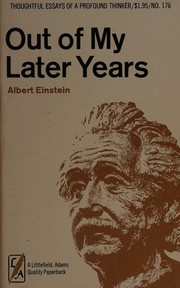
Essays, talks and letters from 1934 to 1950 on social, religious and school issues.
Recommended by: Eric Weinstein
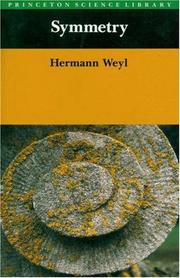


Argues that scientific knowledge joins personal experience, moral judgement and data.
Recommended by: Charles Koch

Recommended by: Patrick Collison

A comic memoir of a boyhood on Corfu with an odd family and the island's wildlife.
Recommended by: Paul Graham
Recommended by: Mohnish Pabrai
Recommended by: Patrick Collison


Recommended by: Patrick Collison

Recommended by: Bill Gates, Mohnish Pabrai


Recommended by: Patrick Collison

“Bernal, The Extension of Man” — Paul Graham
Source: Rarely-Asked Questions — paulgraham.com
Recommended by: Paul Graham
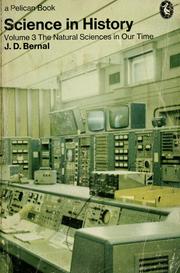
How science developed, and the discoveries that set humans apart from other species.
Recommended by: Patrick Collison, Patrick O'Shaughnessy

Recommended by: Eric Weinstein
Recommended by: Patrick O'Shaughnessy, Richard Branson and 2 others

Quantum theory applied to atoms, molecules, solids, nuclei and particles.
Recommended by: Patrick Collison


Recommended by: Mohnish Pabrai

The theory that consciousness is learned, arising from a once two-chambered mind.
Recommended by: Patrick O'Shaughnessy, Adam Robinson and 3 others

Recommended by: Eric Weinstein
A neurologist on the varieties of luck in scientific discovery
“wrote an outstanding book called Chase, Chance, and Creativity … It's the best book I've read on the role of luck, chance, and serendipity” — Marc Andreessen
Source: Luck and the Entrepreneur: The four kinds of luck, blog.pmarca.com
Recommended by: Marc Andreessen


The botany and chemistry of hallucinogenic plants and how people have used them.
Recommended by: Tim Ferriss

Recommended by: Bret Victor
Metaphor as a basic mechanism of thought that shapes how people understand the world.
Recommended by: Nat Eliason, Matt Mullenweg, Nick Szabo and 1 other
Recommended by: Eric Weinstein
Recommended by: Patrick Collison


Recommended by: Mohnish Pabrai

Recommended by: Mohnish Pabrai

Recommended by: Eric Weinstein
The relative size of things in the universe, each step adding another zero.
Recommended by: Stewart Brand

Recommended by: Eric Weinstein
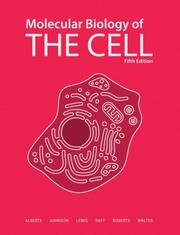
Recommended by: Laura Deming, Sam Altman
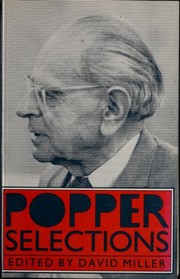
Thirty selections from Popper's writings, chosen to show the range of his ideas.
Recommended by: Patrick Collison

Recommended by: Eric Weinstein

Recommended by: Eric Weinstein
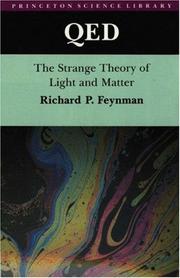
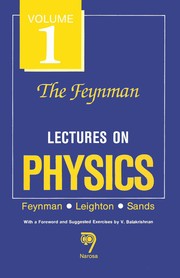
Recommended by: Patrick Collison

The Standard Model of particle physics for readers with one introductory course.
Recommended by: Eric Weinstein
Recommended by: Matt Mullenweg
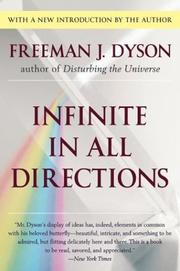
Recommended by: Stewart Brand

Recommended by: Mohnish Pabrai, Nat Eliason, Richard Branson and 1 other

Information theory as a unifying idea across three scientists' work
Recommended by: Charlie Munger, Mohnish Pabrai

How economics copied the maths of 19th-century physics, and what that cost it.
“there's a wonderful book called More Heat Than Light by a professor named Phil Mirowski, which documents how economists mapped over equations from Newtonian physics” — Michael Mauboussin
Source: The Tim Ferriss Show #659 — official transcript
Recommended by: Michael Mauboussin, Eric Weinstein

Recommended by: Eric Weinstein

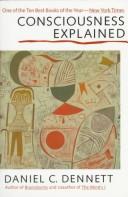
Recommended by: Mohnish Pabrai


Recommended by: Mohnish Pabrai
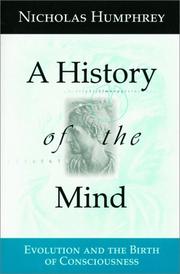
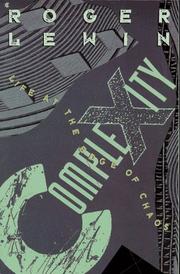

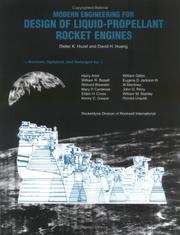
The engineering design of liquid-propellant rocket engines, with 470 illustrations.
Recommended by: Elon Musk

Quantum field theory built from quantum mechanics, with path integrals.
Recommended by: Mohnish Pabrai


Recommended by: Demis Hassabis

A one- or two-semester modern physics course built on quantum theory and its uses.
Recommended by: Mohnish Pabrai
Recommended by: Mohnish Pabrai
Recommended by: Mohnish Pabrai

Recommended by: Eric Weinstein

Investigations into Ebola and other African viruses, their strains and outbreaks.
Recommended by: Safi Bahcall, Sophie Bakalar

Recommended by: Patrick Collison
Recommended by: Patrick Collison

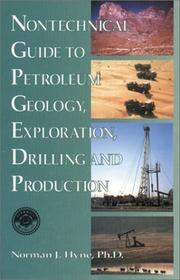
Recommended by: Mohnish Pabrai

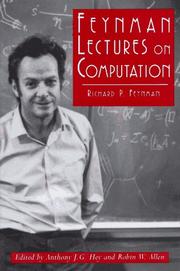
Recommended by: Patrick Collison
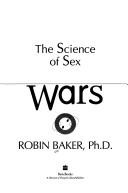
Fictional sexual scenes, each read by an evolutionary biologist for its instincts.
Recommended by: Brian Armstrong, Tucker Max

Recommended by: Patrick Collison, Bret Victor, Keith Rabois
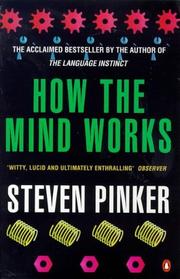
Recommended by: Mohnish Pabrai, Josh Wolfe

Recommended by: Mohnish Pabrai, Paul Graham

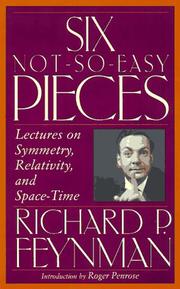
Recommended by: Naval Ravikant

Recommended by: Patrick Collison
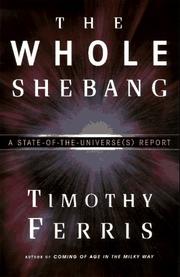
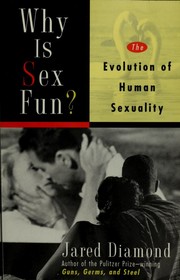
Recommended by: Mohnish Pabrai


Recommended by: Mohnish Pabrai
Recommended by: Stewart Brand

Recommended by: Balaji S. Srinivasan
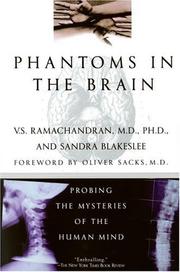
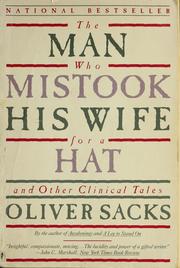
What patients with odd neurological disorders reveal about the brain and the self.
Recommended by: Tom Bilyeu

Techniques for mathematical modelling, aimed at simple, efficient computer code.
Recommended by: Patrick Collison, Bret Victor

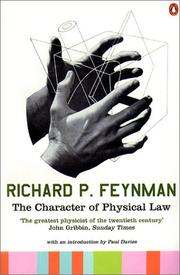
A collection of Richard Feynman's best short works.
Recommended by: Brian Armstrong, Larry Page
Recommended by: Mohnish Pabrai

Recommended by: Patrick Collison

How a game designer built artificial life from simple rules of biology.
Recommended by: Mohnish Pabrai, Jeff Bezos

Recommended by: Mohnish Pabrai
Recommended by: Steve Jurvetson
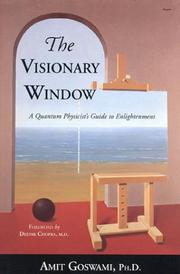
Recommended by: Mohnish Pabrai
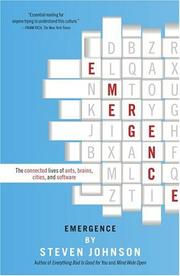

The chief engineer on designing, building, testing and flying the lunar module.
Recommended by: Patrick Collison
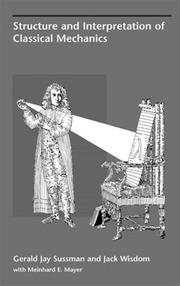
Recommended by: Patrick Collison

Recommended by: Mohnish Pabrai

Myths about the sun, night and earthquakes set against what science has found.
Recommended by: Bill Gates, Mohnish Pabrai
Recommended by: Mohnish Pabrai

Recommended by: Bill Gates, Patrick Collison and 1 other
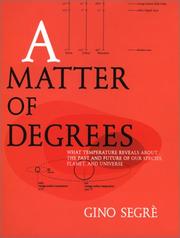
Popular history of temperature and heat; entropy for the general reader
Recommended by: Charlie Munger, Mohnish Pabrai
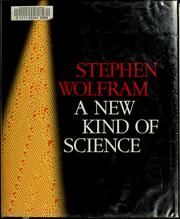
Recommended by: Mohnish Pabrai, Steve Jurvetson


Recommended by: Elon Musk, Patrick Collison
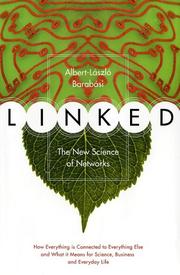
Recommended by: Mohnish Pabrai
Recommended by: Mohnish Pabrai

Recommended by: Mohnish Pabrai
Recommended by: Mohnish Pabrai

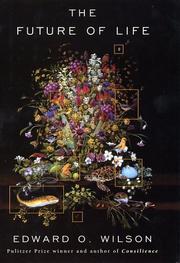
The species the world is about to lose, and how conservation can pay economically.
Recommended by: Mohnish Pabrai, Stewart Brand

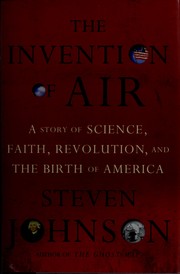
Boulton, Watt, Wedgwood, Erasmus Darwin and the Midlands friends who experimented.
Recommended by: Mohnish Pabrai, Patrick Collison


Quantum field theory for students who have finished a course in quantum mechanics.
Recommended by: Patrick Collison


Recommended by: Ev Williams

Recommended by: Sam Altman
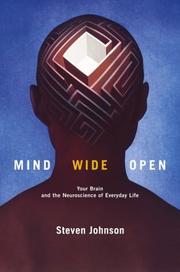
Recommended by: Mohnish Pabrai, Ev Williams

Recommended by: Mohnish Pabrai, Patrick Collison

Recommended by: Patrick Collison

Recommended by: Mohnish Pabrai

Recommended by: Mohnish Pabrai

Recommended by: Mohnish Pabrai

Recommended by: Mohnish Pabrai

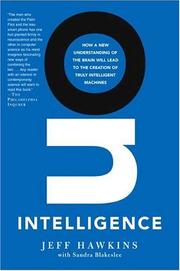
Recommended by: Patrick Collison, Ev Williams, Keith Rabois

Recommended by: Mohnish Pabrai

Recommended by: Patrick Collison

Recommended by: Mohnish Pabrai, Richard Branson
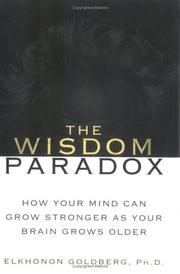
Recommended by: Mohnish Pabrai
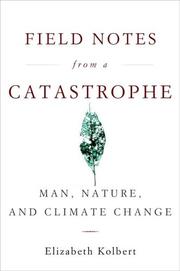
Recommended by: Mohnish Pabrai

Recommended by: Mohnish Pabrai


Argues that string theory is not a theory at all, since it makes no predictions.
Recommended by: Eric Weinstein

Recommended by: Mohnish Pabrai
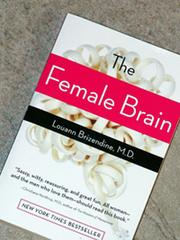

Recommended by: Brian Armstrong, Mohnish Pabrai and 1 other

The career of Norman Borlaug, the plant scientist who won the Nobel Peace Prize.
Recommended by: Bill Gates, Mohnish Pabrai
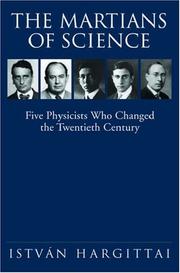
Recommended by: Mohnish Pabrai

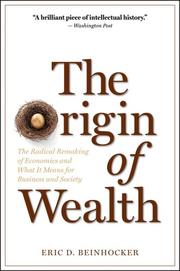
The economy as a complex evolving system rather than one in equilibrium.
Recommended by: Ryan Peterson
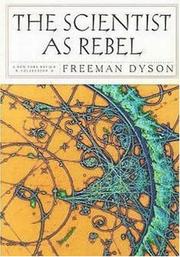
Recommended by: Patrick Collison
Recommended by: Patrick Collison


Recommended by: Mohnish Pabrai, Nat Eliason
Recommended by: Patrick Collison

Recommended by: Patrick Collison, Richard Branson

Recommended by: Mohnish Pabrai, Bill Gates
What brain science says about learning, sleep, stress, memory and multitasking.
Recommended by: Mohnish Pabrai, Nat Eliason, Bill Gates and 1 other

Recommended by: Mohnish Pabrai, Ray Dalio

Recommended by: Nat Eliason, Patrick Collison


An A-to-Z perfume guide whose authors praise, joke about and scold each scent.
Recommended by: Eric Weinstein
How far death rays, force fields and invisibility cloaks could become real, and when.
Recommended by: Mark Zuckerberg


Recommended by: Mohnish Pabrai


Recommended by: Ray Dalio

Recommended by: Mohnish Pabrai, Tim Ferriss

Recommended by: Mohnish Pabrai
Argues that the quality of a life depends on what a person pays attention to.
Recommended by: Mohnish Pabrai

Recommended by: Patrick Collison, Bret Victor

How lactose tolerance, malaria resistance and blue eyes evolved in 10,000 years.
Recommended by: Mohnish Pabrai, Nick Szabo

How trivial-seeming questions lead to deeper insight into how science works.
Recommended by: Mohnish Pabrai, Bill Gates
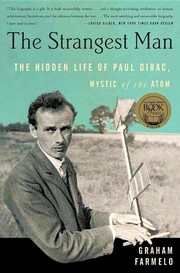
Recommended by: Patrick Collison, Eric Weinstein


Recommended by: Naval Ravikant
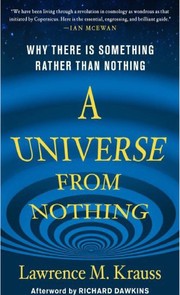
Recommended by: Mohnish Pabrai, Charlie Munger


Recommended by: Mohnish Pabrai

Recommended by: Mohnish Pabrai
Recommended by: Mohnish Pabrai

Recommended by: Mohnish Pabrai

Recommended by: Mohnish Pabrai

Recommended by: Sophie Bakalar


Recommended by: Warren Buffett

Recommended by: Patrick Collison
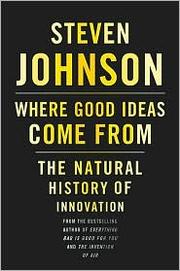
Seven patterns, such as the adjacent possible, in the settings that produce ideas.
Recommended by: Andrew Wilkinson, Bill Gates, Mohnish Pabrai and 3 others

Radical life extension and what longer lifespans do to markets
Recommended by: Mohnish Pabrai, Peter Thiel
Recommended by: Mohnish Pabrai

Recommended by: Mohnish Pabrai

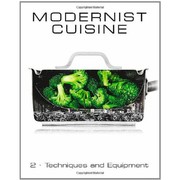
Science-inspired cooking techniques of modern gastronomy, across six volumes.
Recommended by: Bill Gates

Two maverick scientists, Delbrück and Gamow, who helped start genomics and cosmology.
Recommended by: Mohnish Pabrai

How people will get energy two centuries from now, once fossil carbon is gone.
Recommended by: Sam Altman

A scientific biography of Feynman, pairing his turbulent life with clear physics.
Recommended by: Mohnish Pabrai


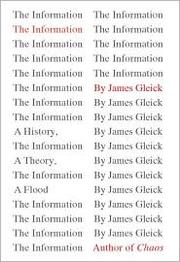
Recommended by: Marc Andreessen, Mark Zuckerberg and 2 others

Recommended by: Nat Eliason

Recommended by: Patrick Collison

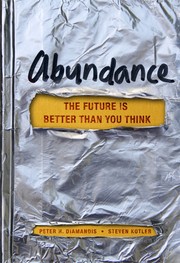
The case that fast-improving technology will make scarce resources cheap.
Recommended by: Bill Gates, Morgan Housel, Richard Branson and 2 others

Recommended by: Mohnish Pabrai

Recommended by: Mohnish Pabrai
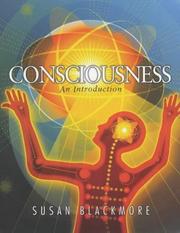
Recommended by: Nassim Nicholas Taleb


Recommended by: Patrick Collison

Recommended by: Patrick Collison, Eric Weinstein

Recommended by: Patrick Collison
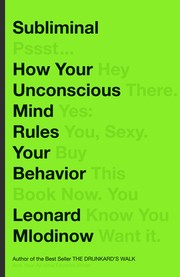
How the unconscious mind shapes perception, judgement and dealings with others.


How Bell Labs turned research into the transistor, the laser and information theory.
Recommended by: Mohnish Pabrai, Mark Zuckerberg and 2 others
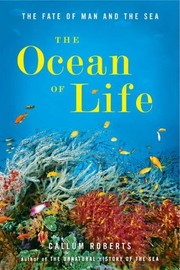

Recommended by: Mohnish Pabrai, Patrick Collison
Recommended by: Mohnish Pabrai

Recommended by: Satya Nadella

Recommended by: Balaji S. Srinivasan
Results in quantum field theory obtained by topological methods.
Recommended by: Eric Weinstein
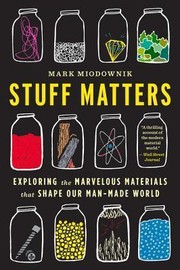
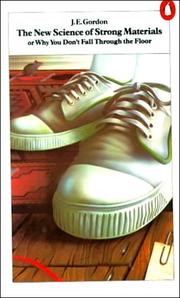
Why glass is clear and paperclips bend: the science of everyday materials.
Recommended by: Bill Gates, Patrick Collison
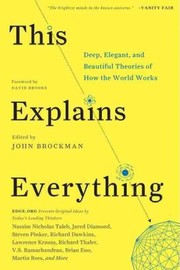
Recommended by: Patrick Collison, Sahil Lavingia

Recommended by: Mohnish Pabrai

Recommended by: Eric Weinstein
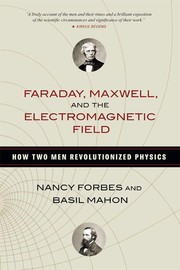
Recommended by: Naval Ravikant


Recommended by: Vinod Khosla

A condensed course in the fundamentals of mathematics, physics and calculus.
Recommended by: Naval Ravikant
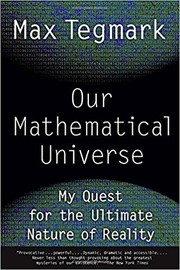
The hypothesis that physical reality is a mathematical structure, through physics.
Recommended by: Mark Cuban
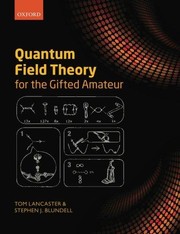
An introduction to quantum field theory for beginners and self-learners.
Recommended by: Patrick Collison
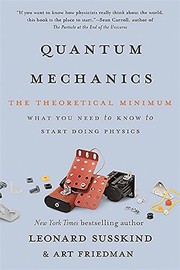
The theory and mathematics of quantum mechanics, from uncertainty to particle states.
Recommended by: Eric Weinstein

Recommended by: Mohnish Pabrai

The knowledge survivors would need to rebuild technological society after a collapse.
Recommended by: Patrick Collison, Balaji S. Srinivasan
Recommended by: Ray Dalio
Recommended by: Mohnish Pabrai, Keith Rabois, Satya Nadella


Recommended by: Patrick Collison

Recommended by: Richard Branson

Recommended by: Mohnish Pabrai
Recommended by: Bill Gates, Patrick Collison

Rare metals such as tantalum and rhodium, and why phones and weapons need them.

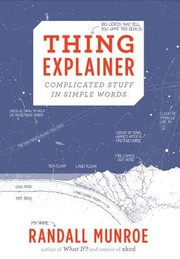
Recommended by: Bill Gates, Naval Ravikant
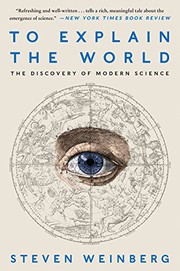

Recommended by: Bill Gates, Patrick Collison
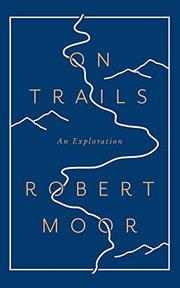
What trails, from ant paths to continental hiking routes, show about the world.
Recommended by: Sahil Lavingia
Recommended by: Patrick Collison
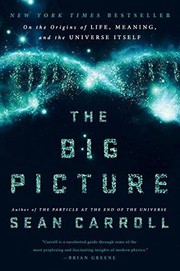
From the origin of the universe through life and consciousness to what it all means.
Recommended by: Elon Musk, Scott Farquhar


Recommended by: Nat Eliason, Vinod Khosla


Recommended by: Ray Dalio, Esther Dyson, Vinod Khosla

Recommended by: Emmett Shear

The nature of space, time and the quantum world, on the road to quantum gravity.
Recommended by: Naval Ravikant
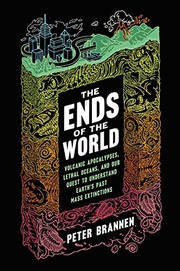
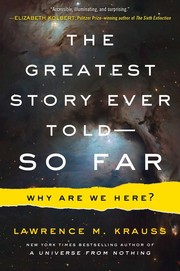
Recommended by: Eric Weinstein
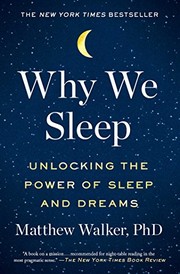
How lack of sleep damages nearly every system in the body, and what sleep does.
Recommended by: Bill Gates, Abi Tyas Tunggal, Alexis Ohanian and 6 others

Recommended by: Arianna Huffington
The history and revival of psychedelic research, and the author's own trips.
Recommended by: Bill Gates, Bryan Johnson, James Cameron and 7 others
Recommended by: Antonio García Martínez

The brain science that matters to designers and how it shapes people's daily use.
Recommended by: Ryan Hoover

The science, myths and business of blood, from bloodletting to plasma sales.
Recommended by: Bill Gates

The whole of history, from the big bang through the present and into the far future.
Recommended by: Bill Gates


The scientists racing to make the immune system fight cancer: immunotherapy's story.
Recommended by: Keith Rabois, Vinod Khosla


Recommended by: Bill Gates, Keith Rabois, Vinod Khosla

Recommended by: Andrew Wilkinson, Nat Eliason, Jack Dorsey


Why organisations kill breakthrough projects, and how structure can protect them.
Recommended by: Arianna Huffington, Bill Gates and 8 others

A tour of the human body: how it works, how it heals itself and how it fails.
Recommended by: Andrew Wilkinson, Morgan Housel


How Dyson, Feynman, Schwinger and Tomonaga built quantum electrodynamics.
Recommended by: Eric Weinstein


Recommended by: Keith Rabois, Susan Cain

Recommended by: Andrew Wilkinson

Recommended by: Bill Gates


Recommended by: Susan J. Fowler


Recommended by: Eric Weinstein

Recommended by: Matt Mullenweg

Recommended by: Mohnish Pabrai
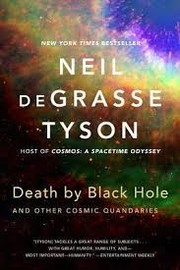
Recommended by: Tim Ferriss

Recommended by: Tim Ferriss
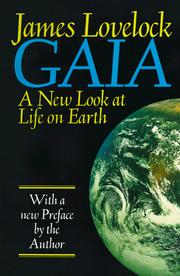


Recommended by: Mohnish Pabrai

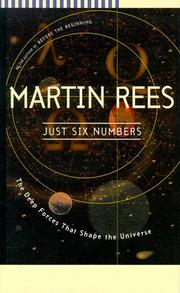
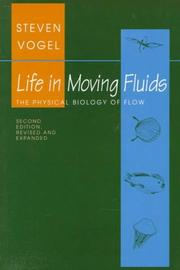

Data showing progress on environmental problems, enough to reach true sustainability.
Recommended by: Bill Gates
Creative genius explained as a Darwinian process of variation and selection.
Recommended by: Patrick Collison

The history and technology of the Integral Fast Reactor built at Argonne, 1984-94.
Recommended by: Sam Altman

Quantum algorithms, teleportation, cryptography and error correction, from basics.
Recommended by: Patrick Collison


The foundations and methods of modern particle physics, through the Standard Model.
Recommended by: Patrick Collison

Quantum mechanics, its formalism and practice, through nearly 700 worked problems.
Recommended by: Patrick Collison

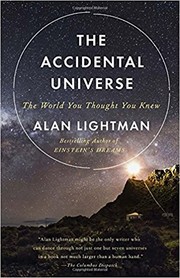
Recommended by: Matt Mullenweg, Naval Ravikant
Recommended by: Patrick O'Shaughnessy
Recommended by: Mohnish Pabrai

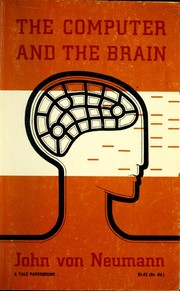

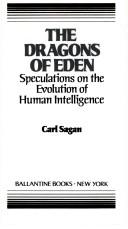
Recommended by: Patrick O'Shaughnessy
An argument that consciousness is not algorithmic and rests on quantum mechanics.
Recommended by: Patrick Collison

Lectures on physics, mainly mechanics, radiation and heat.
Recommended by: Bill Gates, Naval Ravikant
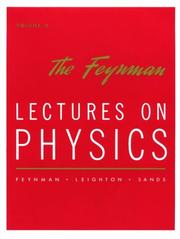
Lectures on physics, mainly electromagnetism and matter.
Recommended by: Bill Gates, Naval Ravikant

The mind-body problem from Descartes to today, and a case for neutral monism.
Recommended by: Mario Gabriele, Patrick Collison
Recommended by: Ev Williams



Recommended by: Ryan Holiday
 Vaclav Smilwrote 13 books here
 Matt Ridleywrote 8 books here
 Andrew W. Lowrote 1 book here
 Daniel Kahnemanwrote 1 book here
 Kevin Kellywrote 1 book here
 Walter Isaacsonwrote 1 book here
 Peter Diamandiswrote 1 book here
 Mohnish Pabrairecommends 109 books here
 Patrick Collisonrecommends 109 books here
 Bill Gatesrecommends 59 books here
 Naval Ravikantrecommends 41 books here
 Eric Weinsteinrecommends 40 books here
 Stewart Brandrecommends 23 books here
 Tim Ferrissrecommends 15 books here
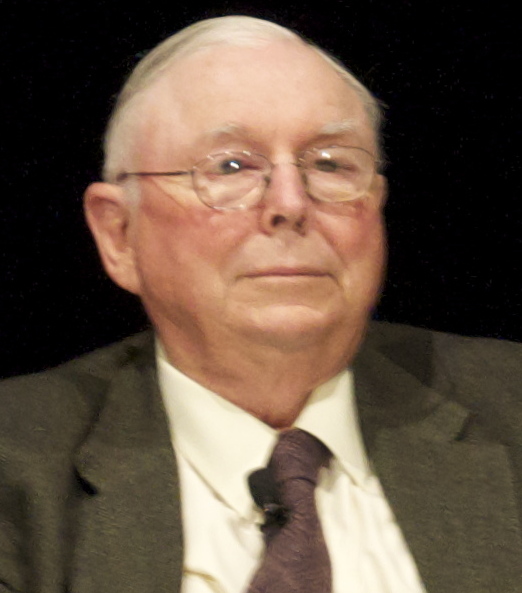 Charlie Mungerrecommends 13 books here
 Ray Daliorecommends 13 books here
 Paul Grahamrecommends 12 books here
Show all 124
 Keith Raboisrecommends 11 books here
 Vinod Khoslarecommends 11 books here
 Balaji S. Srinivasanrecommends 9 books here
 Elon Muskrecommends 9 books here
 Mark Zuckerbergrecommends 9 books here
 Richard Bransonrecommends 9 books here
 Sam Altmanrecommends 9 books here
 Ev Williamsrecommends 8 books here
 Ryan Holidayrecommends 7 books here
 Marc Andreessenrecommends 6 books here
 Bret Victorrecommends 5 books here
 Brian Armstrongrecommends 5 books here
 Bryan Johnsonrecommends 5 books here
 James Cameronrecommends 5 books here
 Matt Mullenwegrecommends 5 books here
 Steve Jurvetsonrecommends 5 books here
 Jim Collinsrecommends 4 books here
 Tom Bilyeurecommends 4 books here
 Arianna Huffingtonrecommends 3 books here
 Nir Eyalrecommends 3 books here
 Peter Attiarecommends 3 books here
 Nassim Nicholas Talebrecommends 2 books here
 Peter Thielrecommends 2 books here
 Warren Buffettrecommends 2 books here
 Chris Andersonrecommends 2 books here
 Reid Hoffmanrecommends 2 books here
 Ed Cookerecommends 2 books here
 James Altucherrecommends 2 books here
 Jamie Dimonrecommends 2 books here
 Larry Pagerecommends 2 books here
 Maria Popovarecommends 2 books here
 Mark Cubanrecommends 2 books here
 Ryan Petersonrecommends 2 books here
 Satya Nadellarecommends 2 books here
 Susan Cainrecommends 2 books here
 Susan J. Fowlerrecommends 2 books hereDaniel Kahnemanrecommends 1 book here
 Brad Feldrecommends 1 book here
 Marc Benioffrecommends 1 book here
 Seth Klarmanrecommends 1 book here
 Tyler Cowenrecommends 1 book here
 Simon Sinekrecommends 1 book here
 Albert Wengerrecommends 1 book here
 Alexis Ohanianrecommends 1 book here
 Alfred Linrecommends 1 book here
 Antonio García Martínezrecommends 1 book here
 Astro Tellerrecommends 1 book here
 Bertalan Meskórecommends 1 book here
 Bill Gurleyrecommends 1 book here
 Bob Metcalferecommends 1 book here
 Chamath Palihapitiyarecommends 1 book here
 Changpeng Zhaorecommends 1 book here
 Charles Kochrecommends 1 book here
 Chris Dixonrecommends 1 book here
 Cynthia Johnsonrecommends 1 book here
 Demis Hassabisrecommends 1 book here
 Dustin Moskovitzrecommends 1 book here
 Emmett Shearrecommends 1 book here
 Esther Dysonrecommends 1 book here
 Jack Dorseyrecommends 1 book here
 Jeff Bezosrecommends 1 book here
 Jeff Jordanrecommends 1 book here
 John Arnoldrecommends 1 book here
 Laura Demingrecommends 1 book here
 Phil Libinrecommends 1 book here
 Ron Conwayrecommends 1 book here
 Scott Farquharrecommends 1 book here
 Steve Jobsrecommends 1 book here
 Stewart Butterfieldrecommends 1 book here
 Tony Hsiehrecommends 1 book here
 Trevor Ncuberecommends 1 book here
 Tristan Harrisrecommends 1 book here
 Tucker Maxrecommends 1 book here
 Vlad Tenevrecommends 1 book here