
Psychology and Behaviour
The mind and behaviour — cognition, bias, emotion, motivation, personality and social psychology — including the popular behavioural-science canon. Read by anyone trying to understand why people, themselves included, act as they do.
Start here
- Extraordinary Popular Delusions and the Madness of CrowdsCharles Mackay, 1841
- The Crowd: A Study of the Popular MindGustave Le Bon, 1895
- The True BelieverEric Hoffer, 1951
- GroupthinkIrving L. Janis, 1972
- Flow: The Psychology of Optimal ExperienceMihaly Csikszentmihalyi, 1990
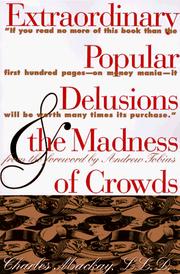
Crowd manias from the Mississippi scheme and South Sea Bubble to witch trials.
“The first couple of chapters of this book, which describes in detail the great financial and stock market manias of the eighteenth century, are essential reading for all serious investors.” — Barton Biggs
Source: Biggs on the first chapters as essential reading
Recommended by: Barton Biggs, Bernard Baruch, Peter Cundill and 2 others

How individuals lose judgement in a crowd and how leaders sway crowds.
“The Crowd, written in 1895 by Gustave Le Bon, is probably the most instrumental book in framing my ability to go against the grain of conventional thought and not feel insecure.” — Frank Martin
Source: Martin on the book that let him go against conventional thought
Recommended by: Frank Martin, Mohnish Pabrai, Peter Cundill and 1 other

Why mass movements of every kind draw the same frustrated people and use one method.
“My favourite book to recommend is The True Believer: Thoughts on the Nature of Mass Movements by Eric Hoffer. There is no discussion about investing, but it is extremely helpful in understanding…” — Joe Rosenberg
Source: Rosenberg on the book he most often recommends
Recommended by: Joe Rosenberg, Mohnish Pabrai and 6 others

How the wish for agreement in close groups led to fiascos like the Bay of Pigs.
“One of my favourite books, Groupthink by Irving Janis, breaks down how small, cohesive groups of very smart people can make very bad decisions.” — Adam Weiss
Source: Weiss naming Groupthink one of his favourite books
Recommended by: Adam Weiss, Barton Biggs
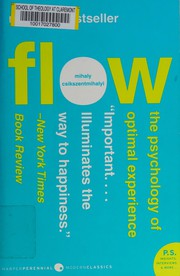
Flow, the state of full absorption in a hard task, and how to find it more often.
“…books I've recommended, highlighted to death, or forced on friends.” — Andrew Wilkinson
Source: Andrew Wilkinson's Bookshelf, neverenough.com
Recommended by: Andrew Wilkinson, Jim Collins and 2 others

Papers on how people choose under risk, from prospect theory to framing.
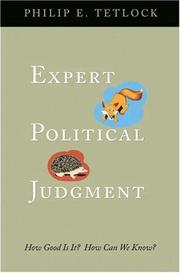
A 20-year test of 28,000 expert forecasts: foxes with many models beat hedgehogs.
“All pundits and commentators should publish their prediction track records, yet don't. What to pay attention to and what to ignore.” — Marc Andreessen
Source: @pmarca, 'Thread: Books I've recently read and recommend'
Recommended by: Marc Andreessen, Michael Mauboussin and 2 others
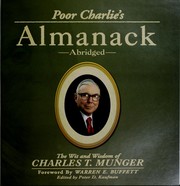
Speeches making the case for a latticework of mental models from many fields.
“…books I've recommended, highlighted to death, or forced on friends.” — Andrew Wilkinson
Source: Andrew Wilkinson's Bookshelf, neverenough.com
Recommended by: Andrew Wilkinson, Charlie Munger and 26 others

How slot machines are designed to keep gamblers playing longer.
Recommended by: Nir Eyal, Tristan Harris
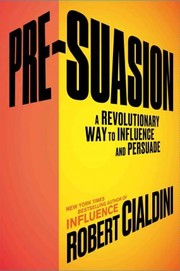
Where you direct attention just before a message shapes how it is received.
Recommended by: Michael Mauboussin, Naval Ravikant
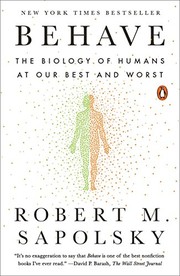
Explains an action by tracing its causes back from neurons to hormones to evolution.
“…books I've recommended, highlighted to death, or forced on friends.” — Andrew Wilkinson
Source: Andrew Wilkinson's Bookshelf, neverenough.com
Recommended by: Andrew Wilkinson, Bill Gates, Bryan Johnson and 5 others

Techniques for handling people, being liked and winning others to your view.
Recommended by: Mohnish Pabrai, Alex and Books and 13 others

How 1950s advertisers used psychological research to sway buyers.
Performing under pressure by quieting the self-interference that spoils play.
Recommended by: Bill Gates, Nat Eliason, Brad Feld and 1 other
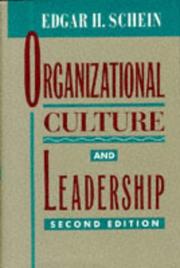
What organisational culture is, how it forms, and how it bears on leadership.

Sex evolved as a defence against parasites, and that shapes human mating.
“I really highly, highly recommend picking up Genome, The Red Queen, Origins of Virtue, The Rational Optimist, and The Evolution of Everything.” — Naval Ravikant
Source: The Tim Ferriss Show — Naval Ravikant Q&A, full transcript
Recommended by: Mohnish Pabrai, Naval Ravikant, Seth Klarman and 1 other

Language as a human instinct, and what science knows of grammar and learning.
“He gave me this book called The Language Instinct, written by Steven Pinker... And Pinker proves his point pretty well.” — Charlie Munger
Source: Poor Charlie's Almanack, Talk Two: A Lesson on Elementary, Worldly Wisdom
Recommended by: Charlie Munger, Mohnish Pabrai and 1 other
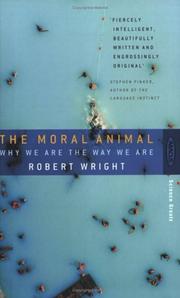
Evolutionary psychology explained through Darwin's own life and behaviour.
Recommended by: Mohnish Pabrai, Ryan Holiday, Morgan Housel and 2 others
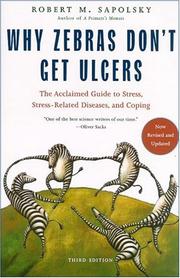
Chronic stress and how it affects the quality of decisions.
“it's a wonderful title and it's a wonderful book about the idea of stress” — Michael Mauboussin
Source: The Tim Ferriss Show #659 — official transcript
Recommended by: Michael Mauboussin

Preference falsification: why people hide their views and how that hides change.
“So this is one of the all time great books. Incredible.” — Marc Andreessen
Source: Lex Fridman Podcast #458 transcript — Marc Andreessen
Recommended by: Marc Andreessen

Forty-eight rules for gaining and keeping power, each shown by historical episodes.
Recommended by: Nat Eliason, Ryan Holiday, Iman Gadzhi and 3 others

Why parents have less effect on how children turn out than people assume.
“the one thing that I found to be really interesting, and to some degree liberating, is the work of Judith Rich Harris” — Michael Mauboussin
Source: The Tim Ferriss Show #659 — official transcript
Recommended by: Michael Mauboussin
A step-by-step approach to business negotiation from Wharton's negotiation workshop.
Data showing that low-expectation stocks beat popular ones over the long run.
“all these people really were helpful in forming and getting me involved in investing” — Joel Greenblatt
Source: Masters in Business transcript: Joel Greenblatt (2018)
Recommended by: Joel Greenblatt, Mohnish Pabrai and 1 other
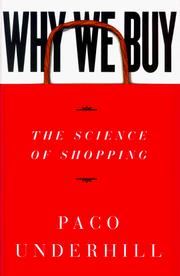

Seducer types, victim types and a step-by-step process of attraction from history.
Recommended by: Nat Eliason
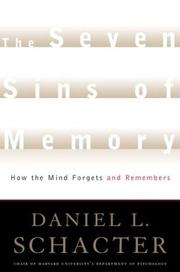
Seven everyday ways memory fails, from fading over time to blocking a known name.
Recommended by: Shane Parrish

How genes and experience interact, each shaping how the other acts.
Recommended by: Naval Ravikant
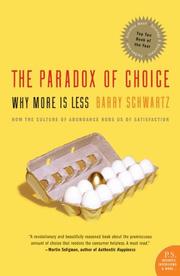
Beyond a point, more options make people less likely to choose and less satisfied.
“It is almost ten years since Barry Schwartz published his popular psychology book "The Paradox of Choice".” — Nick Sleep
Source: Nomad Investment Partnership, Annual Letter for the period ended December 31st, 2013, p. 216
Recommended by: Nat Eliason, Nick Sleep and 1 other
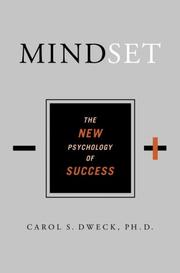
People who think ability grows with effort learn more than those who think it fixed.
“One of the reasons I loved Mindset is because it's solutions-oriented.” — Bill Gates
Source: Gates Notes review of Mindset
Recommended by: Bill Gates, Mohnish Pabrai, Alex and Books and 13 others

Economics for daily life: motivating people, choosing food, giving to charity.
Recommended by: Graham Duncan
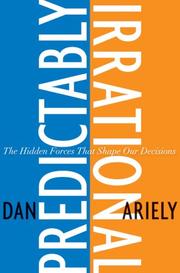
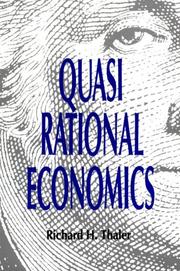
Experiments showing that people depart from rational choice in repeatable ways.
Recommended by: Mohnish Pabrai, Alfred Lin, Anna Cheng and 6 others
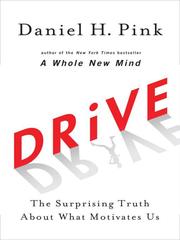
Rewards work for routine tasks; creative work runs on autonomy, mastery and purpose.
“In his excellent book, Drive, Dan Pink distinguishes between algorithmic tasks and heuristic tasks.” — Michael Mauboussin
Source: Blaming the Rat: Incentives, Motivation, and How They Interact (Legg Mason Capital Management)
Recommended by: Michael Mauboussin, Mohnish Pabrai and 3 others

Lessons on fearlessness drawn from the life of the rapper 50 Cent.
Recommended by: Nat Eliason
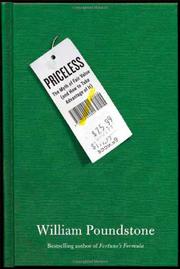
People have no fixed sense of value, so context and anchors set the prices they pay.
Recommended by: Mohnish Pabrai, Patrick O'Shaughnessy
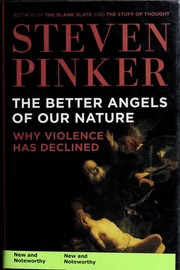
Evidence that violence of nearly every kind has declined over history, and why.
Recommended by: Bill Gates, Mohnish Pabrai, Morgan Housel and 6 others
How masters from Leonardo to Faraday found a life's task and served apprenticeships.
Recommended by: Nat Eliason, Ryan Holiday, Anthony Pompliano and 5 others
Experiments showing most cheating is many people cheating a little.
Recommended by: Mohnish Pabrai

The habit loop of cue, routine and reward, and how to change a habit by its routine.
“I love his [Charles Duhigg's] book. By the way I got his book and gave it to everyone in the company [Bridgewater].” — Ray Dalio
Source: Dalio on giving Duhigg's book to everyone at Bridgewater
Recommended by: Mohnish Pabrai, Nat Eliason, Naval Ravikant and 6 others

Most decisions improve if you wait until the last responsible moment.
Recommended by: Tom Peters
Givers, takers and matchers, and why givers end up both at the bottom and the top.
Recommended by: Mohnish Pabrai, Alex Lieberman and 4 others
People can't act randomly, and how to exploit that in games, tests and markets.
Recommended by: Mohnish Pabrai

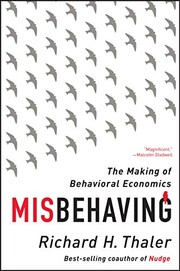
How behavioural economics was built against economists who assumed rational agents.
“He opens his new book, Misbehaving, with Vilfredo Pareto's assertion” — Howard Marks
Source: Oaktree memo 'On the Couch'
Recommended by: Howard Marks, Peter Mallouk, Tyler Cowen

How people champion new ideas, and how leaders can encourage originality.
Recommended by: Mohnish Pabrai, Tony Hsieh, Alfred Lin and 7 others
Experiments showing people work for meaning and recognition, not just money.
Recommended by: Tim Ferriss, Alfred Lin
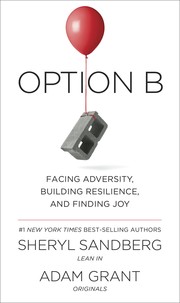
Building resilience after loss, starting from the sudden death of a husband.
Recommended by: Brad Feld, Sheryl Sandberg
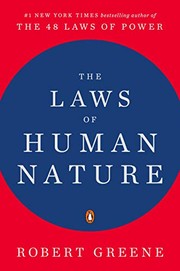
Eighteen patterns of human behaviour, from irrationality on, and how to handle them.
“If you've ever been curious about psychology or human behavior, it is by far the most comprehensive and memorable book I've found.” — Andrew Wilkinson
Source: Newsletter
Recommended by: Andrew Wilkinson, Library Mindset

Early specialisation works only where rules are stable; elsewhere breadth wins.
Recommended by: Bill Gates, Abi Tyas Tunggal, Alex Lieberman and 11 others

Lessons from 25 years of interviews with investors from Templeton to Munger.
“William has written the kind of book that we would love to have written but know that we lack the requisite skills.” — Nick Sleep
Recommended by: Nick Sleep

Rethinking your beliefs is a skill apart from intelligence, and how to practise it.
Recommended by: Jim O'Shaughnessy, Melinda Gates

How poker players, hedge fund managers and venture capitalists think about risk.

Common knowledge, where everyone knows that everyone knows, and what it does.
Recommended by: Bill Gates

Why money is hard to think about, and the errors people make in spending.
How the internet can spread generosity and make giving a force for good.
Recommended by: Bill Gates
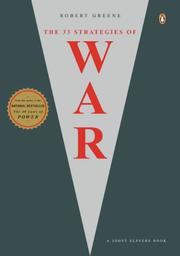
Thirty-three strategies of conflict drawn from Napoleon, Hannibal, Thatcher and more.
Recommended by: Ryan Holiday

How genes and experience interact, each shaping how the other acts.
Recommended by: Naval Ravikant

366 daily lessons on power, seduction, mastery, strategy and human nature.
Recommended by: Ryan Holiday

Essays on reading crowd opinion as a signal to think the opposite.

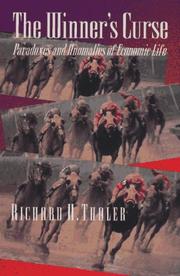
How biases such as anchoring and the winner's curse distort bargaining.
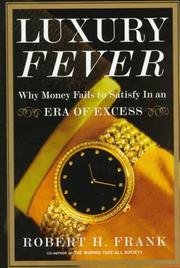
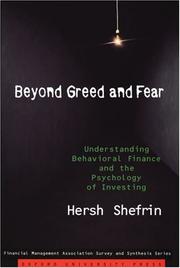
Behavioural finance for practitioners: mental shortcuts, framing and market errors.

Tavris and Aronson focus on what happens after a bias fires: the self-justification, narrative revision, and escalating commitment that follow. Cognitive dissonance, they argue, is not a personality flaw but a universal mechanism, and understanding it explains police misconduct, political tribalism, and therapy failures in a single framework.
Recommended by: Mohnish Pabrai, Nat Eliason and 2 others

Builds out Munger's latticework idea from primary sources.
“…books I've recommended, highlighted to death, or forced on friends.” — Andrew Wilkinson
Source: Andrew Wilkinson's Bookshelf, neverenough.com
Recommended by: Andrew Wilkinson, Nat Eliason and 8 others

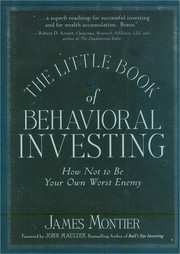
Practical countermeasures rather than a catalogue of biases.
Recommended by: Mohnish Pabrai
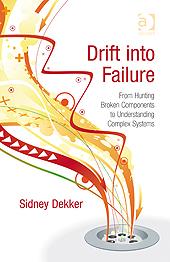
How complex systems, from subprime lending to space shuttles, drift into failure.
Why humans tell stories: a rehearsal for life's social problems.
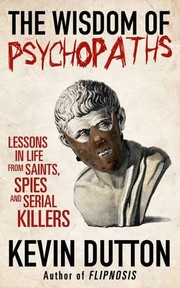
Traits of psychopathy and where they are rewarded in business
Recommended by: Morgan Housel

Bevelin distilling observation and inference habits from Sherlock Holmes
Recommended by: Mohnish Pabrai, Patrick O'Shaughnessy and 1 other

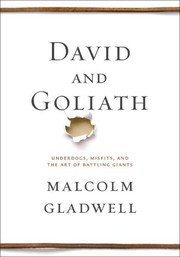
Gladwell on underdogs and mistaken assumptions about advantage
“…books I've recommended, highlighted to death, or forced on friends.” — Andrew Wilkinson
Source: Andrew Wilkinson's Bookshelf, neverenough.com
Recommended by: Andrew Wilkinson, Mohnish Pabrai and 1 other

Mullainathan and Shafir's research on cognitive bandwidth shows that financial scarcity — not just poverty but any experience of not having enough — tunnels attention in ways that make long-term planning harder and short-term mistakes more likely. It reframes willpower-based explanations of financial failure without excusing the structural causes.
Recommended by: Mohnish Pabrai, Daniel Kahneman and 1 other
The Good Judgment Project; the practices that measurably improve forecasts.
Recommended by: Patrick Collison and 9 others

Dialogue form; Munger's inversion habit worked through systematically.

Recommended by: Andrew Wilkinson, David Cancel, Nat Eliason and 4 others
Michael Lewis's account of the Kahneman-Tversky collaboration works as intellectual biography and as a second path through the research for readers who find academic writing slow. The friendship and its eventual fracture clarifies how two very different minds produced work that neither could have done alone.
Recommended by: Andrew Wilkinson, Mohnish Pabrai, Ray Dalio and 6 others

Reason evolved to justify ourselves and persuade others, not to think alone.

Behavioural genetics on how much of an outcome is inherited
Recommended by: James Cameron, Michael Mauboussin

Why complex systems fail, from Volkswagen to Everest, and how to design against it.

Hanson and Simler make the most provocative claim in this list: that self-deception is not a flaw but an adaptive strategy — we hide our real motives from ourselves so we can more convincingly hide them from others. If true, the entire bias-correction project has a ceiling. This book belongs at the end so it reframes everything before it.
Recommended by: Nat Eliason, Ali Abdaal, Emmett Shear and 3 others

Recommended by: Ana Fabrega, Chamath Palihapitiya, Jenny Chu and 2 others
Kahneman died 27 March 2024; this was his last book.

Experiments from psychology showing the systematic errors in how people reason.

Klontz and Klontz introduced the concept of money scripts — inherited, often unconscious beliefs about money formed in childhood — and this book is the clearest account of the four script types: money avoidance, money worship, money status, and money vigilance. The clinical case material grounds the theory in ways that purely empirical books don't.
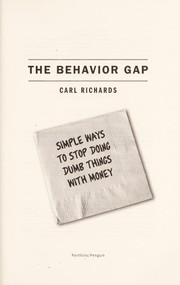
Sketches of the gap between what people know to do with money and what they do.
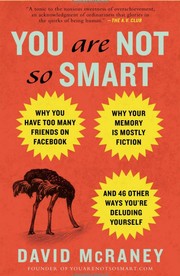
One mental bias per chapter, the research behind it and how people fall for it.

Recommended by: Mohnish Pabrai, Nat Eliason, Maria Popova and 1 other
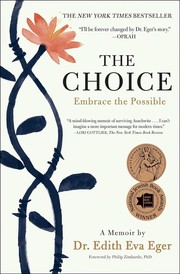
A memoir of surviving Auschwitz and a psychologist's guide to healing from trauma.
Recommended by: Bill Gates, Morgan Housel
Recommended by: Mark Zuckerberg

A psychologist's study of modern people's spiritual search.
Recommended by: Mohnish Pabrai

Recommended by: Ran Segall, Tim Ferriss
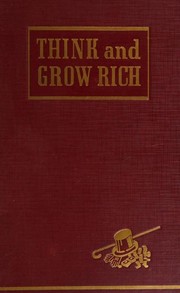
Thirteen principles of getting rich, claimed to come from studying 500 wealthy men.
“I've always been a big fan of books and teaching seminars specializing in the area of self-improvement. Think And Grow Rich by Napoleon Hill is one book I'd recommend to everyone.” — Jim Clayton
Source: Clayton on the one book he would recommend to everyone
Recommended by: Jim Clayton, Mohnish Pabrai and 8 others

Recommended by: Patrick O'Shaughnessy

Recommended by: Shane Parrish

Recommended by: Daniel Kahneman

Recommended by: Ricardo Semler
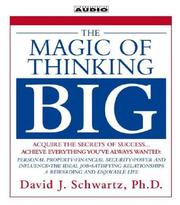
The size of your thinking sets the size of your results, and how to think bigger.
Recommended by: Ali Abdaal, Mohnish Pabrai, Nat Eliason and 2 others

Recommended by: Arianna Huffington

Creativity in humour, science and art as 'bisociation': joining two unrelated frames.
Recommended by: Patrick O'Shaughnessy, Adam Robinson

Recommended by: Patrick Collison

Recommended by: The Barefoot Investor
Life in Nazi concentration camps, and logotherapy: finding meaning to survive.
“I have been deeply influenced by the existentialist and eminent psychiatrist Viktor Frankl, who wrote the perennial best seller Man's Search for Meaning, one of the most influential books I've ever…” — Frank Martin
Source: Martin on one of the most influential books he has read and reread
Recommended by: Frank Martin, Mohnish Pabrai, Nat Eliason and 24 others


Recommended by: Patrick O'Shaughnessy, Tim Ferriss
Recommended by: Guy Spier

Recommended by: Mohnish Pabrai
Recommended by: Adam Robinson
Recommended by: Ramit Sethi, Sahil Lavingia

How people and cultures react to death, and what that reaction does to them.
Recommended by: Nat Eliason, Eric Weinstein

Recommended by: Brian Armstrong
Cognitive psychology applied to how leaders misperceive each other in foreign policy.
Recommended by: Bill Gates

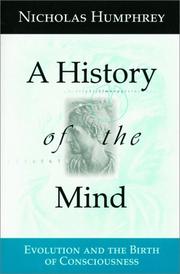
The theory that consciousness is learned, arising from a once two-chambered mind.
Recommended by: Patrick O'Shaughnessy, Adam Robinson and 3 others

Recommended by: Mohnish Pabrai
A neurologist on the varieties of luck in scientific discovery
“wrote an outstanding book called Chase, Chance, and Creativity … It's the best book I've read on the role of luck, chance, and serendipity” — Marc Andreessen
Source: Luck and the Entrepreneur: The four kinds of luck, blog.pmarca.com
Recommended by: Marc Andreessen

A 70-question test that sorts readers into 16 temperament types, like Myers-Briggs.
Recommended by: Mohnish Pabrai


Recommended by: Antonio García Martínez

Recommended by: John Maeda, Nathan Murphy


Recommended by: Bret Victor

Metaphor as a basic mechanism of thought that shapes how people understand the world.
Recommended by: Nat Eliason, Matt Mullenweg, Nick Szabo and 1 other
Recommended by: Eric Weinstein

How sensitive children who meet their parents' needs lose touch with the true self.
Recommended by: Mohnish Pabrai

Why many successful children and adults feel empty, and how to break the cycle.
Recommended by: Mohnish Pabrai, Tim Ferriss

Recommended by: Brian Armstrong

Behavioural training methods for animals and people, explained with examples.
Recommended by: Naval Ravikant, Nir Eyal, Tim Ferriss and 1 other
Recommended by: Brian Armstrong



Recommended by: Tim Ferriss
Home-study course rather than a trade book.

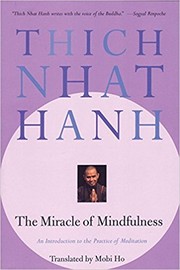
How acting on routine leads to error and pain, and what thinking mindfully changes.
Recommended by: Arianna Huffington

Recommended by: Ramit Sethi, Tim Ferriss

Change behaviour by changing what you link with pain and pleasure.
Recommended by: Guy Spier, Nat Eliason, Brian Koppelman and 2 others

Recommended by: Mohnish Pabrai
Recommended by: Mohnish Pabrai

Recommended by: Ray Dalio
Recommended by: Mohnish Pabrai

Recommended by: Vinod Khosla, Shane Parrish
Recommended by: Mohnish Pabrai
Recommended by: Mohnish Pabrai

Recommended by: Graham Duncan, Ray Dalio
Recommended by: Eric Weinstein

Recommended by: Tristan Harris
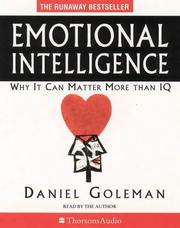
Recommended by: Drew Houston, Julian Shapiro
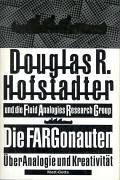
Recommended by: Patrick Collison

Recommended by: Mohnish Pabrai

Recommended by: Mohnish Pabrai


Recommended by: Guy Spier
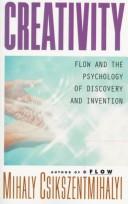
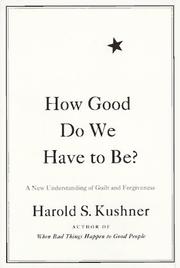
Recommended by: Mohnish Pabrai

Recommended by: Mohnish Pabrai


Recommended by: Patrick Collison
Recommended by: Graham Duncan


Recommended by: Mohnish Pabrai
Recommended by: Mohnish Pabrai
Recommended by: Mohnish Pabrai, Josh Wolfe

Recommended by: Peter Attia
Recommended by: Mohnish Pabrai
Why some groups of talented people achieve greatness and others never do.
Recommended by: Mohnish Pabrai, Patrick Collison


How to spot subtle warning signs of violence and trust the intuition that sees them.
Recommended by: Ramit Sethi, Tim Ferriss
Recommended by: Ali Abdaal, Iman Gadzhi, Nat Eliason and 1 other
Recommended by: Brené Brown, Jerry Colonna

A scale of human consciousness and a claimed method to test any statement's truth.
Recommended by: Mohnish Pabrai
How firefighters, pilots and other experts decide under time pressure.
Recommended by: Mohnish Pabrai

Sun Tzu's strategies of war applied to helping women win at love.
Recommended by: Sam Altman

Recommended by: Mohnish Pabrai

Recommended by: Mohnish Pabrai

Four steps to speak without blame: observations, feelings, needs and requests.
Recommended by: Andrew Wilkinson, Dustin Moskovitz and 3 others
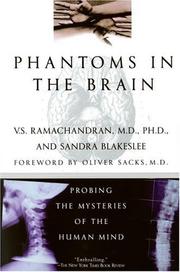
What patients with odd neurological disorders reveal about the brain and the self.
Recommended by: Tom Bilyeu

Cognitive therapy applied to the thinking behind anger, hostility and violence.
Recommended by: Mohnish Pabrai

Recommended by: Mohnish Pabrai
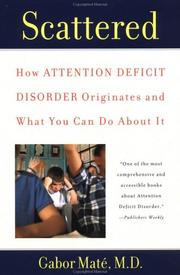

Recommended by: Mohnish Pabrai

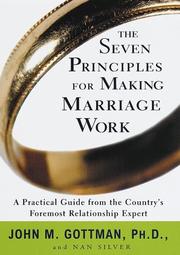
Recommended by: Andrew Wilkinson
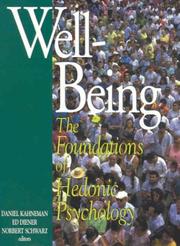
Edited volume

Recommended by: Mohnish Pabrai

Recommended by: Mohnish Pabrai
Recommended by: Mohnish Pabrai, Girish Mathrubootham and 2 others

Recommended by: Mohnish Pabrai
A journalist learns memory techniques and wins the US Memory Championship.
Recommended by: Bill Gates, Mohnish Pabrai, Nat Eliason and 4 others
Recommended by: Patrick Collison
Recommended by: Steve Jurvetson
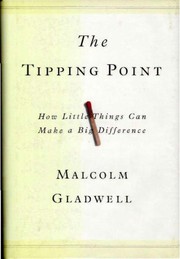
How ideas and behaviour spread like epidemics, and the three factors that tip them.
Recommended by: Mohnish Pabrai, Tony Hsieh, Ev Williams and 2 others


Recommended by: Mohnish Pabrai

Recommended by: Mohnish Pabrai


Recommended by: Mohnish Pabrai
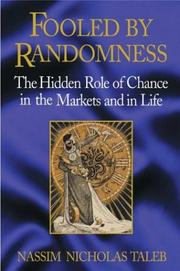
Why people mistake luck for skill, above all in markets.
“Fooled by Randomness is a serious, intellectually sophisticated book, well worth reading carefully. At times, the book is condescending. Nevertheless, there are some great insights.” — Barton Biggs
Source: Biggs on a sophisticated book worth reading carefully
Recommended by: Barton Biggs, Michael Mauboussin and 11 others

Recommended by: Sheryl Sandberg

Recommended by: Michael Batko
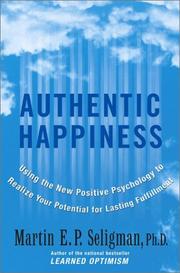

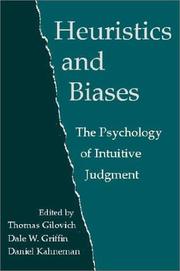
Edited volume.

Recommended by: Andrew Wilkinson
Recommended by: Mohnish Pabrai


Recommended by: Mohnish Pabrai

Recommended by: Mohnish Pabrai
Why some people survive disasters that kill others in the same circumstances.
Recommended by: Michael Mauboussin, Patrick O'Shaughnessy

Recommended by: Mohnish Pabrai

Recommended by: Brené Brown, Jerry Colonna, Tim Ferriss
Recommended by: Satya Nadella

Recommended by: Mohnish Pabrai
Recommended by: Mohnish Pabrai

Recommended by: The Barefoot Investor
How snap judgments work, when to trust them and when they mislead.
Recommended by: Mohnish Pabrai, Ev Williams, Packy McCormick


Recommended by: Ev Williams
Recommended by: Mohnish Pabrai
Recommended by: Mohnish Pabrai, Ev Williams

Recommended by: Andrew Wilkinson, Nat Eliason and 1 other
Edited volume.
Recommended by: Matt Mullenweg, Tim Ferriss
Recommended by: Mohnish Pabrai

Inside a community of men perfecting seduction techniques, and one man's doubts.
Recommended by: Ryan Holiday, Nat Eliason
Ancient wisdom on happiness tested against modern psychology and brain research.
Recommended by: Andrew Wilkinson, Tony Hsieh
Recommended by: Mohnish Pabrai

The case that disorder is often more efficient than imposed order
“This idea comes from a wonderful book called A Perfect Mess” — Marc Andreessen
Source: The Pmarca Guide to Personal Productivity
Recommended by: Marc Andreessen

Short reflections and practices for starting mindfulness, read at random or daily.
Recommended by: Ev Williams
How plate size, brand names and habit make people eat more than they realise.
Recommended by: Ramit Sethi

Essays on investing philosophy, psychology, competition and science.
Recommended by: Rational Capital Investment Fund




What a chess prodigy turned tai chi champion learned about learning itself.
Recommended by: Nat Eliason, Abi Tyas Tunggal, Guy Proops and 2 others

How judging firms by their results corrupts most business research and advice.
“Phil Rosenzweig's must-read book, The Halo Effect, shows this idea is alive and well in the business world.” — Michael Mauboussin
Source: Was Harry Potter Inevitable? Cumulative Advantage, Counterfactuals, and the Halo Effect (Legg Mason)
Recommended by: Michael Mauboussin, Ev Williams and 1 other
Neuroscience of investing decisions, written by Graham's modern editor.
Recommended by: Mohnish Pabrai
Applies behavioural finance to building portfolios for real clients.
What brain science says about learning, sleep, stress, memory and multitasking.
Recommended by: Mohnish Pabrai, Nat Eliason, Bill Gates and 1 other
Recommended by: Patrick Collison

Recommended by: Mohnish Pabrai

Recommended by: Naval Ravikant

How timing, culture and accumulated advantage explain exceptional success.
Recommended by: Mohnish Pabrai, Tony Hsieh, Bill Gates and 6 others
Cognitive science and learning theory applied to thinking and learning better.
Recommended by: Nat Eliason
Deliberate practice, not innate talent, explains world-class performance.
Recommended by: Mohnish Pabrai, Alfred Lin, Donald Trump

Why people misjudge risk; the availability heuristic in public life
Recommended by: Morgan Housel

Recommended by: Ray Dalio
Cialdini's persuasion research condensed into fifty applied findings
Recommended by: Mohnish Pabrai, Charlie Munger

Recommended by: Mohnish Pabrai
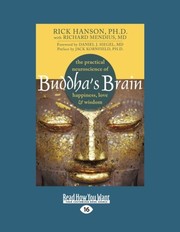

Recommended by: Mohnish Pabrai

Recommended by: Mohnish Pabrai


Recommended by: Safi Bahcall

Argues that the quality of a life depends on what a person pays attention to.
Recommended by: Mohnish Pabrai
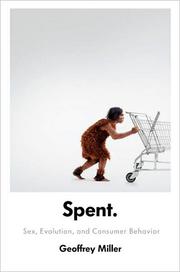
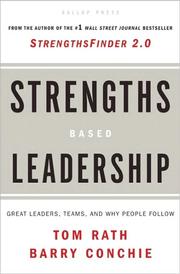

The 'Upper Limit Problem': how people sabotage themselves when good things happen.
Recommended by: Andrew Wilkinson, Noah Kagan


How talent is grown, not born, through a brain mechanism training can tap.
Recommended by: Mohnish Pabrai, Nat Eliason, David Cancel and 2 others

Eight mistakes experienced decision-makers repeat, and a correction for each.
Recommended by: Mohnish Pabrai and 1 other


Recommended by: Mohnish Pabrai

Recommended by: Bill Gates


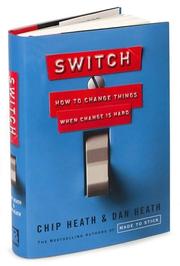
Change made easier: direct the rational rider, motivate the emotional elephant.
Recommended by: Andrew Wilkinson, Mohnish Pabrai, Nir Eyal and 1 other
Recommended by: Andrew Wilkinson

Courage, compassion and connection as choices that lead to wholehearted living.
Recommended by: Brené Brown, Melinda Gates
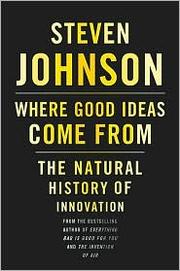
Seven patterns, such as the adjacent possible, in the settings that produce ideas.
Recommended by: Andrew Wilkinson, Bill Gates, Mohnish Pabrai and 3 others


Recommended by: Mohnish Pabrai

Recommended by: Mohnish Pabrai


Recommended by: Nat Eliason

Recommended by: Mohnish Pabrai
Recommended by: Mohnish Pabrai

Recommended by: Mike Maples, Jr.

Recommended by: Graham Duncan, Zoë Foster Blake
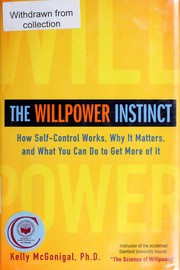
Self-control as a physical capacity, and how to build it, from a Stanford course.
Recommended by: Mohnish Pabrai, Nat Eliason, Jane McGonigal and 2 others

Recommended by: Mohnish Pabrai
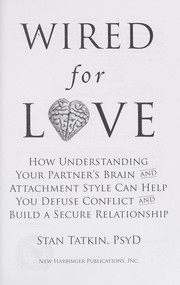
Recommended by: Andrew Wilkinson

Recommended by: Mohnish Pabrai

Classifies investors into behavioural types for advice and design.

Recommended by: Mohnish Pabrai

Recommended by: Graham Duncan
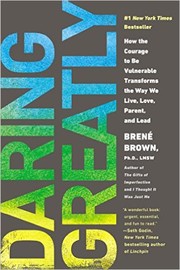
Research on shame and vulnerability, and why vulnerability comes before connection.
Recommended by: Tony Hsieh, Brené Brown, Chase Jarvis and 4 others

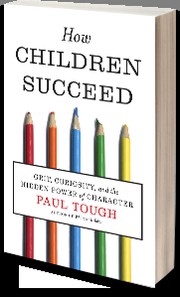
Recommended by: Mohnish Pabrai

Recommended by: Nat Eliason, Naval Ravikant, Garry Tan and 1 other
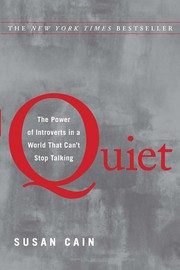
How schools and workplaces built for extroverts waste what introverts offer.
Recommended by: Mohnish Pabrai, Brad Feld, Cristina Cordova and 5 others
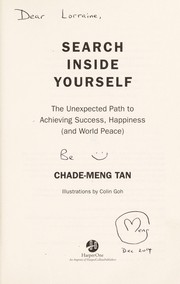
Recommended by: Arianna Huffington, Matt Mullenweg and 1 other
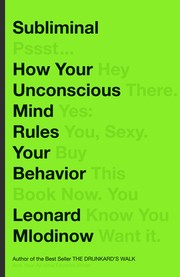
How the unconscious mind shapes perception, judgement and dealings with others.


Recommended by: Patrick Collison, Marissa Mayer
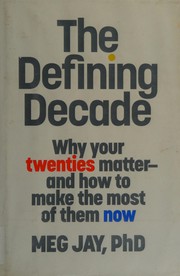
Why the twenties matter, against the hype that trivialises that decade of life.
Recommended by: Nat Eliason, John Doerr

How testosterone feeds traders' winning streaks and appetite for risk.
Recommended by: Nassim Nicholas Taleb

Field-tested tips for improving skills in sport, music, art, maths and business.
Recommended by: Nat Eliason, David Cancel

Recommended by: Ali Abdaal, Jackie Vullinghs, Tristan Harris and 1 other


Recommended by: Andrew Wilkinson, David Kadavy


Recommended by: Mohnish Pabrai
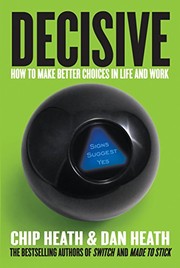
Four traps that ruin decisions, such as narrow framing, and a process to beat each.
Recommended by: Andrew Wilkinson, Mohnish Pabrai and 4 others

Recommended by: Patrick O'Shaughnessy, Vinod Khosla
Recommended by: Mohnish Pabrai, Tim Ferriss

A short case against all lying, white lies included.
Recommended by: Nat Eliason, Naval Ravikant, Vinod Khosla and 3 others
Recommended by: Anthony Pompliano, David Cancel and 2 others

Recommended by: Mohnish Pabrai

Recommended by: Mohnish Pabrai


Alfred Adler's psychology taught through five nights of dialogue.
“This book is oddly written (it's translated from Japanese), but it changed my life.” — Andrew Wilkinson
Source: Newsletter
Recommended by: Ali Abdaal, Andrew Wilkinson, Tim Ferriss and 11 others


Recommended by: Patrick Collison
How trauma reshapes the body and brain, and the treatments that help survivors.
Recommended by: Matt Mullenweg, Brené Brown, Garry Tan and 2 others
Recommended by: Mohnish Pabrai, Keith Rabois, Satya Nadella

How extreme-sports athletes use flow states to push performance further.
Recommended by: Nat Eliason, Adam Fisher, Chase Jarvis and 2 others

Twelve rules for living, each drawn from clinical practice, biology and myth.
Recommended by: Nat Eliason, Alex and Books, Ana Fabrega and 7 others

Recommended by: Mohnish Pabrai, Patrick O'Shaughnessy and 1 other
Why aviation learns from every failure while fields like medicine hide theirs.
Recommended by: Richard Branson, Daniel Ek

Recommended by: Mohnish Pabrai



How finding love, dating and relationships have changed from earlier generations.
Recommended by: Nat Eliason


How to deal with irrational, volatile and manipulative people at work and at home.
Recommended by: Cynthia Johnson


Recommended by: Keith Rabois, Patrick Collison and 1 other

Recommended by: Mohnish Pabrai
Build habits by making them obvious, attractive, easy and satisfying.
Recommended by: Ali Abdaal, Balaji S. Srinivasan and 21 others

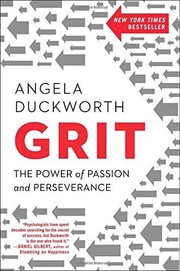
Recommended by: Albert Wenger, Anu Hariharan, Brené Brown and 3 others



Attracting women through honest self-development instead of pickup tactics.
Recommended by: Nat Eliason
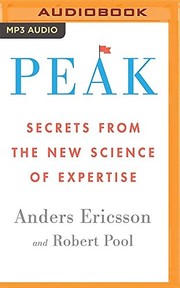
How experts in music, chess, medicine and sport excel through deliberate practice.
Recommended by: Nat Eliason

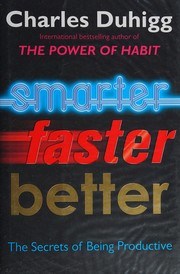
Productivity as a matter of how people think, set goals, build teams and decide.
Recommended by: Mohnish Pabrai, Sarah Pritula

An engineer's approach to happiness: the illusions and brain flaws behind suffering.
Recommended by: Andrew Wilkinson, Peter Attia

Chance shapes success more than people think; what that means for fairer economies.
Recommended by: Mohnish Pabrai

Recommended by: Ran Segall, Johnnie Gomez, Matej Latin and 1 other

Routines, tools and advice from over 200 podcast guests on health, wealth and wisdom.
Recommended by: Keith Rabois, Nat Eliason, Kevin Rose and 4 others


Recommended by: Arianna Huffington


Recommended by: Graham Duncan, Tony Robbins


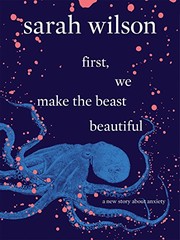
Recommended by: George Hatzis

Recommended by: Emmett Shear

How popularity in youth shapes development and still affects happiness and success.
Recommended by: Susan Cain

How to design moments that make experiences richer and more memorable.
Recommended by: Jake Knapp, Joel Connolly, Michael Batko

A grieving man walks the Camino de Santiago after scattering his father's ashes.
Recommended by: Matt Mullenweg

An FBI counterintelligence system for earning trust, built from recruiting sources.
Recommended by: Kevin Rose

Recommended by: Safi Bahcall


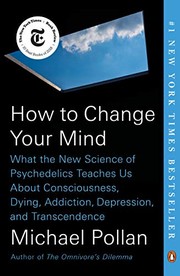
The history and revival of psychedelic research, and the author's own trips.
Recommended by: Bill Gates, Bryan Johnson, James Cameron and 7 others

“I love this line from Dr. James Hollis' incredible book (one of my favorites from the last few years)” — Andrew Wilkinson
Source: Essay
Recommended by: Andrew Wilkinson

Depression and anxiety traced to lost connections to work, people and values.
Recommended by: Andrew Wilkinson, Arianna Huffington and 2 others

The brain science that matters to designers and how it shapes people's daily use.
Recommended by: Ryan Hoover

Recommended by: Alexis Ohanian, Kathryn Minshew


Recommended by: Patrick Bet-David, Ryan Holiday
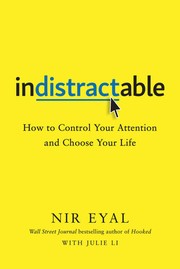
Distraction comes from escaping discomfort, not technology, and how to manage it.
Recommended by: Nir Eyal, Alexis Ohanian, Allen Gannett and 4 others


Recommended by: Andrew Wilkinson, Claire Diaz-Ortiz

How popular stories spread like epidemics and drive economic events.
Recommended by: Jackie Vullinghs

Recommended by: Cal Newport
How sleep, diet and social media feed ADHD-like traits, with Trump as a case study.
Recommended by: Andrew Wilkinson
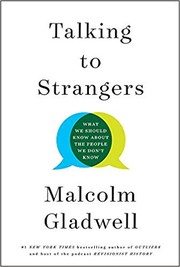
Recommended by: Melinda Gates, Patrick Bet-David and 1 other

Recommended by: Ryan Hoover

How exercise ties to human joys: self-expression, social connection and mastery.
Recommended by: Keith Rabois, Kevin Rose


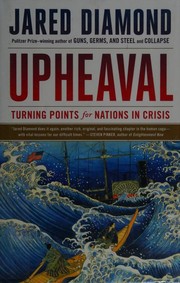

Recommended by: Ryan Hoover, Sahil Lavingia

Seven practices, steadiness to timelessness, joining brain science and meditation.
Recommended by: Andrew Wilkinson
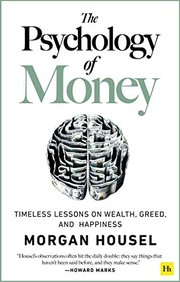
Twenty short essays on why behaviour matters more than knowledge with money.
“…books I've recommended, highlighted to death, or forced on friends.” — Andrew Wilkinson
Source: Andrew Wilkinson's Bookshelf, neverenough.com
Recommended by: Andrew Wilkinson, Nat Eliason, Ali Abdaal and 10 others

Recommended by: Marc Andreessen

Recommended by: Naval Ravikant
Recommended by: Andrew Wilkinson
“I've been really enjoying Anthony de Mello's book Stop Fixing Yourself on this topic. It's a serious bucket of cold water over the head for anyone who's an obsessive striver.” — Andrew Wilkinson
Source: Newsletter
Recommended by: Andrew Wilkinson


Recommended by: Julia Galef, Vitalik Buterin

Recommended by: Melinda Gates

Rene Girard's theory that people imitate each other's desires, applied to business.
Recommended by: Andrew Wilkinson, Chamath Palihapitiya and 3 others


“a new book by Robert Waldinger, the study's current director, and it drove this home.” — Andrew Wilkinson
Source: Essay
Recommended by: Andrew Wilkinson

Recommended by: Andrew Wilkinson, Bill Gates

“There are many things that never change” — Andrew Wilkinson
Source: Newsletter
Recommended by: Andrew Wilkinson

Recommended by: Andrew Wilkinson

Recommended by: Andrew Wilkinson

Recommended by: Andrew Wilkinson


Recommended by: Andrew Wilkinson, Bill Gates and 1 other

“Derek is one of my favorite writers, and his latest book is focused on a simple idea: our beliefs are often not necessarily true, but simply useful to us. That beliefs are tools, not truths.” — Andrew Wilkinson
Source: Newsletter
Recommended by: Andrew Wilkinson

Recommended by: Arianna Huffington

Recommended by: Tim Ferriss
Recommended by: Tim Ferriss

Recommended by: Tim Ferriss


Recommended by: Tim Ferriss



Recommended by: Mohnish Pabrai


Recommended by: Mohnish Pabrai
Recommended by: Mohnish Pabrai

Recommended by: Arianna Huffington
Recommended by: Richard Branson
Recommended by: Richard Branson


How people read others' thoughts and feelings, and how misreading them causes rifts.
Recommended by: Nat Eliason

A four-point program, built on motivation research, for sticking with exercise.
Recommended by: Arianna Huffington
Creative genius explained as a Darwinian process of variation and selection.
Recommended by: Patrick Collison

Recommended by: Mohnish Pabrai
A powerlifter's guide to the mental training behind world-class strength.
Recommended by: Nat Eliason

Why people stick too long with failing projects and careers, and how to quit well.
Recommended by: Ev Williams

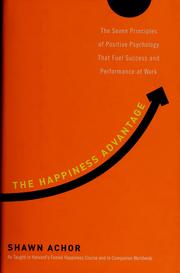

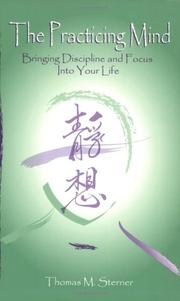
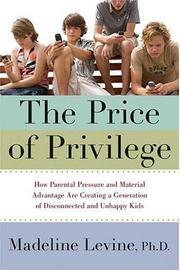
Recommended by: Arianna Huffington
Recommended by: Arianna Huffington
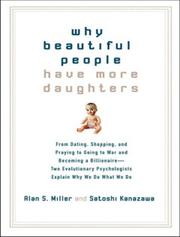
Recommended by: Ryan Holiday

Recommended by: Kevin Rose, Matt Mullenweg, Nick Thompson


 Robert Greenewrote 7 books here
 Daniel Kahnemanwrote 6 books here
 Richard H. Thalerwrote 5 books here
 Adam Grantwrote 4 books here
 Dan Arielywrote 4 books here
 Robert J. Shillerwrote 3 books here
 Matt Ridleywrote 3 books here
 Robert B. Cialdiniwrote 2 books here
Show all 40
 Rory Sutherlandwrote 2 books here
 Dan Gardnerwrote 2 books here
 Brian Grazerwrote 2 books here
 Chade-Meng Tanwrote 2 books here
 Charlie Mungerwrote 1 book here
 Michael Lewiswrote 1 book here
 Nassim Nicholas Talebwrote 1 book here
 Chris Andersonwrote 1 book here
 Tyler Cowenwrote 1 book here
 Ryan Holidaywrote 1 book here
 Brené Brownwrote 1 book here
 James Altucherwrote 1 book here
 Julia Galefwrote 1 book here
 Nir Eyalwrote 1 book here
 Sheryl Sandbergwrote 1 book here
 Susan Cainwrote 1 book here
 Tim Ferrisswrote 1 book here
 Tony Robbinswrote 1 book here
 Tucker Maxwrote 1 book here
 Mohnish Pabrairecommends 126 books hereTim Ferrissrecommends 33 books here
 Naval Ravikantrecommends 25 books here
 Patrick Collisonrecommends 22 books here
 Bill Gatesrecommends 20 books here
 Arianna Huffingtonrecommends 18 books hereNir Eyalrecommends 17 books here
 Ray Daliorecommends 15 books here
Show all 212
Ryan Holidayrecommends 15 books here Tony Hsiehrecommends 14 books here
 Matt Mullenwegrecommends 13 books here
 Tom Bilyeurecommends 12 books here
 Vinod Khoslarecommends 12 books here
 Marc Andreessenrecommends 11 books here
 Ev Williamsrecommends 10 books here
 Keith Raboisrecommends 10 books here
 Alfred Linrecommends 9 books here
 Simon Sinekrecommends 8 books hereBrené Brownrecommends 8 books here
 Guy Spierrecommends 7 books here
 Eric Weinsteinrecommends 7 books hereJames Altucherrecommends 7 books hereTony Robbinsrecommends 7 books here
 Tristan Harrisrecommends 7 books here
 Brian Armstrongrecommends 6 books here
 Kevin Roserecommends 6 books here
 Melinda Gatesrecommends 6 books here
 Peter Attiarecommends 6 books here
 Ramit Sethirecommends 6 books here
 Richard Bransonrecommends 6 books hereCharlie Mungerrecommends 5 books hereNassim Nicholas Talebrecommends 5 books here
 Zoë Foster Blakerecommends 5 books here
 Brad Feldrecommends 4 books hereTyler Cowenrecommends 4 books here
 Alexis Ohanianrecommends 4 books here
 Antonio García Martínezrecommends 4 books here
 Bryan Johnsonrecommends 4 books here
 Garry Tanrecommends 4 books here
 Patrick Bet-Davidrecommends 4 books here
 Sam Altmanrecommends 4 books here
 Satya Nadellarecommends 4 books hereSheryl Sandbergrecommends 4 books hereSusan Cainrecommends 4 books here
 Tobi Lütkerecommends 4 books here
 Howard Marksrecommends 3 books here
 Warren Buffettrecommends 3 books here
 Reid Hoffmanrecommends 3 books here
 Chamath Palihapitiyarecommends 3 books here
 Emmett Shearrecommends 3 books here
 Jerry Colonnarecommends 3 books hereJulia Galefrecommends 3 books here
 Kathryn Minshewrecommends 3 books here
 Ryan Petersonrecommends 3 books here
 Stewart Butterfieldrecommends 3 books hereDaniel Kahnemanrecommends 2 books here
 John Doerrrecommends 2 books here
 Albert Wengerrecommends 2 books here
 Balaji S. Srinivasanrecommends 2 books here
 Bret Victorrecommends 2 books here
 Changpeng Zhaorecommends 2 books here
 Claire Diaz-Ortizrecommends 2 books here
 Daniel Ekrecommends 2 books here
 Drew Houstonrecommends 2 books here
 Esther Dysonrecommends 2 books here
 Graham Stephanrecommends 2 books here
 James Cameronrecommends 2 books here
 Jane McGonigalrecommends 2 books here
 Justin Kanrecommends 2 books here
 Maria Popovarecommends 2 books here
 Mark Zuckerbergrecommends 2 books here
 Jim Collinsrecommends 1 book here
 Paul Grahamrecommends 1 book here
 Eric Schmidtrecommends 1 book here
 Prem Watsarecommends 1 book here
 Seth Klarmanrecommends 1 book here
 David Heinemeier Hanssonrecommends 1 book here
 Guy Kawasakirecommends 1 book here
 Ben Silbermannrecommends 1 book here
 Bernard Baruchrecommends 1 book here
 Biz Stonerecommends 1 book here
 Brett Adcockrecommends 1 book here
 Charles Kochrecommends 1 book here
 Chelsea Krostrecommends 1 book here
 Chris Dixonrecommends 1 book here
 Cynthia Johnsonrecommends 1 book here
 Daymond Johnrecommends 1 book here
 Donald Trumprecommends 1 book here
 Dustin Moskovitzrecommends 1 book here
 Elon Muskrecommends 1 book here
 Jack Dorseyrecommends 1 book here
 Jason Calacanisrecommends 1 book here
 Jeff Atwoodrecommends 1 book here
 Jensen Huangrecommends 1 book here
 Jim O'Shaughnessyrecommends 1 book here
 John Arnoldrecommends 1 book here
 John Maedarecommends 1 book here
 Julie Zhuorecommends 1 book here
 Marissa Mayerrecommends 1 book here
 Mark Cubanrecommends 1 book here
 Max Levchinrecommends 1 book here
 Steve Jurvetsonrecommends 1 book here
 Stewart Brandrecommends 1 book here
 Strauss Zelnickrecommends 1 book here
 Susan J. Fowlerrecommends 1 book here
 Trevor Ncuberecommends 1 book here
 Vitalik Buterinrecommends 1 book here
 Whitney Wolfe Herdrecommends 1 book here