
Productivity and Habits
Attention, focus, routines, habit change, time management and the broader self-improvement shelf. Read by people trying to get more of the right work done and to change how they behave.
Start here
- Poor Richard's AlmanackBenjamin Franklin, 1732
- The Effective ExecutivePeter F. Drucker, 1967
- LinchpinSeth Godin, 1960
- KaizenMasaaki Imai, 1986
- The 7 Habits of Highly Effective PeopleStephen Covey, Stephen R. Covey, 1989
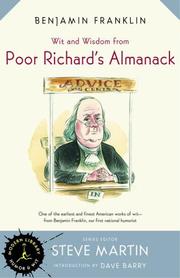
An almanac of proverbs and maxims urging thrift, industry and courtesy.
Recommended by: Tim Ferriss
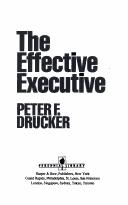
Effectiveness is learned practice: manage time, pick priorities, decide well.
Recommended by: Ev Williams, Nat Eliason, David Cancel and 5 others
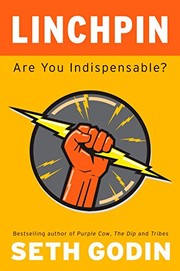
Valuable work now needs people who do what can't be written into a job description.
Recommended by: Ann Handley, Michael Batko, Tom Bilyeu and 2 others
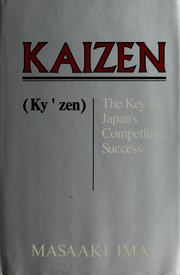
Continuous small improvement as the core of Japanese manufacturing success.
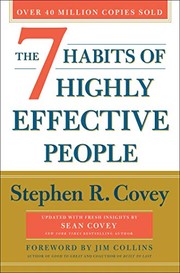
Seven habits, from being proactive to win-win, that build personal effectiveness.
“…books I've recommended, highlighted to death, or forced on friends.” — Andrew Wilkinson
Source: Andrew Wilkinson's Bookshelf, neverenough.com
Recommended by: Andrew Wilkinson, Jim Collins and 10 others
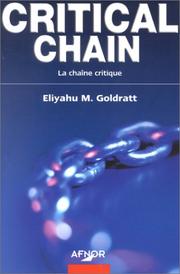
A novel applying the theory of constraints to finishing projects on time.
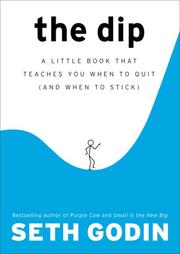
When to push through a hard stretch and when to quit a dead end.
Recommended by: Brian Armstrong, Nat Eliason, Ev Williams and 1 other
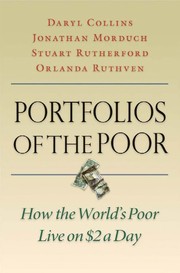
Year-long financial diaries of poor households show how they manage money.
Recommended by: Mark Zuckerberg
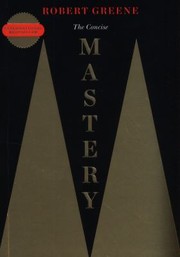
How masters from Leonardo to Faraday found a life's task and served apprenticeships.
Recommended by: Nat Eliason, Ryan Holiday, Anthony Pompliano and 5 others
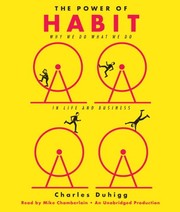
The habit loop of cue, routine and reward, and how to change a habit by its routine.
“I love his [Charles Duhigg's] book. By the way I got his book and gave it to everyone in the company [Bridgewater].” — Ray Dalio
Source: Dalio on giving Duhigg's book to everyone at Bridgewater
Recommended by: Mohnish Pabrai, Nat Eliason, Naval Ravikant and 6 others
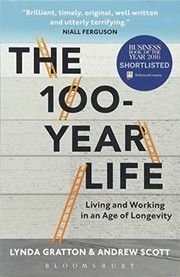
What longer lives do to savings, work and the products people buy.
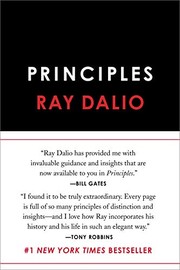
Decision rules from building Bridgewater: radical truth and radical transparency.
Recommended by: Alfred Lin, Nat Eliason, Andrew Lokenauth and 28 others
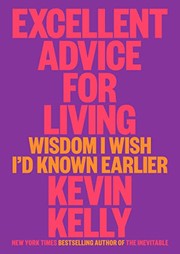
Short pieces of advice on living, goals, generosity, careers, family and money.
Recommended by: Andrew Wilkinson, Matt Mullenweg
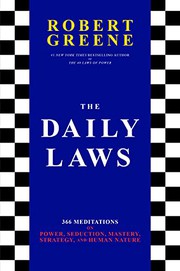
366 daily lessons on power, seduction, mastery, strategy and human nature.
Recommended by: Ryan Holiday
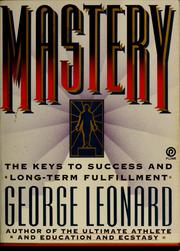
The plateau and long practice; mastery as a delayed reward
Recommended by: Ev Williams, Patrick O'Shaughnessy and 1 other
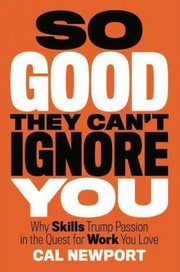
Career capital before passion; building rare and valuable skills
Recommended by: Nat Eliason, Alexis Ohanian, Jordan Hughes and 2 others
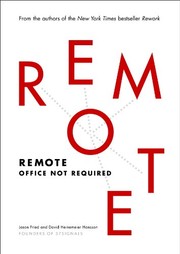
Recommended by: Nat Eliason, David Hellmann, Jason Fried and 3 others
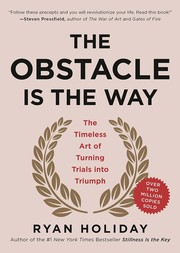
Recommended by: Ryan Holiday, James Altucher, Jordan Hughes and 3 others
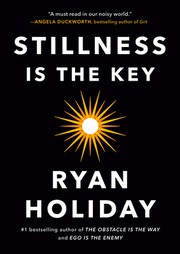
Recommended by: Cal Newport, Jordan Hughes
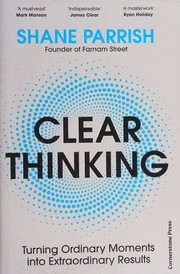

Recommended by: Mohnish Pabrai, Nat Eliason, Maria Popova and 1 other
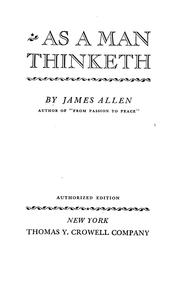
Recommended by: Nat Eliason, Tim Ferriss, Tony Robbins
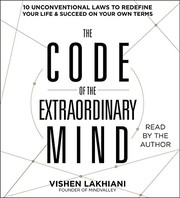
Recommended by: Jim Kwik
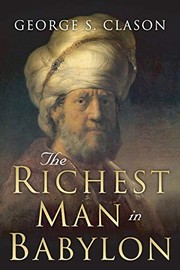
Recommended by: Anthony Pompliano, Sophia Amoruso
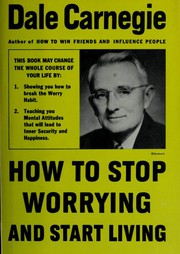
Recommended by: Ran Segall, Tim Ferriss
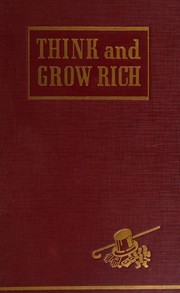
Thirteen principles of getting rich, claimed to come from studying 500 wealthy men.
“I've always been a big fan of books and teaching seminars specializing in the area of self-improvement. Think And Grow Rich by Napoleon Hill is one book I'd recommend to everyone.” — Jim Clayton
Source: Clayton on the one book he would recommend to everyone
Recommended by: Jim Clayton, Mohnish Pabrai and 8 others
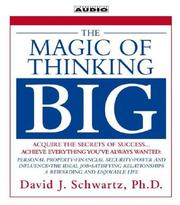
The size of your thinking sets the size of your results, and how to think bigger.
Recommended by: Ali Abdaal, Mohnish Pabrai, Nat Eliason and 2 others

Recommended by: The Barefoot Investor
Recommended by: Nat Eliason
Recommended by: Mohnish Pabrai
Recommended by: Brian Armstrong

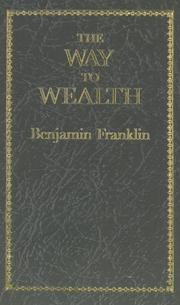
Recommended by: Mohnish Pabrai, Naval Ravikant
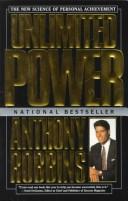
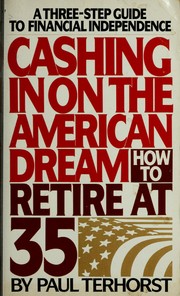
Recommended by: Mark Cuban
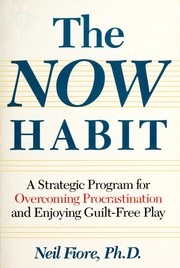
“One of the most important books I've read in the past 10 years. Here's the gist: take action on an idea as soon as you think of it so that you don't forget about it or let your inaction torture you.” — Andrew Wilkinson
Source: Essay
Recommended by: Andrew Wilkinson
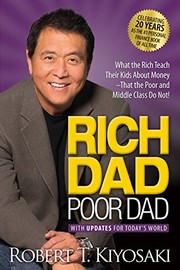
Two fathers contrasted to argue that schools fail to teach how money works.
Recommended by: Mohnish Pabrai, Andrew Lokenauth and 6 others
Change behaviour by changing what you link with pain and pleasure.
Recommended by: Guy Spier, Nat Eliason, Brian Koppelman and 2 others
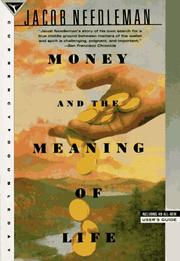
Myth, psychology and Sufi wisdom on how money can become a means of self-knowledge.
Recommended by: Mohnish Pabrai
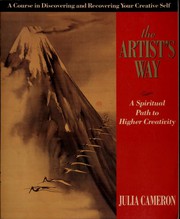
A course in the creative process and in living an artist's life.
Recommended by: Brian Koppelman, Tim Ferriss
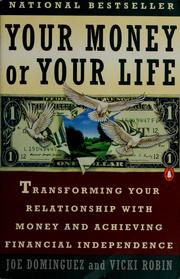
A nine-step programme that counts spending in hours of life energy.
Recommended by: Ali Abdaal, Graham Stephan and 1 other
Recommended by: Mohnish Pabrai
Recommended by: Mohnish Pabrai
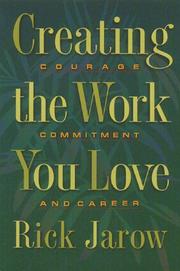
Recommended by: Mohnish Pabrai

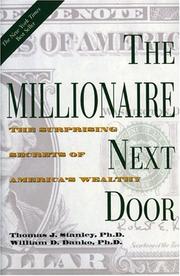
Survey research showing most American millionaires live modestly and save hard.
Recommended by: Mohnish Pabrai, Andrew Lokenauth and 2 others
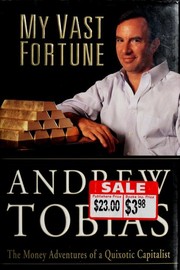
A money writer's adventures, from Russian anti-smoking ads to unseen Miami property.
Recommended by: Mohnish Pabrai
Recommended by: Scott Belsky
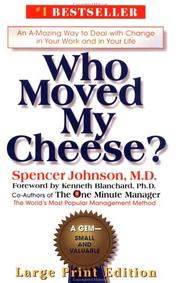
Recommended by: Tony Hsieh, Daymond John
Get more with less by finding the 20% of effort that yields 80% of results.
Recommended by: Ana Fabrega, Keith Rabois, Tim Ferriss
Recommended by: Blake Mycoskie
Recommended by: Mohnish Pabrai
Recommended by: Patrick Collison
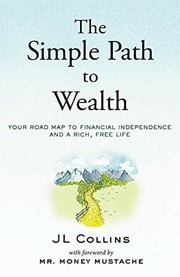
JL Collins distilled his 'stock series' blog posts into this short, opinionated guide. The core advice is stark: invest in VTSAX, avoid debt, and ignore the noise. Collins wrote it as a letter to his daughter, and that framing keeps it practical rather than academic. The FIRE community treats it as essential background reading.
Recommended by: Mr. Money Mustache
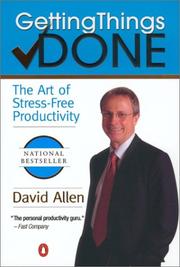
Get commitments out of your head into a trusted system, and decide next actions.
Recommended by: Andrew Wilkinson, Tony Hsieh, Ali Abdaal and 5 others
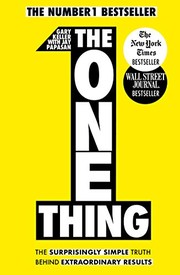
Extraordinary results come from narrowing focus to the one thing that matters most.
Recommended by: David Cancel, Alexis Ohanian, Austen Allred and 3 others
Recommended by: Mohnish Pabrai
Recommended by: Mohnish Pabrai
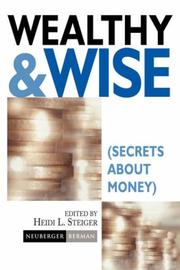
Recommended by: Mohnish Pabrai
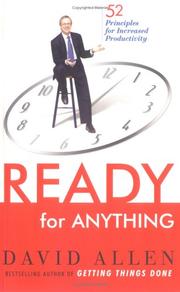
52 principles for getting things done with less stress: mindset, priorities, action.
Recommended by: Ev Williams
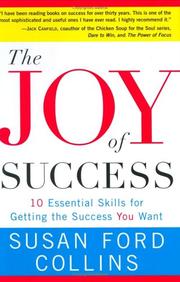
Recommended by: Mohnish Pabrai
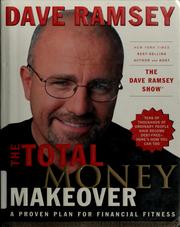
The case that disorder is often more efficient than imposed order
“This idea comes from a wonderful book called A Perfect Mess” — Marc Andreessen
Source: The Pmarca Guide to Personal Productivity
Recommended by: Marc Andreessen
How a college dropout with no family money made himself a fortune.
Recommended by: Andrew Wilkinson, Derek Sivers, Sam Parr and 1 other
Recommended by: Mohnish Pabrai
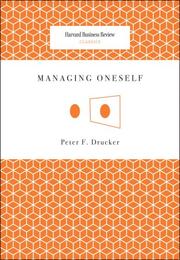
Knowledge workers must run their own careers by knowing their strengths and values.
Recommended by: Nat Eliason, Patrick Collison and 3 others
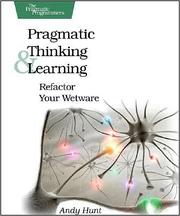
Cognitive science and learning theory applied to thinking and learning better.
Recommended by: Nat Eliason
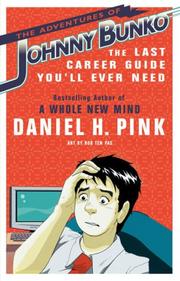
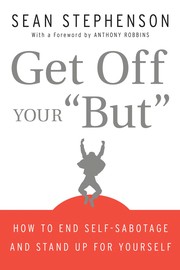
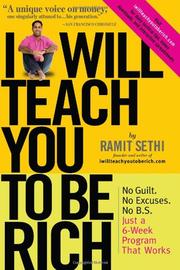
A six-week programme to automate banking, credit, saving and investing.
Recommended by: Mohnish Pabrai, Nat Eliason and 3 others
Argues that the quality of a life depends on what a person pays attention to.
Recommended by: Mohnish Pabrai
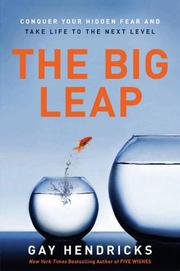
The 'Upper Limit Problem': how people sabotage themselves when good things happen.
Recommended by: Andrew Wilkinson, Noah Kagan
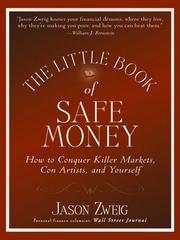
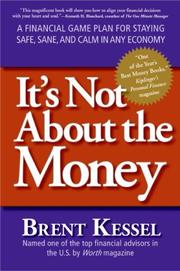
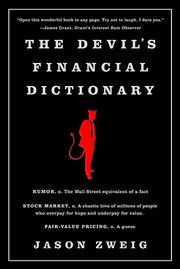
How 'safe' products, from money funds to principal-protected notes, failed in 2008.
Recommended by: Mohnish Pabrai
Recommended by: Mohnish Pabrai, Guy Kawasaki, Simon Sinek
Recommended by: Mohnish Pabrai
Recommended by: Mohnish Pabrai

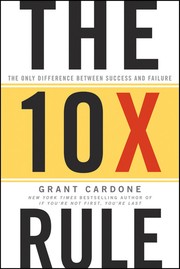
Big goals call for a fourth degree of action, massive action, beyond normal effort.
Recommended by: David Cancel, Ran Segall
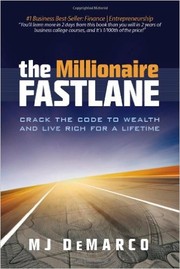
Why jobs, 401(k)s and frugality are a slow lane, and business ownership a fast one.
Recommended by: Nat Eliason, Ali Abdaal

Edwardian essay on living deliberately below your means
Recommended by: Morgan Housel
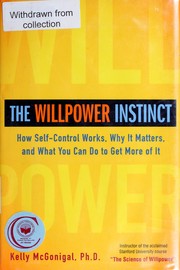
Self-control as a physical capacity, and how to build it, from a Stanford course.
Recommended by: Mohnish Pabrai, Nat Eliason, Jane McGonigal and 2 others
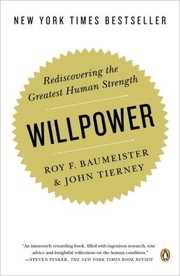
Recommended by: Mohnish Pabrai
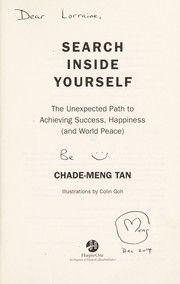
Recommended by: Arianna Huffington, Matt Mullenweg and 1 other
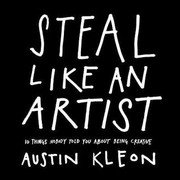
Ten short lessons on creative work: nothing is original, so copy well.
Recommended by: Mohnish Pabrai, Alex and Books, Ali Abdaal and 2 others
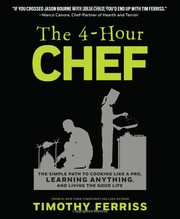
Learning to cook as a route to learning any skill, with chefs' recipes and tricks.
Recommended by: Nat Eliason, Tim Ferriss
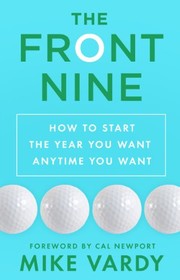
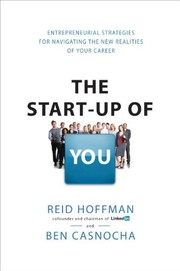
Run your career the way an entrepreneur runs a startup.
Recommended by: Mohnish Pabrai, Jack Dorsey and 4 others
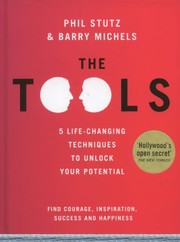
Recommended by: Gary Vaynerchuk
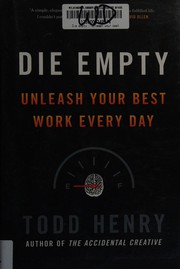
Recommended by: Tony Hsieh
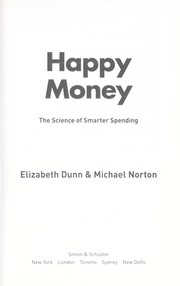
Recommended by: Mohnish Pabrai, Tim Ferriss
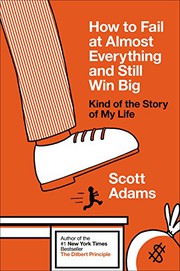
The Dilbert creator's many failures and what they taught him about success.
Recommended by: Mohnish Pabrai, Patrick O'Shaughnessy and 2 others
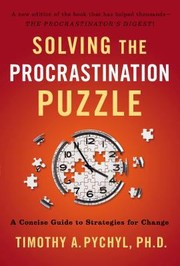
Recommended by: Mohnish Pabrai
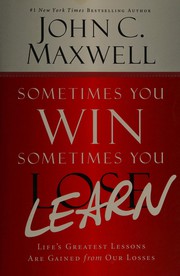
Recommended by: Tom Bilyeu
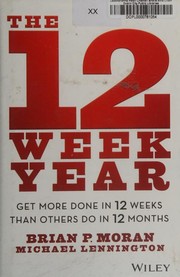
Plan and work as if a year were twelve weeks long, to keep focus on urgent tasks.
Recommended by: Nat Eliason, Sarah Pritula
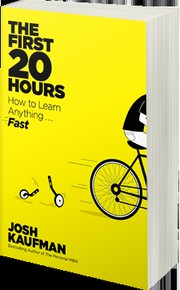
How to learn a new skill fast: break it down, practise well, remove barriers.
Recommended by: Nat Eliason, Justin Kan
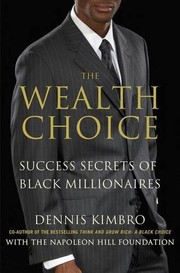
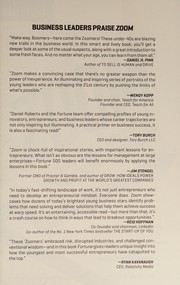
Recommended by: Mohnish Pabrai
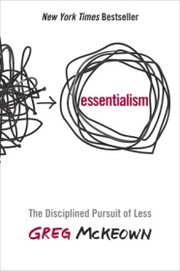
A method for finding the few activities that matter and dropping the rest.
Recommended by: Matt Mullenweg, Nat Eliason, Ran Segall and 10 others
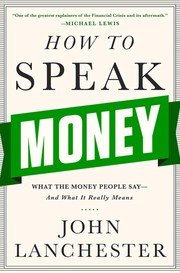
Recommended by: Mohnish Pabrai
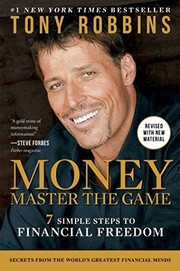
Interviews with 50 investors, from Dalio to Bogle, turned into money advice.
“…books I've recommended, highlighted to death, or forced on friends.” — Andrew Wilkinson
Source: Andrew Wilkinson's Bookshelf, neverenough.com
Recommended by: Andrew Wilkinson, Nat Eliason, Ray Dalio and 1 other

Recommended by: Noah Kagan, Tim Ferriss
Recommended by: Ali Abdaal, Chase Jarvis, Johnnie Gomez
Nine principles of lateral thinking that innovators use to reach goals faster.
Recommended by: Nat Eliason, Noah Kagan
Recommended by: Nat Eliason, Patrick Collison, David Kadavy and 1 other
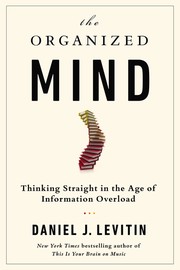
Recommended by: Mohnish Pabrai, Keith Rabois, Satya Nadella
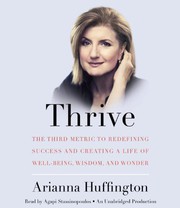
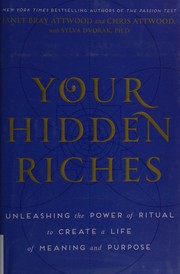
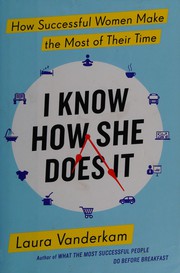
Recommended by: Mohnish Pabrai
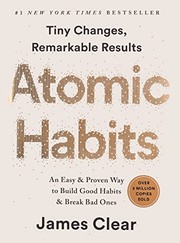
Build habits by making them obvious, attractive, easy and satisfying.
Recommended by: Ali Abdaal, Balaji S. Srinivasan and 21 others
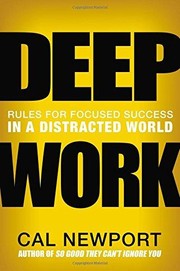
Why distraction-free concentration is rare and valuable, and how to train for it.
Recommended by: Nat Eliason, Nir Eyal, Abi Tyas Tunggal and 6 others
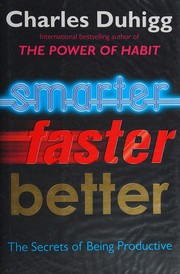
Productivity as a matter of how people think, set goals, build teams and decide.
Recommended by: Mohnish Pabrai, Sarah Pritula
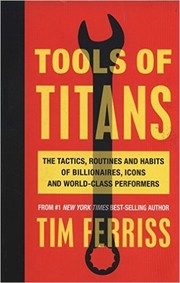
Routines, tools and advice from over 200 podcast guests on health, wealth and wisdom.
Recommended by: Keith Rabois, Nat Eliason, Kevin Rose and 4 others
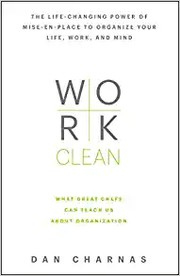
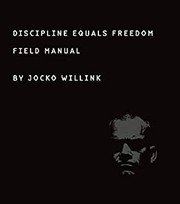

Recommended by: Ali Abdaal, Nat Eliason
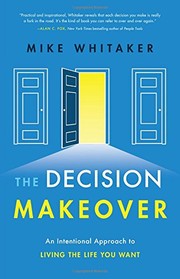
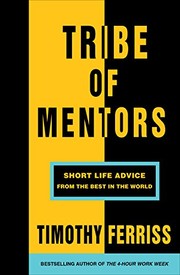
Recommended by: Guy Spier, Jim Kwik, Tony Robbins and 1 other

Recommended by: The Barefoot Investor
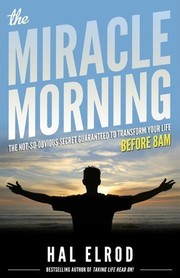
A daily morning routine, the SAVERS, meant to change results before the day starts.
Recommended by: John D Saunders
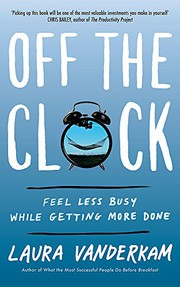
Seven principles for feeling less pressed for time while getting more done.
Recommended by: Cal Newport
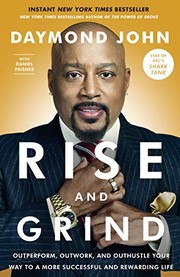
Recommended by: Chelsea Krost
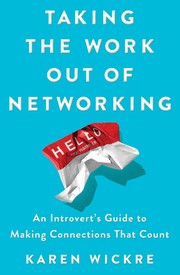
Recommended by: Ryan Hoover
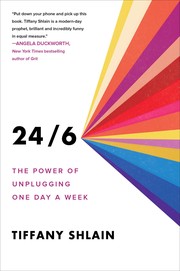
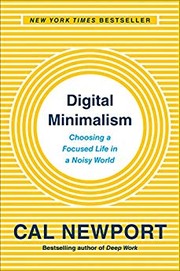
Recommended by: Alex Lieberman, Cal Newport, Nat Eliason
Recommended by: Arianna Huffington, Cal Newport
Distraction comes from escaping discomfort, not technology, and how to manage it.
Recommended by: Nir Eyal, Alexis Ohanian, Allen Gannett and 4 others
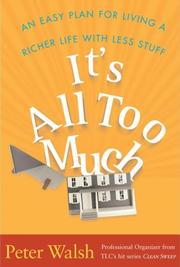
An illustrated guide to decluttering and taking control of one's possessions.
Recommended by: Ramit Sethi
An illustrated, shortened version of the book Principles.
Recommended by: John D Saunders

Recommended by: Arianna Huffington
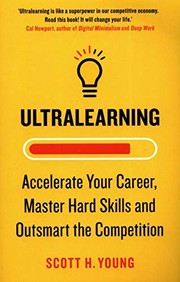
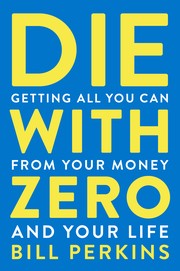
Recommended by: Ali Abdaal, Nat Eliason, James Altucher
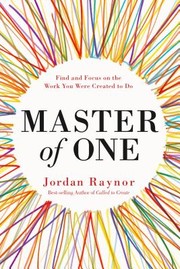

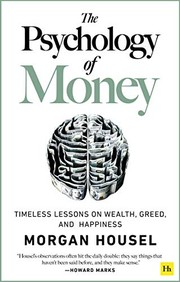
Twenty short essays on why behaviour matters more than knowledge with money.
“…books I've recommended, highlighted to death, or forced on friends.” — Andrew Wilkinson
Source: Andrew Wilkinson's Bookshelf, neverenough.com
Recommended by: Andrew Wilkinson, Nat Eliason, Ali Abdaal and 10 others
Recommended by: Andrew Wilkinson

“I also recommend Derek's other books (How To Live is especially good).” — Andrew Wilkinson
Source: Newsletter
Recommended by: Andrew Wilkinson
Lioncrest edition confirmed elsewhere.
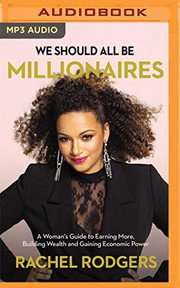
Recommended by: Sarah Pritula
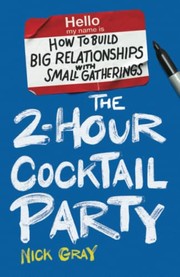
Step-by-step rules for hosting short, structured parties that build relationships.
Recommended by: Andrew Wilkinson, Austin Rief
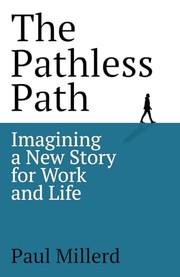
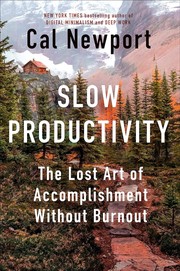

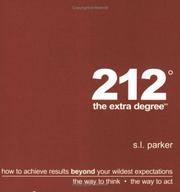
Recommended by: Richard Branson
Examples of people who turned their concern for the world into their work.
Recommended by: Richard Branson
How one day of healthy choices, drawn from studies and old practices, builds a life.
Recommended by: Nat Eliason
Why people stick too long with failing projects and careers, and how to quit well.
Recommended by: Ev Williams
Recommended by: Mohnish Pabrai
Recommended by: Cal Newport
Recommended by: Arianna Huffington
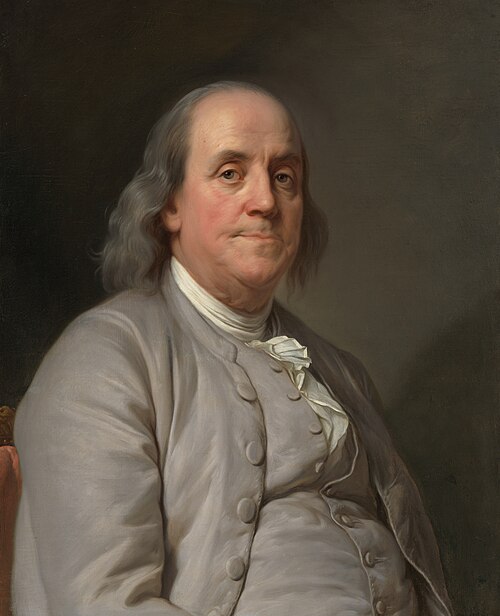 Benjamin Franklinwrote 4 books here
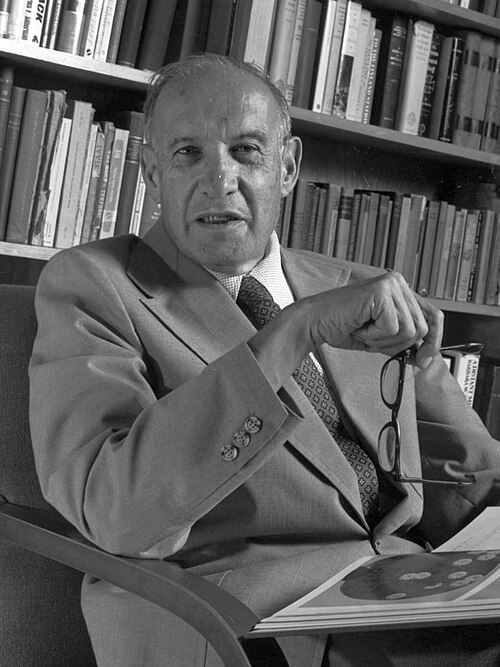 Peter F. Druckerwrote 3 books here
 Tim Ferrisswrote 3 books here
 Ray Daliowrote 2 books here
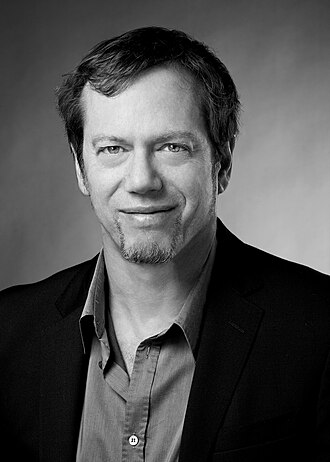 Robert Greenewrote 2 books here
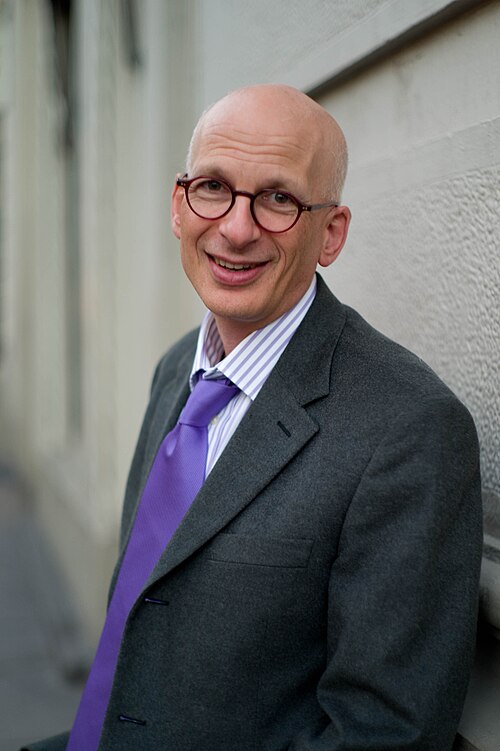 Seth Godinwrote 2 books here
 Ryan Holidaywrote 2 books here
 James Altucherwrote 2 books here
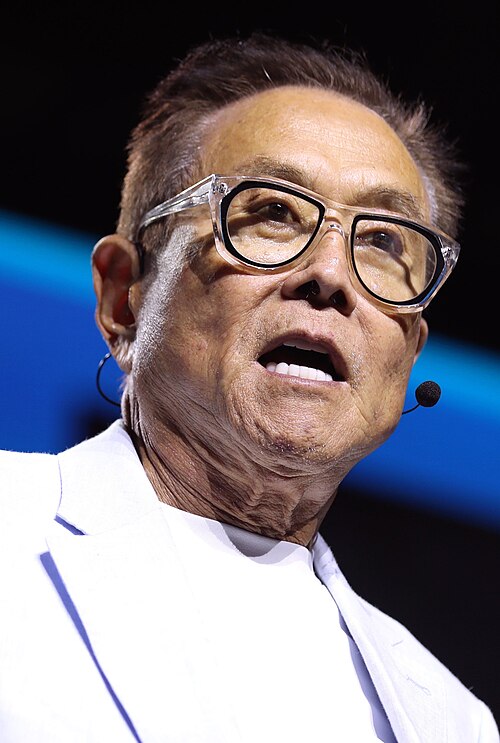 Robert Kiyosakiwrote 2 books here
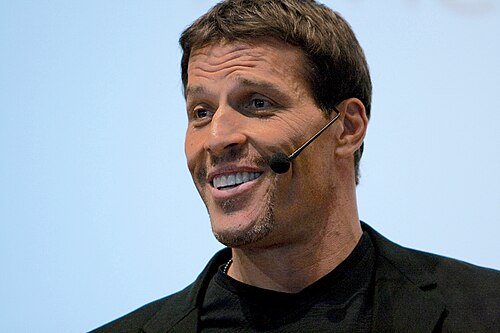 Tony Robbinswrote 2 books here
Show all 31
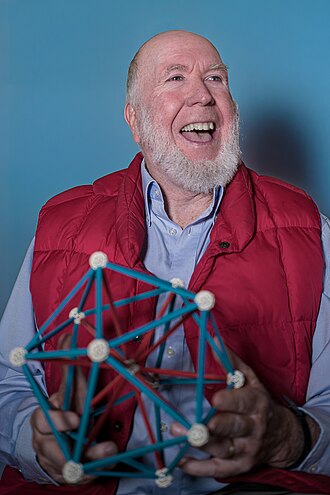 Kevin Kellywrote 1 book here
 Reid Hoffmanwrote 1 book here
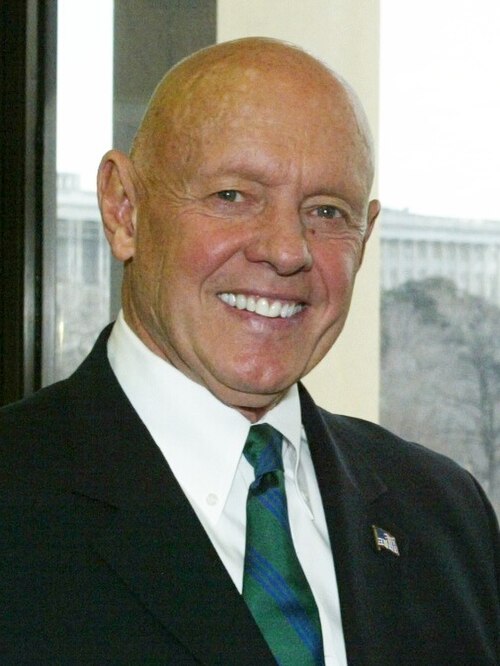 Stephen Coveywrote 1 book here
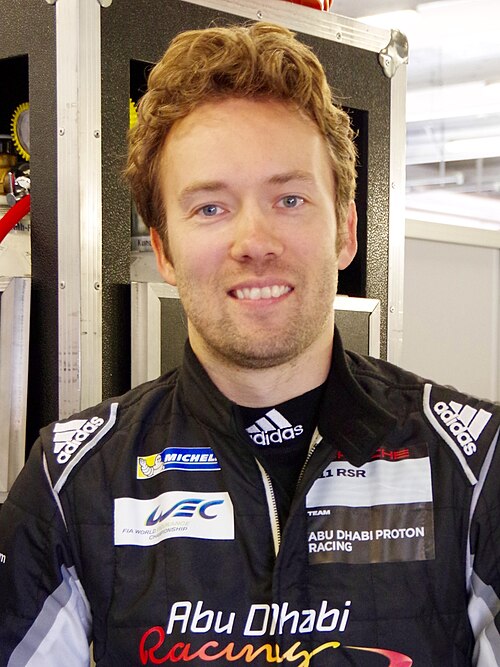 David Heinemeier Hanssonwrote 1 book here
 Whitney Tilsonwrote 1 book here
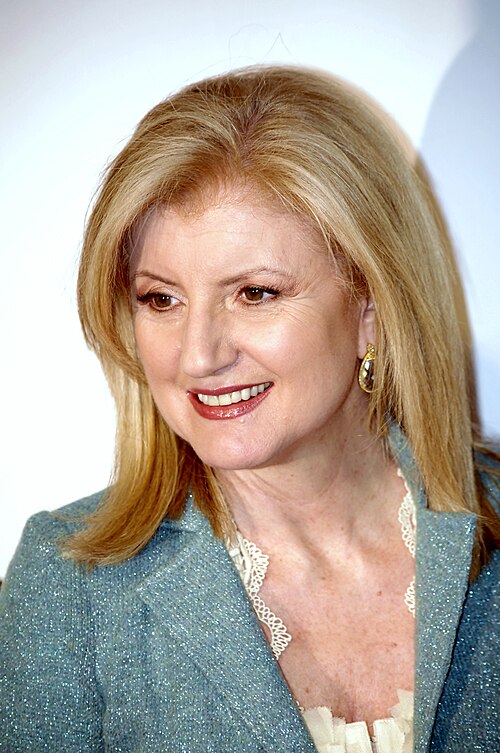 Arianna Huffingtonwrote 1 book here
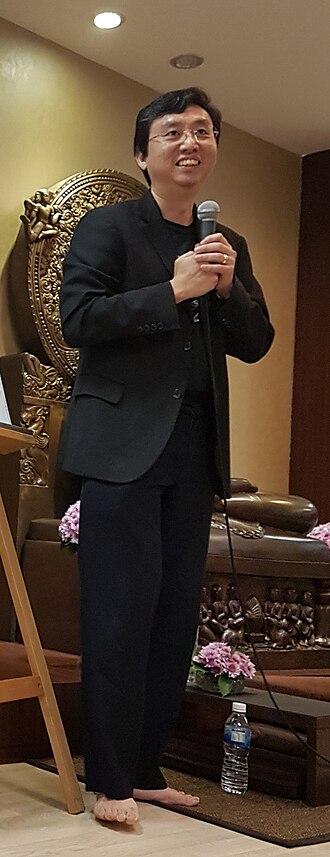 Chade-Meng Tanwrote 1 book here
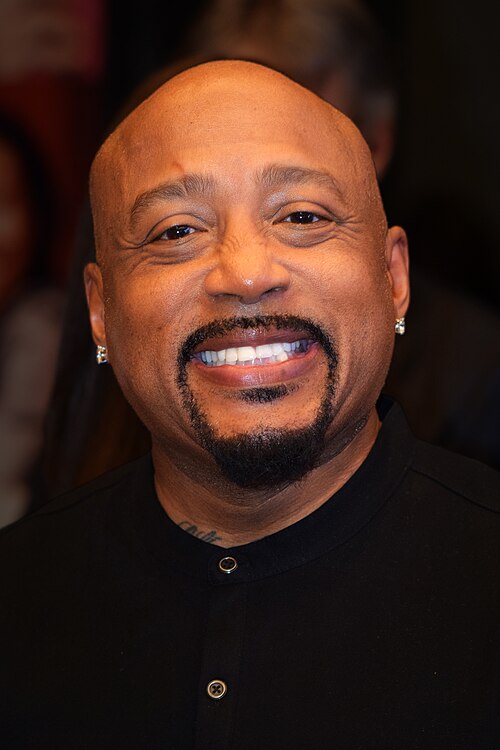 Daymond Johnwrote 1 book here
 Nir Eyalwrote 1 book here
 Oprah Winfreywrote 1 book here
 Ramit Sethiwrote 1 book here
 Scott Belskywrote 1 book here
 Mohnish Pabrairecommends 44 books hereTim Ferrissrecommends 21 books hereArianna Huffingtonrecommends 11 books here
 Tony Hsiehrecommends 11 books here
 Ev Williamsrecommends 10 books hereTony Robbinsrecommends 9 books here
Show all 142
 Matt Mullenwegrecommends 7 books here
 Naval Ravikantrecommends 6 books here
 Tom Bilyeurecommends 6 books here
 Sheryl Sandbergrecommends 5 books hereRyan Holidayrecommends 4 books here
 Graham Stephanrecommends 4 books here
 Keith Raboisrecommends 4 books hereNir Eyalrecommends 4 books here
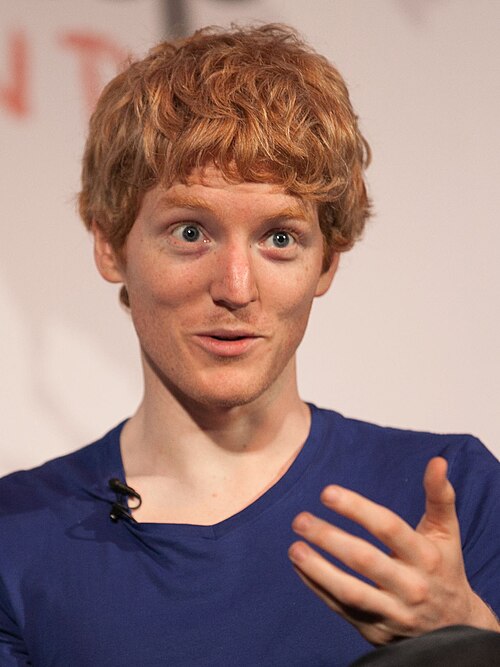 Patrick Collisonrecommends 4 books here
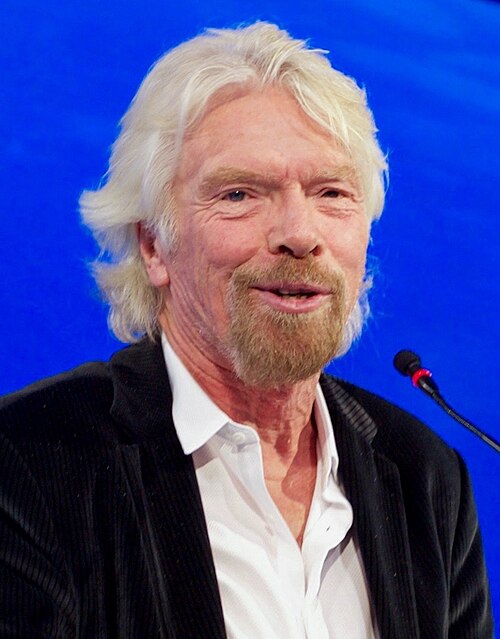 Richard Bransonrecommends 4 books hereRay Daliorecommends 3 books hereKevin Kellyrecommends 3 books here
 Alexis Ohanianrecommends 3 books here
 Alfred Linrecommends 3 books here
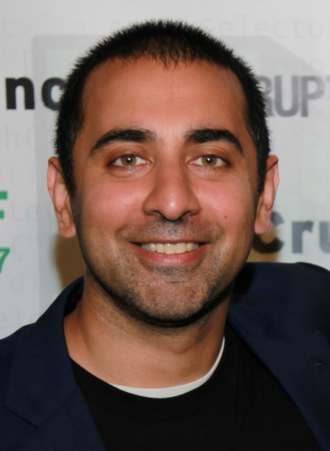 Balaji S. Srinivasanrecommends 3 books hereJames Altucherrecommends 3 books here
 Justin Kanrecommends 3 books here
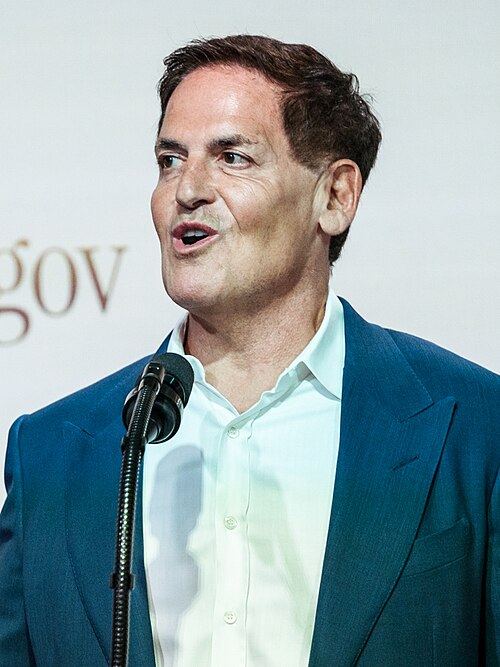 Mark Cubanrecommends 3 books here
 Zoë Foster Blakerecommends 3 books here
 Howard Marksrecommends 2 books here
 Warren Buffettrecommends 2 books here
 Brad Feldrecommends 2 books hereReid Hoffmanrecommends 2 books here
 Guy Kawasakirecommends 2 books here
 Guy Spierrecommends 2 books here
 Simon Sinekrecommends 2 books here
 Brian Armstrongrecommends 2 books here
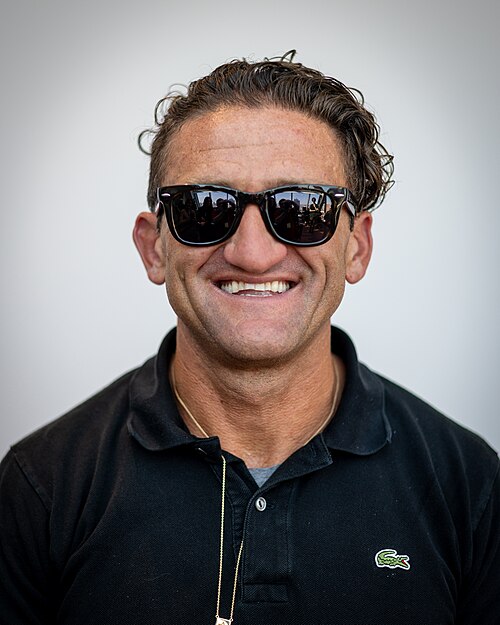 Casey Neistatrecommends 2 books hereDaymond Johnrecommends 2 books here
 Drew Houstonrecommends 2 books here
 Jack Dorseyrecommends 2 books here
 Michael Bloombergrecommends 2 books hereRamit Sethirecommends 2 books here
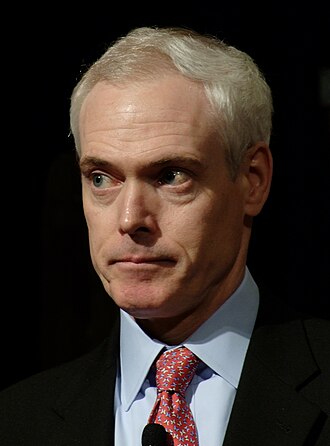 Jim Collinsrecommends 1 book here
 Marc Andreessenrecommends 1 book here
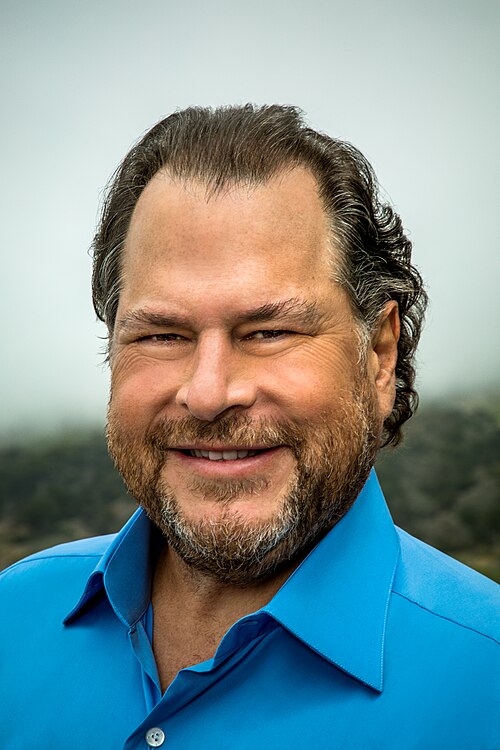 Marc Benioffrecommends 1 book here
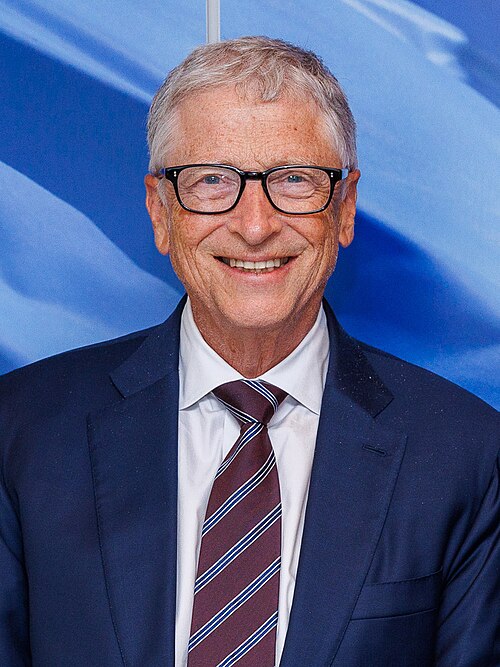 Bill Gatesrecommends 1 book here
 Biz Stonerecommends 1 book here
 Blake Mycoskierecommends 1 book here
 Bryan Johnsonrecommends 1 book here
 Chelsea Krostrecommends 1 book here
 Cynthia Johnsonrecommends 1 book here
 Cynthia Marshallrecommends 1 book here
 Doug McMillonrecommends 1 book here
 Dustin Moskovitzrecommends 1 book here
 Gary Vaynerchukrecommends 1 book here
 Jane McGonigalrecommends 1 book here
 Jeff Bezosrecommends 1 book here
 Julie Zhuorecommends 1 book here
 Kathryn Minshewrecommends 1 book here
 Kevin Roserecommends 1 book here
 Kevin Systromrecommends 1 book here
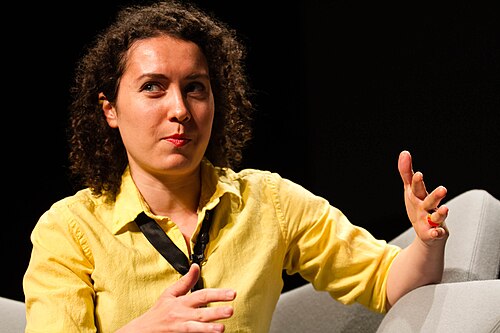 Maria Popovarecommends 1 book here
 Marie Forleorecommends 1 book here
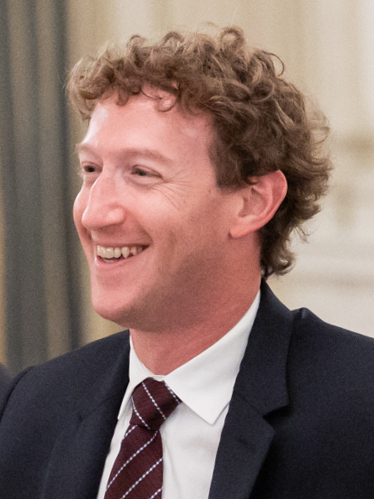 Mark Zuckerbergrecommends 1 book here
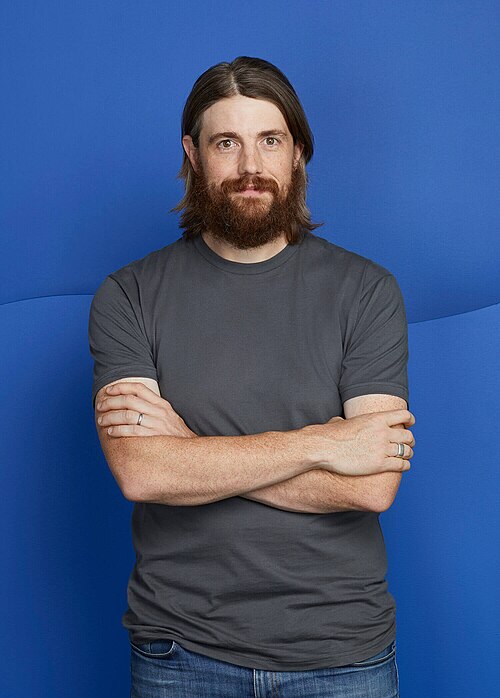 Mike Cannon-Brookesrecommends 1 book here
 Mr. Beastrecommends 1 book here
 Rana el Kalioubyrecommends 1 book here
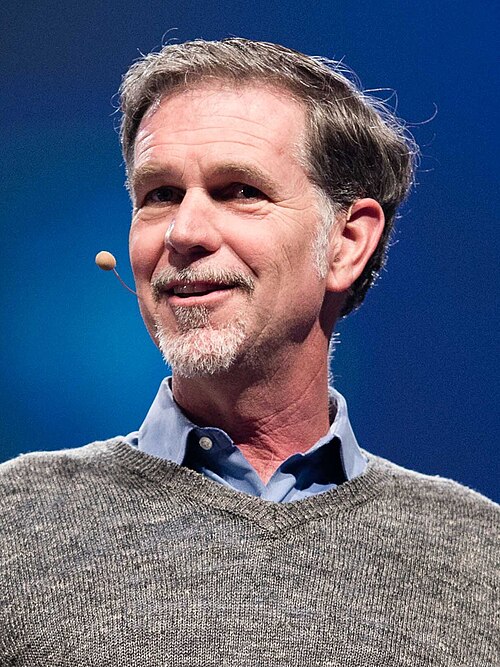 Reed Hastingsrecommends 1 book here
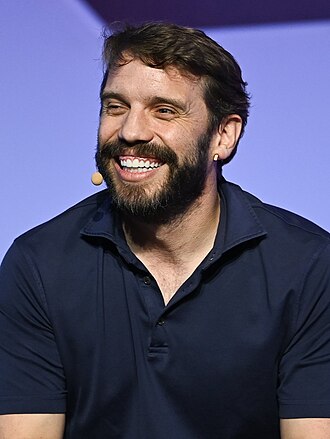 Ryan Petersonrecommends 1 book here
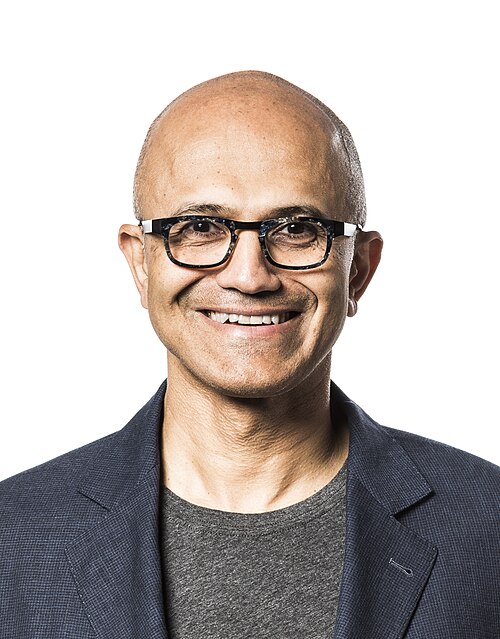 Satya Nadellarecommends 1 book hereScott Belskyrecommends 1 book here
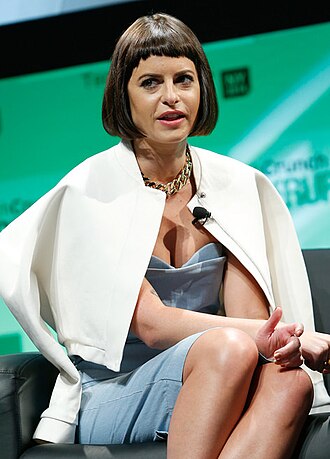 Sophia Amorusorecommends 1 book here
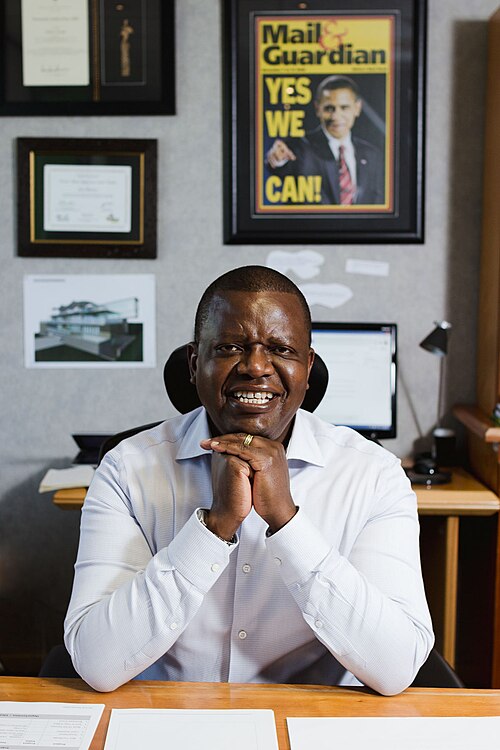 Trevor Ncuberecommends 1 book here
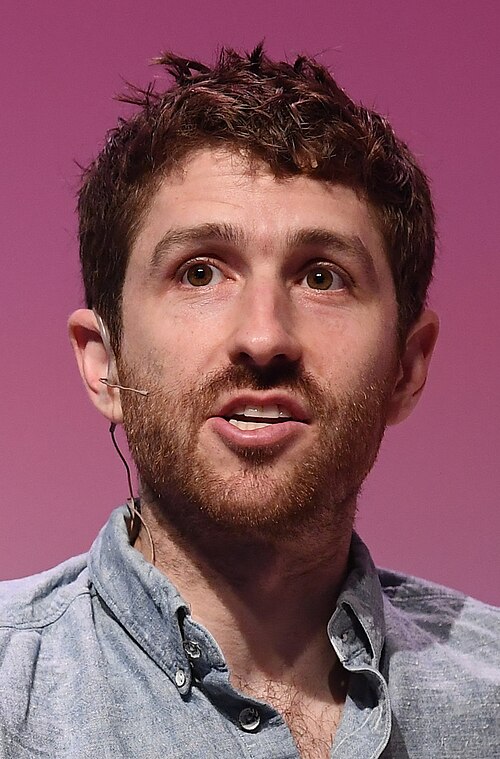 Tristan Harrisrecommends 1 book here
 Veronica Belmontrecommends 1 book here
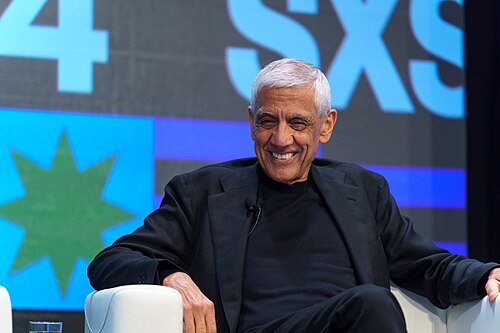 Vinod Khoslarecommends 1 book here