
Retire Young, Retire Rich
Summary
Kiyosaki's book extends the framework from Rich Dad Poor Dad, arguing that financial independence comes from acquiring assets that generate income without labour and from using leverage, and that this can be achieved quickly rather than over a working lifetime.
His core distinctions are the ones from his earlier books: assets generate income while liabilities consume it, and most people acquire liabilities they believe are assets, particularly a residence; earned income from labour is taxed most heavily while passive and portfolio income are taxed less and can be structured further; and financial education, meaning understanding accounting, investing, markets and law, is what separates outcomes rather than income level.
This book's particular emphasis is leverage, which he defines broadly to include borrowed money, other people's time, corporate structures, tax arrangements and the mental leverage of adopting a different framing. He argues that leverage applied without financial education destroys people and applied with it accelerates results.
The book has substantial problems. Kiyosaki's advice on debt and on real estate leverage is dangerous for readers without the knowledge he assumes and without the capital to survive being wrong. The Rich Dad character's existence has never been substantiated. The specific investment techniques are asserted without evidence, and Kiyosaki's own business record includes a corporate bankruptcy. The tax and legal material is United States-specific and dated. The book's useful contribution is the asset and liability distinction and the argument for financial literacy, both of which are available from better sources.
Key takeaways 7
- An asset generates income without labour while a liability consumes it, and most people acquire liabilities they have been told are assets.
- Income from labour is taxed most heavily while passive and portfolio income are taxed less and can be structured further.
- Leverage includes borrowed money, other people's time and effort, corporate structures and tax arrangements rather than only debt.
- Leverage applied without financial education destroys the user, since it magnifies errors as reliably as it magnifies results.
- Financial education in accounting, investing, markets and law separates outcomes more than income level does.
- Building or acquiring income-producing assets rather than saving from wages is the mechanism the book proposes for financial independence.
- The specific techniques are asserted without evidence, the Rich Dad character is unsubstantiated, and the leverage advice is dangerous for readers without capital to survive being wrong.
Who should read it
Readers seeking motivation on financial literacy, with the specific leverage and property advice treated as unsupported and risky.
About Robert Kiyosaki
Author and financial-education entrepreneur behind the Rich Dad series of books, seminars and games.
Rich Dad Poor Dad draws one distinction - between assets that produce income and liabilities that consume it - and argues for accumulating the first before raising personal spending, which is how a very large number of retail investors first learned to read their own balance sheet. The book belongs in a reference for its reach rather than its rigour; its specific property and tax advice is promotional and widely disputed.
Who recommended it 1 · 1 direct
Similar books 6
Chosen by shared topics, the entries that hold them, and the people who recommended both.
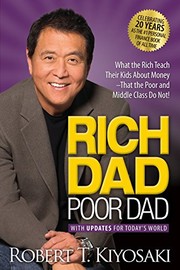
Two fathers contrasted to argue that schools fail to teach how money works.
Recommended by: Mohnish Pabrai, Andrew Lokenauth and 6 others

Recommended by: Mohnish Pabrai
Recommended by: Mohnish Pabrai, Tim Ferriss

Recommended by: Mohnish Pabrai
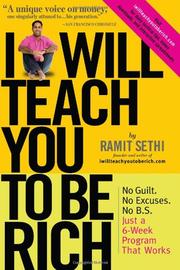
A six-week programme to automate banking, credit, saving and investing.
Recommended by: Mohnish Pabrai, Nat Eliason and 3 others
Where it sits in the reference 1
Topics