Programming and computer science
This niche holds programming guides, language manuals (Lisp, Smalltalk, Perl, JavaScript), software engineering practice, open source, security tools and computer science textbooks on algorithms, theory and cryptography.
Start here
- Structure and Interpretation of Computer ProgramsHarold Abelson, Gerald Jay Sussman, 1985
- The Cathedral and the BazaarEric S. Raymond, 1999
- Just for FunLinus Torvalds, David Diamond, 2001
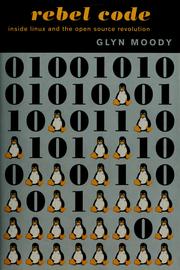
- Rebel CodeGlyn Moody, 2001
- The Success of Open SourceSteven Weber, 2004
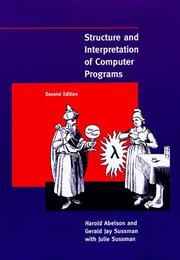
MIT's introductory computer science text, taught through Lisp and Scheme.
Recommended by: Patrick Collison, Paul Graham, Bret Victor and 1 other
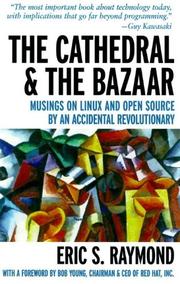
Essays on open-source software and its model of collaborative development.
Recommended by: Paul Graham, Ryan Holiday
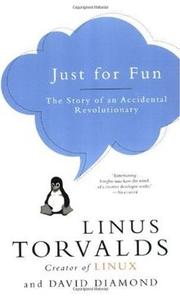
How Linux came to be developed, and how its creator thinks.
Political economy of production without conventional property.
A novel in which an IT manager rescues a failing project using lessons from The Goal.

How open-source software is really made and maintained, often by a few people.
Recommended by: Balaji S. Srinivasan, Delian Asparouhov
“The first challenge to the centralized mindset comes from a delightful book by MIT Professor Mitchel Resnick, "Turtles, Termites, and Traffic Jams.” — Michael Mauboussin
Source: The Invisible Lead Steer: New Answers to Old Questions About the Stock Market (CS First Boston)
Recommended by: Michael Mauboussin

Richard Stallman, the free software movement and the GPL licence he wrote.
Subtitled 'Big Ideas from the Computer Age'; collects early essays
Recommended by: Brian Armstrong, Ev Williams, Keith Rabois and 3 others
How to run an open source project, its community and its sponsors.
Software's enemy is complexity, which grows through shallow modules and shortcuts.
Rules for readable code: short functions, clear names, one level of abstraction.

A catalogue of moves that improve existing code without changing what it does.

A programmer's craft: when code is good enough and what to automate.
Recommended by: Max Levchin
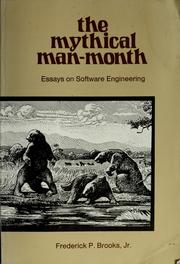
Lessons from IBM's OS/360: why adding people to a late software project slows it.
Recommended by: Mohnish Pabrai, Paul Graham, Andrew Chen and 3 others

Recommended by: Eric Weinstein

Recommended by: Patrick Collison

Recommended by: Patrick Collison
Recommended by: Patrick Collison

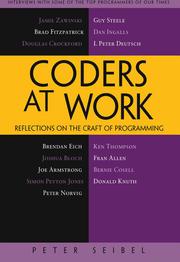
Interviews with leading programmers on the forces and traits behind their work.
Recommended by: Patrick Collison

Recommended by: Patrick Collison

Recommended by: Eric Weinstein
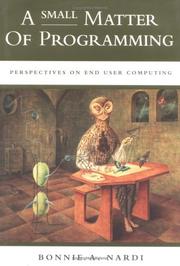
Recommended by: Patrick Collison
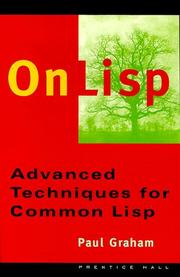
Out of print; Graham distributes it free as a PDF
Recommended by: Paul Graham, Patrick Collison

Recommended by: Mohnish Pabrai


Recommended by: Paul Graham, Bret Victor, Susan J. Fowler

Recommended by: Patrick Collison
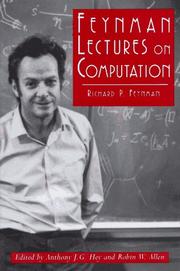
Recommended by: Patrick Collison

Recommended by: Patrick Collison

Recommended by: Mohnish Pabrai
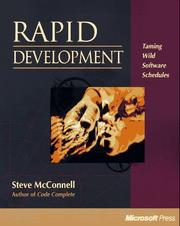
Recommended by: Mohnish Pabrai

Recommended by: Patrick Collison, Bret Victor, Keith Rabois

Recommended by: Eric Weinstein

Recommended by: Patrick Collison
Techniques for designing data structures in functional languages, with examples.
Recommended by: Patrick Collison
Recommended by: Stewart Brand

Recommended by: Ev Williams

Recommended by: Sophie Bakalar
Recommended by: Mohnish Pabrai, Steve Jurvetson

Recommended by: Ev Williams

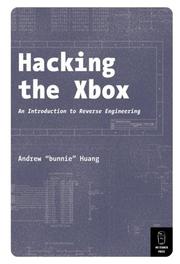
Recommended by: Patrick Collison

Recommended by: Patrick Collison

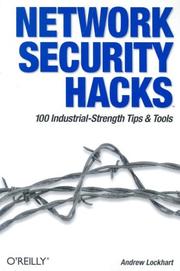
Tips and tools for securing Linux, Windows, BSD and Mac servers and networks.
Recommended by: Patrick Collison
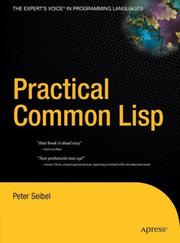
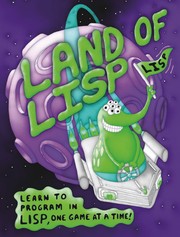
Practical Lisp programming, from language features to projects like an mp3 server.
Recommended by: Patrick Collison

Recommended by: Eric Weinstein

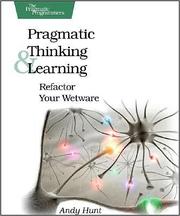
Cognitive science and learning theory applied to thinking and learning better.
Recommended by: Nat Eliason
Recommended by: Patrick Collison
Recommended by: Patrick Collison
Recommended by: Patrick Collison

Recommended by: Patrick Collison

Recommended by: Patrick Collison
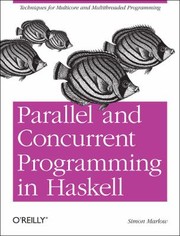
Mechanisms for writing parallel and concurrent programs in Haskell.
Recommended by: Patrick Collison
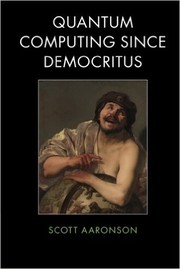
Recommended by: Patrick Collison, Emmett Shear


Recommended by: Cynthia Johnson
Recommended by: Paul Graham
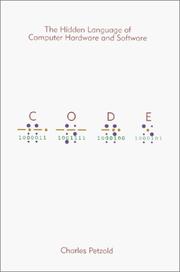

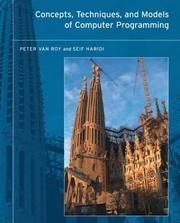


Recommended by: Patrick Collison, Paul Graham


The official guide to the Nmap scanner, from port-scanning basics to pen testing.
Recommended by: Patrick Collison

Operating system principles, from processes to file systems, shown in the MINIX code.
Recommended by: Patrick Collison
Recommended by: Paul Graham, Patrick Collison

The theory, techniques and uses of partial evaluation, which specialises programs.
Recommended by: Paul Graham

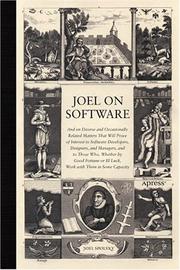
Essays on software design, programming and the businesses around them.
Recommended by: Paul Graham
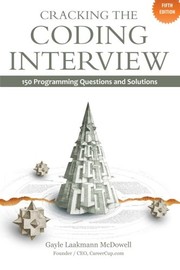
How to prepare for programming job interviews: languages, patterns and algorithms.
Recommended by: Patrick Collison
The standard guide to the Perl programming language.
Recommended by: Garry Tan

Quantum algorithms, teleportation, cryptography and error correction, from basics.
Recommended by: Patrick Collison


 Patrick Collisonrecommends 48 books here
 Paul Grahamrecommends 18 books here
 Mohnish Pabrairecommends 6 books here
 Ev Williamsrecommends 5 books here
 Bret Victorrecommends 4 books here
 Eric Weinsteinrecommends 4 books here
 Ryan Holidayrecommends 2 books here
 Jeff Atwoodrecommends 2 books here
 Keith Raboisrecommends 2 books here
 Max Levchinrecommends 2 books here
 Nir Eyalrecommends 2 books here
Show all 33
 Marc Benioffrecommends 1 book here
 Balaji S. Srinivasanrecommends 1 book here
 Brian Armstrongrecommends 1 book here
 Cynthia Johnsonrecommends 1 book here
 Drew Houstonrecommends 1 book here
 Emmett Shearrecommends 1 book here
 Garry Tanrecommends 1 book here
 Jeff Bezosrecommends 1 book here
 John Maedarecommends 1 book here
 Steve Jurvetsonrecommends 1 book here
 Stewart Brandrecommends 1 book here
 Susan J. Fowlerrecommends 1 book here
 Tim O’Reillyrecommends 1 book here