
Software and SaaS
Near-zero marginal cost, high gross margin and recurring revenue; the dominant destination for growth capital since the 1990s.
Start here
- The Hard Thing About Hard ThingsBen Horowitz, 2014
- Crossing the ChasmGeoffrey A. Moore, 1991
- The Mythical Man-MonthFrederick P. Brooks Jr., 1975
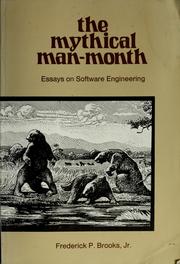
Lessons from IBM's OS/360: why adding people to a late software project slows it.
Recommended by: Mohnish Pabrai, Paul Graham, Andrew Chen and 3 others
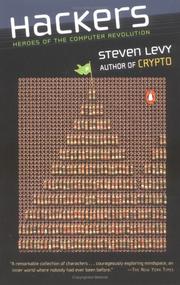
Three generations of hackers, from MIT's AI Lab to the Homebrew club and game makers.
Recommended by: Austen Allred, Ev Williams, Marc Andreessen and 3 others
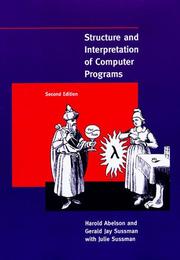
MIT's introductory computer science text, taught through Lisp and Scheme.
Recommended by: Patrick Collison, Paul Graham, Bret Victor and 1 other
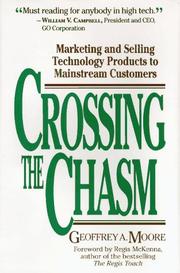
Why tech products stall between early adopters and the mainstream, and how to cross.
Recommended by: Andrew Wilkinson, Mohnish Pabrai and 13 others
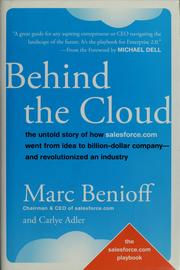
How Salesforce was built, set out as 111 plays on marketing, sales and growth.
Recommended by: Aaron Levie, David Cancel, David Sacks and 3 others
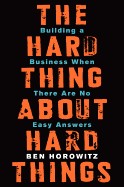
Subtitled 'Building a Business When There Are No Easy Answers'
“…books I've recommended, highlighted to death, or forced on friends.” — Andrew Wilkinson
Source: Andrew Wilkinson's Bookshelf, neverenough.com
Recommended by: Andrew Wilkinson, Balaji S. Srinivasan and 34 others
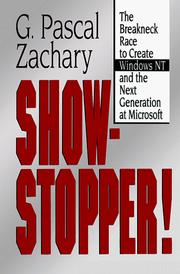
Inside Microsoft's Windows NT team from 1988 to its 1993 release.
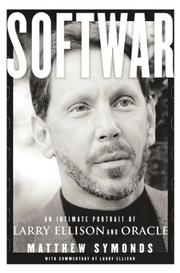
Authorised; Ellison's rebuttals run in footnotes throughout.
Recommended by: Andrew Wilkinson, Aaron Levie
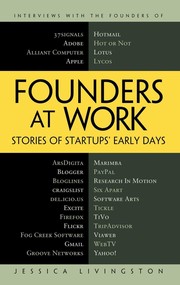
Recommended by: Ryan Holiday, Alexis Ohanian, Andrew Chen and 6 others
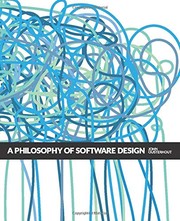
Software's enemy is complexity, which grows through shallow modules and shortcuts.
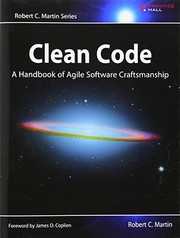
Rules for readable code: short functions, clear names, one level of abstraction.
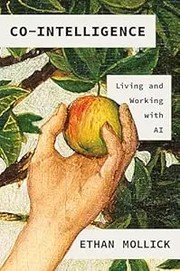
How to work alongside large language models across many kinds of knowledge work.
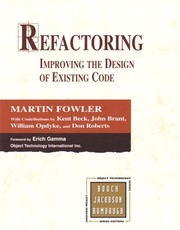
A catalogue of moves that improve existing code without changing what it does.
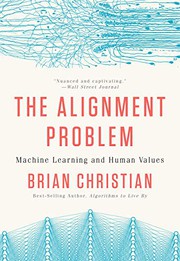
The struggle to make machine learning systems do what people actually intend.
Recommended by: Sam Altman
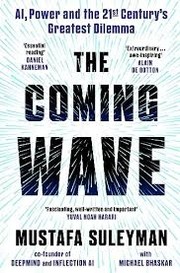
Why AI and synthetic biology will spread fast and cheaply, and how to contain them.
“Everything is about to be changed by AI in a radical, scary way” — Andrew Wilkinson
Source: Newsletter
Recommended by: Andrew Wilkinson, Bill Gates and 1 other
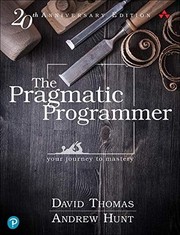
A programmer's craft: when code is good enough and what to automate.
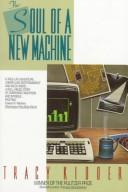
A Data General team races to design a 32-bit minicomputer in about a year.
“Must-read for anyone in a product development or a startup environment.” — Mohnish Pabrai
Source: Mohnish's Bookshelf — Books on Sales & Marketing, entry 73
Recommended by: Mohnish Pabrai, Patrick Collison, Brad Feld and 3 others

How open-source software is really made and maintained, often by a few people.
Recommended by: Balaji S. Srinivasan, Delian Asparouhov
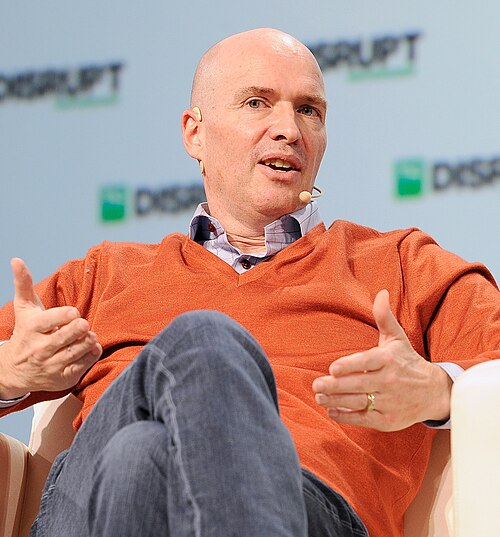 Ben Horowitzwrote 1 book here
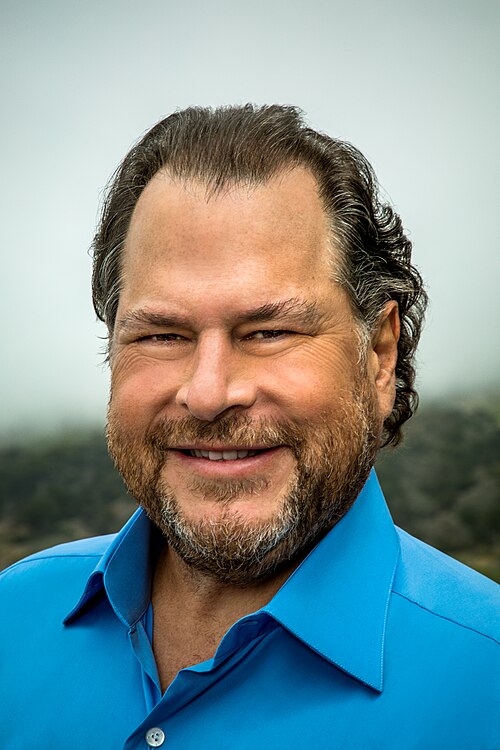 Marc Benioffwrote 1 book here
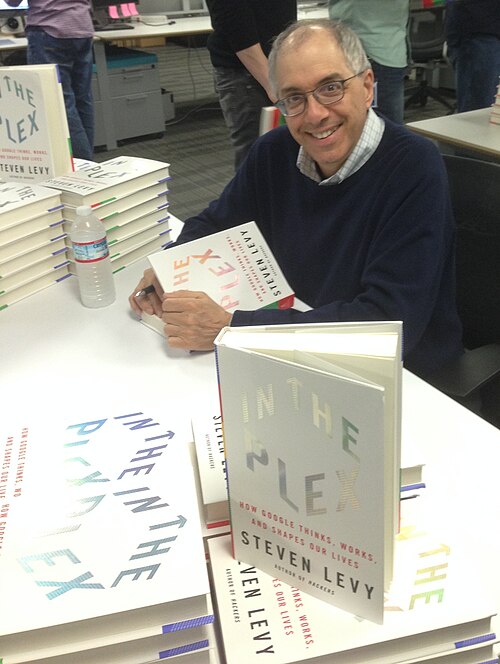 Steven Levywrote 1 book here
 Jessica Livingstonwrote 1 book here
 Paul Grahamrecommends 5 books here
 Brad Feldrecommends 4 books here
 Mohnish Pabrairecommends 3 books here
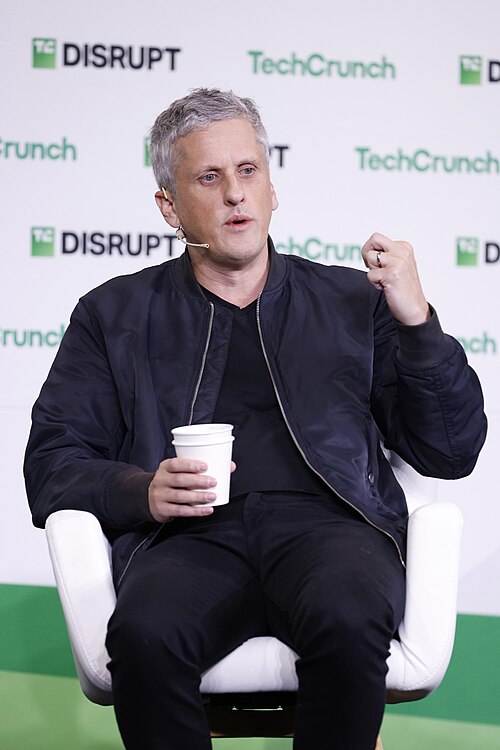 Aaron Levierecommends 3 books here
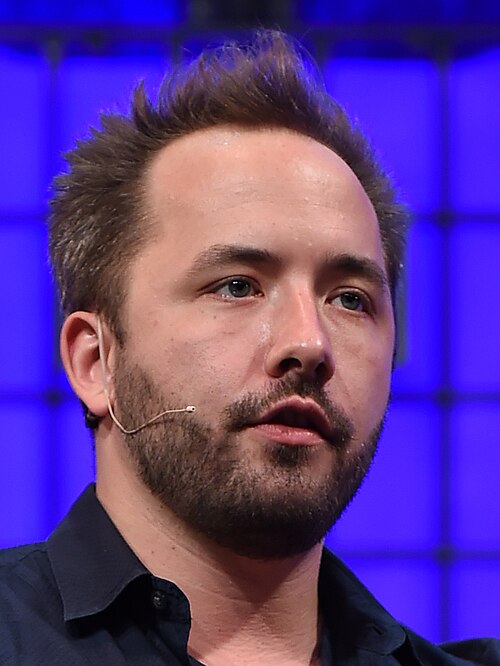 Drew Houstonrecommends 3 books here
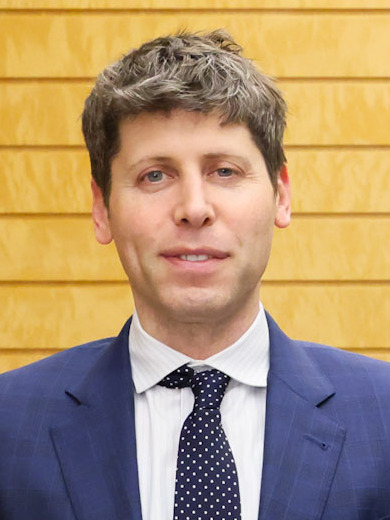 Sam Altmanrecommends 3 books here
 Marc Andreessenrecommends 2 books here
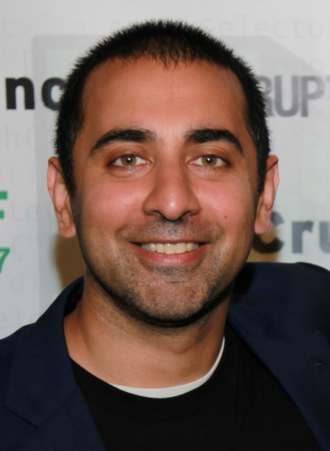 Balaji S. Srinivasanrecommends 2 books here
 Chris Dixonrecommends 2 books here
Show all 63
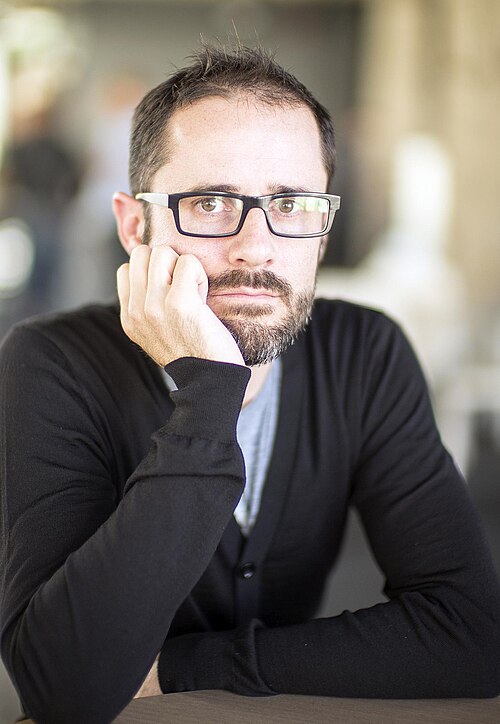 Ev Williamsrecommends 2 books here
 Fred Wilsonrecommends 2 books here
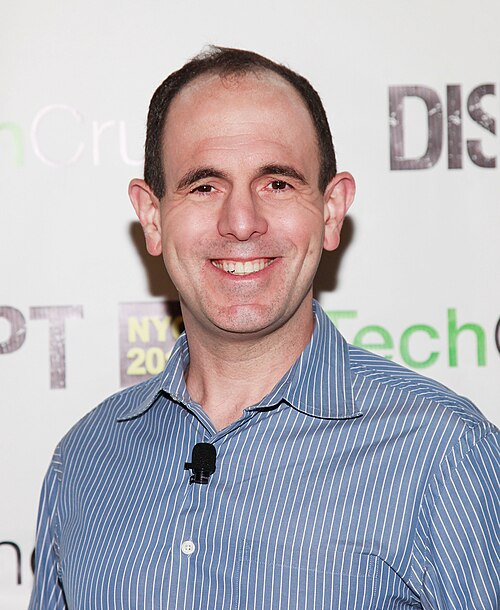 Keith Raboisrecommends 2 books here
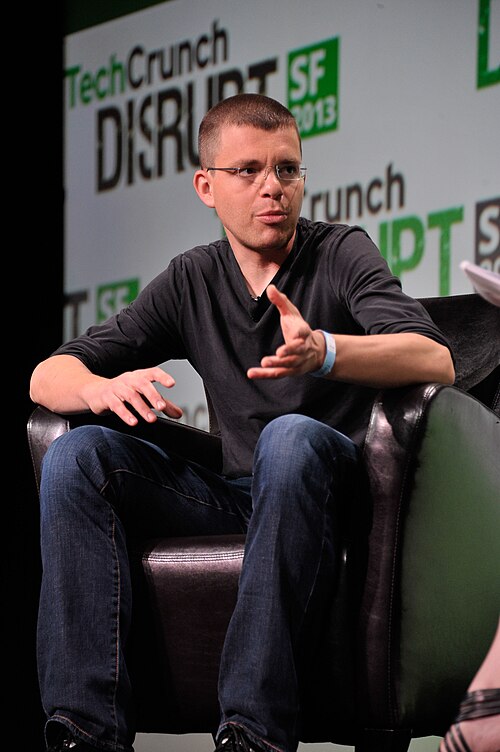 Max Levchinrecommends 2 books here
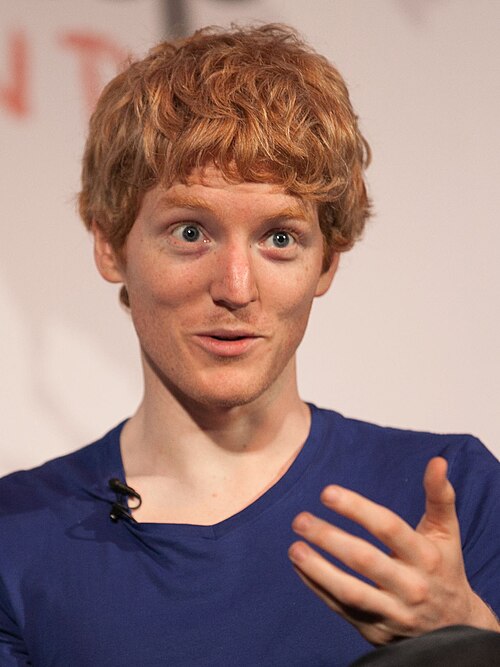 Patrick Collisonrecommends 2 books here
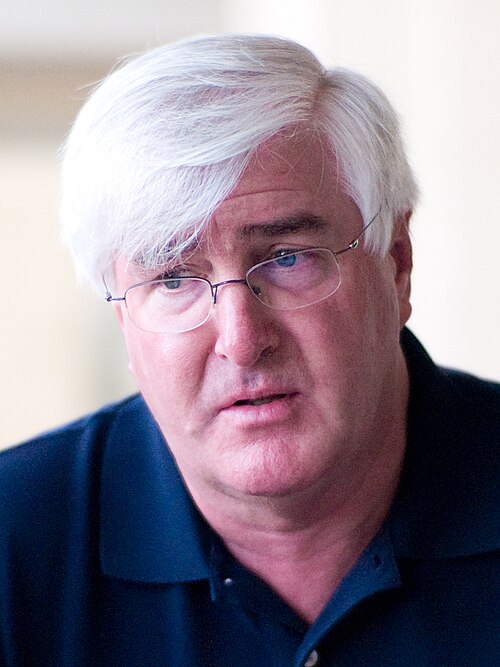 Ron Conwayrecommends 2 books here
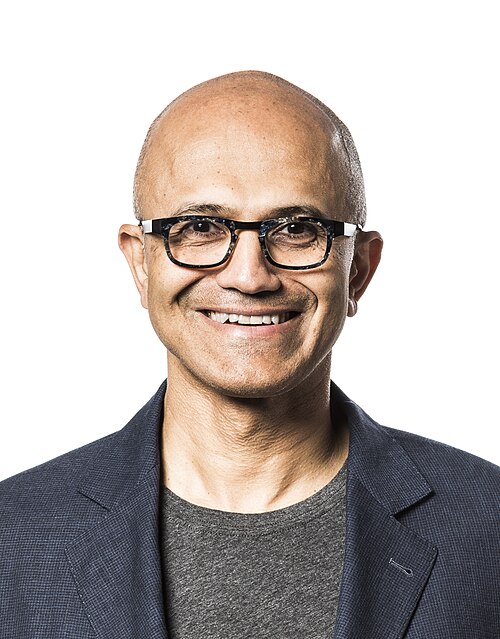 Satya Nadellarecommends 2 books hereBen Horowitzrecommends 1 book here
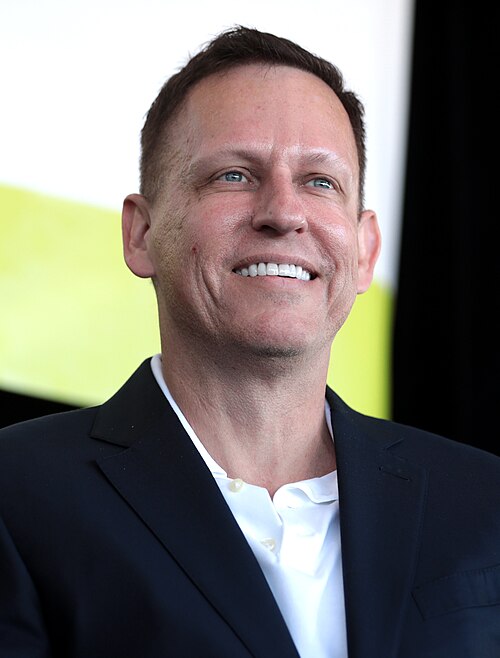 Peter Thielrecommends 1 book here
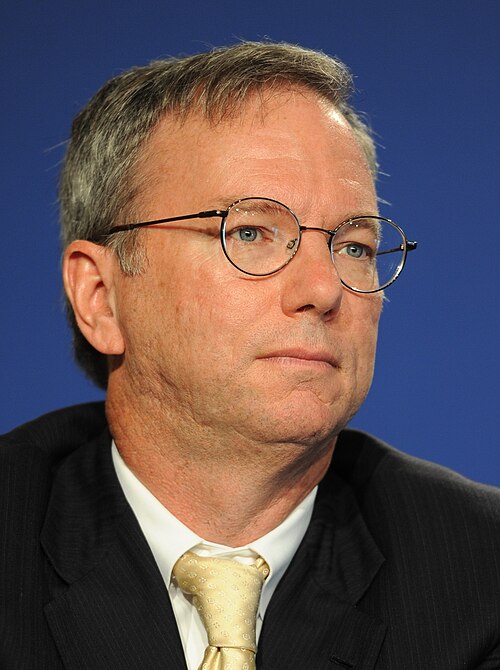 Eric Schmidtrecommends 1 book hereMarc Benioffrecommends 1 book here
 Reid Hoffmanrecommends 1 book here
 Guy Kawasakirecommends 1 book here
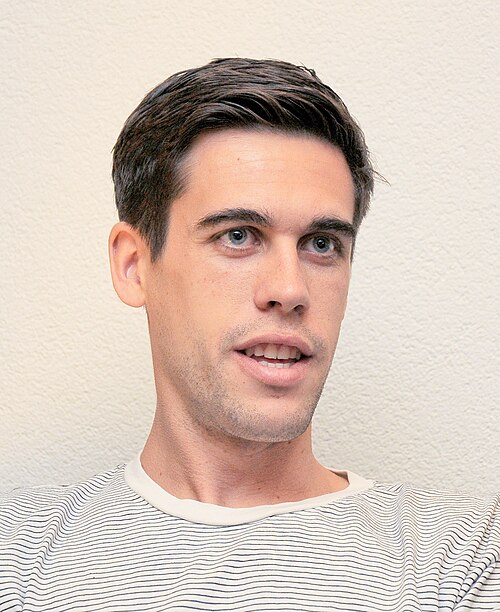 Ryan Holidayrecommends 1 book here
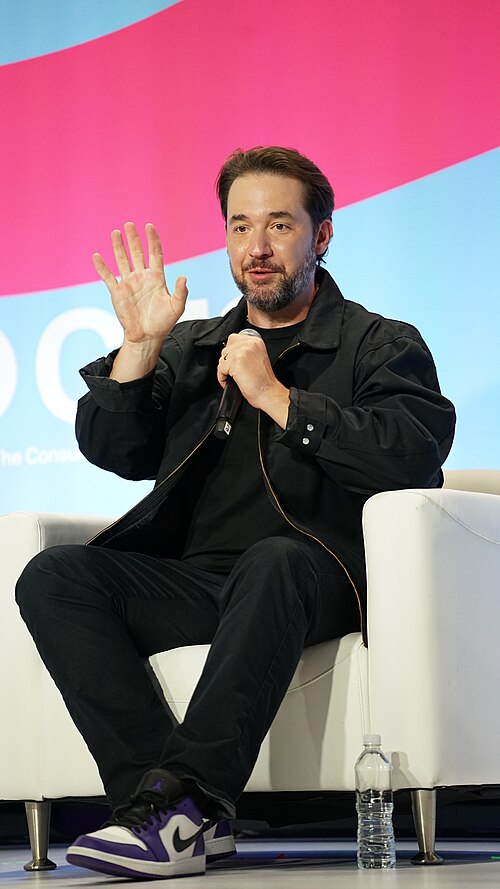 Alexis Ohanianrecommends 1 book here
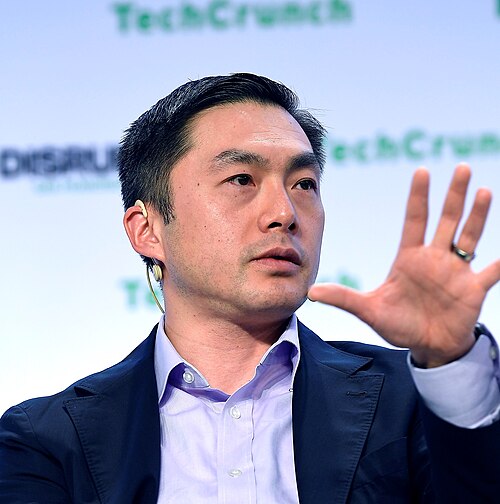 Alfred Linrecommends 1 book here
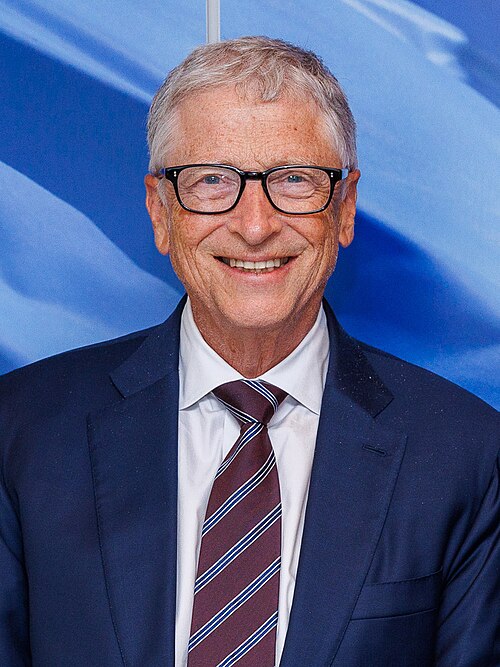 Bill Gatesrecommends 1 book here
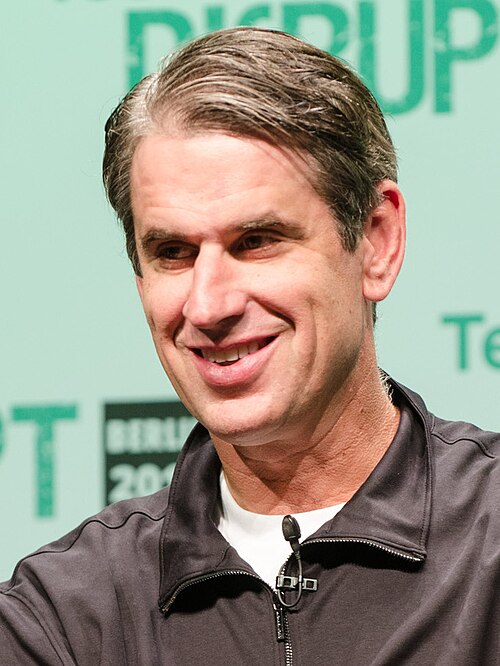 Bill Gurleyrecommends 1 book here
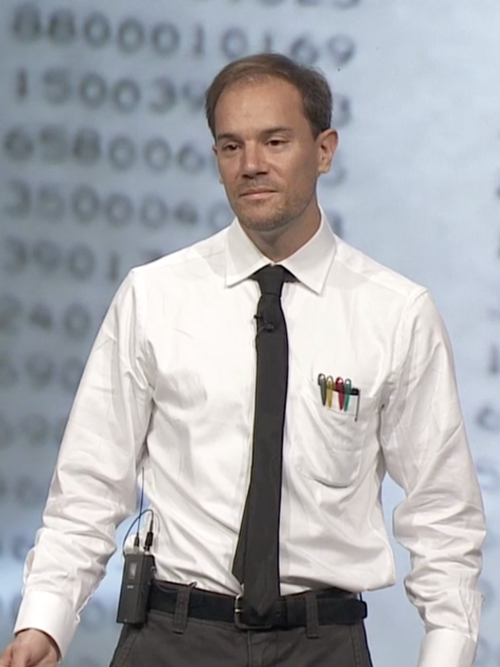 Bret Victorrecommends 1 book here
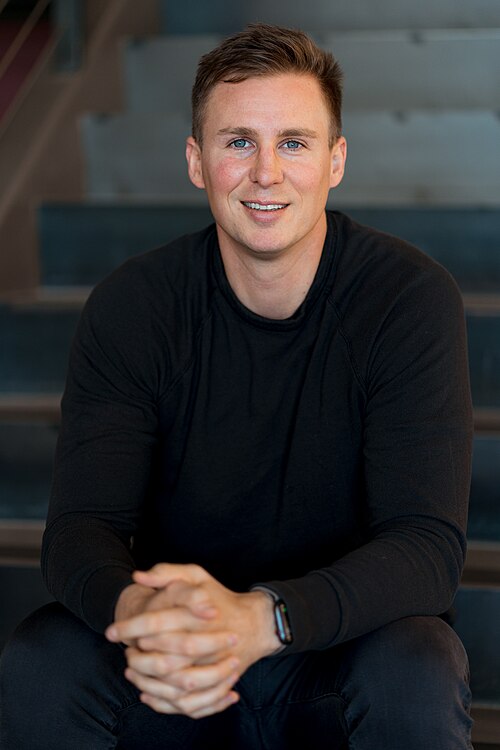 Brett Adcockrecommends 1 book here
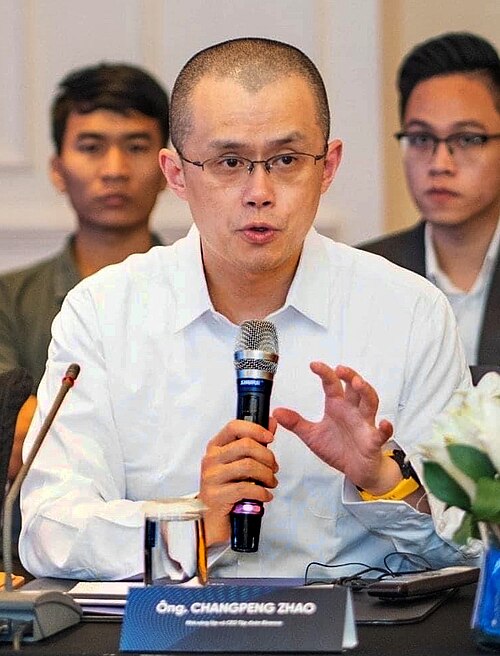 Changpeng Zhaorecommends 1 book here
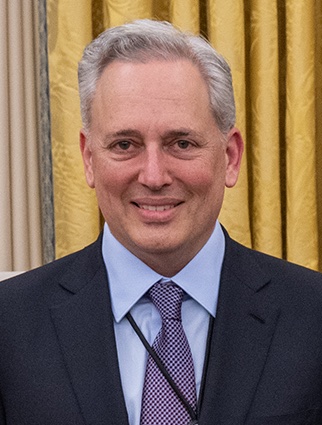 David Sacksrecommends 1 book here
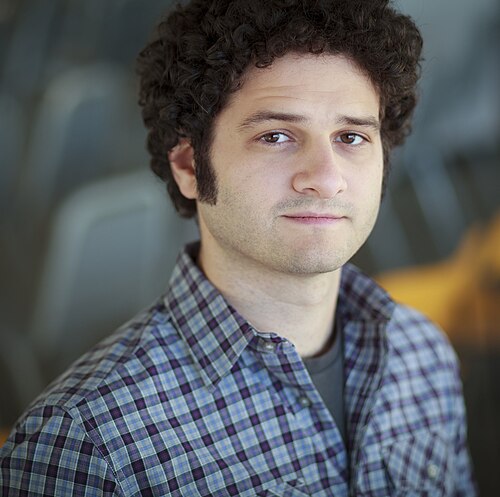 Dustin Moskovitzrecommends 1 book here
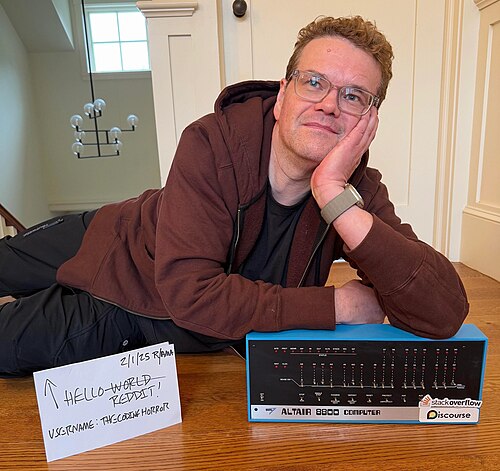 Jeff Atwoodrecommends 1 book here
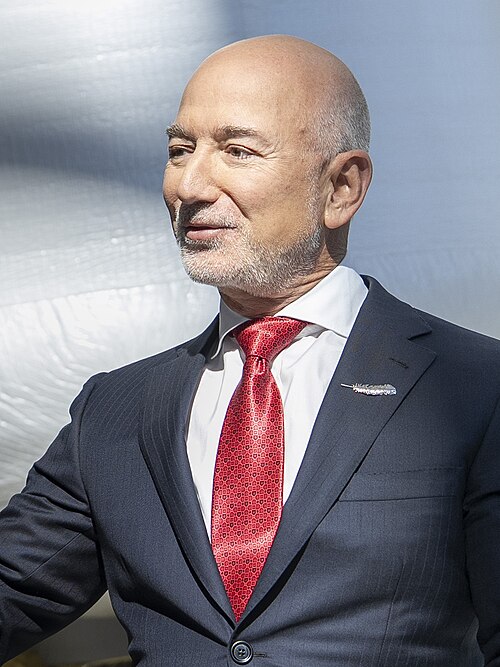 Jeff Bezosrecommends 1 book here
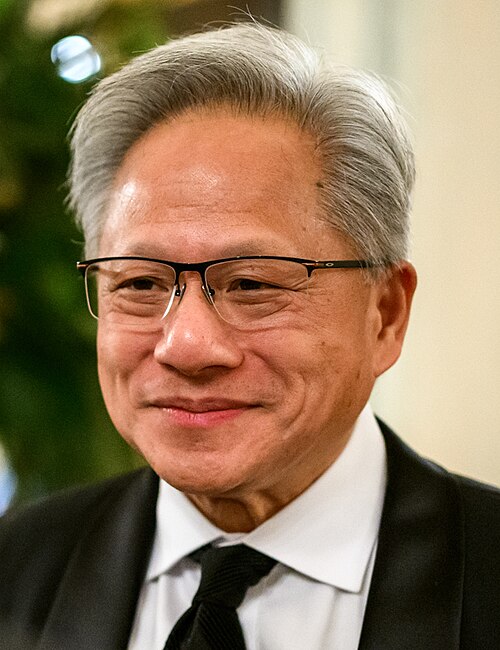 Jensen Huangrecommends 1 book here
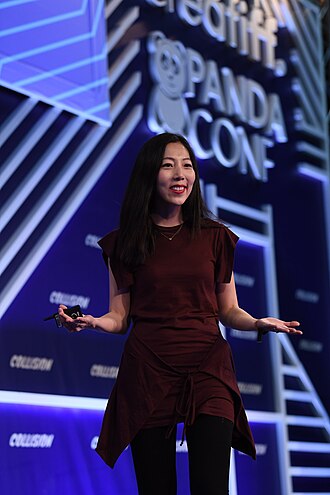 Julie Zhuorecommends 1 book here
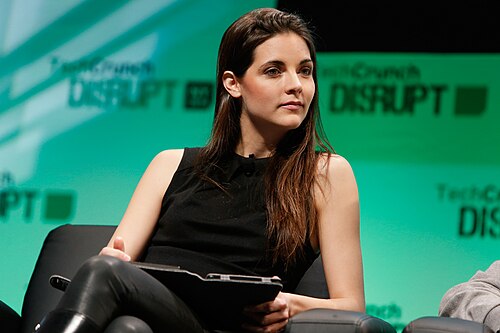 Kathryn Minshewrecommends 1 book here
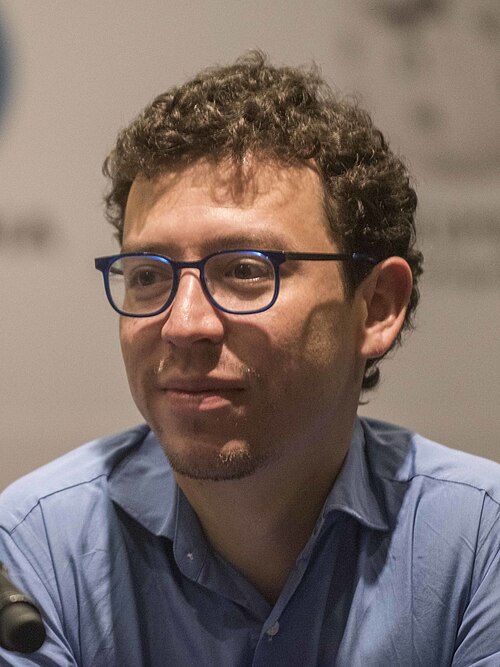 Luis von Ahnrecommends 1 book here
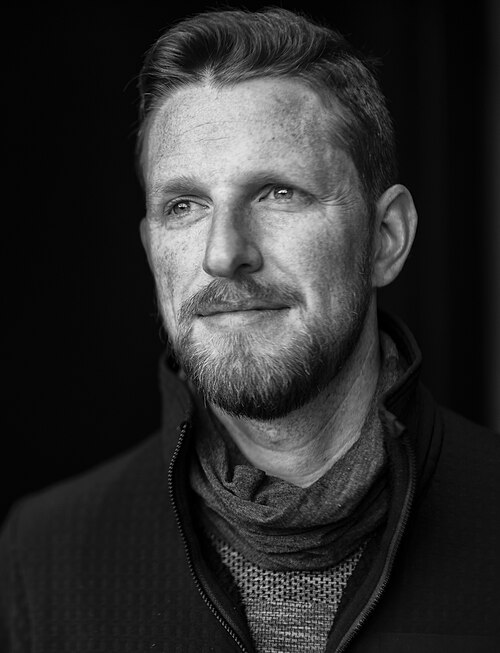 Matt Mullenwegrecommends 1 book here
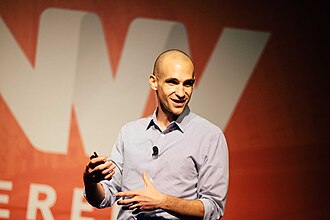 Nir Eyalrecommends 1 book here
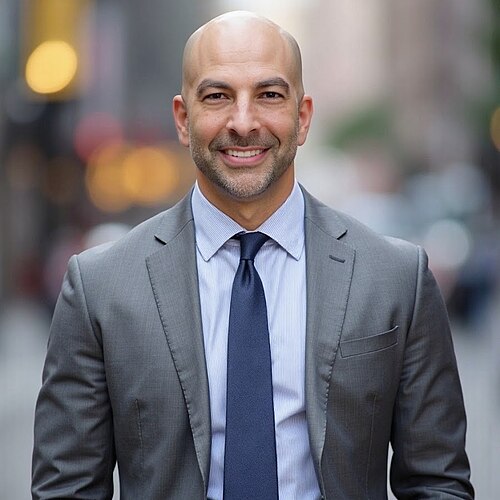 Peter Attiarecommends 1 book here
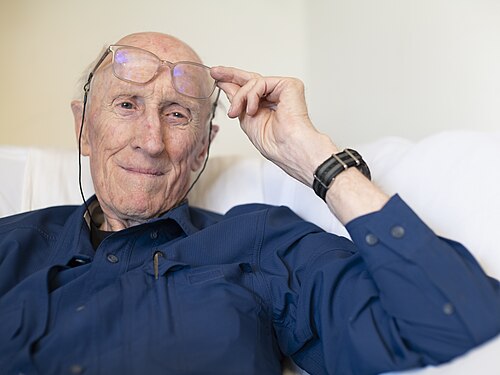 Stewart Brandrecommends 1 book here
 Tobi Lütkerecommends 1 book here
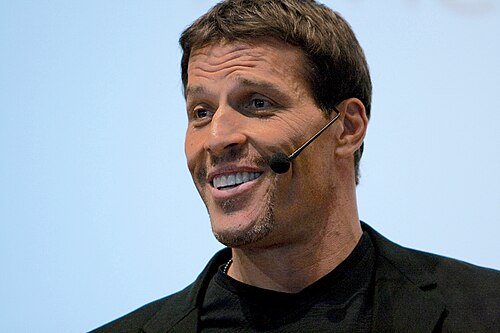 Tony Robbinsrecommends 1 book here