Startups, product and software teams
Methods for building startups, small businesses and software products, from customer discovery to scaling.
Start here
- The Phoenix ProjectGene Kim, Kevin Behr, George Spafford, 2013
- Simple Numbers, Straight Talk, Big Profits!Greg Crabtree, Beverly Herzog, 2011
- BuildTony Fadell
- Continuous Discovery HabitsTeresa Torres
- Empowered: Ordinary People, Extraordinary ProductsMarty Cagan, Chris Jones
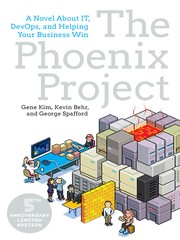
A novel in which an IT manager rescues a failing project using lessons from The Goal.
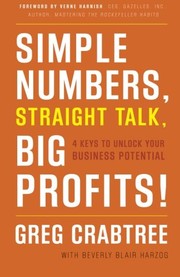
Owner-operator economics: labour efficiency and the four keys.
Recommended by: Nat Eliason
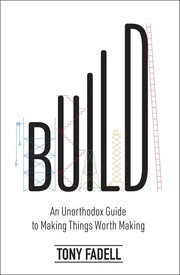
Fadell built the iPod, the iPhone, and Nest. Build is structured as a book of advice organized by career stage and product phase. It is unusually honest about failure, about the texture of executive dysfunction, and about what it actually takes to ship physical products at Apple-level quality. The section on storytelling for products is particularly strong.
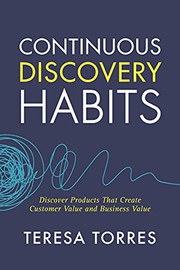
Torres operationalizes what Cagan describes. Weekly customer touchpoints, opportunity-solution trees, assumption testing — this is the most practical account of how discovery actually becomes a habit rather than a quarterly exercise. Pairs directly with Inspired as the how to its what.
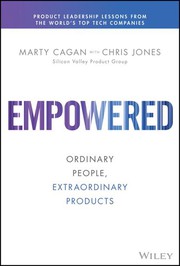
Cagan's follow-on to Inspired shifts from product craft to organizational conditions. The argument: you cannot have great products without empowered product teams, and empowered teams require managers who coach toward outcomes rather than manage toward outputs. Addresses the question Inspired leaves open — what do you change first?
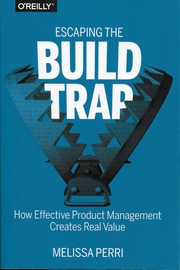
Perri names the organizational failure mode precisely: companies that measure success by shipping features rather than producing outcomes. The book is a diagnosis of product management dysfunction at the company level and a structural argument for why PM must own outcomes, not output, to function at all.
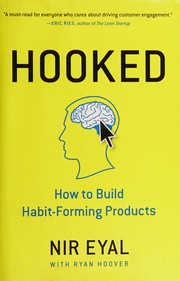
A four-step model for habit-forming products: trigger, action, reward, investment.
Recommended by: Nat Eliason, Alexis Ohanian, Andrew Chen and 6 others
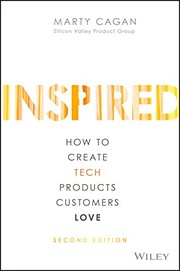
The foundational text of the modern PM role. Cagan's central argument — that most companies build the wrong things because they treat product as a delivery function rather than a discovery function — reframes everything that follows. The chapter on product discovery versus product delivery is worth the price of the book.
Recommended by: Anna Cheng, Marty Cagan
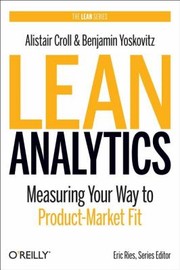
Which metric actually governs each business-model type.
Recommended by: Marty Cagan, Michael Batko, Sean Ellis
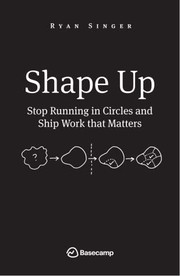
Singer's alternative to continuous sprints: fixed time, variable scope, with shaping work done in advance to reduce ambiguity before building begins. Whether or not the specific Basecamp process translates, the argument against infinite backlogs and the emphasis on appetite over estimation are worth wrestling with.
Recommended by: George Hatzis, Jason Fried, Jenny Chu
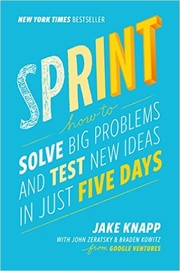
The Google Ventures five-day workshop format distilled into a repeatable method for answering critical design questions through rapid prototyping and targeted user testing. Less a design book than a process book — most valuable for teams that struggle to move from ideas to validated decisions quickly.
Recommended by: Andy Budd, Jessica Hische, Marty Cagan and 1 other
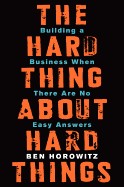
Subtitled 'Building a Business When There Are No Easy Answers'
“…books I've recommended, highlighted to death, or forced on friends.” — Andrew Wilkinson
Source: Andrew Wilkinson's Bookshelf, neverenough.com
Recommended by: Andrew Wilkinson, Balaji S. Srinivasan and 34 others
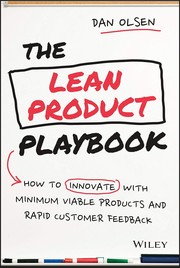
Olsen's product-market fit pyramid — target customer, underserved needs, value proposition, feature set, UX — is the clearest structural framework for thinking about fit. Where Ries describes validated learning as a philosophy, Olsen gives it a repeatable shape. Particularly strong on how to prioritize which hypotheses to test first.
Recommended by: Nir Eyal
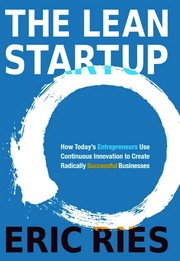
Build, measure, learn: test what customers want with small experiments.
Recommended by: Nat Eliason, Sheryl Sandberg, Andrew Chen and 17 others
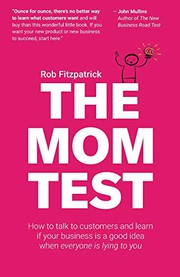
Short, sharp, and corrective. Fitzpatrick diagnoses why customer interviews so often produce false positives: people are polite and will validate almost any idea you present with sufficient enthusiasm. The fix is asking about past behavior, not hypothetical futures. A genuinely useful retraining of interview instincts.
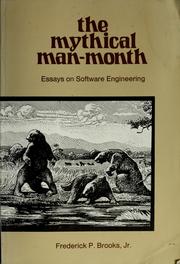
Lessons from IBM's OS/360: why adding people to a late software project slows it.
Recommended by: Mohnish Pabrai, Paul Graham, Andrew Chen and 3 others
Recommended by: Mohnish Pabrai
Small firms fail when technicians run them; build systems that run the business.
Recommended by: Alex Lieberman, Ali Abdaal, Andrew Wilkinson and 6 others
Recommended by: Mohnish Pabrai
Recommended by: Mohnish Pabrai
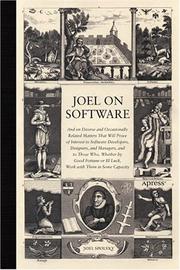
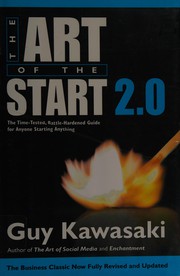
Recommended by: Mohnish Pabrai, Ev Williams, Keith Rabois and 1 other
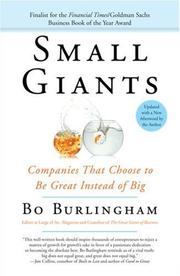
Fourteen companies, such as Anchor Brewing and Zingerman's, that chose to stay small.
Recommended by: Mohnish Pabrai, Catriona Wallace, Noah Kagan and 1 other
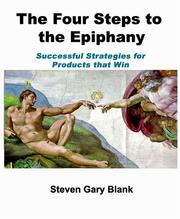
Customer development: how startups find customers before building the full product.
“Buy it, read it, keep it under your pillow and absorb it via osmosis.” — Marc Andreessen
Source: Book of the week: Best book for tech entrepreneurs this year, blog.pmarca.com
Recommended by: Marc Andreessen, Andrew Chen, Brad Feld and 2 others
Recommended by: Mohnish Pabrai, Nat Eliason, Nick Huber
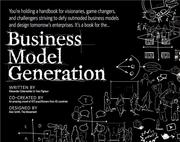
The Business Model Canvas: nine blocks for how a firm creates and captures value.
Recommended by: Nir Eyal
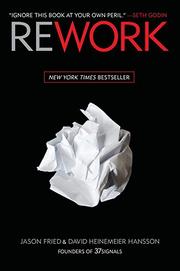
Recommended by: Andrew Wilkinson, Jason Fried, Jeff Bezos and 6 others
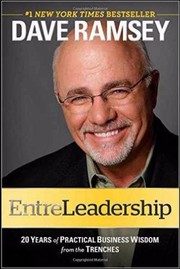
A step-by-step playbook for growing a small business, from Ramsey's own company.
Recommended by: David Cancel, Nick Huber
Recommended by: Andy Budd
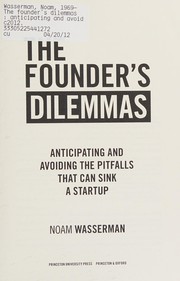
Data on 10,000 founders: co-founders, hiring, investors, control and succession.
Recommended by: Patrick Collison, Leo Polovets
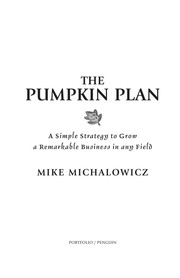
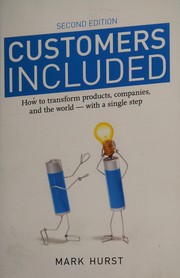
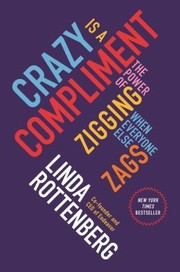
Recommended by: Mohnish Pabrai
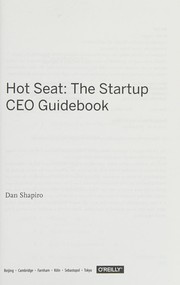
How leaders turn a founder-driven startup into a company that lasts.
Recommended by: Reed Hastings
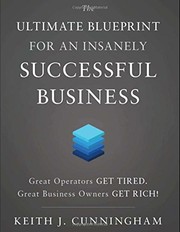
Recommended by: Ran Segall
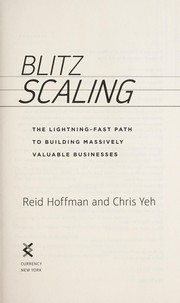
When and how to put speed before efficiency to capture a market before rivals.
Recommended by: Anthony Pompliano, Bill Gates, Biz Stone and 7 others
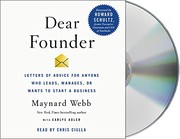
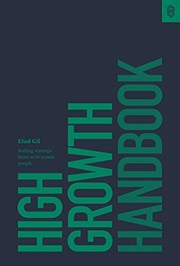
Operating manual for scaling a company from fifty to thousands
Recommended by: Balaji S. Srinivasan, Matt Mullenweg and 10 others
Why a business can stay small on purpose instead of chasing growth.
Recommended by: Cal Newport, David Hellmann, Eric Jorgenson and 3 others
An operating manual for founders scaling from a few people to a few hundred.
Recommended by: Nat Eliason, Alexis Ohanian, Ali Abdaal and 4 others
Expanded edition of the 1992 book
An operating framework for growing firms: priorities, data and meeting rhythm.
Recommended by: Julie Stevanja
Value pricing for solo and boutique consultancies.
Recommended by: Nat Eliason, Noah Kagan
A step-by-step guide to finding customers, a market and product-market fit.
Recommended by: Patrick Collison, Matej Latin and 1 other
Why startups should build something new and own a small market before growing.
Recommended by: Balaji S. Srinivasan, Eric Weinstein and 36 others
 Jim Collinswrote 2 books here
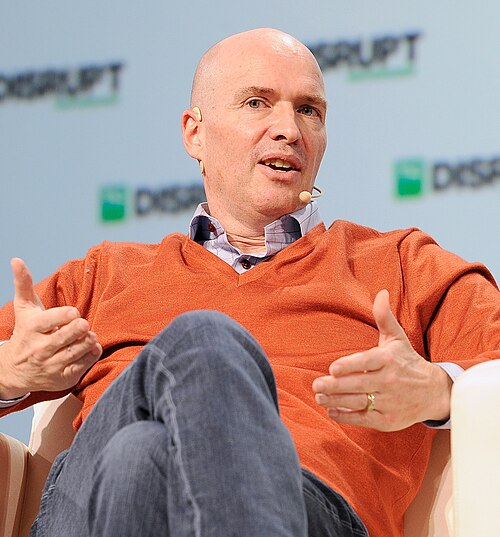 Ben Horowitzwrote 1 book here
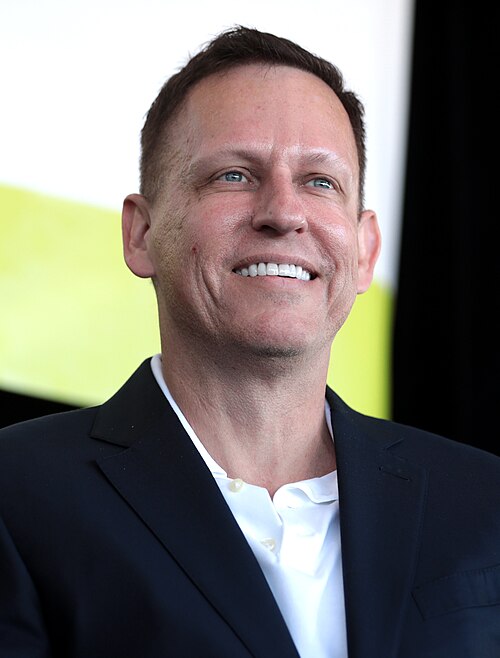 Peter Thielwrote 1 book here
 Reid Hoffmanwrote 1 book here
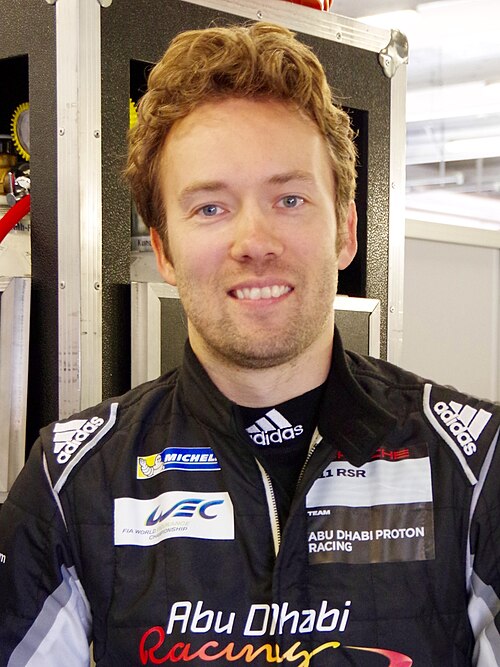 David Heinemeier Hanssonwrote 1 book here
 Guy Kawasakiwrote 1 book here
 Nir Eyalwrote 1 book here
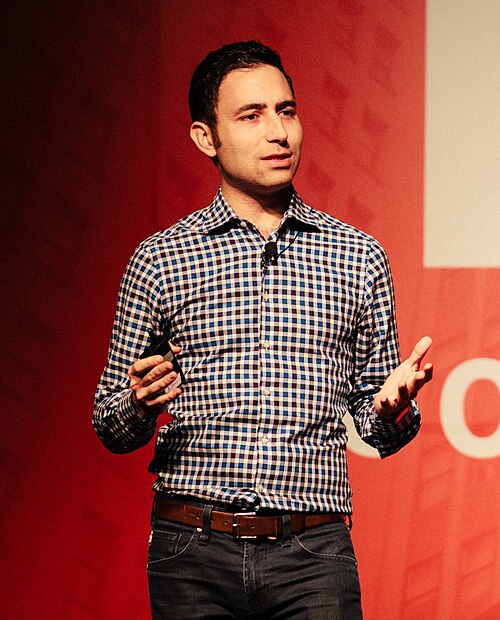 Scott Belskywrote 1 book here
 Mohnish Pabrairecommends 10 books here
 Brad Feldrecommends 5 books hereNir Eyalrecommends 5 books here
 Marc Andreessenrecommends 4 books hereReid Hoffmanrecommends 4 books here
 Balaji S. Srinivasanrecommends 4 books here
 Chris Dixonrecommends 4 books here
Show all 111
 Matt Mullenwegrecommends 4 books hereBen Horowitzrecommends 3 books here
 Paul Grahamrecommends 3 books here
 Alexis Ohanianrecommends 3 books here
 Ev Williamsrecommends 3 books here
 Jeff Bezosrecommends 3 books here
 Kathryn Minshewrecommends 3 books here
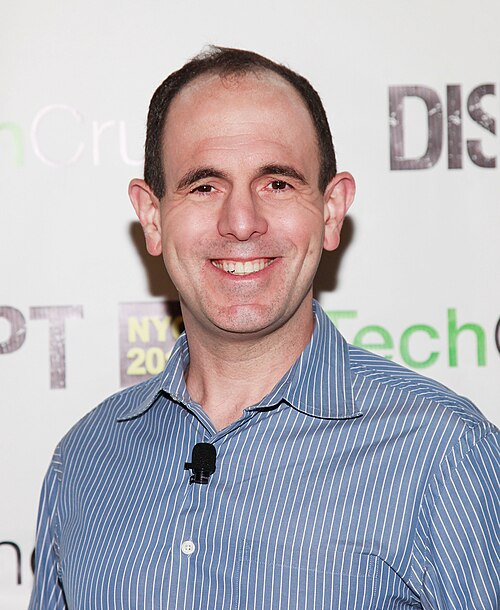 Keith Raboisrecommends 3 books here
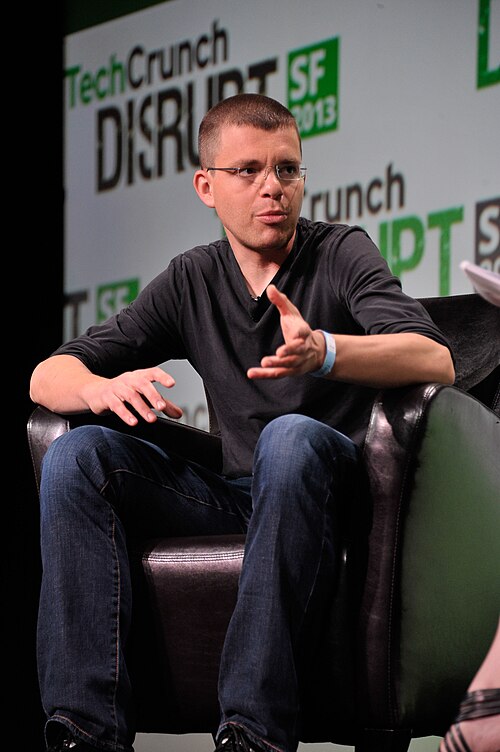 Max Levchinrecommends 3 books here
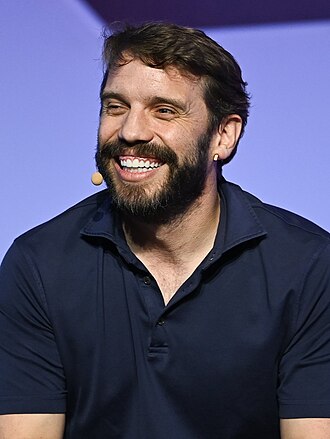 Ryan Petersonrecommends 3 books here
 Sam Altmanrecommends 3 books herePeter Thielrecommends 2 books here
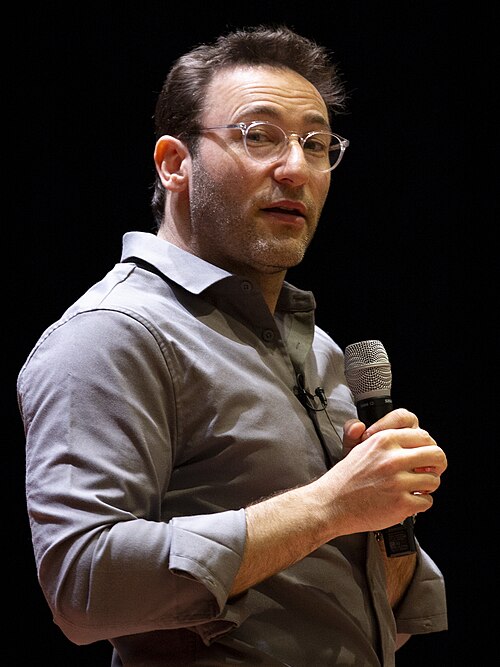 Simon Sinekrecommends 2 books here
 Aaron Levierecommends 2 books here
 Alfred Linrecommends 2 books here
 Brett Adcockrecommends 2 books here
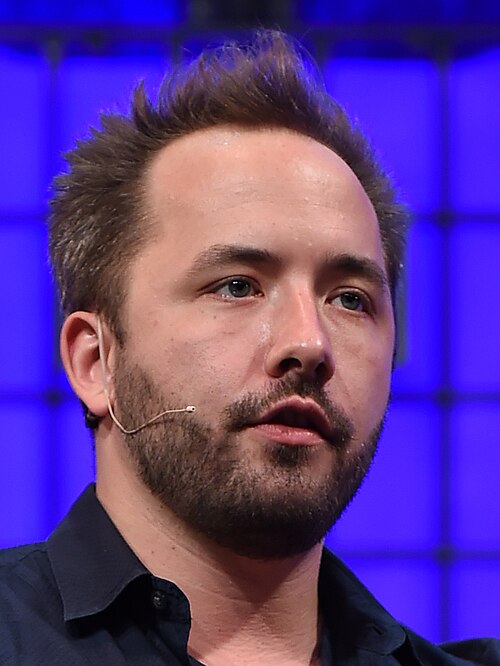 Drew Houstonrecommends 2 books here
 Dustin Moskovitzrecommends 2 books here
 Jeff Atwoodrecommends 2 books here
 Luis von Ahnrecommends 2 books here
 Mark Cubanrecommends 2 books here
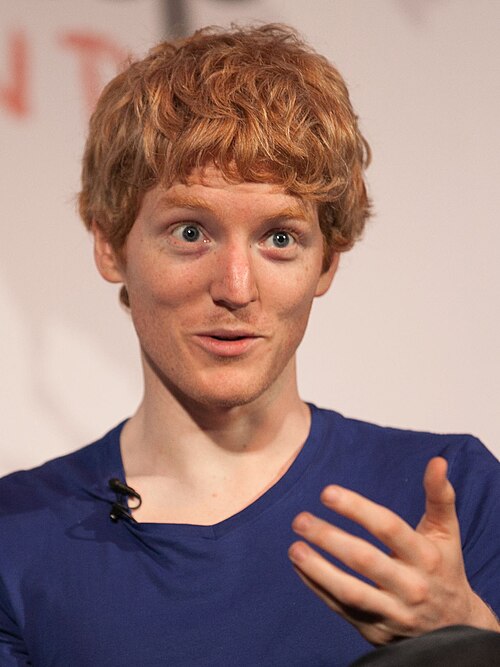 Patrick Collisonrecommends 2 books here
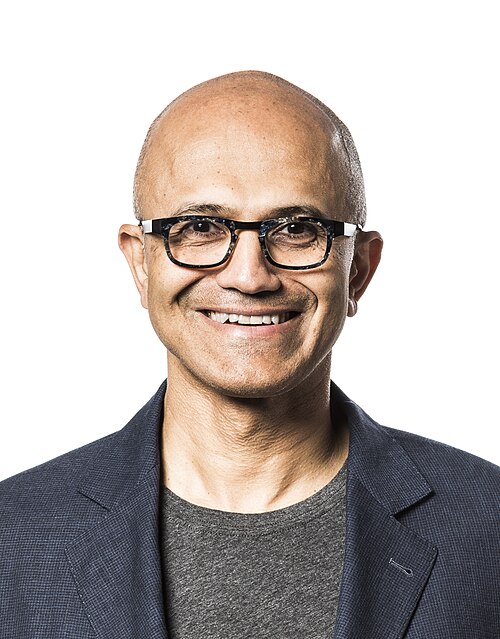 Satya Nadellarecommends 2 books here
 Sheryl Sandbergrecommends 2 books here
 Tim Ferrissrecommends 2 books here
 Tom Bilyeurecommends 2 books here
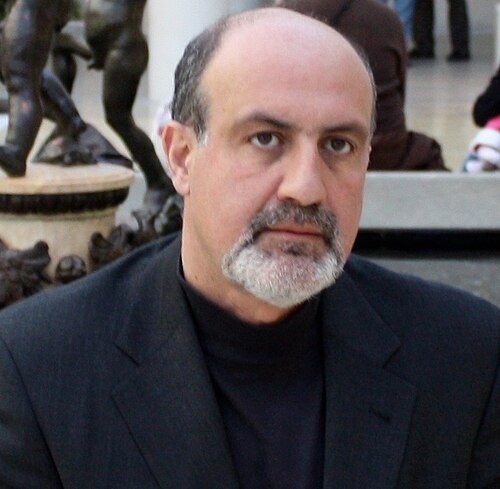 Nassim Nicholas Talebrecommends 1 book here
 Eric Schmidtrecommends 1 book here
 Marc Benioffrecommends 1 book hereGuy Kawasakirecommends 1 book here
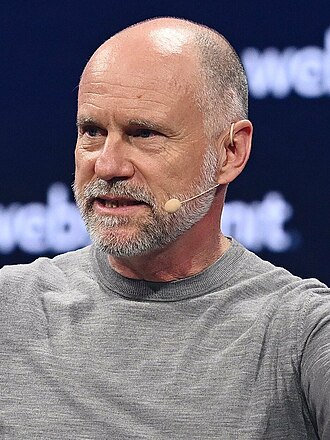 Albert Wengerrecommends 1 book here
 Bill Gatesrecommends 1 book here
 Biz Stonerecommends 1 book here
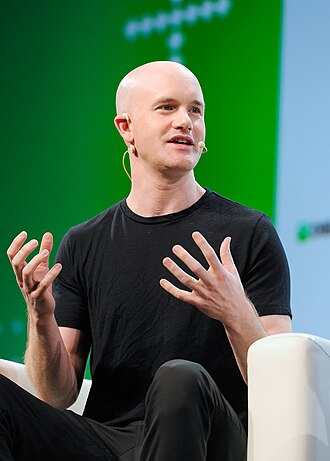 Brian Armstrongrecommends 1 book here
 Brian Cheskyrecommends 1 book here
 Casey Neistatrecommends 1 book here
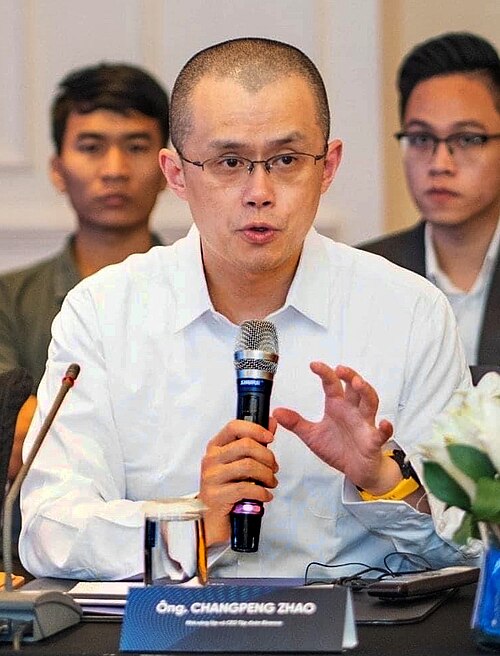 Changpeng Zhaorecommends 1 book here
 Elon Muskrecommends 1 book here
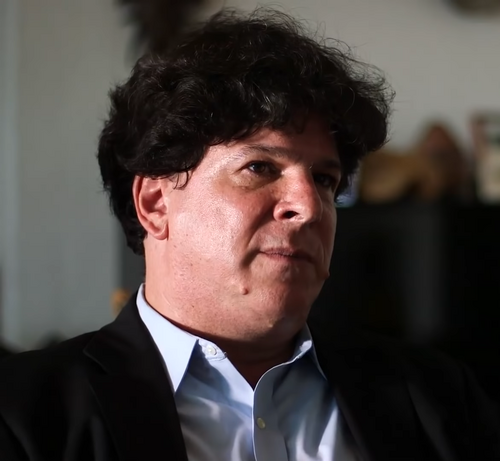 Eric Weinsteinrecommends 1 book here
 Gary Vaynerchukrecommends 1 book here
 James Altucherrecommends 1 book here
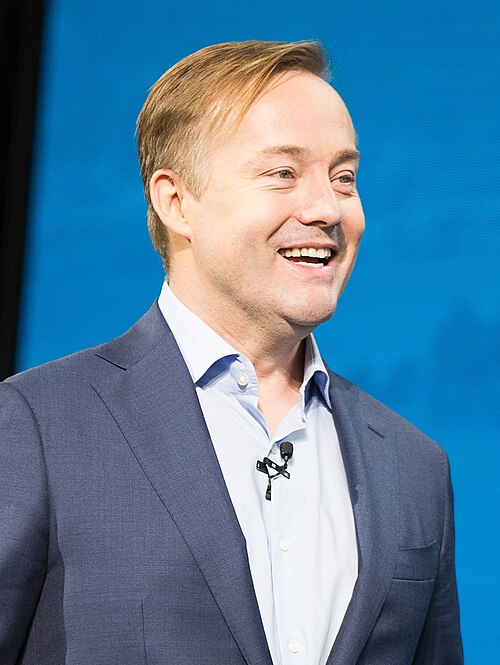 Jason Calacanisrecommends 1 book here
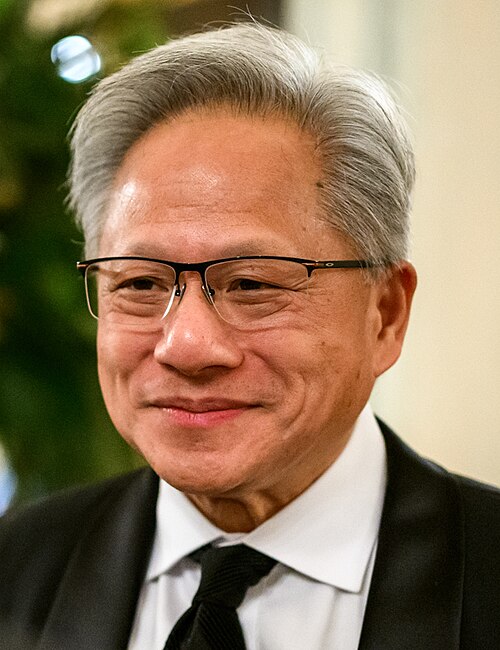 Jensen Huangrecommends 1 book here
 Jessica Hischerecommends 1 book here
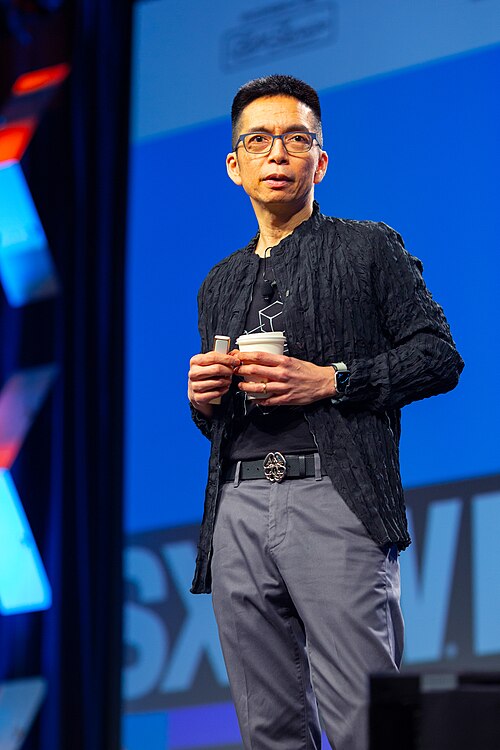 John Maedarecommends 1 book here
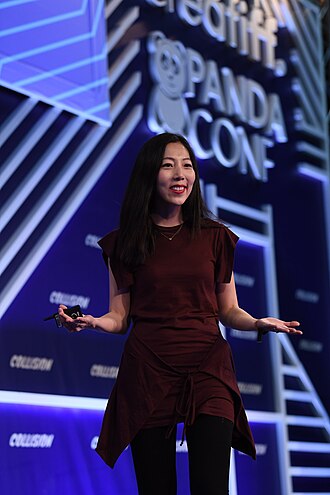 Julie Zhuorecommends 1 book here
 Kevin Systromrecommends 1 book here
 Meg Whitmanrecommends 1 book here
 Peter Attiarecommends 1 book here
 Reed Hastingsrecommends 1 book here
 Richard Bransonrecommends 1 book here
 Ron Conwayrecommends 1 book here
 Sophia Amorusorecommends 1 book here
 Tobi Lütkerecommends 1 book here
 Tony Hsiehrecommends 1 book here
 Vinod Khoslarecommends 1 book here