
General History
The human past outside the specifically financial: nations, empires, civilisations, eras and world-historical narrative. Read by anyone after context on how the present came about.
Start here
- Lives of the ArtistsGiorgio Vasari, 1550
- The Autobiography of Benjamin FranklinBenjamin Franklin, 1791
- Extraordinary Popular Delusions and the Madness of CrowdsCharles Mackay, 1841
- The MuqaddimahIbn Khaldun, 1858
- The History of the Standard Oil CompanyIda M. Tarbell, 1904
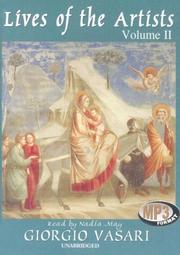
Lives of the painters, sculptors and architects of the Italian Renaissance.
“Vasari, Lives of the Artists” — Paul Graham
Source: Rarely-Asked Questions — paulgraham.com
Recommended by: Paul Graham
A printer's rise in colonial America and his chart for practising thirteen virtues.
Recommended by: Charlie Munger, Mohnish Pabrai, Nat Eliason and 4 others
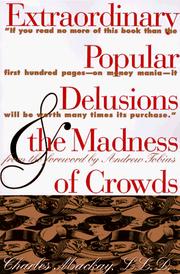
Crowd manias from the Mississippi scheme and South Sea Bubble to witch trials.
“The first couple of chapters of this book, which describes in detail the great financial and stock market manias of the eighteenth century, are essential reading for all serious investors.” — Barton Biggs
Source: Biggs on the first chapters as essential reading
Recommended by: Barton Biggs, Bernard Baruch, Peter Cundill and 2 others
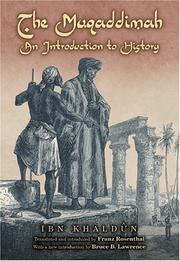
Why states rise and fall, explained through asabiyyah, the cohesion of a group.
Recommended by: Mohnish Pabrai, Mark Zuckerberg
How Standard Oil used railroad rebates to crush rival refiners, case by case.

Why Germany could not pay the 1919 reparations, and what they would do to Europe.
The late-1920s boom in margin loans and investment trusts, and the 1929 crash.
Recommended by: Mohnish Pabrai
How DuPont, GM, Standard Oil and Sears built the multidivisional firm.
Interest rates from Babylonian lending through Rome and Europe to modern bonds.
Recommended by: Mohnish Pabrai
What Germany's 1921 to 1923 hyperinflation did to ordinary people's lives.
Recommended by: Balaji S. Srinivasan
The building of the Panama Canal, from France's failed attempt to US completion.
Recommended by: Mohnish Pabrai, Bill Gates
How salaried managers replaced markets in coordinating US business, 1840 to 1920.
Recommended by: Paul Graham
How Japan's trade ministry steered industry from 1925 to 1975.

Electrification in the US, Britain and Germany, 1880 to 1930, as a technical system.
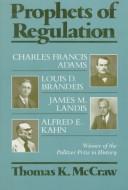
A century of US regulation through four figures, from Charles Francis Adams to Kahn.
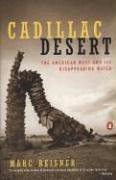
How rival federal agencies dammed the American West's rivers for water projects.

How the bomb was built, from the discovery of atomic energy to Hiroshima.
Recommended by: Chris Dixon, Elon Musk, Patrick Collison
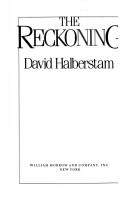
Ford and Nissan side by side, showing why US carmakers lost to Japan.

How cost accounting served managers until financial reporting took it over.
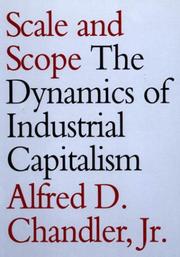
Why big industrial firms in the US, Britain and Germany rose or lagged, 1880 to 1940.
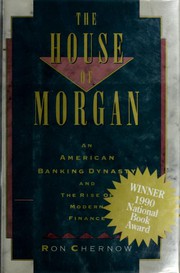
The Morgan banks from 1830s London to J.P. Morgan and Morgan Stanley in the 1980s.
Recommended by: Mohnish Pabrai, Paul Graham
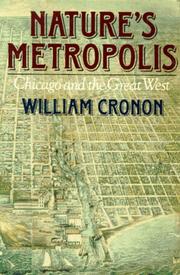
How Chicago and its western hinterland grew together as city and frontier.
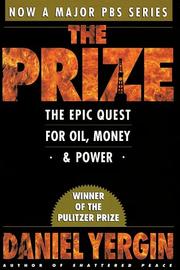
The history of oil from the first Pennsylvania well to the Gulf War.
Recommended by: Mohnish Pabrai, Patrick O'Shaughnessy and 3 others
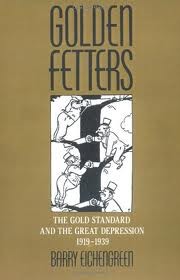
How the gold standard spread the Depression, and why leaving it early meant recovery.

Two centuries of a Jewish banking family from Hamburg to London and New York.
Recommended by: Mohnish Pabrai

Latin America's economies from independence to today, period by period.
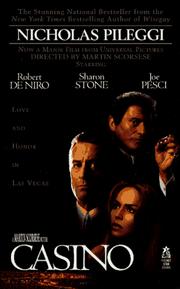
How the Chicago mob ran Las Vegas casinos, told through bookie Frank Rosenthal.

A century of the American cigarette industry, from mass marketing to 1990s lawsuits.
Why the Dutch Republic of 1500 to 1815 was the first modern economy.
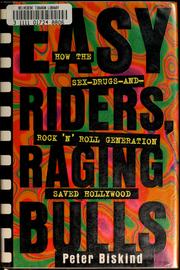
How young directors and drugs remade Hollywood in the 1970s, from Easy Rider on.

Why some nations grew rich over 500 years, with culture as the deciding factor.
Recommended by: Charlie Munger, Mohnish Pabrai, Jamie Dimon and 1 other
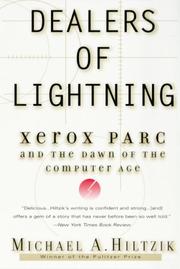
How Xerox PARC built the first personal computer and laser printer, and lost them.
Recommended by: Austen Allred, Patrick Collison, Sam Altman
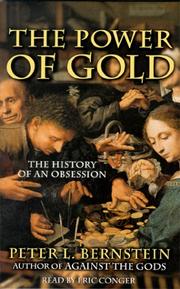
Gold from ancient Egypt and Lydian coins to the end of Bretton Woods.
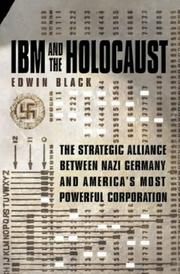
How IBM and its German subsidiary worked with Nazi Germany from 1933 through the war.

A Jewish boy survives the war and Soviet rule in Hungary and escapes to America.
Recommended by: Ben Horowitz, Keith Rabois, Patrick Collison
How Lyndon Johnson mastered the Senate's rules and became its majority leader.
Recommended by: Jim Collins, Marc Andreessen and 1 other
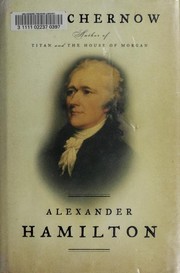
Hamilton's life from the West Indies to the Treasury and his duel with Aaron Burr.
Recommended by: Jim Collins, Patrick Collison and 2 others

How inventions of 1867 to 1914, from electricity to cars, made the modern world.
Recommended by: Mohnish Pabrai, Bill Gates
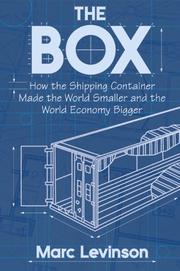
How the shipping container cut freight costs and remade global trade.
Recommended by: Bill Gates, Mohnish Pabrai, Paul Graham and 1 other
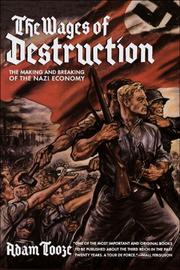
The economic history of Nazi Germany.
Henry Ford's failed attempt to build a small American town in the Amazon.
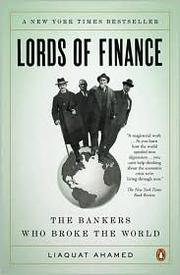
How four central bankers and the gold standard turned a slump into the Depression.
“I'm going to use "classic" again but rightfully so.” — Christopher Bloomstran
Source: Semper Augustus 2020 Letter to Clients, 'To Read or Not to Read', p. 57
Recommended by: Christopher Bloomstran, Mohnish Pabrai

A biography of cancer, by a physician and oncologist.
Recommended by: Andrew Chen, Bill Gates, Laura R Walker and 1 other

Tests the popular comparison of America with ancient Rome and finds deep differences.
Recommended by: Bill Gates, Mohnish Pabrai

How the transcontinental railroads, the first corporate giants, reshaped America.

How American manufacturing rose to lead the world, and why its share then fell.
Recommended by: Mohnish Pabrai
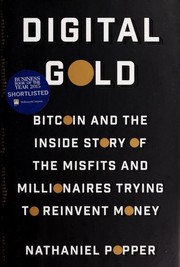
The rise of Bitcoin and the people trying to build a new money for the internet.
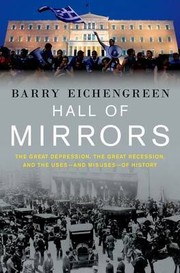
How 1930s lessons guided policy in 2008, averting a depression but adding errors.

How media from the penny press to social media capture attention and resell it.
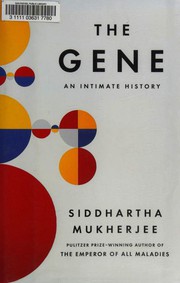
The gene from Mendel and Darwin to genome editing, beside a family's mental illness.
Recommended by: Bill Gates, Daniel Petre, James Cameron and 1 other
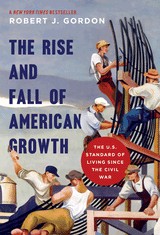
Why the inventions of 1870 to 1970 raised living standards as nothing since has.
“This is a heavyweight (literally) masterpiece... It's a data-rich textbook as well as a phenomenal read.” — Christopher Bloomstran
Source: Semper Augustus 2020 Letter to Clients, 'To Read or Not to Read', p. 57
Recommended by: Bill Gates, Christopher Bloomstran and 2 others
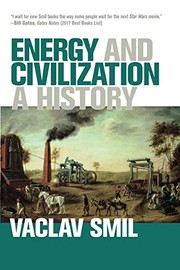
History told through energy, from muscle and fire to coal, oil and electricity.
Recommended by: Balaji S. Srinivasan, Bill Gates and 1 other

How the East India Company became the first corporation to conquer a country.

Three generations of the Sackler family and how Purdue Pharma sold OxyContin.

Venture capital from Arthur Rock to SoftBank, and why a few big bets pay for all.
Recommended by: Andrew Wilkinson, Anthony Pompliano and 4 others

The Rochdale Pioneers by a contemporary; the founding cooperative account.
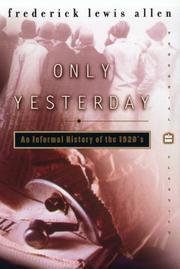
American life in the 1920s, from the Armistice to the crash.
Recommended by: The Barefoot Investor
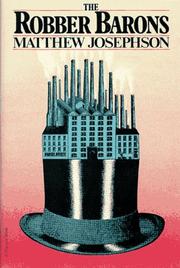
How Vanderbilt, Gould, Rockefeller, Morgan and others built 19th-century fortunes.
Recommended by: Larry Ellison
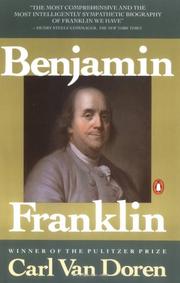
The standard mid-century Franklin biography; Munger's model of a working life
Recommended by: Charlie Munger

The 1933 Senate hearings exposing bankers' practices that led to securities laws.
“It's a passage from one of my favorite books, "Wall Street Under Oath.” — Howard Marks
Source: Oaktree memo 'Learning From Enron'
Recommended by: Howard Marks

A military historian's reflections on what history teaches and why we ignore it.
Recommended by: Morgan Housel, Nat Eliason, Shane Parrish

How American life changed between 1900 and 1950.
Recommended by: Morgan Housel, Paul Graham
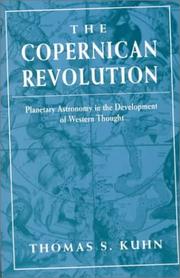
How the Copernican revolution unfolded, as a turning point in scientific thought.
“Kuhn, The Copernican Revolution” — Paul Graham
Source: Rarely-Asked Questions — paulgraham.com
Recommended by: Patrick Collison, Paul Graham

Shackleton's men survive after the ice crushes their ship Endurance in Antarctica.
Recommended by: Andrew Wilkinson, Morgan Housel, Nat Eliason and 7 others


Classic fieldwork proving African farmers were rational capitalist investors.

The VOC and WIC as commercial and military enterprises.

The 1787 Federal Convention in Philadelphia that wrote the US Constitution.
Recommended by: Jim Collins
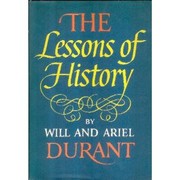
Recurring patterns drawn from world history: biology, morals, religion, economics.
“…books I've recommended, highlighted to death, or forced on friends.” — Andrew Wilkinson
Source: Andrew Wilkinson's Bookshelf, neverenough.com
Recommended by: Andrew Wilkinson, Balaji S. Srinivasan and 12 others

Wall Street from 1920 to 1938: the boom, the crash, the Depression and reform.
Recommended by: Mohnish Pabrai, Brendan Moynihan

The history of molecular biology from the 1930s to the 1970s, told by its makers.
Recommended by: Naval Ravikant

Wall Street in the 1960s: performance funds, conglomerates and the paperwork crisis.
“Both books are outstanding histories of Rockefeller and Standard Oil and then of the booming 1960s.” — Christopher Bloomstran
Source: Semper Augustus 2022 Letter to Clients, 'Books and Stuff', p. 75
Recommended by: Christopher Bloomstran, Mohnish Pabrai
Charles Schwab's rise from Carnegie's mill to head US Steel, then build Bethlehem.

The big international oil companies and how the 1973 embargo took away their control.

How plague, cholera, malaria and smallpox shaped history.
Recommended by: Patrick Collison, Paul Graham
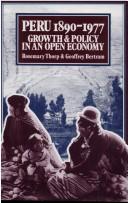
Peru's export economy from 1890 to 1977, and why growth did not bring development.

Edison's life drawn from his papers, unsparing about his finances.
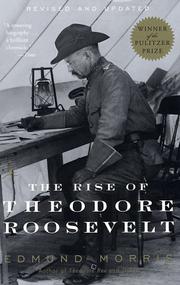
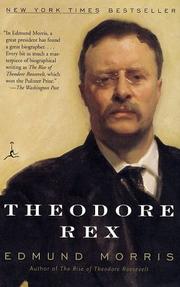
Theodore Roosevelt's life from his birth in 1858 to the presidency in 1901.
Recommended by: Mohnish Pabrai, Ryan Holiday, Jamie Dimon and 1 other

A long history of Poland that explains where its institutions began.

The standard group history, repeatedly revised and expanded.
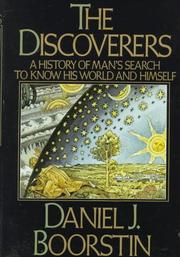
A history of discovery: time and the clock, the earth and seas, nature and society.
Recommended by: Jim Collins, Stewart Brand

Three generations of hackers, from MIT's AI Lab to the Homebrew club and game makers.
Recommended by: Austen Allred, Ev Williams, Marc Andreessen and 3 others
How Kilby and Noyce each invented the integrated circuit in 1958 and 1959.
Recommended by: Patrick Collison
The first volume of a history of the Hudson's Bay Company.
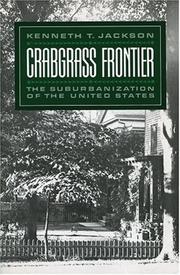
How Americans chose separate suburban houses and how that shaped the country.
Water control as the basis of power in the arid American West.

Germany's 1914 to 1923 inflation, with a more sympathetic view of its policy.

Argentina from Spanish conquest to the 1980s, and its reliance on foreign partners.
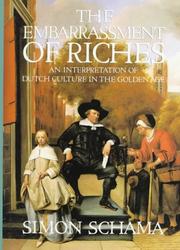
The culture of a society that got rich first and was uneasy about it.

Hong Kong at its commercial peak, before the handover to China.
Monthly data tested against explanations of Germany's 1919 to 1923 inflation.
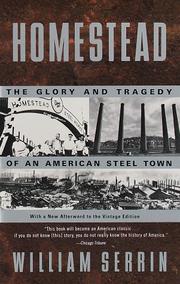
A Pennsylvania steel town from Carnegie's purchase in 1883 to the 1986 closure.
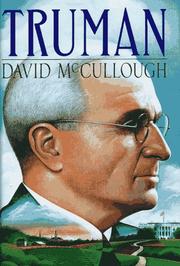
Harry Truman's life and presidency, from the atomic bomb to the Korean War.
Recommended by: Morgan Housel
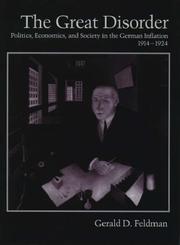
The full political, social and economic history of Germany's 1914 to 1924 inflation.

The standard one-volume history; the institutional backdrop to everything else.

The standard history; the state-business relationship runs through it.
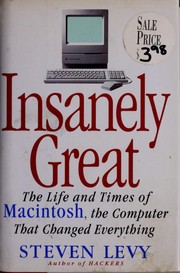
How the Macintosh was made and launched in 1984.
Singapore's economy from a British trading post in 1819 through the postwar years.

Latin America's reforms from the 1980s debt crisis to the mid-1990s, assessed.
How Chicago-trained Chilean economists came to run economic policy under Pinochet.

Mexico in the NAFTA era: an uprising, assassinations, corruption and a $50bn bailout.

How Vietnam moved from central planning to a market economy, from field research.

After the Cold War, conflict will follow cultural and religious fault lines.
Recommended by: Mohnish Pabrai, Patrick Collison and 3 others
How Licklider and Pentagon-funded engineers built the network behind the internet.
Recommended by: Patrick Collison, Chris Dixon
How Britain, Germany, Japan and the US each built their own form of capitalism.
Recommended by: Mohnish Pabrai
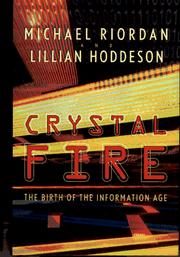
How the Bell Labs team of Shockley, Bardeen and Brattain invented the transistor.
Recommended by: Patrick Collison
Essays on why Brazil's and Mexico's economies lagged from 1800 to 1914.
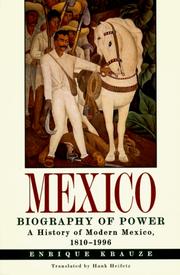
Modern Mexico from the insurgent priests of the 1810s to Zedillo and the Zapatistas.
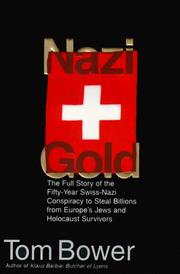
How Swiss bankers kept Jewish deposits and helped Nazis hide looted money.
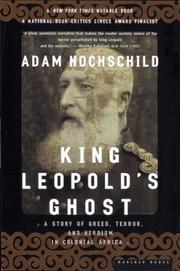
How King Leopold II of Belgium seized the Congo as his own colony in the 1880s.
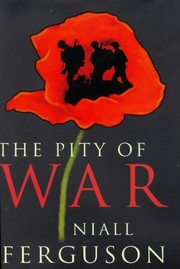
Britain's entry turned a continental war into a world war that was not inevitable.
Recommended by: Mohnish Pabrai
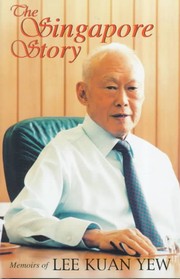
A founding leader's account of his life and Singapore's politics and history.
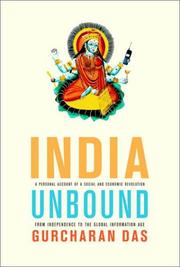
India's economy from independence to 2000, told alongside a P&G executive's career.
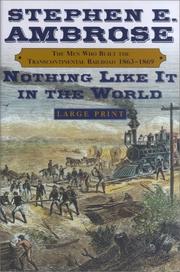
The investors, politicians and workers who built the transcontinental railroad.
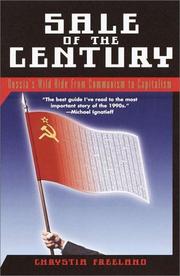
Russia's 1990s privatisation and the rise of the oligarchs, from Moscow.

Insider: the finance minister and IDA head on how the FDI model was built.

Nigeria, Africa's most populous nation, and why things are going badly there.

The best single narrative of 1929 itself.
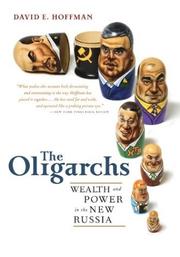
Six men and the mechanics of how post-Soviet wealth was assembled.

Essays on why a rich, well-endowed Argentina stagnated for so long.
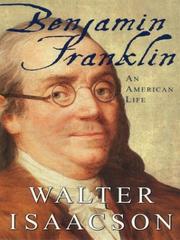
Franklin's life as printer, scientist, diplomat and founder.
“…books I've recommended, highlighted to death, or forced on friends.” — Andrew Wilkinson
Source: Andrew Wilkinson's Bookshelf, neverenough.com
Recommended by: Alfred Lin, Andrew Wilkinson, Mohnish Pabrai and 7 others
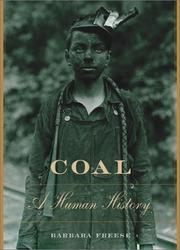
How coal built empires and economies, and the death and pollution it caused.
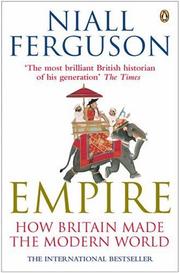
How the British Empire shaped the modern world, from globalisation to democracy.
Recommended by: Mohnish Pabrai

How Lincoln brought his three rivals for the 1860 nomination into his cabinet.
Recommended by: Bill Gates, Mohnish Pabrai, Jamie Dimon and 1 other

A short history of the joint stock company, from trading charters to multinationals.
Recommended by: Paul Graham

The Ford Motor Company from 1903 to the end of the 20th century.
Recommended by: Paul Graham

The citizens' movement of reformers and activists that ended Mexico's one-party rule.
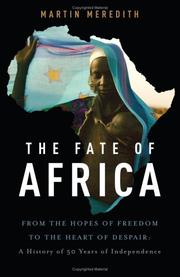
Africa from independence to the present, country by country.
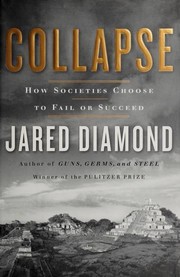
Why past societies from Easter Island to the Maya collapsed, and what that teaches.
Recommended by: Mohnish Pabrai, Bill Gates, Stewart Brand

The 1976 tasting of top French wines against new California ones, and its effects.
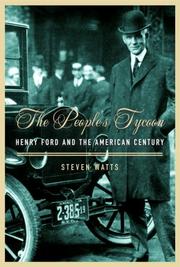
Henry Ford as a shaper of American culture as much as of its industry.

What drives family business dynasties such as the Rothschilds, Fords and Toyodas.
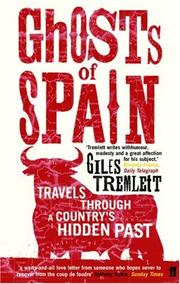
How Spain is breaking its silence over the Civil War and Franco's rule.
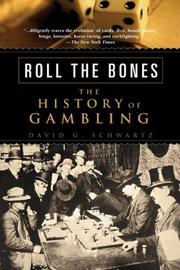
The standard general history of gambling.

Why the 20th century's great progress came with unprecedented violence.
Recommended by: Mohnish Pabrai
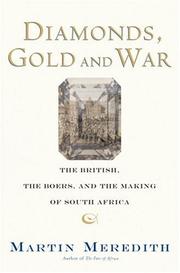
How diamonds and gold set Britain against the Boers before the 1910 union.
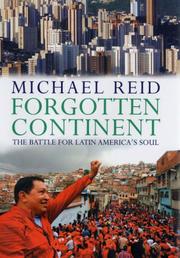
Latin America is neither doomed to fail nor saved by one reform; a balanced view.
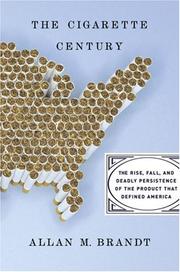
How the cigarette rose in 20th-century America, and how its harm was proved.
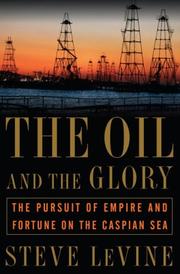
The fight for Caspian Sea oil from the 19th century to the present.
The 1907 panic day by day, from a failed copper corner to J.P. Morgan's rescue.
Recommended by: Mohnish Pabrai and 1 other
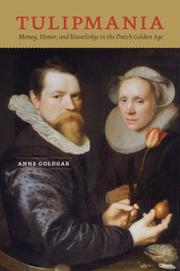
The Dutch tulip episode of 1636 and 1637 from archives, and how its legend arose.

The 1914 closure of the exchange, and how the dollar took over.
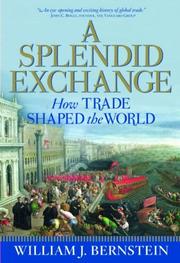
Long-distance trade from Mesopotamia and the spice routes to modern globalisation.
Recommended by: Patrick Collison, Mohnish Pabrai, Nick Szabo
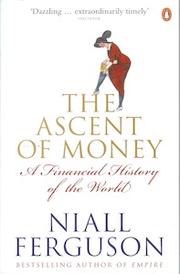
The history of finance by instrument: credit, bonds, stocks, insurance and property.
Recommended by: Mohnish Pabrai, Max Levchin, Raoul Pal and 2 others

The record-priced 1787 Lafite said to be Jefferson's, and doubts about its origin.
Recommended by: Tim Ferriss
A scholarly history of Singapore as a trading port from 1819 to 2005.

How Dubai became the world's fastest-growing city until the credit crunch.

Ireland's crash was the product of its political culture, not global finance.
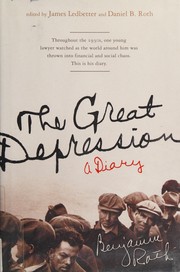
An Ohio lawyer's diary of the Depression years as he lived through them.
Recommended by: Mohnish Pabrai, Morgan Housel and 1 other

Congo from the slave trade and King Leopold to Mobutu and the resource wars.
Every US information industry moved from an open era to control by one firm.
Recommended by: Patrick Collison, Andrew Chen
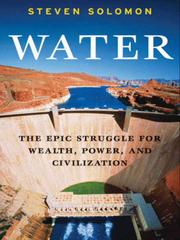
A world history showing how control of water shaped political and economic power.
Recommended by: Mohnish Pabrai

Six advantages, from competition to the work ethic, that let the West pull ahead.
Recommended by: Mohnish Pabrai
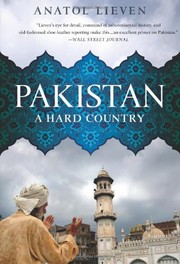
Kinship networks, patronage and why the state is weaker and more durable than it looks.

Evidence that violence of nearly every kind has declined over history, and why.
Recommended by: Bill Gates, Mohnish Pabrai, Morgan Housel and 6 others
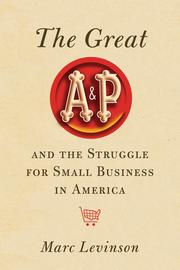
How A&P became the world's largest retailer and the political fight it set off.
Recommended by: Patrick Collison
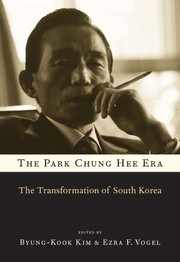
The authoritative volume on how the developmental state was built.


Kenya since 1963: a stable state held back by colonial legacies and poverty.

Why a small country without resources produces so many world-leading companies.

How deregulation from 1983 produced three decades without recession.
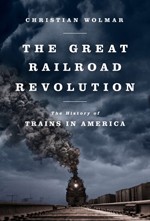

Joseph P. Kennedy's life in banking, film, the stock market and politics.
Recommended by: Mohnish Pabrai, Morgan Housel
Political history that explains who controls which parts of the economy.
How Edison's electric light changed American life and marked a new age.
Recommended by: Alfred Lin, Patrick Collison

The 1944 Bretton Woods conference as a contest between Keynes and Harry Dexter White.
How the 37 days after Sarajevo led Europe into the First World War.
Recommended by: Sam Altman

Japan after the 2011 earthquake, tsunami and Fukushima, and how it might recover.

Brazil's rise toward economic power and the many problems it still faces.
A global history of cotton used to trace how capitalism developed.

Why bankers kept lending to Philip II of Spain despite four payment suspensions.
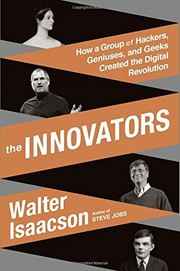
Computing as a run of collaborations, from Ada Lovelace and Babbage to Google.
Recommended by: Mohnish Pabrai, Bill Gates, Chris Fussell and 2 others

Why the security state crowded out the productive economy from the start.
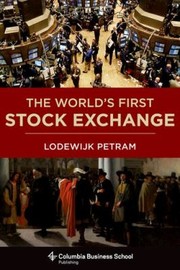
How trading in Dutch East India Company shares grew into the first stock market.

Competing regional ideas of legitimate order and the balance of power.
Recommended by: Mohnish Pabrai, Mark Zuckerberg, Ray Dalio

The rise and fall of the American department store, with Sears throughout.
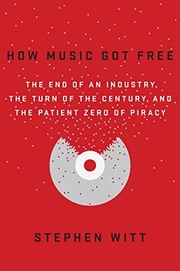
How the mp3, a CD-factory leaker and pirate websites broke the music business.
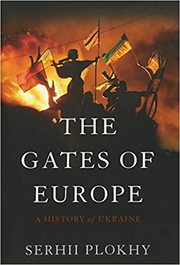
The history that explains the regional industrial geography and its ownership.
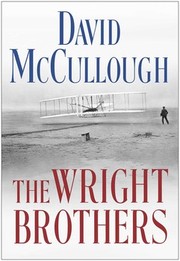
From a Dayton bicycle shop to the first powered flights and the 1908 demonstrations.
Recommended by: Ali Abdaal, Mohnish Pabrai, Morgan Housel and 3 others

Portugal's economy over nine centuries, from imperial trade to EU convergence.

Insider: the reporters who received and worked the Mossack Fonseca leak.

Zimbabwe's history from Rhodesia's 1965 break to Mugabe, by a lawyer and MP.
New York's 1975 fiscal crisis and the austerity politics it taught the nation.

How federal housing policy engineered segregation.

American economic growth from colonial times to now, driven by creative destruction.
How Poland achieved Europe's fastest sustained growth after 1989.
Revises the declinist story of British industry and its ownership.

How ancient DNA has rewritten the story of human prehistory and migration.
Recommended by: Balaji S. Srinivasan, Marc Andreessen and 2 others
A political history of American monopoly and of the tradition that fought it.
Recommended by: David Heinemeier Hansson
The 1986 Chernobyl disaster, and the secrecy and myth that hid what happened.
Recommended by: Casey Neistat

How McDonald's and fast-food franchising became bound up with Black America.

Innovation is gradual, collective and bottom-up, not the work of lone inventors.
“It's a must-read for entrepreneurs and government officials who want to either be innovative themselves or foster innovation.” — Naval Ravikant
Source: Nav.al — 'Matt Ridley: How Innovation Works, Part 2'
Recommended by: Naval Ravikant, Balaji S. Srinivasan
New Zealand's economic history from the Maori gift economy to climate policy.

The US drug industry from patent medicines to the opioid epidemic and the Sacklers.

The KGB network's recapture of the commanding heights.

How land ownership shaped history: how people fight over, keep and share land.

The first independent scholarly history using company archives.

How chips became the key to economic and military power, made in a few chokepoints.
Recommended by: Andrew Wilkinson

Six materials the world runs on, sand, salt, iron, copper, oil and lithium, traced.
Chile's market reforms under Pinochet and their results up to the 2019 protests.

Current account of the cross-strait risk that prices every Taiwanese asset.

Six friends, including Acheson, Harriman and Kennan, who shaped US foreign policy.
Recommended by: Mohnish Pabrai

The book that made the Swedish model an international reference point.

The major revisionist defence written against Tarbell.

The classic scholarly history of the mail-order and store model.
The authorised scholarly history of Standard Oil of New Jersey.
Trans-Saharan gold and salt trade; the medieval West African economy
“Bovill, The Golden Trade of the Moors” — Paul Graham
Source: Rarely-Asked Questions — paulgraham.com
Recommended by: Paul Graham

How the stirrup and the plough reorganised medieval society and economy
Recommended by: Patrick Collison, Paul Graham

The Austrian account of 1929 and the policy response that followed
“It's a timeless and timely classic.” — Christopher Bloomstran
Source: Semper Augustus 2020 Letter to Clients, 'To Read or Not to Read', p. 57
Recommended by: Christopher Bloomstran, Mohnish Pabrai

Pre-industrial English society before wage labour and cities
“Laslett, The World We Have Lost” — Paul Graham
Source: Rarely-Asked Questions — paulgraham.com
Recommended by: Paul Graham

The Melbourne property mania and bank collapses of the 1890s.

Clifford Irving's fake autobiography of Howard Hughes, reported as it unravelled.
The family and trusts that outlived the operating company.

How Unilever's overseas subsidiaries worked, 1895 to 1965.
The founding of AI research, from interviews with McCarthy, Minsky and others.
The Jewish families behind America's great department stores.

How Rockefeller philanthropy reshaped American medicine.
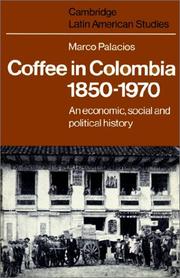
Economic history of the crop, the growers' federation and the export institutions built around it.
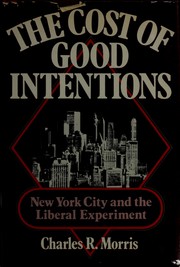
Contemporary anatomy of the same fiscal crisis, written from the numbers.

Jardine Matheson and the model of the diversified Hong Kong trading house.
Why the first merger wave happened and why most of it disappointed.
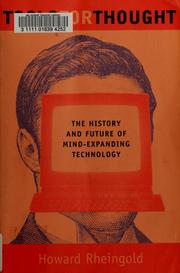
The idea of personal computing and the people who pursued it, up to PARC.

How Ferdinand and Imelda Marcos built crony monopolies and hid their wealth abroad.

Three generations of Rockefellers and how the fortune passed down.

How the Vanderbilt heirs spent and scattered the family fortune.
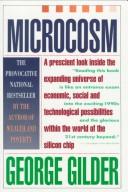
Portraits of the scientists, engineers and founders behind new technology.
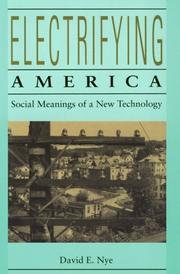
How electricity spread through everyday American life and commerce.

The 1989 Exxon Valdez oil spill and Exxon's response, reported from Alaska.

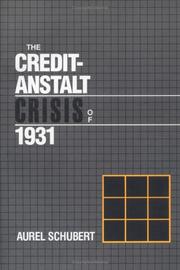
The definitive study of the bank failure that broke Central European finance.

The rival national ideas behind Argentina's recurring policy reversals.
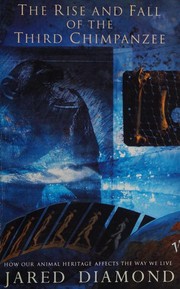
Human behaviour read from evolutionary biology; a Munger latticework staple
Recommended by: Charlie Munger, Mohnish Pabrai
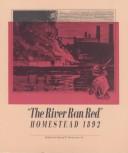
Documentary history of the strike, assembled from contemporary sources.
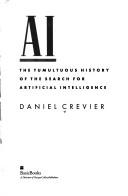
AI research from Dartmouth in 1956 to the funding cuts, told by the field's leaders.

The family dynasties that have run the Philippines' politics and conglomerates.
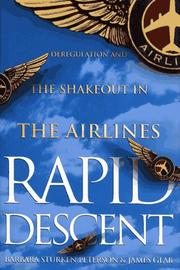

The four-volume history of the world's oldest continuous financial centre.

Comparative coffee political economy; sets Colombia's growers' federation in context.

The Overseas Chinese business families and their fortunes around the Pacific.
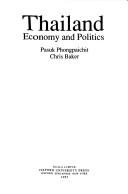
The pre-crisis baseline: how the boom economy was actually structured.
Spain's institutions and business culture after Franco.

Commercial aviation from biplanes after the First World War to deregulation.

Economic history that explains the industrial base the Czechs privatised.
How the productive structure and business class were remade after 1973.
The post-war economy through the liberalisation, by its best chronicler.
The state-chaebol bargain and how it shifted over forty years.
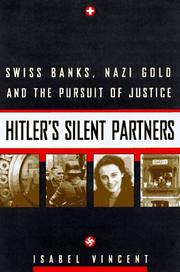
Companion investigation into Swiss banks and looted wartime assets.

The next generation of Canada's business owners after the old Establishment.
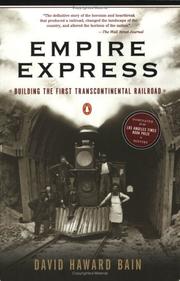
The building of America's first transcontinental railroad, from plan to completion.

Taiwan's history, including its land reform and base of small firms.

How Kodak's advertising taught Americans what to photograph.
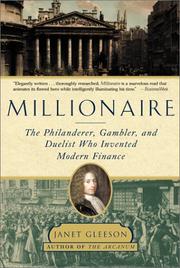
John Law, the Mississippi bubble and the invention of paper money in France.
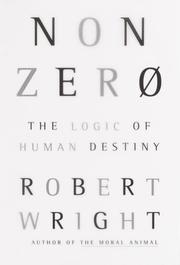
History read as an expanding series of non-zero-sum games
Recommended by: Mohnish Pabrai, Ev Williams, Nick Thompson and 1 other
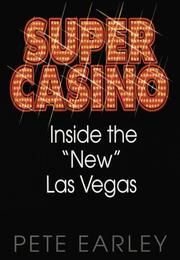
How Las Vegas grew from the Rat Pack era into a family holiday city.
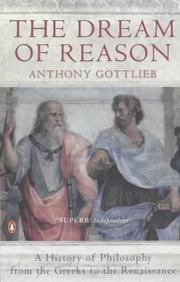
History of Western philosophy from the Greeks to the Renaissance
Recommended by: Mohnish Pabrai, Nassim Nicholas Taleb

Turkey caught between two worlds, its politics up to the 2001 bank crisis.
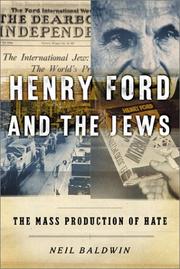
How Henry Ford published The International Jew, a book the Nazis spread.
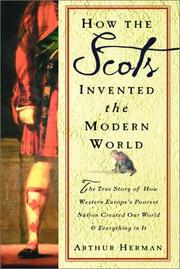
Scottish Enlightenment as the source of modern commercial and economic thinking
Recommended by: Charlie Munger, Mohnish Pabrai

Italy from 1980 to 2001: family capitalism, patronage and the state.

Malaysia's 1997-98 crisis and its unorthodox answer of capital controls.

How evidence and probability were reasoned about before formal statistics
Recommended by: Nassim Nicholas Taleb
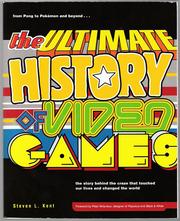
Video games from their pre-electronic origins to the industry of 2001.
Colombia's history read through its regional divisions, the fact behind its markets.
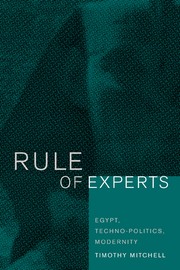
How experts, capital and land were arranged in modern Egypt.

The two Wall Street Journal reporters who broke the story.
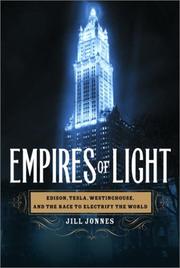
The current war: Edison against Westinghouse and Tesla.
Recommended by: Chris Dixon

How great powers and local people fought over Taiwan, through the party-state era.
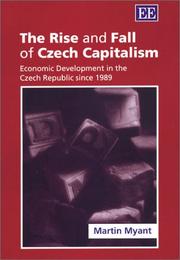
The book on voucher privatisation, bank ownership and the tunnelling that followed.

How returning land in Transylvania after communism created property rights.
Chester Carlson and xerography, the invention that funded PARC.
Franklin's reinvention from imperial gentleman into American businessman
“if you haven't read much about Ben Franklin, that's what I would suggest” — Joel Greenblatt
Source: Masters in Business transcript: Joel Greenblatt (2020)
Recommended by: Joel Greenblatt
The political history behind the current institutional settlement.

The standard modern history, strong on business families and state capital.

Indonesia's 1997-98 collapse and the fall of Suharto, reported on the ground.
How the Homestead strike turned Carnegie and Frick's partnership into a feud.
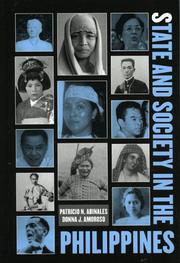
Why the Philippine state stays weak while strong families hold power.

How Poland's Solidarity union won the transition and lost the workers after it.

A structural account of the social market model and its rigidities.

Carnegie, Rockefeller, Gould and Morgan and the economy they built
“on how four great builders of the 19th century built the world we live in today” — Marc Andreessen
Source: @pmarca, companion thread to 'It's Time to Build'
Recommended by: Marc Andreessen

Ukraine's 2004 Orange Revolution, the oligarchs and why they kept their assets.

Stabilisation, privatisation and the authoritarian bargain that delivered them.

Conrail, deregulation and how US railroads returned to profit.

Comparative transition account; Czech vouchers judged against other sequencing choices.
How Hong Kong's banks and bank crises shaped the miracle economy.

Two centuries of graft quantified; the cost of doing business, measured.
The history of Pakistan's army and its hand in how the country is governed.
The forced labour on Lord Leverhulme's Congo palm-oil concessions behind his soap.
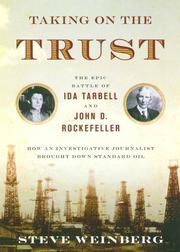
Ida Tarbell and John D. Rockefeller, and the collision between the two.

What the Nordic model is, where it came from and where the countries differ.

Illustrated studio history tied to the documentary of the same name.

Covers EU accession as the main driver of Romanian institutional change.
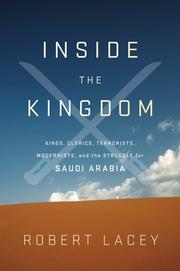
Saudi Arabia's oil wealth, religious establishment and attempts at reform.
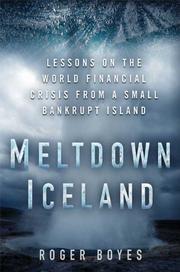
Contemporaneous reporting on the collapse and the Icesave dispute.
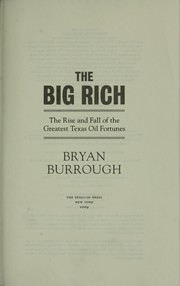
The rise and fall of the Texas oil fortunes, the Hunts among them.

The foreign oil companies' camps in Venezuela and the society they shaped.
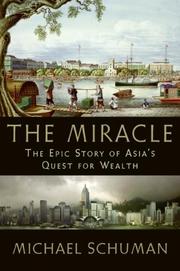
Asia's growth stories told through the people who drove them.
Recommended by: Mohnish Pabrai
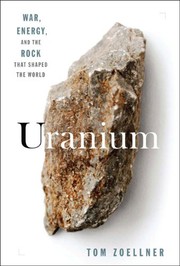

Harvard business historian; sets her brand-building against the whole industry.

Egypt from Nasser to Mubarak: its politics, economy and crony privatisations.

Why growth kept disappointing despite reform; good on institutions and productivity.

Video games from Atari and cartridge consoles to Nintendo and the global industry.
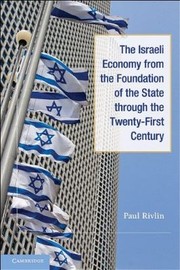
The wider economy: labour markets, defence spending, inflation and stabilisation.
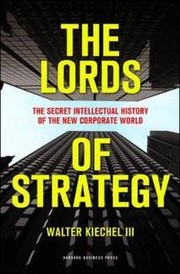
How BCG, Bain and McKinsey created the market for strategy itself.

Institutional history of the stabilisation that made the commodity boom possible.
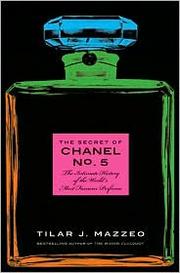
One product's history, including the Wertheimer deal that made the money.
Ten years of field data on what actually happened to seized farmland.
The critique of the transition's distributional cost.

How tobacco chemists engineered cigarettes, drawn from the industry's own documents.

Ethnic coalition politics as the mechanism that allocates economic rents.

How the Al-Thani family shaped modern Qatar and took hold of its gas wealth.

Declassified files on her Abwehr connection; contested by the house.

Egypt from Nasser to Tahrir Square, and its state-run economy and opening.

The commodity-boom decade and the institutions underneath it.

How Vietnam's Communist Party talked itself into opening the economy and joining WTO.

Modern Colombia through its reform years and the security-led recovery.

The society and politics a foreign investor in Samsung is buying into.

The 2010-12 euro-zone rescues and the national politics behind each one.
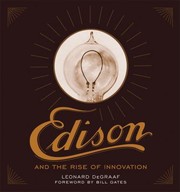
Edison's laboratory as a business, with pictures from his archive.

Gold's history from early kingdoms to the mining boom after the 2008 crisis.
Modern retelling with more on the stabilisation and the Rentenmark.

How physicists and mathematicians came to run money; useful context for Simons.
Recommended by: Eric Weinstein
Thailand's royal succession and the political violence and censorship around it.
Why US railroads declined under regulation and recovered after the Staggers Act.

Nuclear accidents, what went wrong in each, and what each taught about the atom.

African American co-operative economics, a history largely written out.

How Star Wars merchandise came to outgrow the films that created it.

Includes the Czech voucher scheme written up by people who designed and criticised it.

Dhaka's garment industry from Rana Plaza back through its supply chain.
Academic but decisive: the decline began decades before Chávez, and shows why.

Migration and openness as the source of Australia's long-run growth.

Brazil's long history and the roots of its inequality and patronage politics.

How modern Greece's state developed, up to the debt crisis that began in 2010.

Retrospective essays on the limits of the model and what comes next.

Detroit's Chapter 9 bankruptcy, the largest by a US city, from inside the case.

The Ansari X Prize and the start of commercial human spaceflight.

Israel's political history and the choices behind its economy.

How oil rebuilt Kuwait City and how land deals made its merchant fortunes.
Argues price stability always required a swing producer or cartel.

The long-run reconstruction of Spanish output and productivity.

Short critical history of the brothers and the studio style.

Oral history; Thiel and the PayPal cohort speak in their own words.

Spain's financial crisis, its bank rescue and the shape of the country's recovery.

How Walt Disney bet his company on building Disneyland.

Why Muslim-majority countries lag: an old alliance of clerics and military states.

History of the Vienna school as a network, including its financing and its export to the US.

How population change and migration made and unmade nations over two centuries.

The 2017 coup reported from inside, including its business backers.

Gas transit, trade dependence and the economics under the Ukraine-Russia conflict.

The 1920s Florida land boom and its collapse.
Recommended by: Morgan Housel

Hong Kong's 2019 protests, from the extradition bill to months of street battles.
Colonial economism and the debt-and-cotton origins of the modern Egyptian economy.
Modern Saudi Arabia's history, and whether its system can change as Vision 2030 asks.

Glencore, Vitol, Trafigura and Cargill; the definitive book on the trading houses.
Insider: two federal police delegates on the Lava Jato investigation.

Reporting on the endgame: PDVSA's decay, default, sanctions and dollarisation.

The social traits that the authors argue sustain Israel's success.
A contemporary's account of the long war between Athens and Sparta.
Recommended by: Ryan Holiday, Matt Mullenweg, Ray Dalio and 1 other

The original population-versus-resources argument that still frames the debate
Recommended by: Mohnish Pabrai

An abolitionist's life in slavery and his fight for the full freedom of Black people.
Recommended by: Ryan Holiday

Recommended by: Mohnish Pabrai
Recommended by: Patrick Collison
Recommended by: Ryan Holiday, Susan J. Fowler
A general's own account of his career, from West Point cadet to head of Union armies.
Recommended by: Jamie Dimon

The broad lines of European military history from 378 to 1515.
“Oman, The Art of War in the Middle Ages” — Paul Graham
Source: Rarely-Asked Questions — paulgraham.com
Recommended by: Paul Graham, Sam Altman

Recommended by: Patrick Collison
Recommended by: Balaji S. Srinivasan
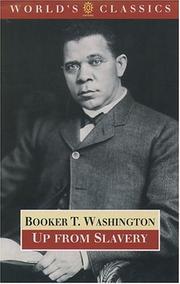
Recommended by: Sam Parr
Recommended by: Nat Eliason, Naval Ravikant


Recommended by: Patrick Collison
Recommended by: Patrick Collison
Recommended by: Patrick Collison, Ben Horowitz
Recommended by: Paul Graham


Recommended by: Ray Dalio

Recommended by: Mohnish Pabrai

How the Industrial Revolution's self-regulating market upended society.
Recommended by: Satya Nadella


Recommended by: Patrick Collison
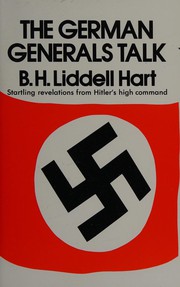
Interviews with German generals of the Second World War and their military lessons.
Recommended by: Patrick Collison, Paul Graham

Recommended by: Patrick Collison


Recommended by: Patrick Collison

How the concept of number evolved from prehistoric times to the twentieth century.
Recommended by: Bryan Johnson


Recommended by: Peter Thiel
Recommended by: Mohnish Pabrai

Narrative of the American West's mining and railroad fortunes
Recommended by: Charlie Munger
Recommended by: Marc Andreessen

Recommended by: Nick Szabo

Recommended by: Balaji S. Srinivasan

How cities developed, from Egypt and Mesopotamia through Greece and Rome to today.
Recommended by: Keith Rabois, Patrick Collison



Recommended by: Patrick Collison



“Runciman, The Fall of Constantinople” — Paul Graham
Source: Rarely-Asked Questions — paulgraham.com
Recommended by: Paul Graham

Recommended by: Patrick Collison


Recommended by: Patrick Collison, Marc Andreessen

Recommended by: Patrick Collison

Recommended by: Mohnish Pabrai
“Here are the most exciting ones I can think of: Clark, Civilisation” — Paul Graham
Source: Rarely-Asked Questions — paulgraham.com
Recommended by: Paul Graham
Recommended by: Patrick Collison

Recommended by: Marc Andreessen


Recommended by: Tim O’Reilly
Fifteenth-century Italian painting, and reading social history from its style.
Recommended by: Paul Graham

Recommended by: Nick Crocker

Recommended by: Mohnish Pabrai
How science developed, and the discoveries that set humans apart from other species.
Recommended by: Patrick Collison, Patrick O'Shaughnessy

Recommended by: Patrick O'Shaughnessy, Richard Branson and 2 others
Recommended by: Mohnish Pabrai
Recommended by: Patrick Collison

Recommended by: Mohnish Pabrai, Jamie Dimon

Cicero's speeches defending accused murderers, from Sextus Roscius to King Deiotarus.
Recommended by: Patrick Collison

Recommended by: Susan J. Fowler
Recommended by: Mohnish Pabrai

Recommended by: Mohnish Pabrai

“Girouard, Life in the English Country House” — Paul Graham
Source: Rarely-Asked Questions — paulgraham.com
Recommended by: Paul Graham

Recommended by: Patrick Collison
Recommended by: Patrick Collison
Dated but the only serious English work on Colombian manufacturing.
Recommended by: Mohnish Pabrai, David Sacks

Recommended by: Patrick Collison


Recommended by: Mohnish Pabrai, David Sacks, Larry Ellison
Recommended by: Nick Szabo

Recommended by: Paul Graham


A reference history of US securities markets from the 1929 crash to 1933.
Recommended by: Mohnish Pabrai

Recommended by: Paul Graham
Recommended by: Patrick Collison
Recommended by: Patrick Collison, Stewart Brand
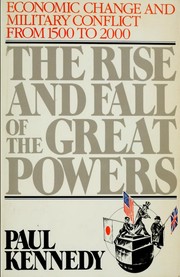
Military spending measured against the economy that has to carry it.
“The River Out of Eden by Richard Dawkins, The Rise and Fall of the Great Powers by Paul Kennedy” — Ray Dalio
Source: Ray Dalio Reddit AMA, r/IAmA (u/RayTDalio)
Recommended by: Ray Dalio, Michael Wong

Recommended by: Eric Weinstein

How economics copied the maths of 19th-century physics, and what that cost it.
“there's a wonderful book called More Heat Than Light by a professor named Phil Mirowski, which documents how economists mapped over equations from Newtonian physics” — Michael Mauboussin
Source: The Tim Ferriss Show #659 — official transcript
Recommended by: Michael Mauboussin, Eric Weinstein
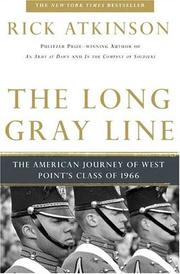
“I read a wonderful book recently called "The Long Gray Line," and it's by a gentleman named Rick Atkinson.” — Thomas Gayner
Source: Masters in Business transcript: Thomas S. Gayner, Markel Corp
Recommended by: Thomas Gayner

An interpretation of the New Deal and of the historians who have written on it.
Recommended by: Paul Graham

Memoir of the Cultural Revolution and Tiananmen; his only English-language book.
Recommended by: Mohnish Pabrai
An enquiry into nationalism since 1780: its programme, its myths and its reality.
Recommended by: Patrick Collison

Why Britain's empire after the Seven Years War struggled with the costs of power.
Recommended by: Mohnish Pabrai

Recommended by: Patrick Collison

Hard-to-find catalogue of Marcos-era crony deals; the source everyone else cites.
Recommended by: Mohnish Pabrai, Richard Branson

Recommended by: Mohnish Pabrai


Recommended by: Patrick Collison


Recommended by: Nassim Nicholas Taleb

Includes the Souk al-Manakh episode and the Kuwait Investment Office.
Recommended by: Mohnish Pabrai, Jamie Dimon
Why liberal democracy may be the end state of political change, and how people react.
Recommended by: Marc Andreessen, Peter Thiel


Recommended by: Paul Graham

Recommended by: Stewart Brand


Clarence Darrow's 1912 bribery trial in Los Angeles, and the lawyer's life around it.
Recommended by: Mohnish Pabrai


Recommended by: Stewart Brand

Recommended by: Patrick Collison


Recommended by: Patrick Collison
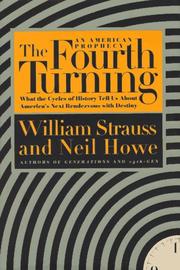
American history as a repeating cycle of four generational turnings, each 20 years.
Recommended by: Balaji S. Srinivasan, Mohnish Pabrai and 3 others
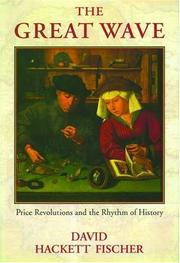
Eight centuries of price revolutions and what ended each one.
Recommended by: Balaji S. Srinivasan, Ryan Peterson

Recommended by: Jim Collins, Mohnish Pabrai, Jamie Dimon


Recommended by: Mohnish Pabrai
Recommended by: Mohnish Pabrai, Chamath Palihapitiya


Recommended by: Stewart Brand

Recommended by: Mohnish Pabrai


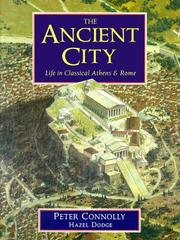
Drawn reconstructions of buildings that open up two ancient cities and their people.
Recommended by: Balaji S. Srinivasan, Paul Graham


Recommended by: Alfred Lin, Patrick O'Shaughnessy

Recommended by: Mohnish Pabrai


Recommended by: Mohnish Pabrai

A general's own account of his career, from West Point cadet to head of Union armies.
Recommended by: Mohnish Pabrai

Recommended by: Patrick Collison
Recommended by: Mohnish Pabrai, Jamie Dimon
Recommended by: Patrick Collison
Recommended by: Richard Branson

Morocco's history since 1830, and how its social relations changed over 150 years.

A narrative history of how the Roman Empire declined and fell.
Recommended by: Stewart Brand, Ray Dalio
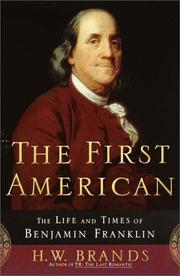
A life of Benjamin Franklin, the foremost American of his day.
Recommended by: Ev Williams

Recommended by: Patrick Collison

Recommended by: Mohnish Pabrai
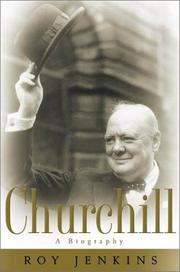

Recommended by: Marc Andreessen

The chief engineer on designing, building, testing and flying the lunar module.
Recommended by: Patrick Collison

How belief in one god shaped Western history, from religious wars to commandments.
Recommended by: Stewart Brand

Recommended by: Mohnish Pabrai

Recommended by: Brian Koppelman

Recommended by: Mohnish Pabrai

Recommended by: Mohnish Pabrai


Recommended by: Paul Graham


Maps in sequence of peoples in Europe and the Near East, from 50,000 BC to AD 362.
Recommended by: Paul Graham


Recommended by: Mohnish Pabrai
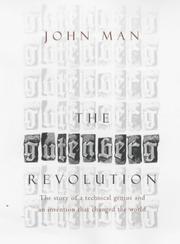
Recommended by: Antonio García Martínez

Boulton, Watt, Wedgwood, Erasmus Darwin and the Midlands friends who experimented.
Recommended by: Mohnish Pabrai, Patrick Collison


Recommended by: Mohnish Pabrai
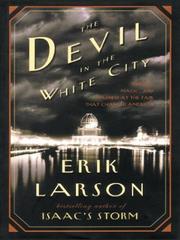
The 1893 Chicago World's Fair: its architect, and a serial killer working beside it.
Recommended by: Sahil Bloom, Sophie Bakalar

J. G. Boswell and the secret farming empire he ran in the heart of California.
Recommended by: Mohnish Pabrai

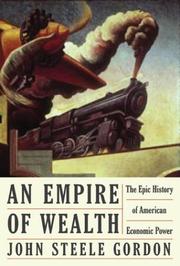
Cross-holdings, the state and who actually controls French companies.

Recommended by: Paul Graham
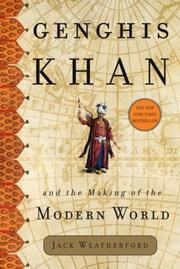
How the Mongol empire's trade and communication helped make the modern world.
Recommended by: Austen Allred, Ben Horowitz, Daymond John and 2 others
Recommended by: Ryan Holiday, Patrick O'Shaughnessy

Recommended by: Patrick Collison

Recommended by: Mohnish Pabrai, Morgan Housel
The 1918 flu: how it spread from a Kansas army camp and killed up to 100 million.
Recommended by: Bill Gates, Balaji S. Srinivasan


Recommended by: Mohnish Pabrai




Recommended by: Patrick Collison
The American fear of polio and the race for a cure, from the March of Dimes to Salk.
Recommended by: Bill Gates

Recommended by: Ryan Holiday

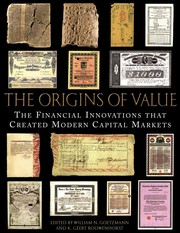
Financial innovations, from Mesopotamian interest and Chinese paper money onward.
Recommended by: Mohnish Pabrai


Recommended by: Patrick O'Shaughnessy, Ryan Holiday and 1 other
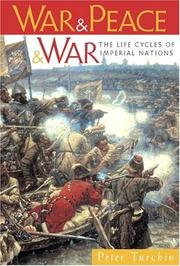
Recommended by: Balaji S. Srinivasan



Recommended by: Patrick Collison, Bret Victor, Kevin Kelly

Property rights, land and violence as a continuous economic story.

Recommended by: Patrick Collison
Recommended by: Patrick Collison

Nearly a thousand years of Islamic rule in Spain from 711, and its mark on Europe.
Recommended by: Paul Graham

How Marie Antoinette used fashion as a political weapon, and how it led to her fall.
Recommended by: Sheryl Sandberg
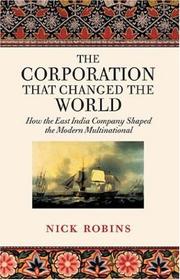
The East India Company, from spice trader to ruler of India: the first multinational.
Recommended by: Patrick Collison
Recommended by: Mohnish Pabrai

How a New York Times reporter's coverage of Castro shaped American views of Cuba.
Recommended by: Balaji S. Srinivasan
Recommended by: Mohnish Pabrai

Recommended by: Patrick Collison
Recommended by: Patrick Collison
Recommended by: Patrick Collison, Frank Blake
How Britain's Glorious Revolution of 1688-89 shaped the ideals of America's founders.
Recommended by: Mohnish Pabrai

Recommended by: Mohnish Pabrai
France's maps, migrations, languages and tribal disputes, from 1789 to 1914.
Recommended by: Mohnish Pabrai, Tyler Cowen
The Great Depression told through the stories of the common people who endured it.
Recommended by: Balaji S. Srinivasan
Revolutions in power, transport, communication and organisation that made big firms.
Recommended by: Paul Graham

Recommended by: Bill Gates



The copper enclave before nationalisation: labour, Anaconda and Kennecott.
Nixon's political career from Congress to the White House and the strategies he used.
Recommended by: Patrick Collison

Chinese people who push for justice and freedom under an authoritarian state.
Recommended by: Patrick Collison
Recommended by: Patrick Collison

The 1991-2008 transition; explains where the industrial assets came from.
Money and power inside the Metropolitan Museum.

How lactose tolerance, malaria resistance and blue eyes evolved in 10,000 years.
Recommended by: Mohnish Pabrai, Nick Szabo


Economics applied to pirates: why they behaved as they did and why they succeeded.
Recommended by: Mohnish Pabrai

Recommended by: Emmett Shear

Recommended by: Naval Ravikant
Recommended by: Mohnish Pabrai, Stewart Brand

Recommended by: Patrick Collison
Recommended by: Andrew Wilkinson, Mohnish Pabrai and 1 other

Recommended by: Mohnish Pabrai
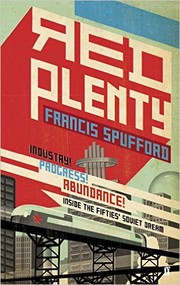
The late 1950s, when the Soviet planned economy seemed briefly to deliver abundance.
Recommended by: Patrick Collison

Recommended by: Mohnish Pabrai

Recommended by: Mohnish Pabrai


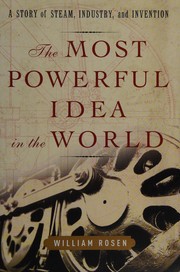
Recommended by: Bill Gates, Mohnish Pabrai, Nick Szabo
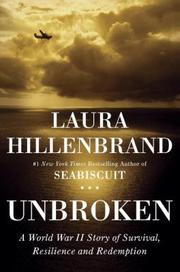
Recommended by: Andrew Wilkinson, Mohnish Pabrai

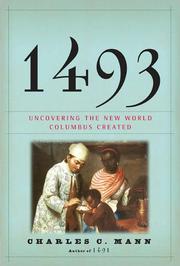
Recommended by: Mohnish Pabrai

Recommended by: Patrick Collison, Raoul Pal
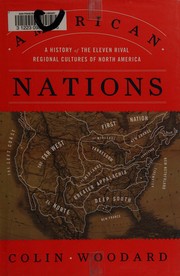

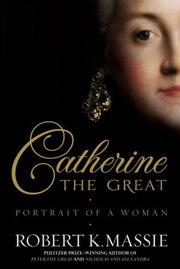

Recommended by: Patrick Collison

Recommended by: Balaji S. Srinivasan, Bill Gates

Recommended by: Andrew Wilkinson, Ryan Holiday
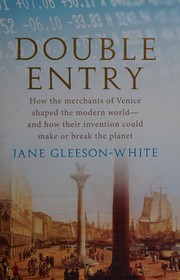
Recommended by: Mohnish Pabrai
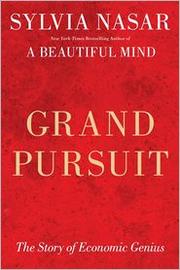
Recommended by: Mohnish Pabrai
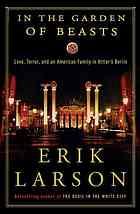


Recommended by: Mohnish Pabrai
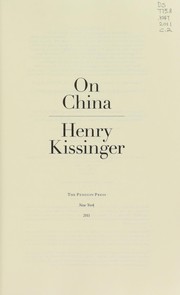
China's history and its ties with the West, drawn from talks with Chinese leaders.
Recommended by: Mohnish Pabrai

The policies that moved Taiwan's economy from agriculture to electronics.

Recommended by: Mohnish Pabrai

Recommended by: Marc Andreessen, Mark Zuckerberg and 2 others
Recommended by: Mohnish Pabrai

Recommended by: Balaji S. Srinivasan

General portrait, not a business book, but the only readable account of the country's institutions.


Recommended by: Mohnish Pabrai
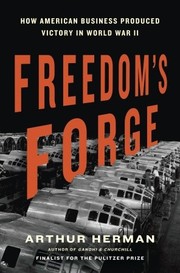
How Knudsen and Kaiser led America's industrial build-up for the Second World War.
“One of the best books I've read, it's a great story of industrial production and heroes.” — Christopher Bloomstran
Source: Semper Augustus 2020 Letter to Clients, 'To Read or Not to Read', p. 57
Recommended by: Christopher Bloomstran, Patrick Collison
Recommended by: Patrick Collison


Recommended by: Patrick Collison

Four centuries of New Yorkers' diaries, from Henry Hudson to Mark Twain and on.
Recommended by: Patrick Collison


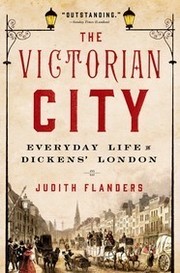
Recommended by: Mohnish Pabrai
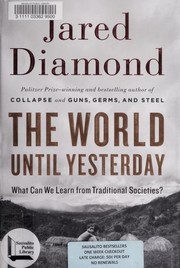
Recommended by: Bill Gates, Mohnish Pabrai
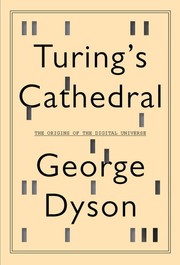
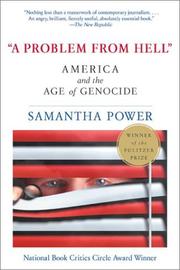
Recommended by: Patrick Collison

Recommended by: Mohnish Pabrai
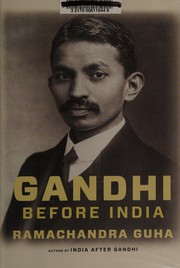

Recommended by: Patrick Collison

Recommended by: Zoë Foster Blake, Caterina Fake and 1 other

Recommended by: Patrick Collison

Recommended by: Mohnish Pabrai

America in the summer of 1927: a booming stock market, a great flood and more.
Recommended by: Andrew Wilkinson
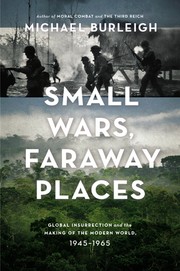
Recommended by: Patrick Collison

The University of Washington's 1936 eight-oar crew and their quest for Olympic gold.
Recommended by: Jim Collins, Satya Nadella

Recommended by: Bill Gates, Mohnish Pabrai, Sophie Bakalar
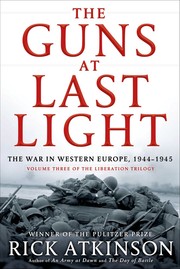

Recommended by: Mohnish Pabrai

Recommended by: Mohnish Pabrai
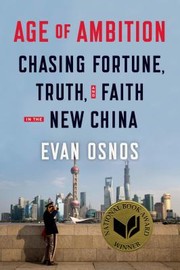
Recommended by: Nick Crocker, Patrick Collison

Recommended by: Patrick Collison

“a book that historian Will Durant wrote in his 90s, a summation of his thoughts on the meaning of life at the end of his” — Andrew Wilkinson
Source: Newsletter
Recommended by: Andrew Wilkinson, Matt Mullenweg and 1 other

Recommended by: Mohnish Pabrai, Patrick Collison
Recommended by: Mohnish Pabrai
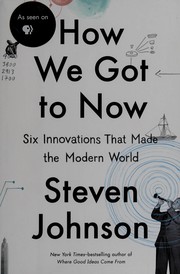
Recommended by: Mohnish Pabrai, Chris Dixon

Recommended by: Mohnish Pabrai

How ancient Greek heroes' secrets of strength live on in Crete, via a WWII kidnap.
Recommended by: Patrick O'Shaughnessy

Extortion at Domaine de la Romanee-Conti.

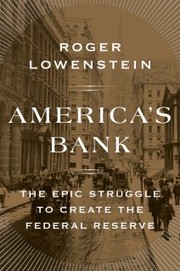
How the Federal Reserve was argued into existence, from the 1907 panic to 1913.
Recommended by: Seth Klarman


Recommended by: Patrick Collison


Recommended by: Paul Graham
A second collection of notable letters, correspondence deserving a wider audience.
Recommended by: Zoë Foster Blake

The Pacific Ocean's geology and history, and its role in the modern world.
Recommended by: Patrick Collison

Recommended by: Patrick Collison




Recommended by: Nick Szabo
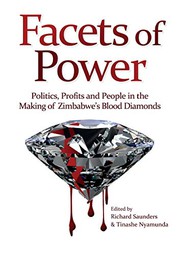
The Marange diamond fields; how an extractive rent was captured militarily.


Recommended by: Patrick Collison

Recommended by: Patrick Collison


Recommended by: Chamath Palihapitiya


Recommended by: Alexey Moiseenkov
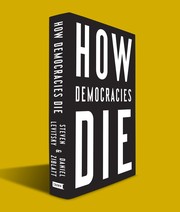
Recommended by: Barack Obama, Julian Shapiro

The 1918 Spanish flu, which killed 50 to 100 million, through history and science.
Recommended by: Balaji S. Srinivasan

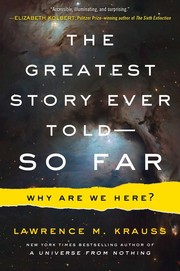
Recommended by: Eric Weinstein

Institutional history of interconnection and who controls it.

Recommended by: Balaji S. Srinivasan

Recommended by: Marc Andreessen

Recommended by: Aileen Lee, Austen Allred, Keith Rabois and 1 other
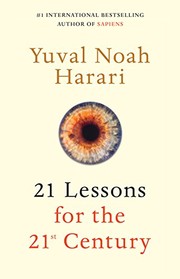
Twenty-one essays on today's challenges, from technology and politics to truth.
Recommended by: Bill Gates, Alfred Lin, Anna Cheng and 4 others


How Rome's republican institutions broke down and the Republic fell into tyranny.
Recommended by: Evan Spiegel

The whole of history, from the big bang through the present and into the far future.
Recommended by: Bill Gates

Recommended by: Balaji S. Srinivasan, Guy Spier

How presidents from Madison to Lyndon Johnson took America to war and gained power.
Recommended by: Bill Gates


Recommended by: Bill Gates, Casey Neistat, Daniel Petre

Recommended by: Balaji S. Srinivasan, Ryan Holiday

The little-known offences of the British crown against its own American subjects.
Recommended by: Donald Trump

Conversations with leading historians.


Why liberty is hard to win and keep, and how it can survive new threats.
Recommended by: Satya Nadella

Recommended by: Austen Allred, Jordan Hughes

Published in Chinese only; no English edition exists.


How Dyson, Feynman, Schwinger and Tomonaga built quantum electrodynamics.
Recommended by: Eric Weinstein


Churchill's first year as prime minister, from Dunkirk through the Blitz.
“…books I've recommended, highlighted to death, or forced on friends.” — Andrew Wilkinson
Source: Andrew Wilkinson's Bookshelf, neverenough.com
Recommended by: Andrew Wilkinson, Bill Gates and 4 others


Recommended by: Marc Andreessen


Recommended by: Balaji S. Srinivasan

Joseph Kennedy's contested years as US ambassador to Britain on the eve of war.
Recommended by: Marc Andreessen

Subtitled Dialogues on a Dream.



Recommended by: Andrew Wilkinson


How information networks, from the Stone Age to AI, have made and unmade societies.
Recommended by: Andrew Wilkinson


The 1929 Wall Street crash: the greed and folly behind America's greatest collapse.
Recommended by: Bill Gates, Howard Marks
W. W. Norton, August 2025; confirmed by his 2026 WSJ author bio line
Recommended by: Bret Victor

Recommended by: Andrew Wilkinson, Bill Gates



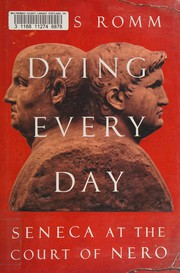


Recommended by: Tim Ferriss
Recommended by: Mohnish Pabrai

Recommended by: Mohnish Pabrai
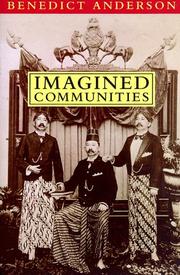


Recommended by: Tim Ferriss
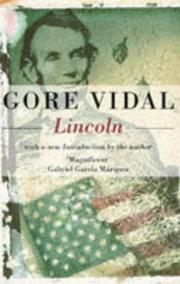

How Partition shaped the troubled histories of India, Pakistan and Bangladesh.
Recommended by: Mohnish Pabrai
Argues that the Arab conquests ended Roman Europe and opened the Dark Ages.
Recommended by: Paul Graham

Spartans' everyday lives and customs: constant training, self-denial and hardship.
Recommended by: Ryan Holiday
The coming of the machine age in Britain, 1660 to 1886, through eyewitness writings.
Recommended by: Sam Altman



How Napoleon's rise, wars and fall carried Europe from Enlightenment to democracy.
Recommended by: Elon Musk, Larry Ellison


The 1578 battle in Morocco that destroyed Portugal's King Sebastian and his army.
Recommended by: Graham Duncan, Paul Graham
Recommended by: Nick Szabo


Recommended by: Stewart Brand

Recommended by: Patrick O'Shaughnessy



 Vaclav Smilwrote 5 books here
 Niall Fergusonwrote 5 books here
 James Grantwrote 4 books here
 Ron Chernowwrote 3 books here
 David M. Rubensteinwrote 3 books here
 Walter Isaacsonwrote 3 books here
 Barry Eichengreenwrote 2 books here
Show all 34
 Frederick Lewis Allenwrote 2 books here
 Steven Levywrote 2 books here
 Henry Kissingerwrote 2 books here
 Andrew S. Grovewrote 1 book here
 Daniel Yerginwrote 1 book here
 John Kenneth Galbraithwrote 1 book here
 Peter F. Druckerwrote 1 book here
 Andrew Ross Sorkinwrote 1 book here
 Matt Ridleywrote 1 book here
 Anders Aslundwrote 1 book here
 David Kynastonwrote 1 book here
 Alan Greenspanwrote 1 book here
 Benjamin Franklinwrote 1 book here
 Lee Kuan Yewwrote 1 book here
 Mohnish Pabrairecommends 136 books here
 Patrick Collisonrecommends 130 books here
 Paul Grahamrecommends 55 books here
 Bill Gatesrecommends 44 books here
 Stewart Brandrecommends 32 books here
 Marc Andreessenrecommends 31 books here
 Balaji S. Srinivasanrecommends 27 books here
 Ryan Holidayrecommends 16 books here
 Jamie Dimonrecommends 12 books here
Show all 138
 Ray Daliorecommends 9 books here
 Eric Weinsteinrecommends 8 books here
 Keith Raboisrecommends 8 books here
 Naval Ravikantrecommends 8 books here
 Elon Muskrecommends 7 books here
 Sam Altmanrecommends 7 books here
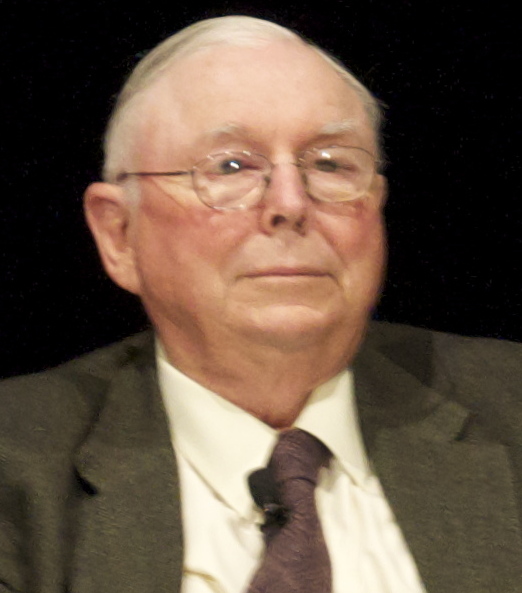 Charlie Mungerrecommends 6 books here
 Jim Collinsrecommends 6 books here
 Brad Feldrecommends 6 books here
 Richard Bransonrecommends 6 books here
 Ryan Petersonrecommends 6 books here
 Satya Nadellarecommends 6 books here
 Tim Ferrissrecommends 6 books here
 Chris Dixonrecommends 5 books here
 Larry Ellisonrecommends 5 books here
 Matt Mullenwegrecommends 5 books here
 Ben Horowitzrecommends 4 books here
 Peter Thielrecommends 4 books here
 Alfred Linrecommends 4 books here
 Mark Zuckerbergrecommends 4 books here
 Nassim Nicholas Talebrecommends 3 books here
 Reid Hoffmanrecommends 3 books here
 Bryan Johnsonrecommends 3 books here
 Casey Neistatrecommends 3 books here
 Ev Williamsrecommends 3 books here
 Scott Belskyrecommends 3 books here
 Susan J. Fowlerrecommends 3 books here
 Vinod Khoslarecommends 3 books here
 Zoë Foster Blakerecommends 3 books here
 Howard Marksrecommends 2 books here
 Warren Buffettrecommends 2 books here
 Tyler Cowenrecommends 2 books here
 Simon Sinekrecommends 2 books here
 Antonio García Martínezrecommends 2 books here
 Bob Igerrecommends 2 books here
 Bret Victorrecommends 2 books here
 Caterina Fakerecommends 2 books here
 Chamath Palihapitiyarecommends 2 books here
 David Sacksrecommends 2 books here
 Emmett Shearrecommends 2 books here
 Tim O’Reillyrecommends 2 books here
 Tony Robbinsrecommends 2 books here
 Eric Schmidtrecommends 1 book here
 Kevin Kellyrecommends 1 book here
 Prem Watsarecommends 1 book here
 Seth Klarmanrecommends 1 book here
 David Heinemeier Hanssonrecommends 1 book here
 Guy Spierrecommends 1 book here
 Aileen Leerecommends 1 book here
 Alex Blumbergrecommends 1 book here
 Arianna Huffingtonrecommends 1 book here
 Audrey Gelmanrecommends 1 book here
 Barack Obamarecommends 1 book here
 Ben Silbermannrecommends 1 book here
 Bernard Baruchrecommends 1 book here
 Brett Adcockrecommends 1 book here
 Brian Armstrongrecommends 1 book here
 Daymond Johnrecommends 1 book here
 Donald Trumprecommends 1 book here
 Ed Cookerecommends 1 book here
 Evan Spiegelrecommends 1 book here
 Gary Vaynerchukrecommends 1 book here
 Jack Dorseyrecommends 1 book here
 James Cameronrecommends 1 book here
 Jeff Bezosrecommends 1 book here
 John Arnoldrecommends 1 book here
 John Crowleyrecommends 1 book here
 Justin Kanrecommends 1 book here
 Kevin Systromrecommends 1 book here
 Laura R Walkerrecommends 1 book here
 Max Levchinrecommends 1 book here
 Peter Attiarecommends 1 book here
 Sheryl Sandbergrecommends 1 book here
 Stewart Butterfieldrecommends 1 book here
 Tim Cookrecommends 1 book here
 Tobi Lütkerecommends 1 book here
 Travis Kalanickrecommends 1 book here