Financial History
Holds histories of money, banking, bubbles, crashes, hyperinflations and Wall Street.
Start here
- Extraordinary Popular Delusions and the Madness of CrowdsCharles Mackay, 1841
- The Great Crash 1929John Kenneth Galbraith, 1955
- A History of Interest RatesSidney Homer, Richard Sylla, 1963
- When Money DiesAdam Fergusson, 1975
- The House of Morgan: An American Banking Dynasty and the Rise of Modern FinanceRon Chernow, 1990
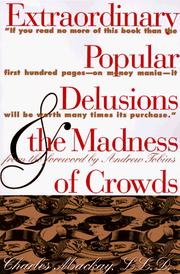
Crowd manias from the Mississippi scheme and South Sea Bubble to witch trials.
“The first couple of chapters of this book, which describes in detail the great financial and stock market manias of the eighteenth century, are essential reading for all serious investors.” — Barton Biggs
Source: Biggs on the first chapters as essential reading
Recommended by: Barton Biggs, Bernard Baruch, Peter Cundill and 2 others
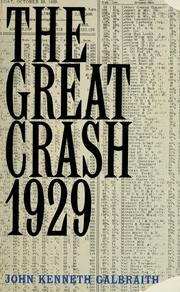
The late-1920s boom in margin loans and investment trusts, and the 1929 crash.
Recommended by: Mohnish Pabrai
Interest rates from Babylonian lending through Rome and Europe to modern bonds.
Recommended by: Mohnish Pabrai
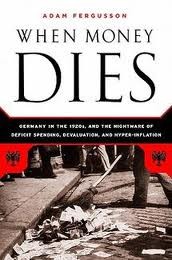
What Germany's 1921 to 1923 hyperinflation did to ordinary people's lives.
Recommended by: Balaji S. Srinivasan
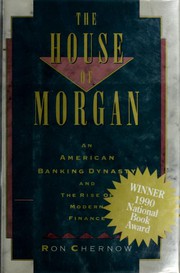
The Morgan banks from 1830s London to J.P. Morgan and Morgan Stanley in the 1980s.
Recommended by: Mohnish Pabrai, Paul Graham
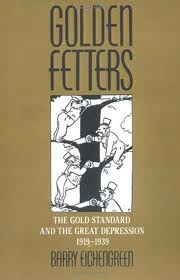
How the gold standard spread the Depression, and why leaving it early meant recovery.
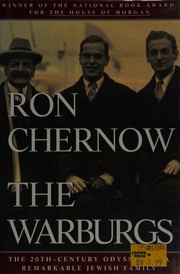
Two centuries of a Jewish banking family from Hamburg to London and New York.
Recommended by: Mohnish Pabrai
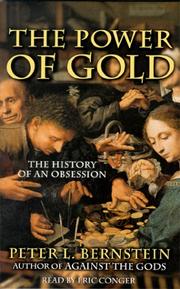
Gold from ancient Egypt and Lydian coins to the end of Bretton Woods.
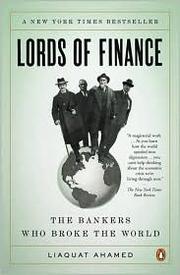
How four central bankers and the gold standard turned a slump into the Depression.
“I'm going to use "classic" again but rightfully so.” — Christopher Bloomstran
Source: Semper Augustus 2020 Letter to Clients, 'To Read or Not to Read', p. 57
Recommended by: Christopher Bloomstran, Mohnish Pabrai
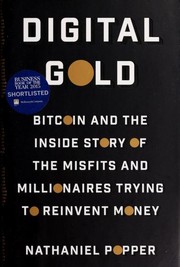
The rise of Bitcoin and the people trying to build a new money for the internet.
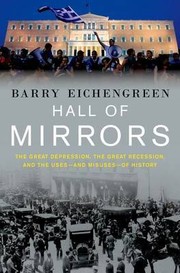
How 1930s lessons guided policy in 2008, averting a depression but adding errors.
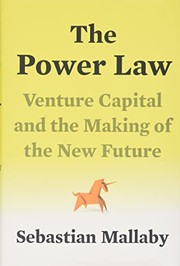
Venture capital from Arthur Rock to SoftBank, and why a few big bets pay for all.
Recommended by: Andrew Wilkinson, Anthony Pompliano and 4 others
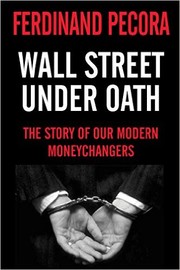
The 1933 Senate hearings exposing bankers' practices that led to securities laws.
“It's a passage from one of my favorite books, "Wall Street Under Oath.” — Howard Marks
Source: Oaktree memo 'Learning From Enron'
Recommended by: Howard Marks
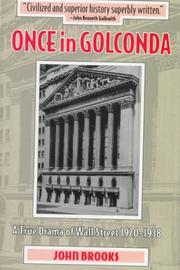
Wall Street from 1920 to 1938: the boom, the crash, the Depression and reform.
Recommended by: Mohnish Pabrai, Brendan Moynihan
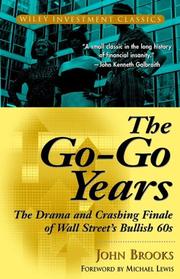
Wall Street in the 1960s: performance funds, conglomerates and the paperwork crisis.
“Both books are outstanding histories of Rockefeller and Standard Oil and then of the booming 1960s.” — Christopher Bloomstran
Source: Semper Augustus 2022 Letter to Clients, 'Books and Stuff', p. 75
Recommended by: Christopher Bloomstran, Mohnish Pabrai

Germany's 1914 to 1923 inflation, with a more sympathetic view of its policy.
Monthly data tested against explanations of Germany's 1919 to 1923 inflation.

The full political, social and economic history of Germany's 1914 to 1924 inflation.
How Swiss bankers kept Jewish deposits and helped Nazis hide looted money.
The best single narrative of 1929 itself.
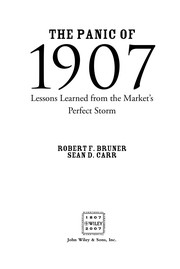
The 1907 panic day by day, from a failed copper corner to J.P. Morgan's rescue.
Recommended by: Mohnish Pabrai and 1 other

The Dutch tulip episode of 1636 and 1637 from archives, and how its legend arose.
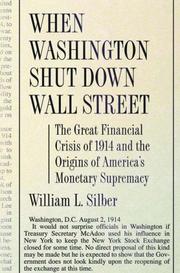
The 1914 closure of the exchange, and how the dollar took over.
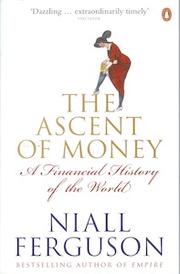
The history of finance by instrument: credit, bonds, stocks, insurance and property.
Recommended by: Mohnish Pabrai, Max Levchin, Raoul Pal and 2 others
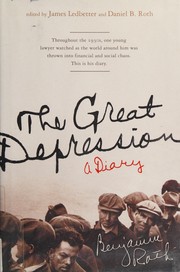
An Ohio lawyer's diary of the Depression years as he lived through them.
Recommended by: Mohnish Pabrai, Morgan Housel and 1 other

The 1944 Bretton Woods conference as a contest between Keynes and Harry Dexter White.

Why bankers kept lending to Philip II of Spain despite four payment suspensions.
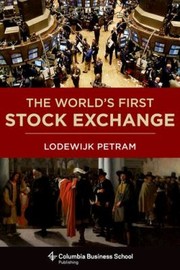
How trading in Dutch East India Company shares grew into the first stock market.
Insider: the reporters who received and worked the Mossack Fonseca leak.
The Austrian account of 1929 and the policy response that followed
“It's a timeless and timely classic.” — Christopher Bloomstran
Source: Semper Augustus 2020 Letter to Clients, 'To Read or Not to Read', p. 57
Recommended by: Christopher Bloomstran, Mohnish Pabrai

The Melbourne property mania and bank collapses of the 1890s.
The definitive study of the bank failure that broke Central European finance.
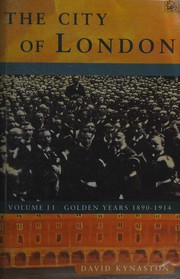
The four-volume history of the world's oldest continuous financial centre.

Companion investigation into Swiss banks and looted wartime assets.
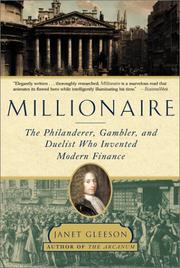
John Law, the Mississippi bubble and the invention of paper money in France.
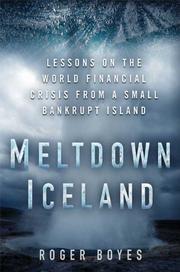
Contemporaneous reporting on the collapse and the Icesave dispute.
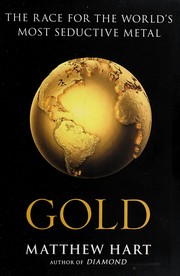
Gold's history from early kingdoms to the mining boom after the 2008 crisis.
Modern retelling with more on the stabilisation and the Rentenmark.
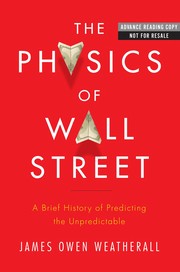
How physicists and mathematicians came to run money; useful context for Simons.
Recommended by: Eric Weinstein
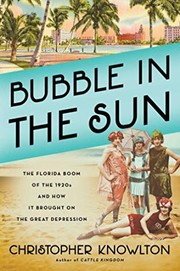
The 1920s Florida land boom and its collapse.
Recommended by: Morgan Housel
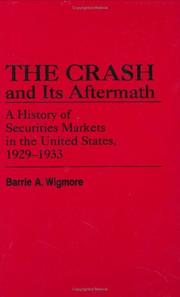
A reference history of US securities markets from the 1929 crash to 1933.
Recommended by: Mohnish Pabrai
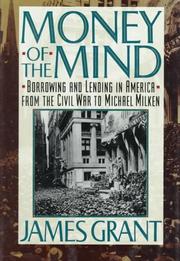
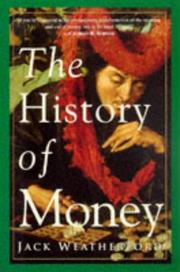
Recommended by: Alfred Lin, Patrick O'Shaughnessy
Recommended by: Mohnish Pabrai
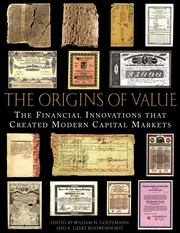
Financial innovations, from Mesopotamian interest and Chinese paper money onward.
Recommended by: Mohnish Pabrai
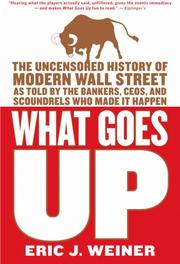
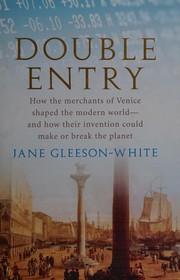
Recommended by: Mohnish Pabrai
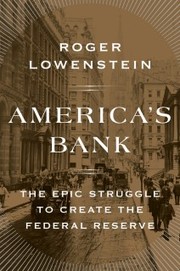
How the Federal Reserve was argued into existence, from the 1907 panic to 1913.
Recommended by: Seth Klarman
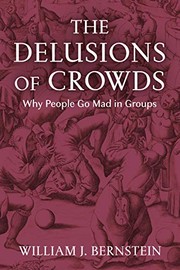
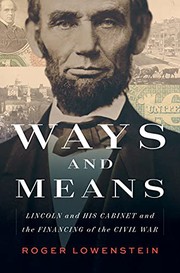
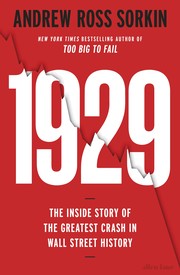
The 1929 Wall Street crash: the greed and folly behind America's greatest collapse.
Recommended by: Bill Gates, Howard Marks
 Barry Eichengreenwrote 2 books here
 Ron Chernowwrote 2 books here
 James Grantwrote 1 book here
 John Kenneth Galbraithwrote 1 book here
 Andrew Ross Sorkinwrote 1 book here
 Niall Fergusonwrote 1 book here
Show all 13

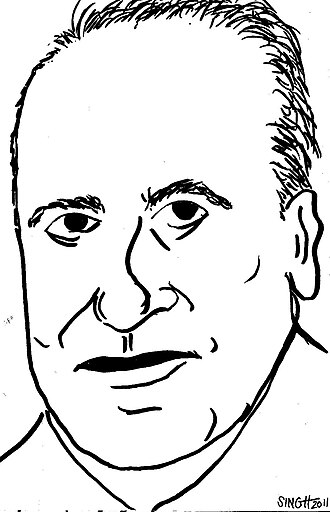 Mohnish Pabrairecommends 17 books here
 Howard Marksrecommends 2 books here
 Paul Grahamrecommends 2 books here
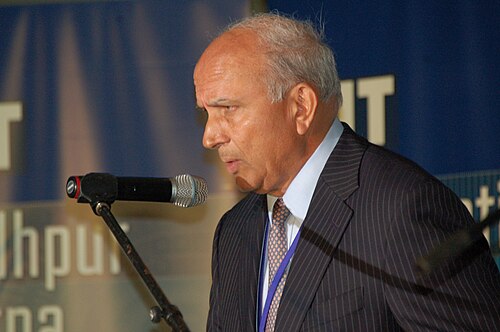 Prem Watsarecommends 1 book here
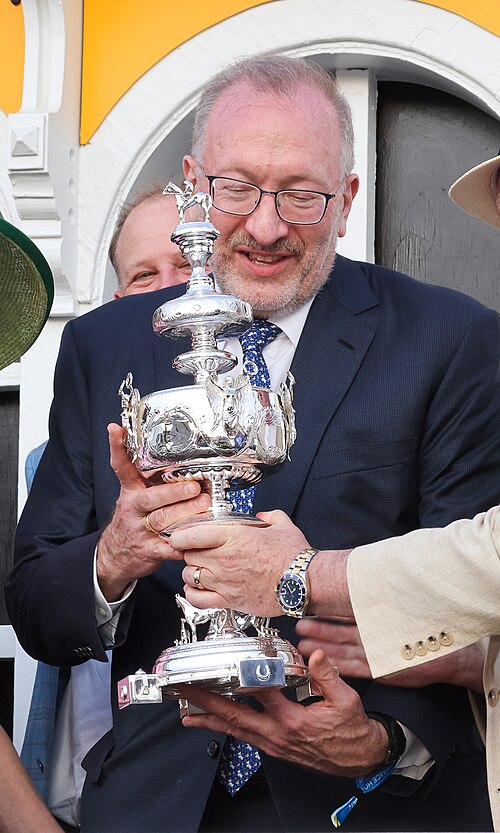 Seth Klarmanrecommends 1 book here
 Alfred Linrecommends 1 book here
Show all 27
 Balaji S. Srinivasanrecommends 1 book here
 Bernard Baruchrecommends 1 book here
 Bill Gatesrecommends 1 book here
 Eric Weinsteinrecommends 1 book here
 Max Levchinrecommends 1 book here
 Patrick Collisonrecommends 1 book here
 Ryan Petersonrecommends 1 book here
 Vinod Khoslarecommends 1 book here