Bankers, financiers and Wall Street firms
Histories of banking houses such as Morgan, Rothschild, Goldman Sachs and Lazard, and of the dealmakers, raiders and traders of Wall Street and the City.
Start here
- Morgan: American FinancierJean Strouse, 1999
- Other People's Money and How the Bankers Use ItLouis D. Brandeis, 1914
- The Great Pierpont MorganFrederick Lewis Allen, 1949
- The Go-Go YearsJohn Brooks, 1973
- The Morgans: Private International Bankers, 1854-1913Vincent P. Carosso, 1987
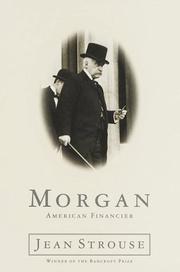
J. Pierpont Morgan's life, drawn from family and business papers others had not used.
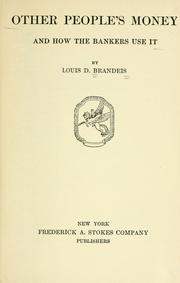
How bankers used depositors' money to control industry, from the Pujo inquiry.
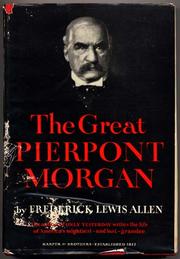
J. P. Morgan from the Civil War to 1913: railroads, US Steel and rescues.
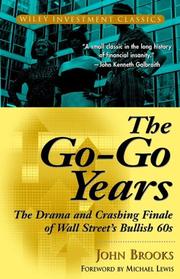
Wall Street in the 1960s: performance funds, conglomerates and the paperwork crisis.
“Both books are outstanding histories of Rockefeller and Standard Oil and then of the booming 1960s.” — Christopher Bloomstran
Source: Semper Augustus 2022 Letter to Clients, 'Books and Stuff', p. 75
Recommended by: Christopher Bloomstran, Mohnish Pabrai
The House of Morgan from Peabody's London firm to J. Pierpont Morgan's death in 1913.
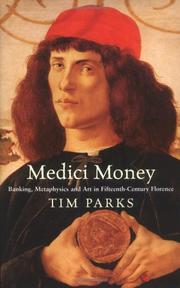
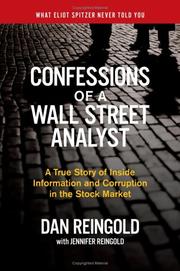
A telecom analyst on the conflicts of interest in research during the 1990s bubble.

How Banco Santander grew from a Spanish regional bank into a global one.
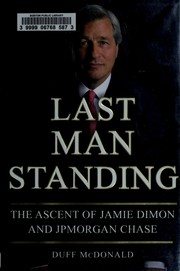
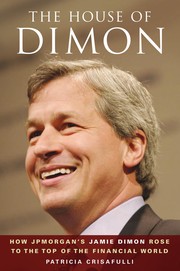
Jamie Dimon's career and how JPMorgan Chase came through the 2008 crisis.
Commissioned institutional history, written before the fall.
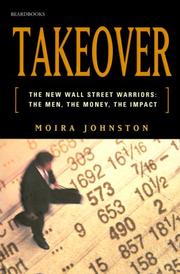
Contemporary reporting on the raiders, including his Phillips Petroleum fight.
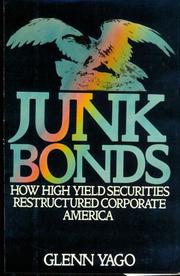

The rival account, published months after Barbarians.
British view of Drexel; more interested in the instrument than the man.
The Robinson years, Shearson, and the boardroom unravelling.
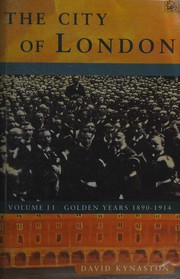
The four-volume history of the world's oldest continuous financial centre.
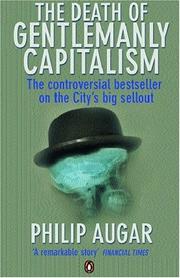
How Big Bang handed the City's investment banks to foreign owners.
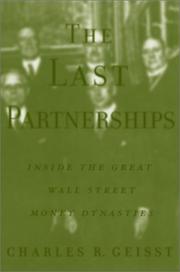
History of the private Wall Street houses, Salomon included
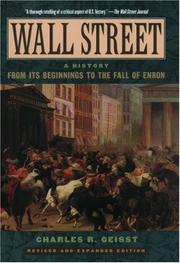
A single-volume history of Wall Street and its institutions.
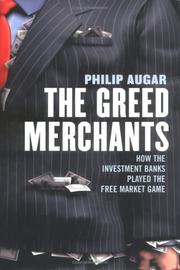
How the integrated investment bank extracts its economics from clients.
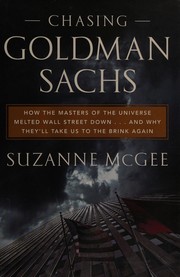
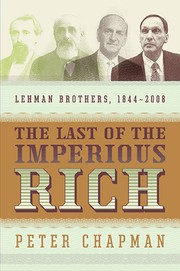
The long institutional history, cotton broker to bankruptcy.
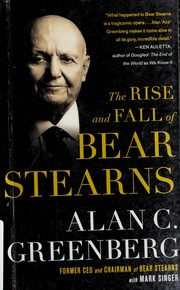
Memoir by the firm's longtime chairman 'Ace' Greenberg.

Ex-banker turned sociologist on organizational drift.
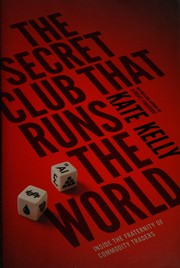
Commodity desks at banks and funds after the 2008 boom.
Authorised modern history of HSBC, the territory's dominant financial institution.
Barclays' thirty-year attempt to become a global investment bank.

Recommended by: Mohnish Pabrai
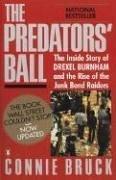
How Milken's Drexel junk-bond desk financed the 1980s buyouts and hostile takeovers.
Recommended by: Mohnish Pabrai
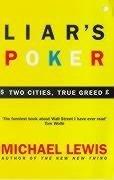
Life on Salomon Brothers' bond trading floor in the 1980s mortgage-bond boom.
“I do believe, as Michael Lewis writes in his intriguing 1989 book, "Liar's Poker," that it is unlikely that an individual unable to buck convention in one's life will suddenly be able to buck…” — Michael Burry
Source: MSN Money Strategy Lab journal, March 2, 2001 — archived
Recommended by: Michael Burry, Mohnish Pabrai, Nat Eliason and 3 others
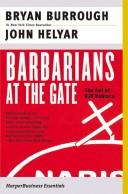
The 1988 bidding war for RJR Nabisco, the largest leveraged buyout to that date.
Recommended by: Jim Collins, Mohnish Pabrai and 1 other
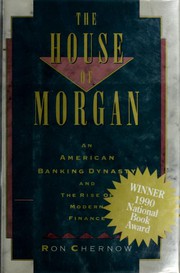
The Morgan banks from 1830s London to J.P. Morgan and Morgan Stanley in the 1980s.
Recommended by: Mohnish Pabrai, Paul Graham
The inside story of Nomura, the Japanese securities house.
Recommended by: Mohnish Pabrai
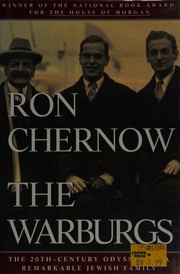
Two centuries of a Jewish banking family from Hamburg to London and New York.
Recommended by: Mohnish Pabrai
Commissioned history, written long before the run.
Steve Ross's path from funeral homes and parking lots to the Time Warner merger.
Recommended by: Mohnish Pabrai, Charlie Munger
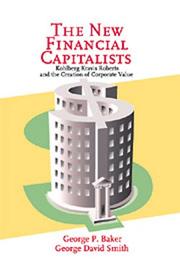
Academic and broadly favorable.
Recommended by: Mohnish Pabrai
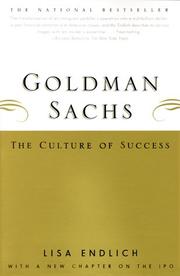
Goldman Sachs to its 1999 IPO, with a focus on its partnership culture.
Recommended by: Mohnish Pabrai
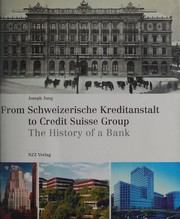
Authorised 150-year corporate history
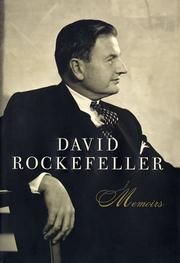
Life as John D. Rockefeller Jr.'s youngest son, from Harvard to wartime intelligence.
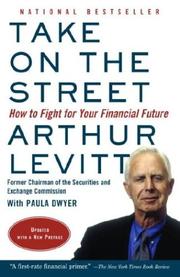
How small investors can protect themselves from Wall Street's confusing practices.
Recommended by: Warren Buffett
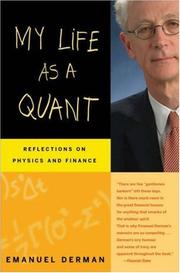
Physicist to Goldman; the making of the volatility-surface era.
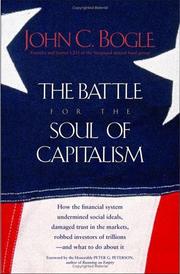
How managers and middlemen took value from the owners of American companies.
Recommended by: Mohnish Pabrai, Mr. Money Mustache
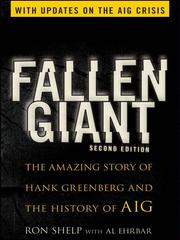
Pre-crisis; by a former AIG executive.
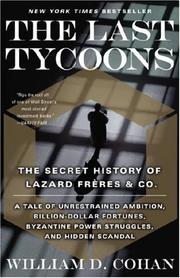
The history of Lazard Freres and its partners, from interviews and internal papers.
Recommended by: Mohnish Pabrai
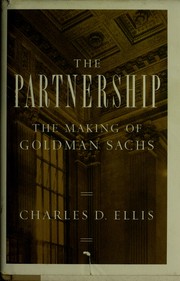
Goldman Sachs from Marcus Goldman's commercial paper to its 1999 public offering.
Recommended by: Mohnish Pabrai
Recommended by: Mohnish Pabrai
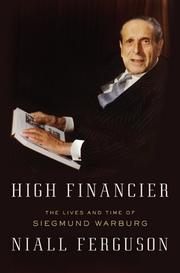
Siegmund Warburg, who fled Germany and founded S.G. Warburg in London.
Recommended by: Mohnish Pabrai
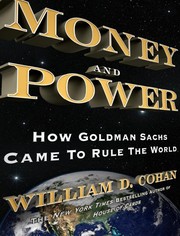
Goldman Sachs from Marcus Goldman to the 2008 crisis, from internal documents.
Recommended by: Mohnish Pabrai
Insider resignation memoir that began as an op-ed.
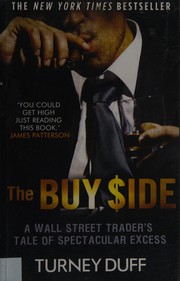
A trader's memoir of Wall Street's after-hours world of drugs, sex and commissions.
Recommended by: Mohnish Pabrai
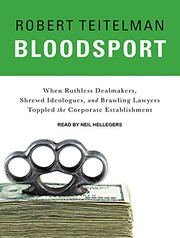
Recommended by: Mohnish Pabrai
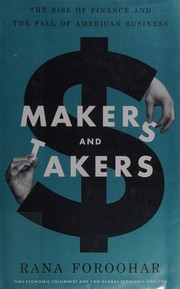
Insider memoir of the trading floor culture.
The Rothschild banks of five cities from 1798 to 1999, from the family archive.
Recommended by: Mark Zuckerberg
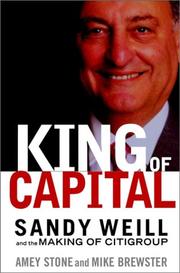
Recommended by: Mohnish Pabrai

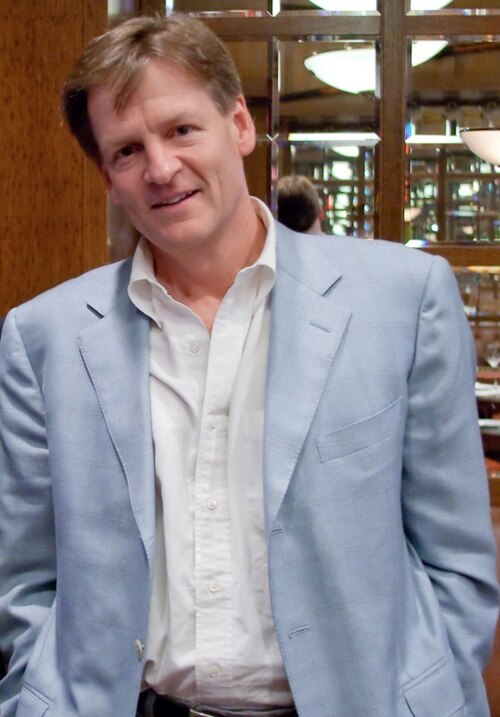 Michael Lewiswrote 2 books here
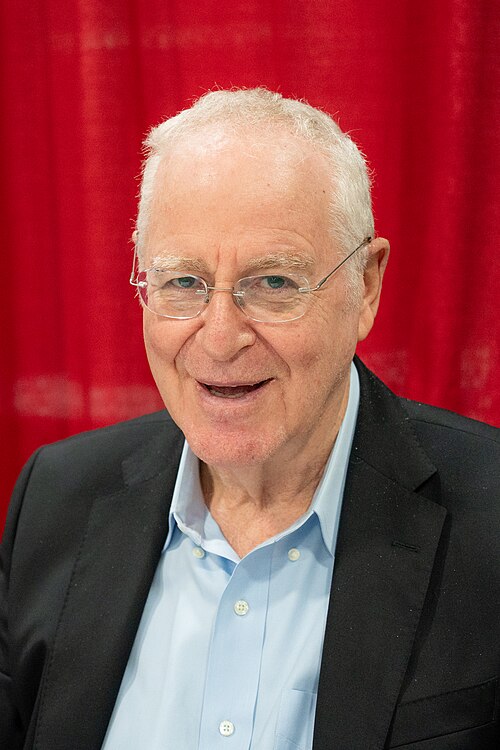 Ron Chernowwrote 2 books here
 Niall Fergusonwrote 2 books here
 David Kynastonwrote 2 books here
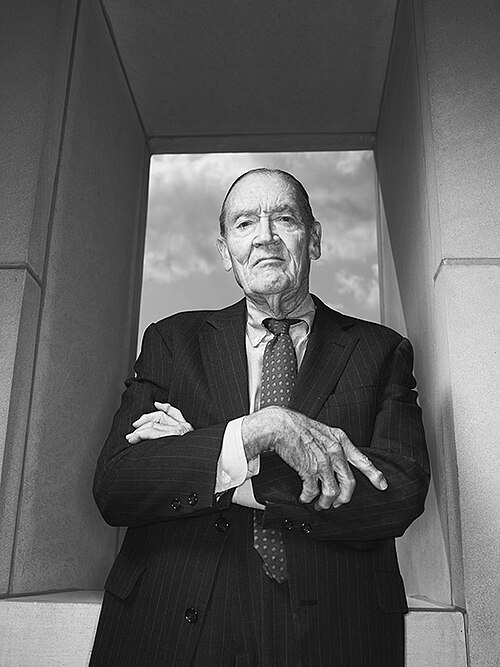 John C. Boglewrote 1 book here
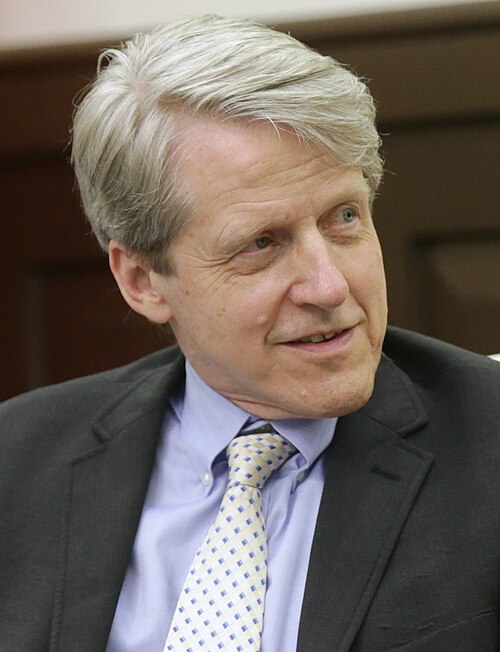 Robert J. Shillerwrote 1 book here
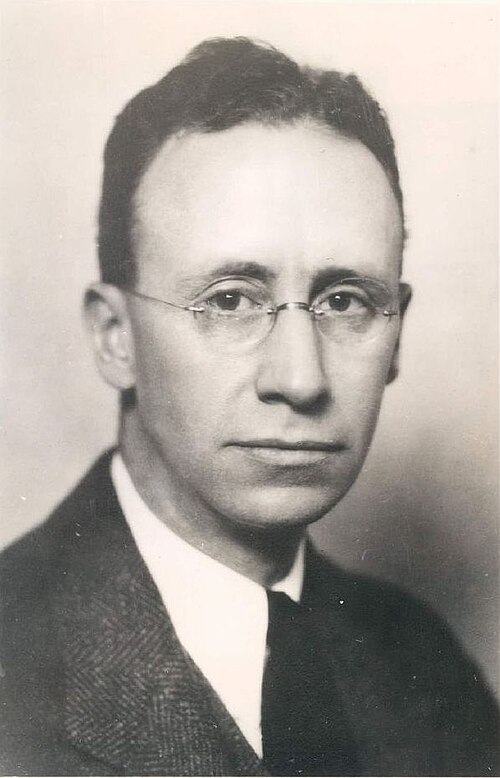 Frederick Lewis Allenwrote 1 book here
Show all 13
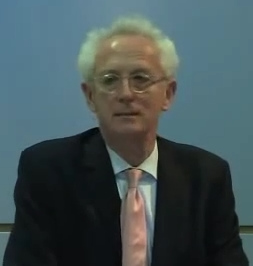
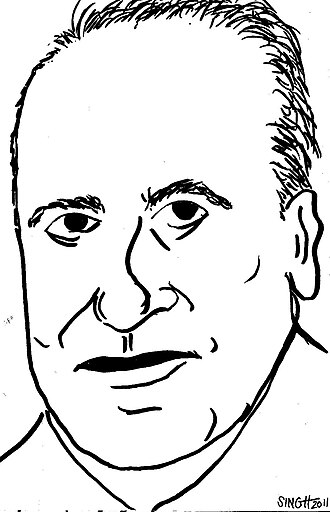 Mohnish Pabrairecommends 23 books here
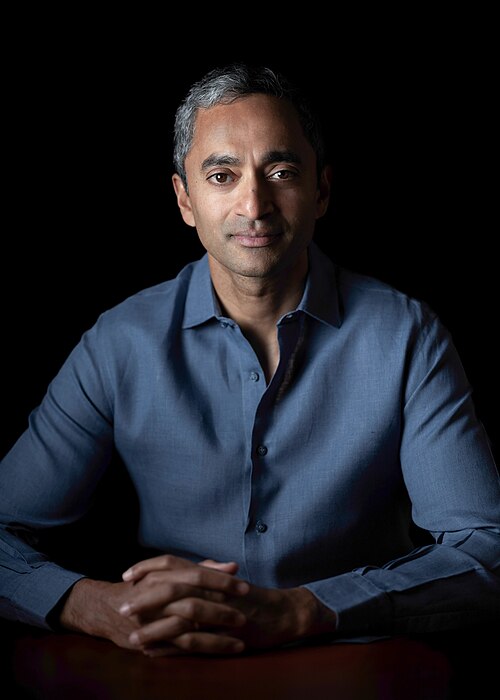 Chamath Palihapitiyarecommends 2 books here
 Tim O’Reillyrecommends 2 books here
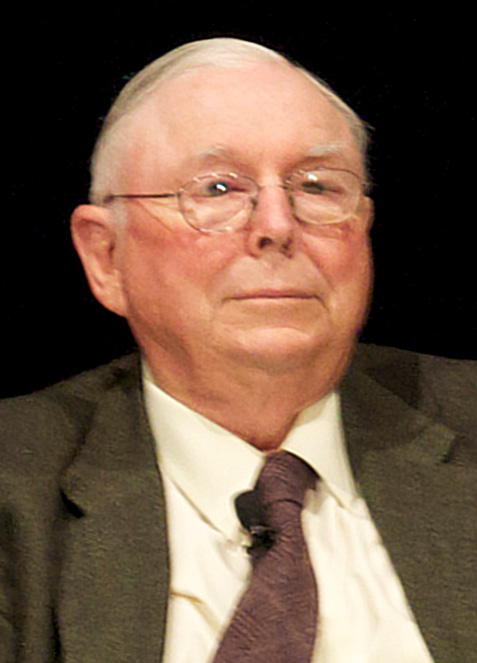 Charlie Mungerrecommends 1 book here
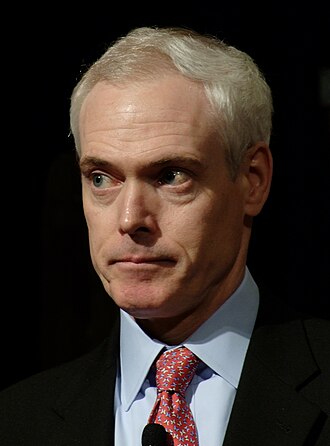 Jim Collinsrecommends 1 book here
 Paul Grahamrecommends 1 book here
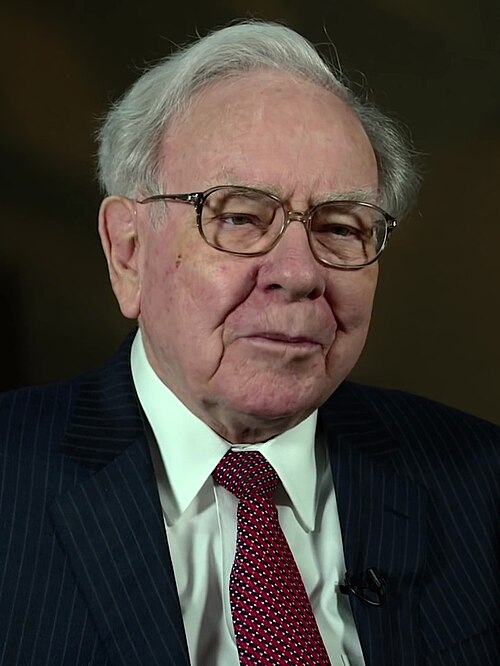 Warren Buffettrecommends 1 book here
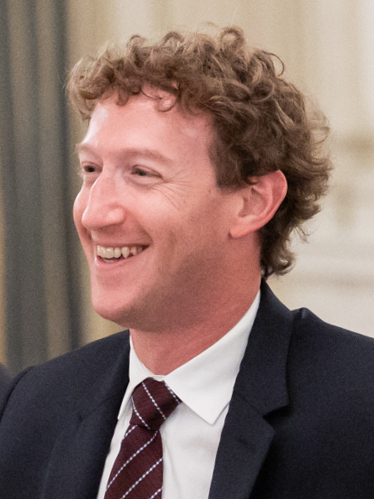 Mark Zuckerbergrecommends 1 book here