Money, credit and inflation
Histories of money, gold, interest rates, credit, central banks, sovereign debt and hyperinflation.
Start here
- The Ascent of MoneyNiall Ferguson, 2008
- Lombard StreetWalter Bagehot, 1873
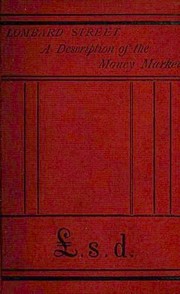
How the London money market worked, and why a central bank lends freely in a panic.
An economist's first-hand analysis of Germany's inflation from 1914 to 1923.

The US money stock from 1867 to 1960, and how changes in it drove prices and income.

European finance from the Middle Ages on: money, banking, markets and public debt.
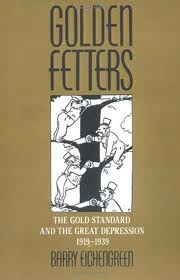
How the gold standard spread the Depression, and why leaving it early meant recovery.
Episodes from Yap's stone money onward showing that inflation comes from money.
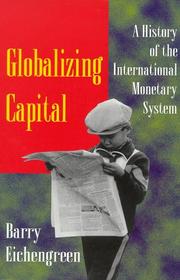
Money between nations from the gold standard to floating rates and the euro.
Key academic papers on how the gold standard worked and why it broke down.
The Fed from 1913 to 1951, told from its own minutes and internal memos.
Hamilton's life from the West Indies to the Treasury and his duel with Aaron Burr.
Recommended by: Jim Collins, Patrick Collison and 2 others
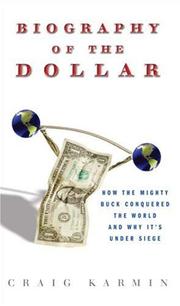
How the dollar became the world's currency, what it gives the US, what may follow.
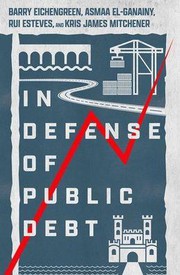
Sovereign borrowing from Italian city-states to the pandemic, and what it paid for.

Germany's 1914 to 1923 inflation, with a more sympathetic view of its policy.
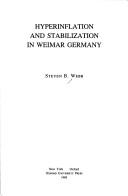
Monthly data tested against explanations of Germany's 1919 to 1923 inflation.

The full political, social and economic history of Germany's 1914 to 1924 inflation.
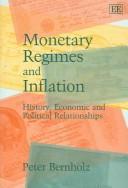
Inflation across history, and which monetary and political regimes produce it.
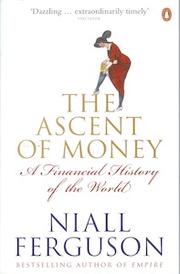
The history of finance by instrument: credit, bonds, stocks, insurance and property.
Recommended by: Mohnish Pabrai, Max Levchin, Raoul Pal and 2 others
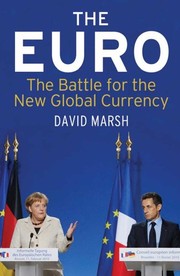
The politics of the euro from postwar plans to its first decade.

The 1944 Bretton Woods conference as a contest between Keynes and Harry Dexter White.

Whether a nation's banks are stable or crisis-prone is decided by its politics.

Why bankers kept lending to Philip II of Spain despite four payment suspensions.
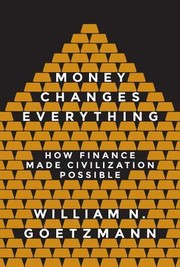
Finance as a technology that built civilisation, from clay tablets onward.
Recommended by: Nick Szabo
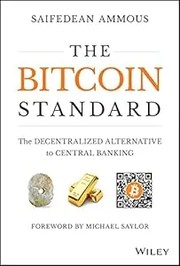
Sound money must hold value over time, and Bitcoin's fixed supply makes it such.
Recommended by: Balaji S. Srinivasan, Alex Lieberman and 1 other
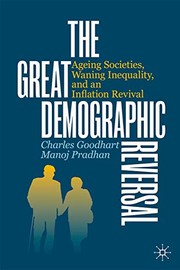
Disinflation came from a one-time surge in workers; ageing will reverse it.
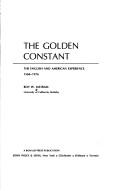
The long-run purchasing-power series that grounds gold inflation-hedge claims.
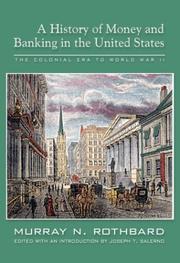
US money from colonial paper to the Fed, read as bank-and-state booms and busts.
How Hong Kong's banks and bank crises shaped the miracle economy.
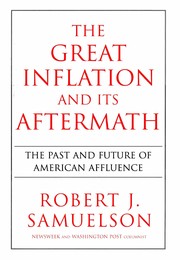
America's 1965-1982 inflation, its defeat under Volcker and what followed.
Working FX strategist on what actually moves the dollar.
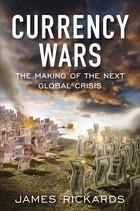
Popular account of competitive devaluation as policy.
Modern retelling with more on the stabilisation and the Rentenmark.
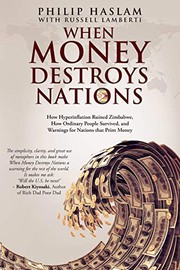
First-hand accounts of trading, saving and pricing through the collapse; the modern companion to Fergusson.
The Bank of England from 1694, by its best narrative historian.
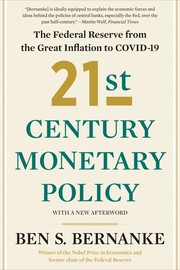
Insider account of the Fed from Burns through the QE era.
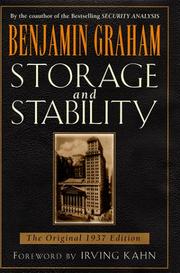
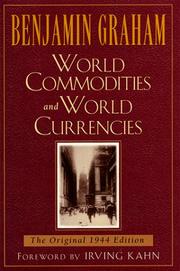
Subtitled A Modern Ever-Normal Granary; commodity-reserve currency plan.
Recommended by: Mohnish Pabrai
Recommended by: Mohnish Pabrai
Interest rates from Babylonian lending through Rome and Europe to modern bonds.
Recommended by: Mohnish Pabrai
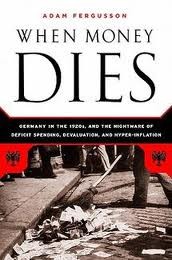
What Germany's 1921 to 1923 hyperinflation did to ordinary people's lives.
Recommended by: Balaji S. Srinivasan
The 1970s disorder: the end of Bretton Woods, oil shocks and petrodollar loans.
Recommended by: Mohnish Pabrai
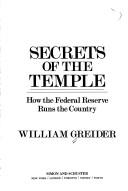
The Volcker Fed from the inside; still the fullest political account.
Recommended by: Mohnish Pabrai
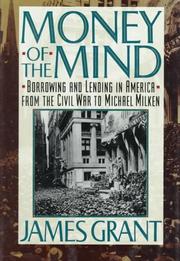

Eight centuries of price revolutions and what ended each one.
Recommended by: Balaji S. Srinivasan, Ryan Peterson
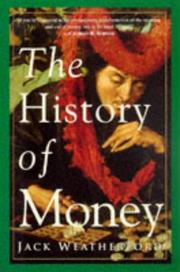
Recommended by: Alfred Lin, Patrick O'Shaughnessy
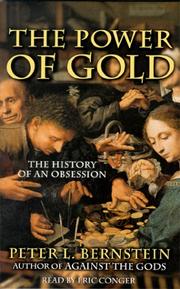
Gold from ancient Egypt and Lydian coins to the end of Bretton Woods.
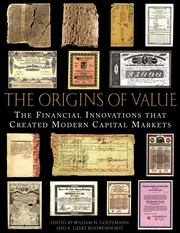
Financial innovations, from Mesopotamian interest and Chinese paper money onward.
Recommended by: Mohnish Pabrai
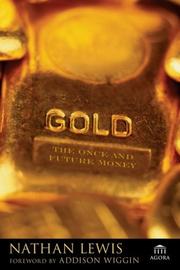
Hard-money argument for a return to a gold link.
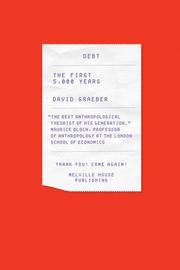
Debt came before money and barter, and its history is one of forgiveness and revolt.
Recommended by: Patrick Collison

Recommended by: Mohnish Pabrai
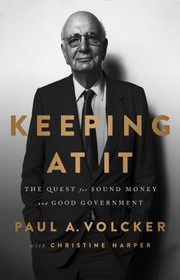
The Fed chair's memoir of his career at Treasury and the Fed, and beating inflation.
Recommended by: Michael Bloomberg, Ray Dalio, Warren Buffett
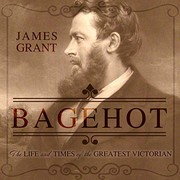
title listed on grantspub.com books page
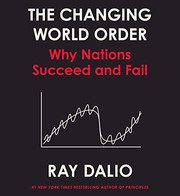
Recommended by: Balaji S. Srinivasan, David Friedberg and 2 others
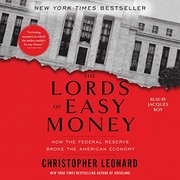
Quantitative easing told through Thomas Hoenig's dissents.
Recommended by: The Rational Walk
title confirmed on edwardchancellor.com
How the Federal Reserve was argued into existence, from the 1907 panic to 1913.
Recommended by: Seth Klarman
 Barry Eichengreenwrote 5 books here
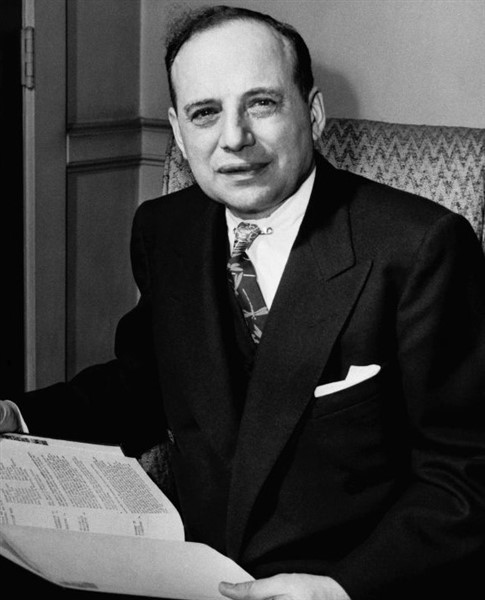 Benjamin Grahamwrote 2 books here
 James Grantwrote 2 books here
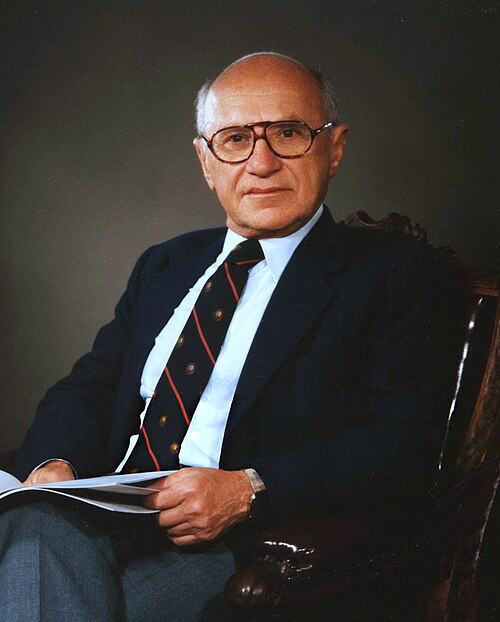 Milton Friedmanwrote 2 books here
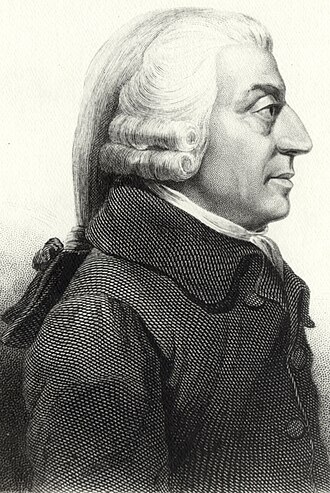 Adam Smithwrote 1 book here
 Ray Daliowrote 1 book here
 Ron Chernowwrote 1 book here


 Mohnish Pabrairecommends 9 books here
 Balaji S. Srinivasanrecommends 5 books here
 Patrick Collisonrecommends 2 books here
 Ryan Petersonrecommends 2 books here
 Jim Collinsrecommends 1 book hereRay Daliorecommends 1 book here
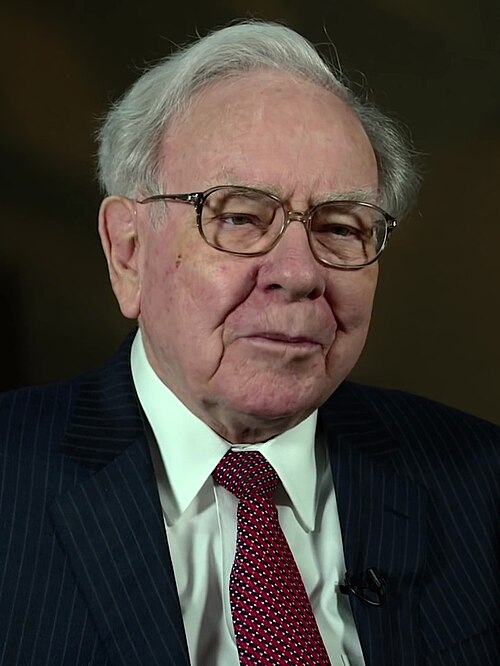 Warren Buffettrecommends 1 book here
 Seth Klarmanrecommends 1 book here
 Alfred Linrecommends 1 book here
 Antonio García Martínezrecommends 1 book here
Show all 24
 David Friedbergrecommends 1 book here
 Emmett Shearrecommends 1 book here
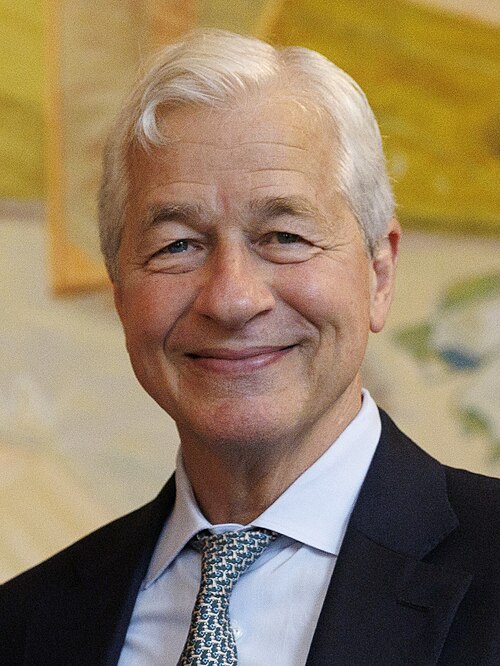 Jamie Dimonrecommends 1 book here
 Max Levchinrecommends 1 book here
 Michael Bloombergrecommends 1 book here
 Tim Ferrissrecommends 1 book here
 Travis Kalanickrecommends 1 book here