
Banking
Leveraged maturity transformation with an implicit state backstop; the literature is mostly about what happens when that breaks.
Start here
- Lombard StreetWalter Bagehot, 1873
- The House of MorganRon Chernow, 1990
- The Bankers' New ClothesAnat Admati, Martin Hellwig, 2013
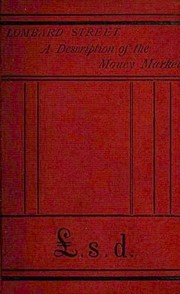
How the London money market worked, and why a central bank lends freely in a panic.
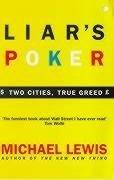
Life on Salomon Brothers' bond trading floor in the 1980s mortgage-bond boom.
“I do believe, as Michael Lewis writes in his intriguing 1989 book, "Liar's Poker," that it is unlikely that an individual unable to buck convention in one's life will suddenly be able to buck…” — Michael Burry
Source: MSN Money Strategy Lab journal, March 2, 2001 — archived
Recommended by: Michael Burry, Mohnish Pabrai, Nat Eliason and 3 others
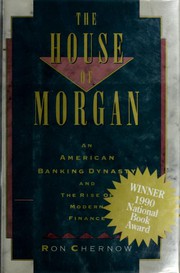
The Morgan banks from 1830s London to J.P. Morgan and Morgan Stanley in the 1980s.
Recommended by: Mohnish Pabrai, Paul Graham
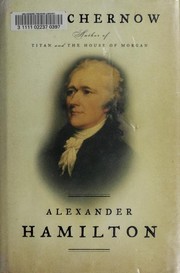
Hamilton's life from the West Indies to the Treasury and his duel with Aaron Burr.
Recommended by: Jim Collins, Patrick Collison and 2 others

The 1933 Senate hearings exposing bankers' practices that led to securities laws.
“It's a passage from one of my favorite books, "Wall Street Under Oath.” — Howard Marks
Source: Oaktree memo 'Learning From Enron'
Recommended by: Howard Marks
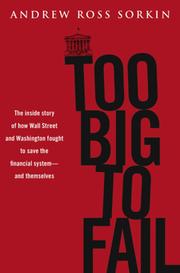
Inside the meetings of bankers and regulators during the 2008 financial crisis.
Recommended by: Mohnish Pabrai, Bill Gates, Max Levchin and 1 other

How China's state-run financial system really works behind its official figures.

Why banks should fund themselves with far more equity, and why their objections fail.

Whether a nation's banks are stable or crisis-prone is decided by its politics.

The Libor rigging scandal told through the traders who ran it
“saga of global financial market manipulation, at mind-boggling scale and hiding in plain sight” — Marc Andreessen
Source: @pmarca, 'Thread: Books I've recently read and recommend'
Recommended by: Marc Andreessen
 Ron Chernowwrote 2 books here
 Michael Lewiswrote 1 book here
 Robert J. Shillerwrote 1 book here
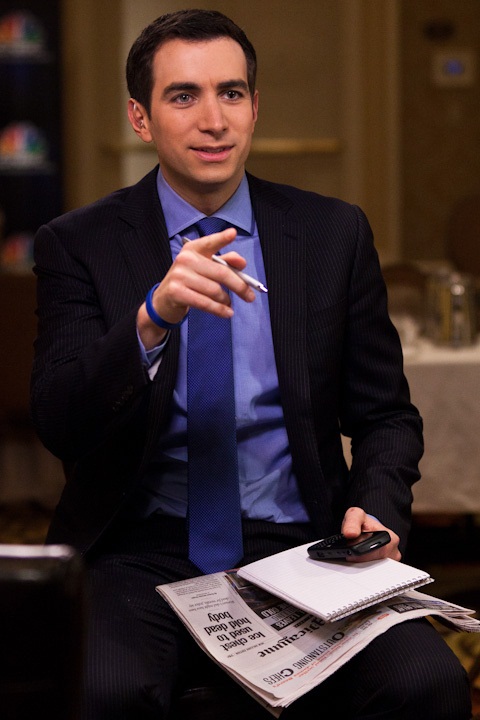 Andrew Ross Sorkinwrote 1 book here
 Mohnish Pabrairecommends 3 books here
 Howard Marksrecommends 1 book here
 Jim Collinsrecommends 1 book here
 Marc Andreessenrecommends 1 book here
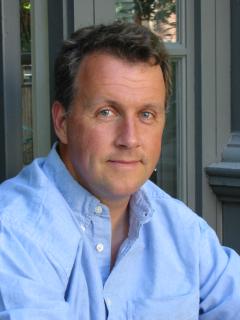 Paul Grahamrecommends 1 book here
 Antonio García Martínezrecommends 1 book here
 Bill Gatesrecommends 1 book here
 Chamath Palihapitiyarecommends 1 book here
 Max Levchinrecommends 1 book here
 Patrick Collisonrecommends 1 book here


