
John Kenneth Galbraith
Canadian-American economist and diplomat whose books were bestsellers from the 1950s to the 2000s; deputy director of the wartime Office of Price Administration. Died in 2006.
 Harvard
The Great Crash 1929 is the standard narrative of the boom, the leverage stacked inside investment trusts and the collapse that followed, written close enough to the events to use the participants directly. A Short History of Financial Euphoria condenses four centuries of speculation into a recurring pattern of leverage, the belief that a familiar instrument is genuinely new, and very short memory.
3 books of their own · 38 articles
Start here
- A Short History of Financial EuphoriaJohn Kenneth Galbraith, 1990
- The Great Crash 1929John Kenneth Galbraith, 1955
- The New Industrial StateJohn Kenneth Galbraith, 1967
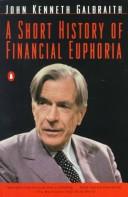
The recurring features of speculative booms, and why short memories bring them back.
Recommended by: Howard Marks and 2 others
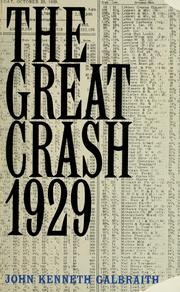
The late-1920s boom in margin loans and investment trusts, and the 1929 crash.
Recommended by: Mohnish Pabrai
How large corporations run by a technostructure of experts plan rather than compete.
Recommended by: Paul Graham
 A Short History of Financial Euphoria | The recurring features of speculative booms, and why short memories bring them back. | 1990 | T1 | Howard Marks, Rational Capital Investment Fund, Mohnish Pabrai |
 The Great Crash 1929 | The late-1920s boom in margin loans and investment trusts, and the 1929 crash. | 1955 | T1 | Mohnish Pabrai |
 The New Industrial State | How large corporations run by a technostructure of experts plan rather than compete. | 1967 | T1 | Paul Graham |
| The Rush to Capitalism Paywall | The New York Review of Books | 1990-10-25 |
| Viva Mencken! Paywall | The New York Review of Books | 1990-06-28 |
| Celebrating Mencken Paywall | The New York Review of Books | 1990-03-15 |
| The Ultimate Scandal Paywall | The New York Review of Books | 1990-01-18 |
| From Stupidity to Cupidity Paywall | The New York Review of Books | 1988-11-24 |
| Big Shots Paywall | The New York Review of Books | 1988-05-12 |
| It Makes a Difference Paywall | The New York Review of Books | 1986-10-23 |
| Truly the Last Tycoons Paywall | The New York Review of Books | 1986-08-14 |
| The Stockman Episode Paywall | The New York Review of Books | 1986-06-26 |
| Behind the Wall Paywall | The New York Review of Books | 1986-04-10 |
| General Keynes Paywall | The New York Review of Books | 1984-11-22 |
| Fair Comment Paywall | The New York Review of Books | 1984-02-16 |
| The Man Who Stayed the Course Paywall | The New York Review of Books | 1983-11-24 |
| The Wealth of the Nation Paywall | The New York Review of Books | 1983-06-02 |
| Recession Economics Paywall | The New York Review of Books | 1982-02-04 |
| Up from Monetarism and Other Wishful Thinking Paywall | The New York Review of Books | 1981-08-13 |
| The Conservative Onslaught Paywall | The New York Review of Books | 1981-01-22 |
| Two Pleas at Berkeley Paywall | The New York Review of Books | 1980-07-17 |
| The No-WIN Society Paywall | The New York Review of Books | 1980-06-12 |
| Oil: A Solution Paywall | The New York Review of Books | 1979-09-27 |
| Change of Address Paywall | The New York Review of Books | 1979-09-27 |
| How to Get Ahead: From an Address to the Yale Graduating Class Paywall | The New York Review of Books | 1979-07-19 |
| Working on the Railroad Paywall | The New York Review of Books | 1978-12-21 |
| The Strategic Mind Paywall | The New York Review of Books | 1978-10-12 |
| Oil in the Family Paywall | The New York Review of Books | 1978-08-17 |
| The Good Old Days Paywall | The New York Review of Books | 1978-06-29 |
| A Hard Case Paywall | The New York Review of Books | 1978-04-20 |
| Reluctant Resistance? Paywall | The New York Review of Books | 1978-02-09 |
| Hitler: Hard to Resist Paywall | The New York Review of Books | 1977-09-15 |
| ‘Veritas’ at Harvard: Another Exchange Paywall | The New York Review of Books | 1977-07-14 |
| Help the Fabians Paywall | The New York Review of Books | 1977-05-12 |
| Bananas Paywall | The New York Review of Books | 1977-03-03 |
| The Refined and the Crude Paywall | The New York Review of Books | 1977-02-03 |
| Bananas Paywall | The New York Review of Books | 1976-10-14 |
| The “Excelsior” Affair Paywall | The New York Review of Books | 1976-08-05 |
| The Power of Property Paywall | The New York Review of Books | 1976-06-24 |
| Into the Sunset Paywall | The New York Review of Books | 1976-03-18 |
| Phase Two Paywall | The New York Review of Books | 1972-03-09 |
| John Kenneth Galbraith, Iconoclastic Economist and Diplomat, Dies at 97 Paywall | The New York Times | 2006 |
| JK Galbraith | The Guardian | 2006 |
| John Kenneth Galbraith Paywall | The Economist | 2006 |
| John Kenneth Galbraith; Popularized Modern Economics Paywall | The Washington Post | 2006 |