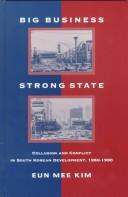
Big Business, Strong State
The state-chaebol bargain and how it shifted over forty years.
Summary
Kim, a sociologist, examined the relationship between the Korean state and the chaebol conglomerates from 1960 to 1990, arguing that the balance of power between them shifted substantially over that period.
Her analysis divides the period into phases. In the 1960s and early 1970s the state held decisive power. It controlled the banking system, allocated foreign exchange and import licences, and directed credit to firms that met export targets. Firms that failed to perform lost access. Park Chung-hee's government could and did destroy businesses that did not comply.
By the 1980s the relationship had changed. The chaebol had grown large enough that their failure would damage the economy, they had accumulated their own capital and access to international finance, they had diversified into many sectors, and they had developed technological and managerial capabilities the state bureaucracy did not possess. Kim argues the state could no longer direct them and had become dependent on their performance, which shifted the relationship from state dominance toward mutual dependence and in some respects toward chaebol dominance.
Her method combines analysis of state policy instruments with data on chaebol growth, diversification and ownership structure, and with the political history of specific interventions.
The book contributes to the developmental state literature by arguing that the state's capacity to direct is not permanent but is eroded by the success of the firms it created. The subsequent period supported this: the 1997 crisis was attributed substantially to chaebol over-investment that the state could not restrain, and the reforms that followed attempted to restore discipline through market and governance mechanisms rather than through direction.
Key takeaways 7
- State control of banking, foreign exchange and import licences gave the Korean government decisive power over firms in the 1960s.
- Credit was allocated against export performance, which supplied an objective test that political allocation alone would not have provided.
- The state destroyed businesses that did not comply, which made the threat behind its direction credible.
- By the 1980s the chaebol had grown large enough that their failure would damage the economy, which removed the state's ability to let them fail.
- Access to international finance freed the chaebol from dependence on state-allocated domestic credit.
- A developmental state's capacity to direct firms is eroded by the success of the firms it creates.
- Diversification across many sectors gave the chaebol capabilities and political weight that the bureaucracy could not match.
Who should read it
Analysts of industrial policy and of Korean business who want the account of how state direction eroded as the firms it created grew.
Similar books 6
Chosen by shared topics, the entries that hold them, and the people who recommended both.
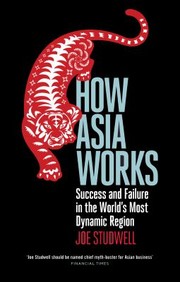
Why some Asian nations grew rich: land reform, export-led industry, directed credit.
“it's a good read for anyone who wants to understand what actually determines whether a developing economy will succeed.” — Bill Gates
Source: Gates Notes review of How Asia Works
Recommended by: Bill Gates, Mohnish Pabrai, Patrick Collison
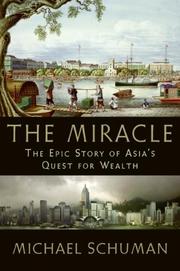
Asia's growth stories told through the people who drove them.
Recommended by: Mohnish Pabrai
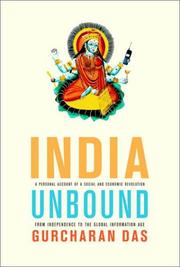
India's economy from independence to 2000, told alongside a P&G executive's career.

How Japan's trade ministry steered industry from 1925 to 1975.

Retrospective essays on the limits of the model and what comes next.

The policies that moved Taiwan's economy from agriculture to electronics.
Where it sits in the reference 2
Topics