Brands, positioning and luxury
Books on building and naming brands, positioning a product against rivals, luxury and fashion houses, and histories of consumer brands such as Nike, Coca-Cola and Procter and Gamble.
Start here
- How Brands GrowByron Sharp, 2010
- Positioning: The Battle for Your MindAl Ries, Jack Trout, 1981
- Marketing WarfareAl Ries, Jack Trout, 1986
- The 22 Immutable Laws of MarketingAl Ries, Jack Trout, 1993
- Building Strong BrandsDavid A. Aaker, 1996

Evidence on how brands grow: reach light buyers and be easy to recall and buy.

Marketing happens in the buyer's mind: find an open position there and own it.
Recommended by: Patrick Collison, Aaron Levie, David Cancel and 4 others

Military strategy applied to marketing, from the cola and burger wars.
Recommended by: Mohnish Pabrai

Twenty-two rules of marketing, such as being first is better than being better.
Recommended by: Brian Armstrong, Mohnish Pabrai, Nat Eliason and 3 others

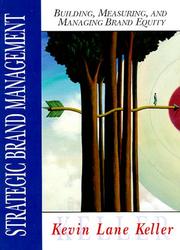
How to build and manage a brand, using the four parts of brand equity.

Companies lose their position by broadening; narrowing the focus wins it back.
Recommended by: Mohnish Pabrai, Arianna Huffington and 3 others
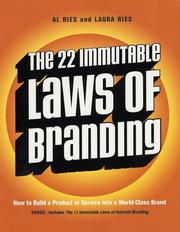
Rules for building a brand, with a section on branding on the internet.
Recommended by: Ramit Sethi

Arguments for consumers to question and take on the corporate superbrands.
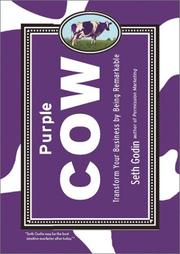
Advertising has stopped working; build products remarkable enough to talk about.
Recommended by: Tony Hsieh, Cindy Eckert, David Cancel and 3 others
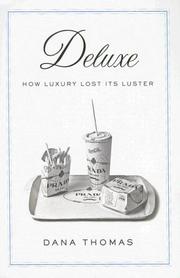
How family luxury houses became conglomerates selling to the mass affluent.
The empirical laws of brand growth extended to new categories and channels.

How to position software so it clearly wins for a chosen market.
Recommended by: Nat Eliason

How Dollar Shave Club, Warby Parker and other online brands took on incumbents.
The classic account of the Coke-Pepsi rivalry.
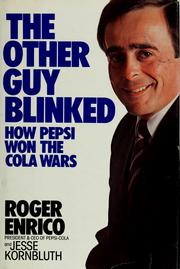
Pepsi's president on the cola wars and Coca-Cola's New Coke blunder.
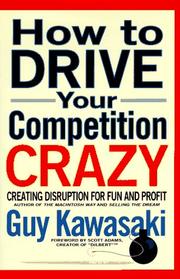
Kawasaki on competing through service, speed and irritating incumbents
“Awesome book. On my Top Ten List. CEO of garage.com and a friend.” — Mohnish Pabrai
Source: Mohnish's Bookshelf — Books on Sales & Marketing, entry 27
Recommended by: Mohnish Pabrai

Challenger-brand economics against a dominant incumbent.
Recommended by: Vinod Khosla

How fashion became a branded consumer-goods business.

How Procter & Gamble built its brands over 165 years.
The standard analytical text on the LVMH-style brand model.

Harvard business historian; sets her brand-building against the whole industry.

Recommended by: Chris Powers
How startup brands such as Casper and Allbirds built loyal customers.
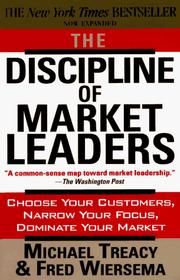
Recommended by: Mohnish Pabrai
Recommended by: Mohnish Pabrai

An analysis of Nike's brand-marketing machine at its peak, built on the swoosh.

Distillation of P&G brand-management practice for operators.

Recommended by: Mohnish Pabrai

Recommended by: Mohnish Pabrai

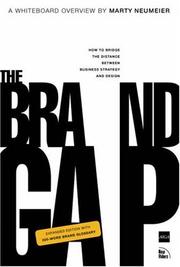
Five disciplines to close the gap between brand strategy and its execution.
Recommended by: Andy Budd, Ran Segall



Practitioner text on how luxury houses are actually run.

Nike's third employee on how the company marketed the running boom.

Recommended by: Mohnish Pabrai, Nat Eliason, Andrew Chen

Insider account by P&G's global marketing officer.


Recommended by: Nat Eliason, Ran Segall


 Mohnish Pabrairecommends 10 books here
 Ev Williamsrecommends 2 books here
 Keith Raboisrecommends 2 books here
 Tim Ferrissrecommends 2 books here
 Vinod Khoslarecommends 2 books here
 Ben Horowitzrecommends 1 book here
 Aaron Levierecommends 1 book here
Show all 28
 Arianna Huffingtonrecommends 1 book here
 Brian Armstrongrecommends 1 book here
 Cindy Eckertrecommends 1 book here
 Joe Gebbiarecommends 1 book here
 Nir Eyalrecommends 1 book here
 Patrick Collisonrecommends 1 book here
 Ramit Sethirecommends 1 book here
 Tony Hsiehrecommends 1 book here
 Tristan Harrisrecommends 1 book here