Marketing, Branding and Sales
Three decisions carry most of the weight here: which customers to serve, what claim to own in their minds, and how that claim reaches them and converts. Ries and Trout argue for defining yourself against an existing competitor rather than describing your own features, and for narrowing the claim until it fits in one word. Cialdini catalogues the six mechanisms that make people say yes, Heath and Berger explain why some messages get repeated and most do not, and Moore describes the gap where technology products stall between enthusiasts and the mainstream market. Ogilvy supplies the copywriting craft and the discipline of measuring response, Ross and Tyler turn the sales side into a repeatable process with specialised roles, and Packard's older polemic is where the argument about manipulating consumers started.
Start here
- Positioning: The Battle for Your MindAl Ries, Jack Trout, 1981
- Influence: The Psychology of PersuasionRobert B. Cialdini, 1984
- Ogilvy on AdvertisingDavid Ogilvy, 1983

How 1950s advertisers used psychological research to sway buyers.

How to win and keep agency clients and write advertising that sells.
Recommended by: Mohnish Pabrai, David Cancel, Sam Parr

Marketing happens in the buyer's mind: find an open position there and own it.
Recommended by: Patrick Collison, Aaron Levie, David Cancel and 4 others
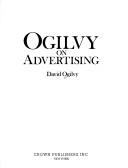
Rules for advertising that sells, drawn from direct-response testing.
“Ogilvy is a brilliant guy and a terrific writer. Really enjoyed this book and learned a lot.” — Mohnish Pabrai
Source: Mohnish's Bookshelf — Books on Sales & Marketing, entry 40
Recommended by: Mohnish Pabrai, David Cancel, Ev Williams and 1 other
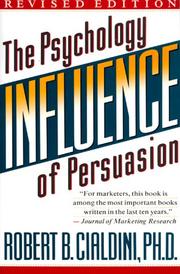
Six principles of compliance, from reciprocity to scarcity, and how sellers use them.
“…books I've recommended, highlighted to death, or forced on friends.” — Andrew Wilkinson
Source: Andrew Wilkinson's Bookshelf, neverenough.com
Recommended by: Andrew Wilkinson, Charlie Munger and 29 others
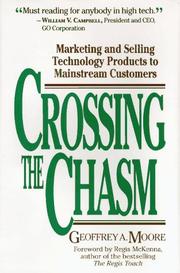
Why tech products stall between early adopters and the mainstream, and how to cross.
Recommended by: Andrew Wilkinson, Mohnish Pabrai and 13 others

Twenty-two rules of marketing, such as being first is better than being better.
Recommended by: Brian Armstrong, Mohnish Pabrai, Nat Eliason and 3 others

Companies lose their position by broadening; narrowing the focus wins it back.
Recommended by: Mohnish Pabrai, Arianna Huffington and 3 others

Advertising has stopped working; build products remarkable enough to talk about.
Recommended by: Tony Hsieh, Cindy Eckert, David Cancel and 3 others
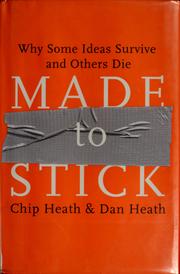
Six traits of memorable ideas, from simple and unexpected to emotional stories.
“…books I've recommended, highlighted to death, or forced on friends.” — Andrew Wilkinson
Source: Andrew Wilkinson's Bookshelf, neverenough.com
Recommended by: Andrew Wilkinson, Mohnish Pabrai and 10 others


Recommended by: Nat Eliason, Ran Segall
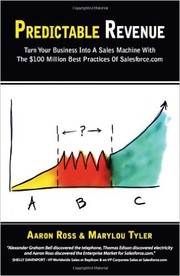
The outbound-SDR machine that most SaaS sales teams copied.
Recommended by: David Cancel
 Al Rieswrote 3 books here
 Robert B. Cialdiniwrote 1 book here
 Seth Godinwrote 1 book here
 Mohnish Pabrairecommends 7 books here
 Ev Williamsrecommends 4 books here
 Changpeng Zhaorecommends 3 books here
 Nir Eyalrecommends 3 books here
 Tony Hsiehrecommends 3 books here
 Tristan Harrisrecommends 3 books here
 Guy Kawasakirecommends 2 books here
 Aaron Levierecommends 2 books here
Show all 58
 Brian Armstrongrecommends 2 books here
 Patrick Collisonrecommends 2 books here
 Ben Horowitzrecommends 1 book here
 Charlie Mungerrecommends 1 book here
 Jim Collinsrecommends 1 book here
 Peter Thielrecommends 1 book here
 Warren Buffettrecommends 1 book here
 Brad Feldrecommends 1 book here
 Alexis Ohanianrecommends 1 book here
 Alfred Linrecommends 1 book here
 Arianna Huffingtonrecommends 1 book here
 Bill Gurleyrecommends 1 book here
 Chris Dixonrecommends 1 book here
 Cindy Eckertrecommends 1 book here
 Drew Houstonrecommends 1 book here
 Joe Gebbiarecommends 1 book here
 Max Levchinrecommends 1 book here
 Naval Ravikantrecommends 1 book here
 Ramit Sethirecommends 1 book here
 Ron Conwayrecommends 1 book here
 Samy Kamkarrecommends 1 book here
 Tim Ferrissrecommends 1 book here
 Tobi Lütkerecommends 1 book here