Growth, pricing and channels
Books on startup and technology marketing, digital and content marketing, pricing, subscriptions, retail and distribution channels.
Start here
- Diffusion of InnovationsEverett M. Rogers, 1962
- The Strategy and Tactics of PricingThomas T. Nagle, Reed K. Holden, 1987
- Crossing the ChasmGeoffrey A. Moore, 1991
- Inside the TornadoGeoffrey A. Moore, 1995
- Why We BuyPaco Underhill, 1999

An academic study of how new ideas spread.
Recommended by: Patrick O'Shaughnessy
Set prices from the value customers get, not from cost or rivals' prices.
Why tech products stall between early adopters and the mainstream, and how to cross.
Recommended by: Andrew Wilkinson, Mohnish Pabrai and 13 others

How to move a tech product past early adopters into a fast-growing mass market.
Recommended by: Mohnish Pabrai

The internet makes it cheap to gather people around a shared interest; lead them.
Recommended by: Catriona Wallace

Digital costs near zero mean goods can be given away, which changes whole industries.

People have no fixed sense of value, so context and anchors set the prices they pay.
Recommended by: Mohnish Pabrai, Patrick O'Shaughnessy

Price is the strongest profit lever and the least managed; how to set it well.
Recommended by: Michael Mauboussin
Customers hire products to do a job; innovate by finding the job, not the buyer type.
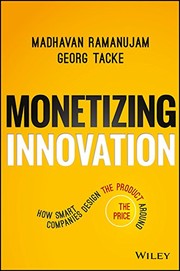
Set the price before you design the product, since most failures are pricing ones.
Recommended by: Alfred Lin, Bill Gurley, Leo Polovets
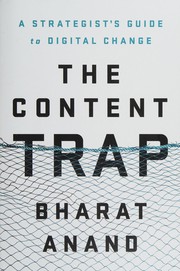
Media firms fail by fixating on content when value lies in the connections around it.
Why firms are moving from selling units to selling ongoing subscriptions, and how.
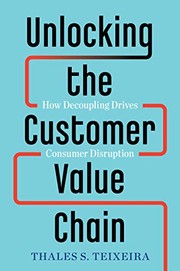
Disruptors win by breaking one link in the customer's chain of activities.
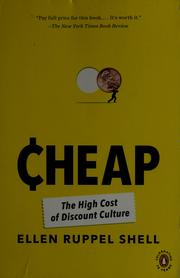
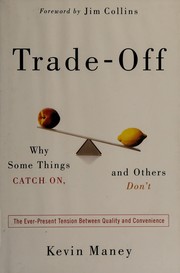
The economic, political and personal costs of making and buying everything cheaply.
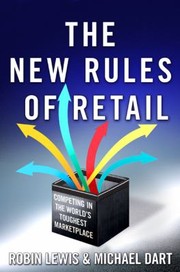
Preemptive distribution and control of the value chain.

Nokia's emerging-market operating model at the turn


Recommended by: Nat Eliason, Andrew Chen, Andy Budd
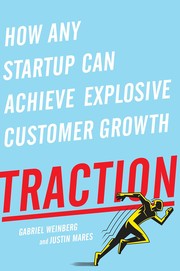
Recommended by: Nat Eliason, Alex Lieberman, Alexis Ohanian and 7 others
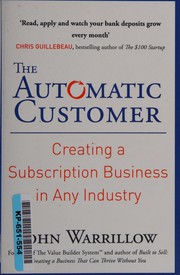
How an ordinary business can add subscriptions for steady recurring revenue.
Membership as a relationship, not a payment plan.
How to design a free tier that turns users into paying customers.
Retention, pricing tiers and the mechanics of renewal.


Recommended by: Mohnish Pabrai
Recommended by: Mohnish Pabrai
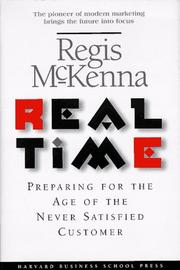
How firms must use real-time information to serve never-satisfied customers.
Recommended by: Mohnish Pabrai
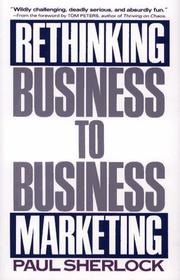
Recommended by: Mohnish Pabrai

Recommended by: Patrick Collison
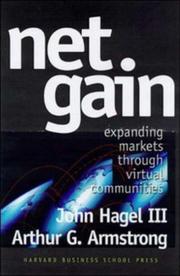
How firms can build value and competitive advantage from online virtual communities.
Recommended by: Mohnish Pabrai
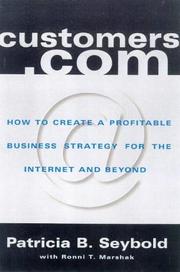

The academic text on channel design, territories and exclusive rights.
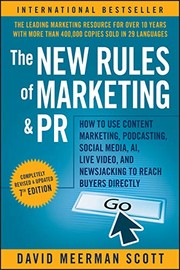
Recommended by: Ann Handley


Fifteen metrics that show which marketing spending works and which does not.
Recommended by: Mohnish Pabrai, Jeff Bezos


The case against surrendering the channel to big retail.
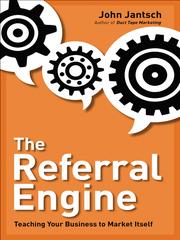
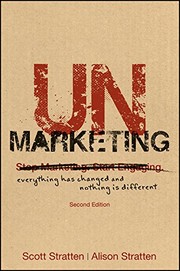
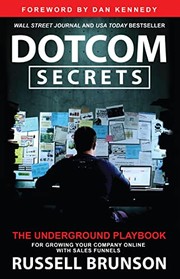

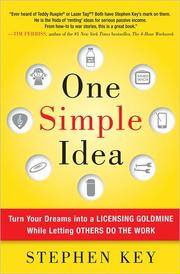

Recommended by: Paul Jarvis
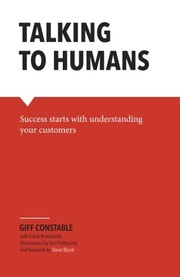

Recommended by: John D Saunders

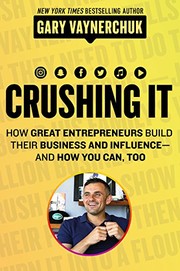

 Seth Godinwrote 2 books here
 Ryan Holidaywrote 2 books here
 Gary Vaynerchukwrote 2 books here
 Clayton Christensenwrote 1 book here
 Chris Andersonwrote 1 book here
 Mohnish Pabrairecommends 10 books here
 Tony Hsiehrecommends 4 books here
 Nir Eyalrecommends 3 books here
 Bill Gurleyrecommends 2 books here
 Ev Williamsrecommends 2 books here
 Keith Raboisrecommends 2 books here
Show all 47
 Ron Conwayrecommends 2 books here
 Brad Feldrecommends 1 book here
 Guy Kawasakirecommends 1 book here
 Aaron Levierecommends 1 book here
 Alexis Ohanianrecommends 1 book here
 Alfred Linrecommends 1 book here
 Changpeng Zhaorecommends 1 book here
 Chelsea Krostrecommends 1 book here
 Chris Dixonrecommends 1 book here
 Daymond Johnrecommends 1 book here
 Drew Houstonrecommends 1 book hereGary Vaynerchukrecommends 1 book here
 Jeff Bezosrecommends 1 book here
 Patrick Collisonrecommends 1 book here
 Tim Ferrissrecommends 1 book here