Tech strategy and platform economics
This niche holds books on how technology businesses compete and make money: disruption, platforms and network effects, e-commerce, telecom, the dot-com bubble, intellectual property and the gig economy.
Start here
- The Innovator's DilemmaClayton Christensen, 1997
- Information RulesCarl Shapiro, Hal R. Varian, 1998
- MatchmakersDavid S. Evans, Richard Schmalensee, 2016
- Platform RevolutionGeoffrey G. Parker, Marshall W. Van Alstyne, Sangeet Paul Choudary, 2016
- The Gorilla GameGeoffrey A. Moore, Paul Johnson, Tom Kippola, 1998
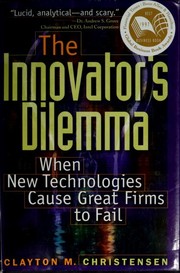
Why well-run firms lose to cheaper, worse products that enter at the market's bottom.
“Awesome book. May move soon to my Top Ten List. If anything will keep CEOs awake at night, reading this book certainly will.” — Mohnish Pabrai
Source: Mohnish's Bookshelf — Books on Sales & Marketing, entry 66
Recommended by: Jim Collins, Mohnish Pabrai, Aaron Levie and 27 others
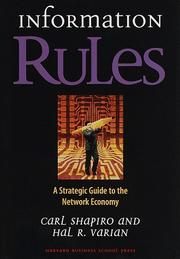
Economics for information goods: pricing, versioning, lock-in and network effects.
Recommended by: Mohnish Pabrai, Tim O’Reilly
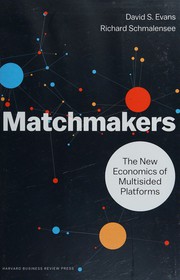
How multi-sided platforms such as card networks get both sides on board at once.
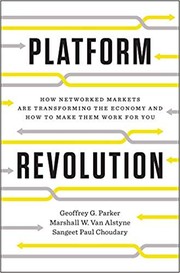
How platforms create value by matching groups, unlike linear pipeline businesses.
Recommended by: Reid Hoffman
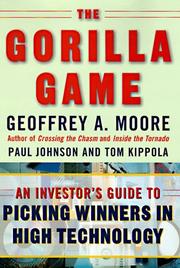
How to invest in tech stocks by backing the gorilla that wins each market.

A theory of modularity in design, applied to the history of the computer industry.

Treat patents as financial and strategic assets, not legal defences.
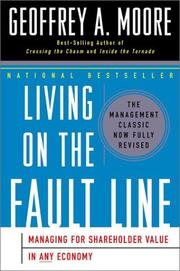
Run a tech company for shareholder value by funding its core advantage.
“Moore's forthcoming book, Living on the Fault Line... is terrific and highly recommended.” — Michael Mauboussin
Source: Network to Net Worth: Exploring Network Dynamics (CS First Boston)
Recommended by: Michael Mauboussin
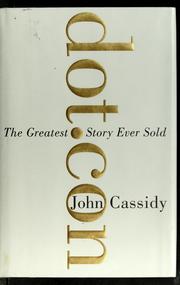
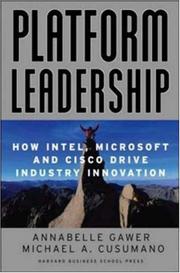
How Intel and others became and stayed leaders of technology platforms.
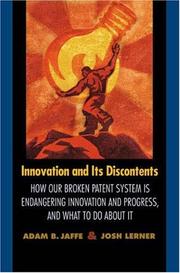
How 1980s changes turned the US patent system from aid to obstacle for innovation.

Software platforms as two-sided markets, and how they price and grow.

Without shelf limits, sales of many niche products add up to rival the hits.
Recommended by: Jim Collins, Ev Williams, Jack Ma and 1 other

How Israel, Taiwan and Ireland each used the state to build IT industries.
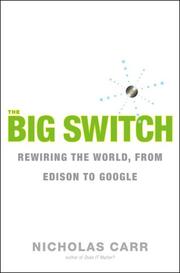
Computing is becoming a utility supplied over a network, as electricity did.
Recommended by: Marc Benioff
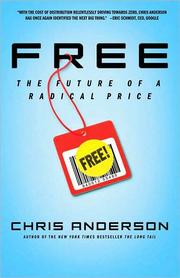
Digital costs near zero mean goods can be given away, which changes whole industries.
Every US information industry moved from an open era to control by one firm.
Recommended by: Patrick Collison, Andrew Chen
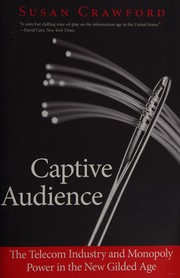
How government decisions and monopolies left US internet access slow and costly.
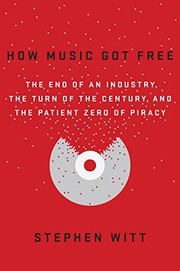
How the mp3, a CD-factory leaker and pirate websites broke the music business.
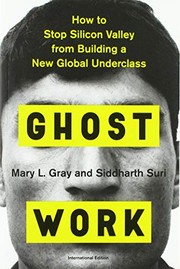
The hidden on-demand workers who make automated online services work.
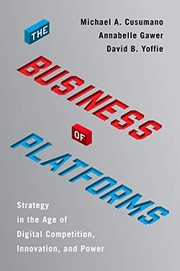
Innovation platforms and transaction platforms, and what each needs to succeed.

How to launch a network product that is worthless until enough people use it.
Recommended by: Reid Hoffman
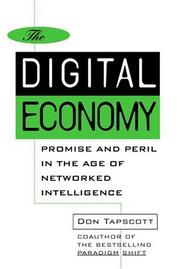
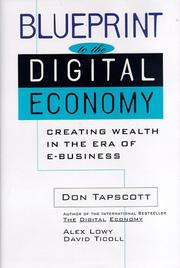
Recommended by: Mohnish Pabrai
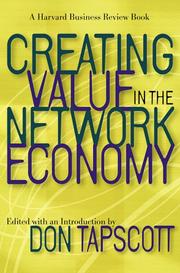
Recommended by: Mohnish Pabrai
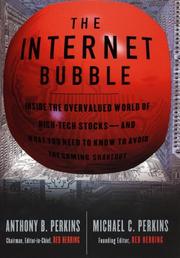
Written before the crash, naming Yahoo among the overvalued.
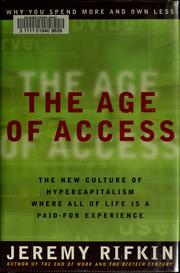
Early and prescient case that access would displace ownership.

How the TRIPS treaty spread patent and copyright rents worldwide, drugs included.
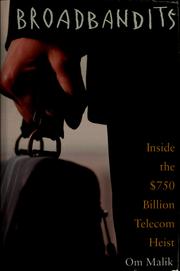
The telecom capex bubble, with Ebbers and WorldCom at its centre.
Recommended by: Matt Mullenweg
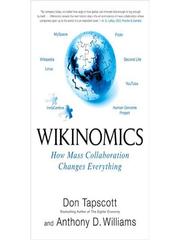
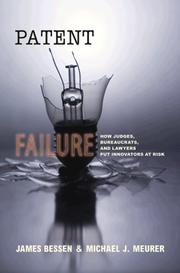
Evidence that patents work poorly as property; the IP-as-asset skeptic case.

How Microsoft turned patents from lawsuits into a licensing business.
The arithmetic of conversion rates, whales and lifetime value.

Designing the interaction that a platform is actually built around.
The critical case: platform power, housing supply and regulatory arbitrage.
Practitioner account of how platform businesses capture a transaction.
Data economics of the shift from studios to streamers.

How licensing in place of sale strips buyers of control over what they paid for.
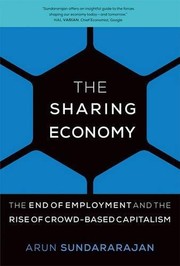
Economics of trust and matching that make marketplaces like Airbnb work.
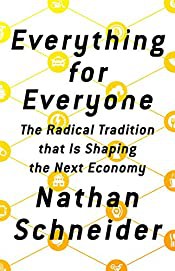
The revival of co-operatives and member ownership, online platforms included.
Why America lags in fibre-optic broadband, and the case against the cable incumbents.
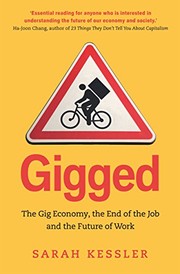
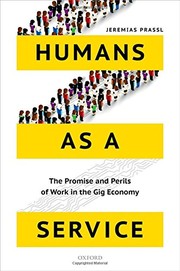
The gig economy's promises and realities, and the law on classifying its workers.

The sceptical case: the tech sector is an enclave, not an economy.
The case that blockchain architectures displace the centralised web
Recommended by: Peter Thiel

The case that programmatic advertising is a mispriced market.

How intermediaries capture creative-work rents; the bear case for creators.
Bootstrapped SaaS economics: pricing, churn, plateau.
Recommended by: Mohnish Pabrai

Recommended by: Mohnish Pabrai
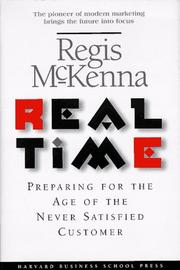
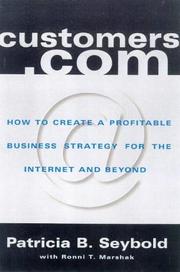
How firms must use real-time information to serve never-satisfied customers.
Recommended by: Mohnish Pabrai
Recommended by: Patrick Collison
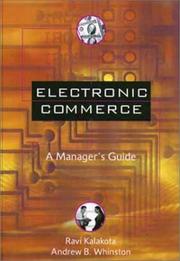
Recommended by: Mohnish Pabrai
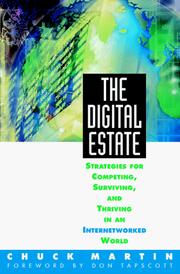
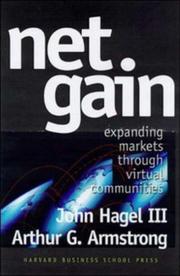
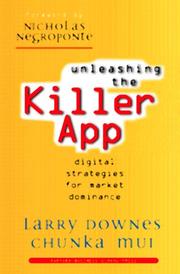
How firms can build value and competitive advantage from online virtual communities.
Recommended by: Mohnish Pabrai
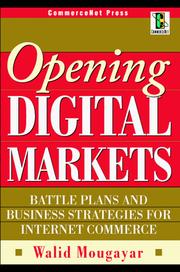
Recommended by: Mohnish Pabrai
Recommended by: Mohnish Pabrai
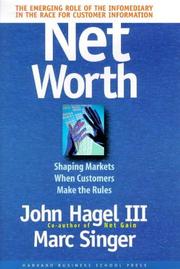
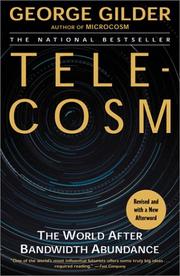
Bandwidth-abundance thesis; useful as a period document of the bubble.
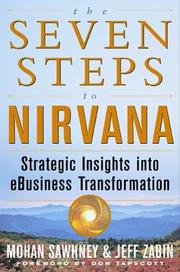
Recommended by: Mohnish Pabrai
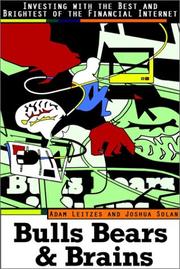
Recommended by: Mohnish Pabrai

Five technological revolutions since 1771, and why each brings a financial bubble.
“Perhaps the best book on the topic is Carlota Perez, Technological Revolutions and Financial Capital” — Michael Mauboussin
Source: New Business Boom and Bust: How Capitalism Experiments (Consilient Observer, Counterpoint Global)
Recommended by: Michael Mauboussin, Patrick Collison
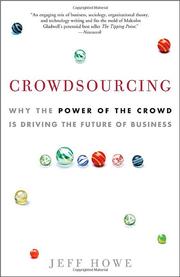
Recommended by: Mohnish Pabrai
Recommended by: Ann Handley


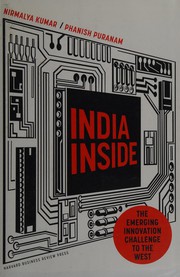
Recommended by: Mohnish Pabrai
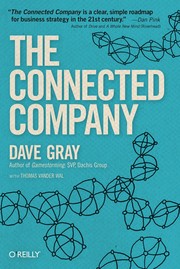
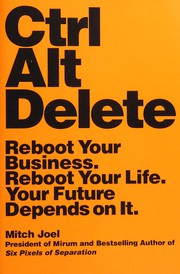
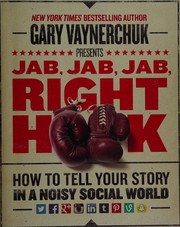

Case studies of Israeli technologies and how they were commercialised.
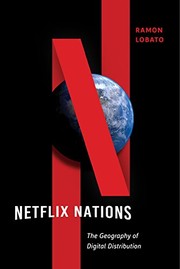
The geography and licensing limits of streaming television around the world.
Recommended by: David Hellmann

Recommended by: Nat Eliason
 Don Tapscottwrote 4 books here
 Chris Andersonwrote 2 books here
 Clayton Christensenwrote 1 book here
 Bill Gateswrote 1 book here
 Chris Dixonwrote 1 book here
 Gary Vaynerchukwrote 1 book here
 Mohnish Pabrairecommends 25 books here
 Marc Benioffrecommends 3 books here
 Reid Hoffmanrecommends 3 books here
 Ev Williamsrecommends 3 books here
 Patrick Collisonrecommends 3 books here
 Tony Hsiehrecommends 3 books here
 Jim Collinsrecommends 2 books here
 Brad Feldrecommends 2 books here
Show all 48
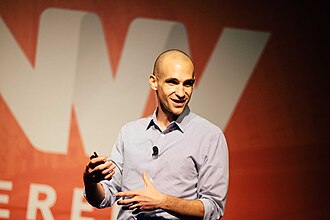 Nir Eyalrecommends 2 books here
 Tim O’Reillyrecommends 2 books here
 Andrew S. Groverecommends 1 book here
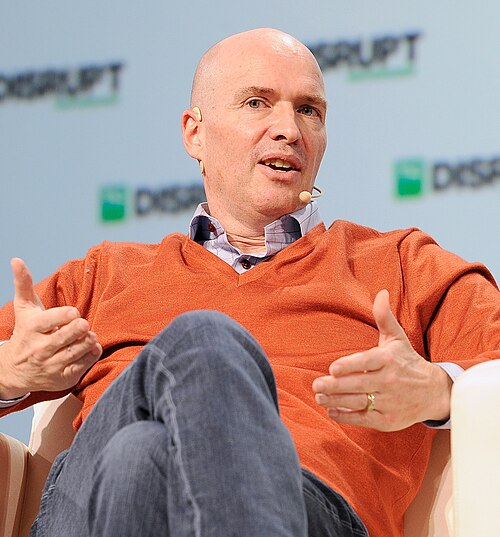 Ben Horowitzrecommends 1 book here
 Marc Andreessenrecommends 1 book here
 Paul Grahamrecommends 1 book here
 Peter Thielrecommends 1 book here
 Kevin Kellyrecommends 1 book here
 Guy Kawasakirecommends 1 book here
 Ryan Holidayrecommends 1 book here
 Aaron Levierecommends 1 book here
 Bill Gurleyrecommends 1 book here
 Brett Adcockrecommends 1 book here
 Brian Armstrongrecommends 1 book here
 Caterina Fakerecommends 1 book hereChris Dixonrecommends 1 book here
 Drew Houstonrecommends 1 book hereGary Vaynerchukrecommends 1 book here
 Jack Marecommends 1 book here
 Jeff Bezosrecommends 1 book here
 Jensen Huangrecommends 1 book here
 Keith Raboisrecommends 1 book here
 Mark Cubanrecommends 1 book here
 Matt Mullenwegrecommends 1 book here
 Max Levchinrecommends 1 book here
 Michael Bloombergrecommends 1 book here
 Reed Hastingsrecommends 1 book here
 Steve Jobsrecommends 1 book here