Innovation, disruption and platforms
Christensen's disruption theory, innovation management, e-business strategy and the economics of platforms and networks.
Start here
- MatchmakersDavid S. Evans, Richard Schmalensee, 2016
- Design RulesCarliss Y. Baldwin, Kim B. Clark, 1999
- Rembrandts in the AtticKevin G. Rivette, David Kline, 1999
- Platform LeadershipAnnabelle Gawer, Michael A. Cusumano, 2002
- Prediction MachinesAjay Agrawal, Joshua Gans, Avi Goldfarb, 2018
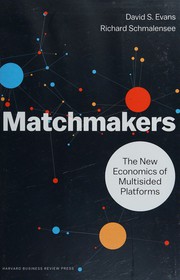
How multi-sided platforms such as card networks get both sides on board at once.

A theory of modularity in design, applied to the history of the computer industry.

Treat patents as financial and strategic assets, not legal defences.
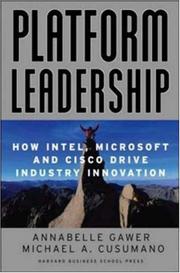
How Intel and others became and stayed leaders of technology platforms.
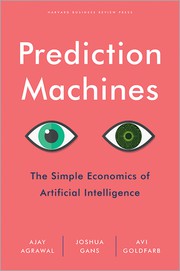
AI as a fall in the cost of prediction, and what that does to decisions and jobs.
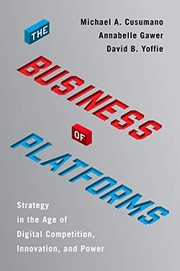
Innovation platforms and transaction platforms, and what each needs to succeed.
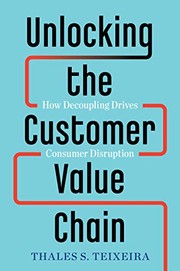
Disruptors win by breaking one link in the customer's chain of activities.
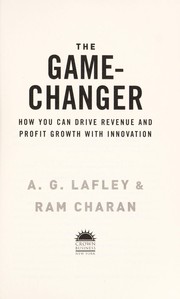
Insider account: Lafley on making innovation a routine process.

IP as competitive strategy rather than legal housekeeping.

Business-model innovation as a discipline, with a profit-formula framework.
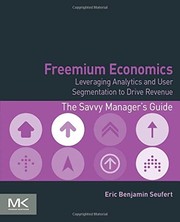
The arithmetic of conversion rates, whales and lifetime value.

Designing the interaction that a platform is actually built around.
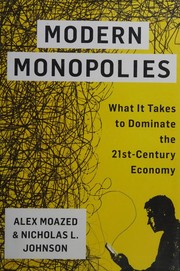
Practitioner account of how platform businesses capture a transaction.
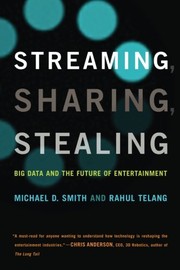
Data economics of the shift from studios to streamers.

Recommended by: Mohnish Pabrai

Recommended by: Mohnish Pabrai
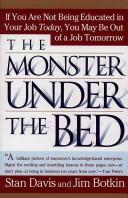
Recommended by: Mohnish Pabrai

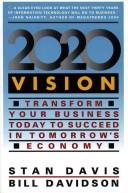
210 short pieces of business advice for a fast-changing early-1990s economy.
Recommended by: Mohnish Pabrai

Recommended by: Mohnish Pabrai
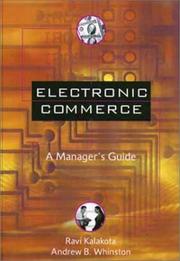
Recommended by: Mohnish Pabrai
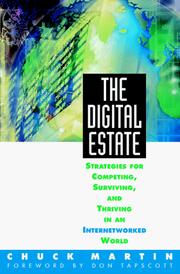
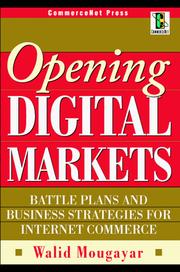
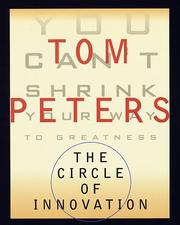
Cost-cutting can't produce growth; a company must stand out to win.
Recommended by: Mohnish Pabrai
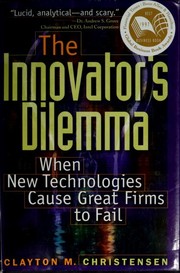
Why well-run firms lose to cheaper, worse products that enter at the market's bottom.
“Awesome book. May move soon to my Top Ten List. If anything will keep CEOs awake at night, reading this book certainly will.” — Mohnish Pabrai
Source: Mohnish's Bookshelf — Books on Sales & Marketing, entry 66
Recommended by: Jim Collins, Mohnish Pabrai, Aaron Levie and 27 others
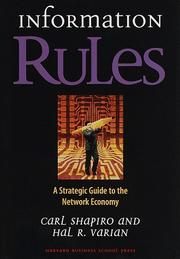
Economics for information goods: pricing, versioning, lock-in and network effects.
Recommended by: Mohnish Pabrai, Tim O’Reilly
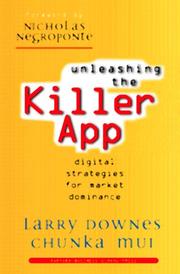
Recommended by: Mohnish Pabrai
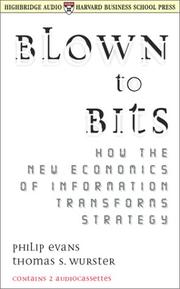
Recommended by: Mohnish Pabrai
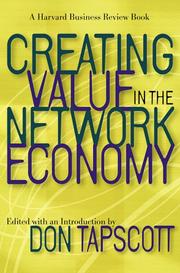
Recommended by: Mohnish Pabrai
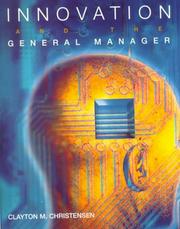
Irwin/McGraw-Hill case textbook
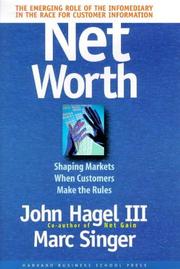
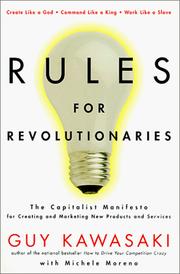
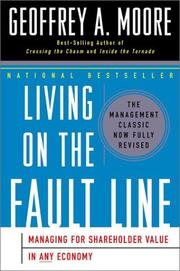
Run a tech company for shareholder value by funding its core advantage.
“Moore's forthcoming book, Living on the Fault Line... is terrific and highly recommended.” — Michael Mauboussin
Source: Network to Net Worth: Exploring Network Dynamics (CS First Boston)
Recommended by: Michael Mauboussin

Why long-lived companies underperform the market, and how to transform them.
Recommended by: Mohnish Pabrai
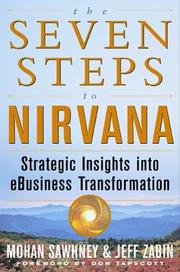
Recommended by: Mohnish Pabrai
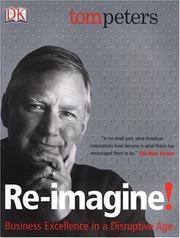
A manifesto to rebuild firms for an age of automated white-collar work and design.
Recommended by: David Cancel
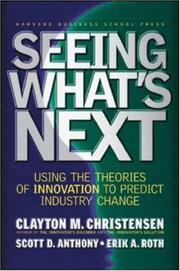
Disruption theory used to forecast how industries will change.
Recommended by: Ev Williams
Recommended by: Ev Williams, Keith Rabois

Without shelf limits, sales of many niche products add up to rival the hits.
Recommended by: Jim Collins, Ev Williams, Jack Ma and 1 other

Recommended by: Mohnish Pabrai
Why imitating others' innovations matters as much as innovating.
Recommended by: Mohnish Pabrai

Games operator on retention, whales and the shape of monetisation curves.

How to anticipate change and create your own opportunities in business.
Recommended by: Tom Bilyeu
Customers hire products to do a job; innovate by finding the job, not the buyer type.
Recommended by: Reid Hoffman

Why organisations kill breakthrough projects, and how structure can protect them.
Recommended by: Arianna Huffington, Bill Gates and 8 others

Recommended by: Kathryn Minshew
Recommended by: David Hellmann
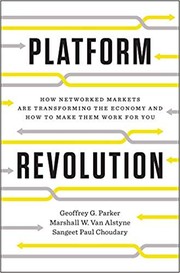
How platforms create value by matching groups, unlike linear pipeline businesses.
Recommended by: Reid Hoffman
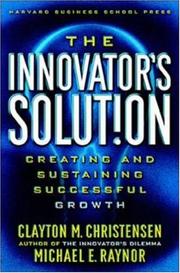
How a company can build new businesses through low-end and new-market disruption.
Recommended by: Jeff Bezos, Keith Rabois
 Clayton Christensenwrote 7 books here
 Don Tapscottwrote 2 books here
 Chris Andersonwrote 1 book here
 Guy Kawasakiwrote 1 book here
 Bill Gateswrote 1 book here
 Mohnish Pabrairecommends 23 books here
 Ev Williamsrecommends 4 books here
 Reid Hoffmanrecommends 3 books here
 Keith Raboisrecommends 3 books here
 Jim Collinsrecommends 2 books here
 Marc Benioffrecommends 2 books here
 Ryan Holidayrecommends 2 books hereBill Gatesrecommends 2 books here
 Jeff Bezosrecommends 2 books here
 Kathryn Minshewrecommends 2 books here
 Nir Eyalrecommends 2 books here
Show all 52
 Tim O’Reillyrecommends 2 books here
 Andrew S. Groverecommends 1 book here
 Ben Horowitzrecommends 1 book here
 Daniel Kahnemanrecommends 1 book here
 Marc Andreessenrecommends 1 book here
 Paul Grahamrecommends 1 book here
 Brad Feldrecommends 1 book here
 Kevin Kellyrecommends 1 book hereGuy Kawasakirecommends 1 book here
 Aaron Levierecommends 1 book here
 Arianna Huffingtonrecommends 1 book here
 Bill Gurleyrecommends 1 book here
 Brett Adcockrecommends 1 book here
 Caterina Fakerecommends 1 book here
 Changpeng Zhaorecommends 1 book here
 Chris Dixonrecommends 1 book here
 Drew Houstonrecommends 1 book here
 Gary Vaynerchukrecommends 1 book here
 Jack Marecommends 1 book here
 Jensen Huangrecommends 1 book here
 Mark Cubanrecommends 1 book here
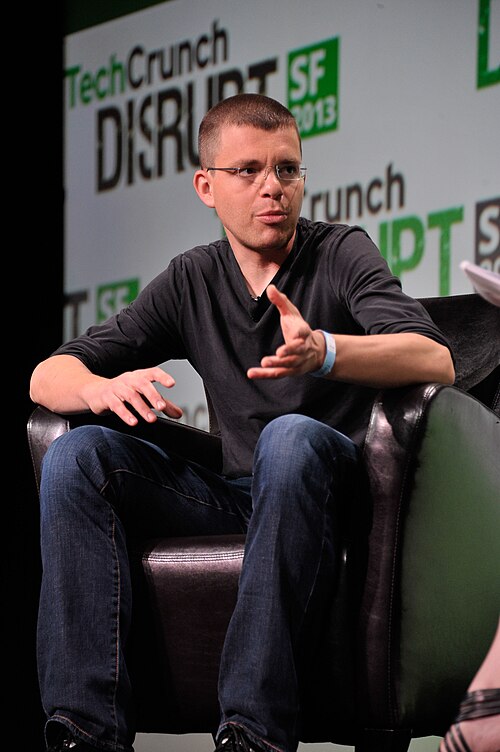 Max Levchinrecommends 1 book here
 Michael Bloombergrecommends 1 book here
 Reed Hastingsrecommends 1 book here
 Steve Jobsrecommends 1 book here
 Susan Cainrecommends 1 book here
 Tim Ferrissrecommends 1 book here
 Tom Bilyeurecommends 1 book here
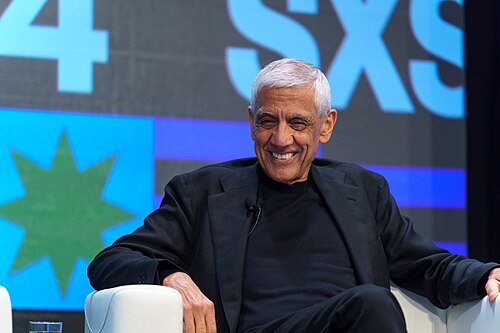 Vinod Khoslarecommends 1 book here