
Technology and Computing
Software, hardware, networks, the internet and the wider history and practice of technology and engineering. Read by engineers, product people and readers tracking how technology reshapes everything else.
Start here
- The Path Between the SeasDavid McCullough, 1977
- The Soul of a New MachineTracy Kidder, 1981
- Networks of PowerThomas P. Hughes, 1983
- Normal AccidentsCharles Perrow, 1984
- Structure and Interpretation of Computer ProgramsHarold Abelson, Gerald Jay Sussman, 1985

The building of the Panama Canal, from France's failed attempt to US completion.
Recommended by: Mohnish Pabrai, Bill Gates
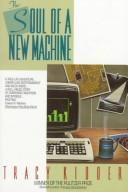
A Data General team races to design a 32-bit minicomputer in about a year.
“Must-read for anyone in a product development or a startup environment.” — Mohnish Pabrai
Source: Mohnish's Bookshelf — Books on Sales & Marketing, entry 73
Recommended by: Mohnish Pabrai, Patrick Collison, Brad Feld and 3 others

Electrification in the US, Britain and Germany, 1880 to 1930, as a technical system.
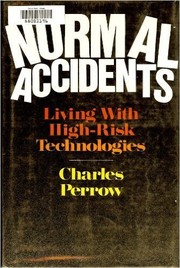
Why complex, tightly coupled systems such as Three Mile Island will fail regardless.
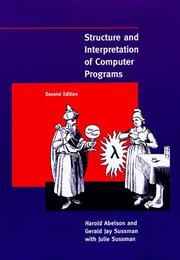
MIT's introductory computer science text, taught through Lisp and Scheme.
Recommended by: Patrick Collison, Paul Graham, Bret Victor and 1 other

How the bomb was built, from the discovery of atomic energy to Hiroshima.
Recommended by: Chris Dixon, Elon Musk, Patrick Collison
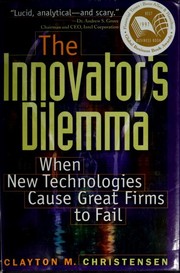
Why well-run firms lose to cheaper, worse products that enter at the market's bottom.
“Awesome book. May move soon to my Top Ten List. If anything will keep CEOs awake at night, reading this book certainly will.” — Mohnish Pabrai
Source: Mohnish's Bookshelf — Books on Sales & Marketing, entry 66
Recommended by: Jim Collins, Mohnish Pabrai, Aaron Levie and 27 others

Economics for information goods: pricing, versioning, lock-in and network effects.
Recommended by: Mohnish Pabrai, Tim O’Reilly
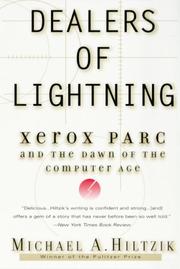
How Xerox PARC built the first personal computer and laser printer, and lost them.
Recommended by: Austen Allred, Patrick Collison, Sam Altman
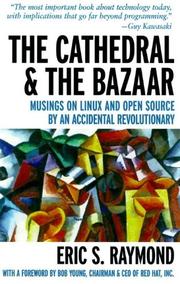
Essays on open-source software and its model of collaborative development.
Recommended by: Paul Graham, Ryan Holiday
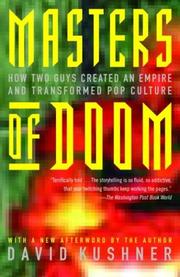
How John Carmack and John Romero made Doom and Quake and changed video games.
Recommended by: Alexis Ohanian, Patrick Collison

How inventions of 1867 to 1914, from electricity to cars, made the modern world.
Recommended by: Mohnish Pabrai, Bill Gates

How the diesel engine and the gas turbine made modern global trade possible.
Recommended by: Bill Gates, Mohnish Pabrai

How American manufacturing rose to lead the world, and why its share then fell.
Recommended by: Mohnish Pabrai
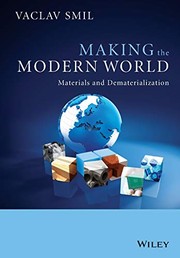
How much steel, cement and plastic the world uses, and whether growth needs less.
Recommended by: Bill Gates, Mohnish Pabrai

How Bitcoin works underneath: keys, addresses, transactions, mining and the network.
Recommended by: Balaji S. Srinivasan
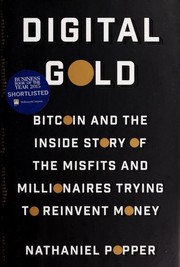
The rise of Bitcoin and the people trying to build a new money for the internet.

How multi-sided platforms such as card networks get both sides on board at once.

How platforms create value by matching groups, unlike linear pipeline businesses.
Recommended by: Reid Hoffman

SpaceX's first six years, when it nearly failed four times before Falcon 1 flew.
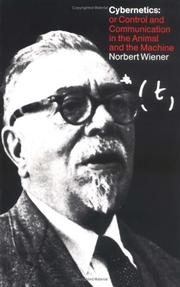
Control and communication in animals and machines run on the same principles.
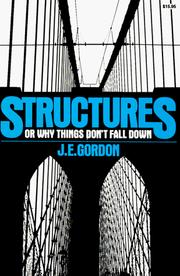
Why structures hold up or fail: tension, compression, shear and fracture explained.
Recommended by: Elon Musk

Three generations of hackers, from MIT's AI Lab to the Homebrew club and game makers.
Recommended by: Austen Allred, Ev Williams, Marc Andreessen and 3 others
How Kilby and Noyce each invented the integrated circuit in 1958 and 1959.
Recommended by: Patrick Collison

How Xerox invented the personal computer and then ignored it.
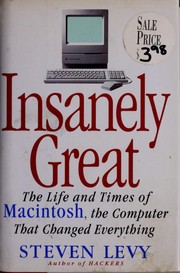
How the Macintosh was made and launched in 1984.
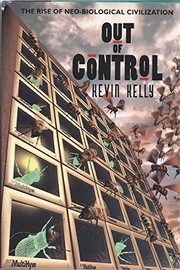
How machines and economies grow so complex that they behave like living systems.
Recommended by: Cynthia Johnson, Ev Williams and 1 other
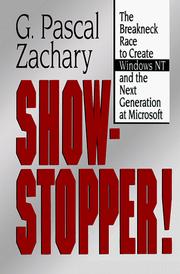
Inside Microsoft's Windows NT team from 1988 to its 1993 release.
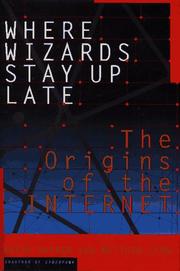
How Licklider and Pentagon-funded engineers built the network behind the internet.
Recommended by: Patrick Collison, Chris Dixon
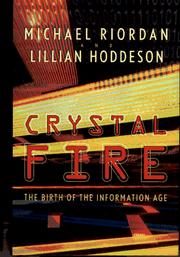
How the Bell Labs team of Shockley, Bardeen and Brattain invented the transistor.
Recommended by: Patrick Collison

How to invest in tech stocks by backing the gorilla that wins each market.
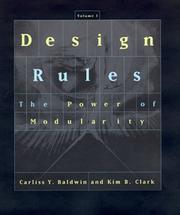
A theory of modularity in design, applied to the history of the computer industry.
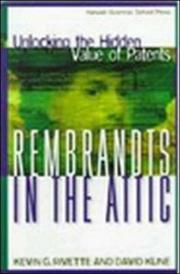
Treat patents as financial and strategic assets, not legal defences.
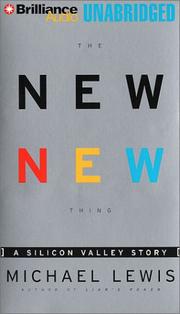
Jim Clark, founder of Silicon Graphics and Netscape, starts a third company in 1999.
Recommended by: Ryan Holiday, Andrew Chen, Austen Allred and 1 other

Run a tech company for shareholder value by funding its core advantage.
“Moore's forthcoming book, Living on the Fault Line... is terrific and highly recommended.” — Michael Mauboussin
Source: Network to Net Worth: Exploring Network Dynamics (CS First Boston)
Recommended by: Michael Mauboussin
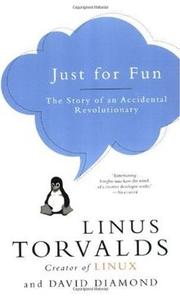
How Linux came to be developed, and how its creator thinks.
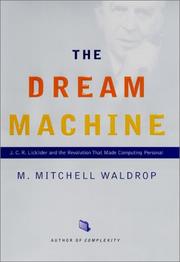
J.C.R. Licklider's vision of computers that serve individuals, and how it came true.
Recommended by: Marc Andreessen, Patrick Collison
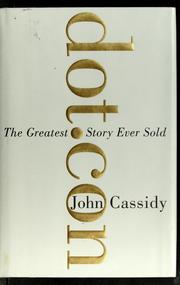

How Intel and others became and stayed leaders of technology platforms.
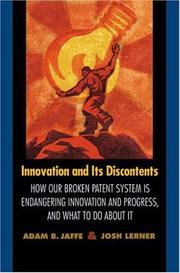
How 1980s changes turned the US patent system from aid to obstacle for innovation.
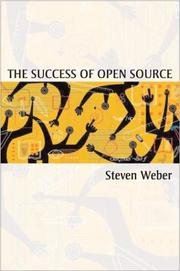
Political economy of production without conventional property.

Robert Noyce, Fairchild Semiconductor and the founding of Intel.
Recommended by: Jim Collins, Mohnish Pabrai and 2 others
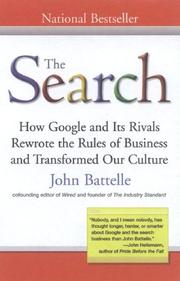
The search industry from early engines to Google, and how paid search was invented.
Recommended by: Gary Vaynerchuk, Keith Rabois
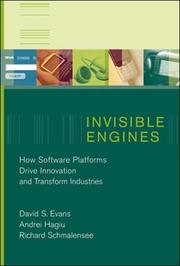
Software platforms as two-sided markets, and how they price and grow.

Without shelf limits, sales of many niche products add up to rival the hits.
Recommended by: Jim Collins, Ev Williams, Jack Ma and 1 other
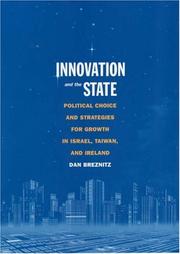
How Israel, Taiwan and Ireland each used the state to build IT industries.
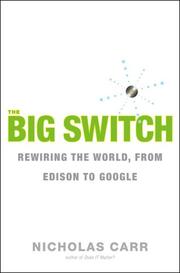
Computing is becoming a utility supplied over a network, as electricity did.
Recommended by: Marc Benioff
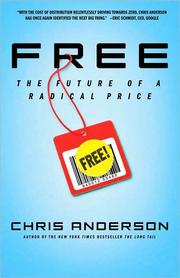
Digital costs near zero mean goods can be given away, which changes whole industries.

How Google disrupted newspapers, books, television and advertising.
Recommended by: Brian Chesky, Keith Rabois
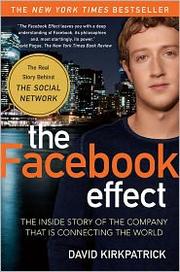
Facebook from its Harvard origin to 2010, with wide access to Zuckerberg.
Recommended by: Drew Houston, Dustin Moskovitz
Every US information industry moved from an open era to control by one firm.
Recommended by: Patrick Collison, Andrew Chen
How humanity and technology together keep widening the opportunities open to people.
Recommended by: Patrick Collison, Stewart Brand, Nir Eyal
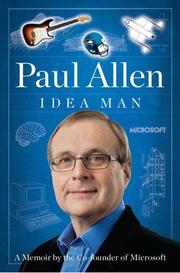
A Microsoft co-founder's memoir of his ventures, successes and failures.
Recommended by: Mohnish Pabrai
Google's technical and business decisions from Stanford research to 2011.
Recommended by: Mohnish Pabrai, Charlie Munger, Drew Houston and 2 others
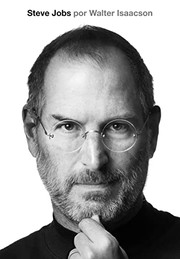
Steve Jobs's life and Apple's products, from forty interviews with him and many more.
Recommended by: Mohnish Pabrai, Patrick Collison and 17 others
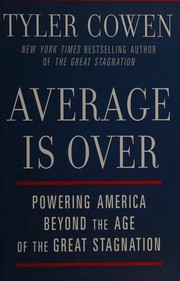
Work is splitting between those who work well with smart machines and the rest.
“Tyler Cowen... dedicates a chapter to freestyle chess in his terrific book, Average Is Over.” — Michael Mauboussin
Source: Lessons from Freestyle Chess: Merging Fundamental and Quantitative Analysis (Credit Suisse)
Recommended by: Michael Mauboussin, Ryan Holiday
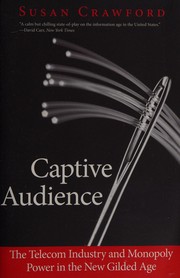
How government decisions and monopolies left US internet access slow and costly.

A catalogue reviewing over 1,500 tools and what each one is good for.
Recommended by: John Doerr

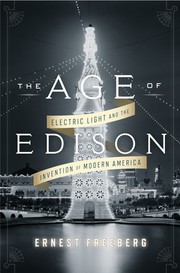
How Edison's electric light changed American life and marked a new age.
Recommended by: Alfred Lin, Patrick Collison

A forecast of a hugely connected future world, with its challenges and benefits.
Recommended by: Mohnish Pabrai, Michael Bloomberg
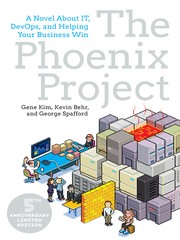
A novel in which an IT manager rescues a failing project using lessons from The Goal.
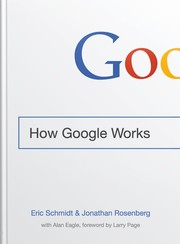
How Google hired and managed smart creatives, people who can't be told what to do.
Recommended by: Mohnish Pabrai, Cynthia Johnson and 2 others
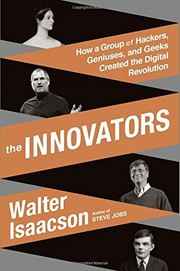
Computing as a run of collaborations, from Ada Lovelace and Babbage to Google.
Recommended by: Mohnish Pabrai, Bill Gates, Chris Fussell and 2 others
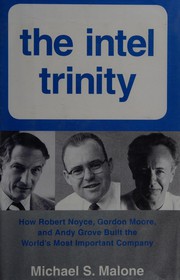
Intel's history through Robert Noyce, Gordon Moore and Andy Grove.
Recommended by: Mohnish Pabrai, Keith Rabois
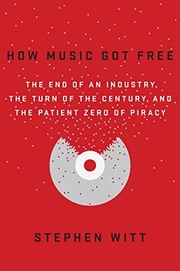
How the mp3, a CD-factory leaker and pirate websites broke the music business.
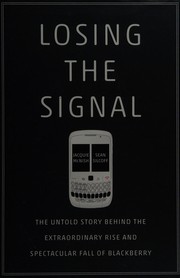
How BlackBerry maker Research In Motion rose to dominance and fell after the iPhone.
Recommended by: Andrew Wilkinson, Mohnish Pabrai
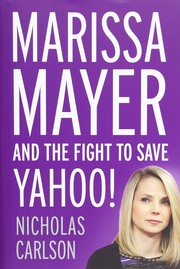
Marissa Mayer's arrival at Yahoo in 2012 and her struggle to turn it around.
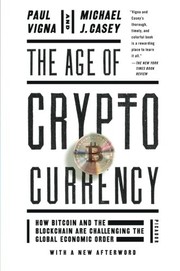
Wall Street Journal reporters on money, trust and the blockchain claim.
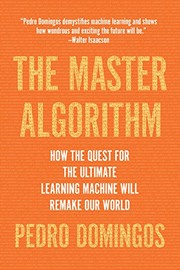
The five schools of machine learning, and the search for one algorithm to unite them.
Recommended by: Shane Parrish, Sam Altman, Vinod Khosla
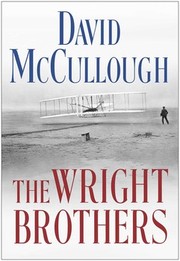
From a Dayton bicycle shop to the first powered flights and the 1908 demonstrations.
Recommended by: Ali Abdaal, Mohnish Pabrai, Morgan Housel and 3 others
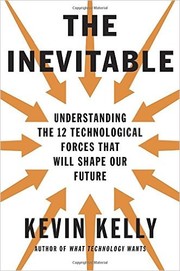
The technology trends that will reshape daily life over the next thirty years.
Recommended by: Nat Eliason, Patrick Collison, Alfred Lin and 1 other

The life of Claude Shannon, whose information theory underlies the digital age.
Recommended by: Bryan Johnson, Jim O'Shaughnessy and 1 other

How games such as Uncharted 4, Halo Wars and Destiny were made, and the strain.

Why the platform mattered politically, and what that cost it.
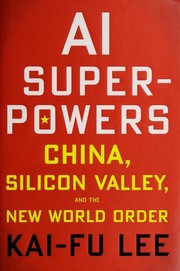
Why China may match the US in AI now that applying it matters more than research.
Recommended by: Balaji S. Srinivasan, Alfred Lin and 2 others
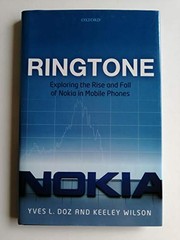
Subtitled Exploring the Rise and Fall of Nokia in Mobile Phones.

Sound money must hold value over time, and Bitcoin's fixed supply makes it such.
Recommended by: Balaji S. Srinivasan, Alex Lieberman and 1 other

The hidden on-demand workers who make automated online services work.
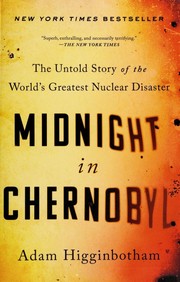
The 1986 Chernobyl disaster, and the secrecy and myth that hid what happened.
Recommended by: Casey Neistat

Innovation platforms and transaction platforms, and what each needs to succeed.
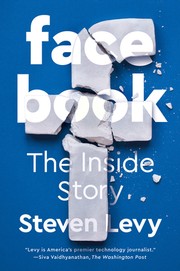
Facebook from its founding to 2019, from hundreds of interviews including Zuckerberg.

A trader in his parents' London house, and his link to the 2010 flash crash.

The Instagram story, its sale to Facebook and what Zuckerberg did to its founders.
Recommended by: Casey Neistat

Samsung Electronics and the Lee family that controls it, from inside.

The struggle to make machine learning systems do what people actually intend.
Recommended by: Sam Altman

Why the US buys military power wrongly, and the case for cheap autonomous systems.
Recommended by: Palmer Luckey

How open-source software is really made and maintained, often by a few people.
Recommended by: Balaji S. Srinivasan, Delian Asparouhov

How Facebook mishandled data and spread fake news and hate, and its inner politics.

One USB charger followed from a factory in Vietnam by ship and truck to a door.
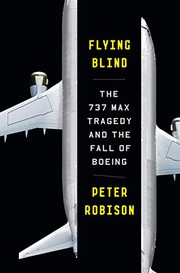
The two 737 MAX crashes and the corporate history at Boeing that led to them.

How Hinton, LeCun and Bengio kept neural networks alive until deep learning took off.

Tesla from its founding disputes through the Model 3 production crisis to 2020.

How to launch a network product that is worthless until enough people use it.
Recommended by: Reid Hoffman

Apple after Steve Jobs, told through Tim Cook's operations and Jony Ive's design.

How chips became the key to economic and military power, made in a few chokepoints.
Recommended by: Andrew Wilkinson

Two years inside the 2021 crypto boom and 2022 bust, starting from Tether.

Why AI and synthetic biology will spread fast and cheaply, and how to contain them.
“Everything is about to be changed by AI in a radical, scary way” — Andrew Wilkinson
Source: Newsletter
Recommended by: Andrew Wilkinson, Bill Gates and 1 other

How trade and payment chokepoints became instruments of state coercion.

Four companies, from Planet Labs to Rocket Lab, racing to build cheap satellites.

A biography of Bill Gates covering his reinvention after Microsoft.
Recommended by: Andrew Wilkinson
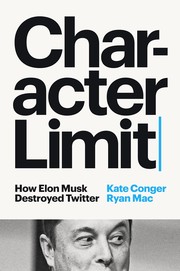
How Elon Musk's takeover wrecked Twitter.
Nvidia from its 1993 founding to the AI boom, from interviews with Jensen Huang.

SpaceX from 2008 through Falcon 9, the Dragon capsule and reusable boosters.

How Apple built its manufacturing base in China, and what it gave China in return.
“This is a phenomenal read... A brilliantly researched book. This book was hard to put down.” — Christopher Bloomstran
Source: Semper Augustus 2025 Letter to Clients, 'Books and Music', p. 87
Recommended by: Christopher Bloomstran
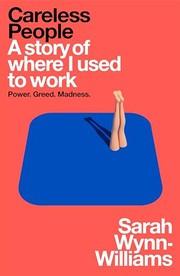
A former Facebook policy director's memoir of the company from 2011 to 2017.


Sam Altman's life, including his November 2023 firing and return at OpenAI.
Recommended by: Andrew Wilkinson

Alex Karp and Palantir's path from CIA funding to the surveillance state.
Insider manifesto by Palantir's CEO on tech and national power.

How the stirrup and the plough reorganised medieval society and economy
Recommended by: Patrick Collison, Paul Graham
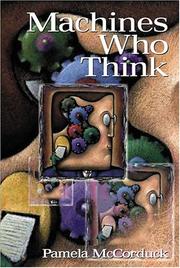
The founding of AI research, from interviews with McCarthy, Minsky and others.
Classic on the bet-the-company economics of airliner programs.
The idea of personal computing and the people who pursued it, up to PARC.
Portraits of the scientists, engineers and founders behind new technology.

How electricity spread through everyday American life and commerce.

Recommended by: Mohnish Pabrai, Naval Ravikant

Nucor building a mini-mill at the bottom of the steel cycle.
AI research from Dartmouth in 1956 to the funding cuts, told by the field's leaders.

How IBM lost control of the PC industry to Microsoft, Intel and the clone makers.
“The first challenge to the centralized mindset comes from a delightful book by MIT Professor Mitchel Resnick, "Turtles, Termites, and Traffic Jams.” — Michael Mauboussin
Source: The Invisible Lead Steer: New Answers to Old Questions About the Stock Market (CS First Boston)
Recommended by: Michael Mauboussin
IBM's technical and organisational history up to the System/360 computers.

Commercial aviation from biplanes after the First World War to deregulation.
Contemporary profiles including Yahoo's founding by Yang and Filo.
Recommended by: Keith Rabois
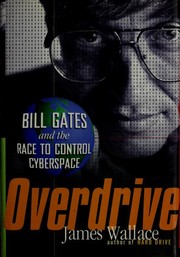
Sequel to Hard Drive, on the browser wars and the road to antitrust.
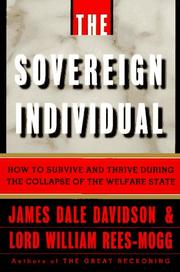
1997 forecast of digital money weakening the nation state
Recommended by: Balaji S. Srinivasan, Nat Eliason and 11 others

Seymour Cray and the supercomputer business he built and lost
Recommended by: Sam Altman

Recommended by: Mohnish Pabrai

Recommended by: Mohnish Pabrai
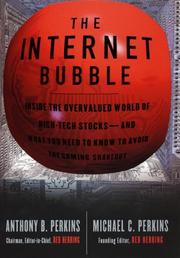
Written before the crash, naming Yahoo among the overvalued.
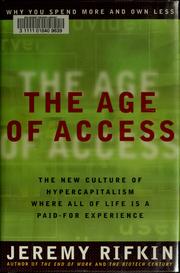
Early and prescient case that access would displace ownership.
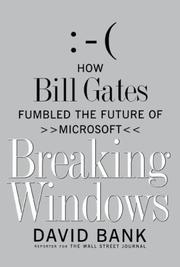
Microsoft's internal fights over the internet and over the antitrust case.

The argument that Taiwan's chip industry protects it from Chinese attack.
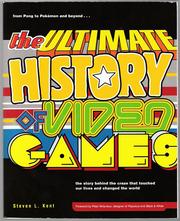
Video games from their pre-electronic origins to the industry of 2001.

Richard Stallman, the free software movement and the GPL licence he wrote.
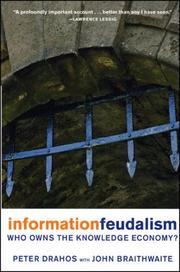
How the TRIPS treaty spread patent and copyright rents worldwide, drugs included.
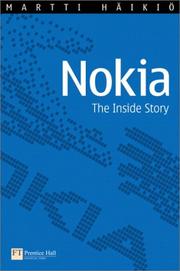
Nokia's history, written with access to its boardroom records.
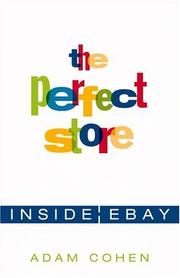
eBay: the cleanest early case of a pure marketplace take rate.
Recommended by: Ev Williams
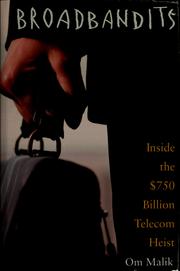
The telecom capex bubble, with Ebbers and WorldCom at its centre.
Recommended by: Matt Mullenweg

How the AOL Time Warner merger, the largest in US history, fell apart.

The AOL side of the AOL Time Warner merger, reported as it collapsed.
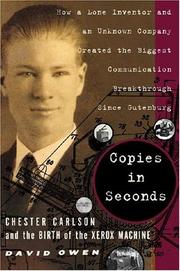
Chester Carlson and xerography, the invention that funded PARC.
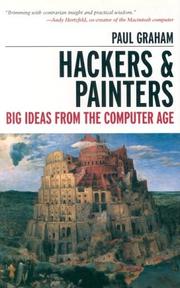
Subtitled 'Big Ideas from the Computer Age'; collects early essays
Recommended by: Brian Armstrong, Ev Williams, Keith Rabois and 3 others
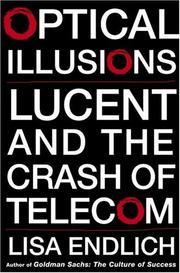
How Lucent went from industry leader to junk credit rating in two years.

Payments economics: interchange, closed loops and why Amex's model differs.
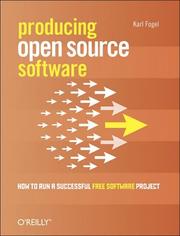
How to run an open source project, its community and its sponsors.
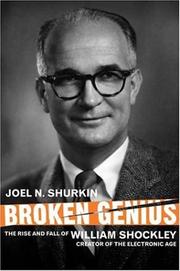
Shockley and the accidental seeding of Silicon Valley.
Recommended by: Bill Gates
The duopoly rivalry and the 787 and A380 bets.
Evidence that patents work poorly as property; the IP-as-asset skeptic case.

Strategy comparison explaining how Samsung overtook Sony.

How Microsoft turned patents from lawsuits into a licensing business.

How the chip industry moved to contract manufacturing, and what changed with it.
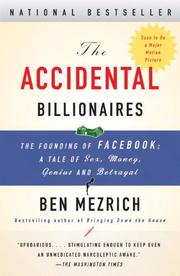
Dramatised founding story; source for The Social Network.
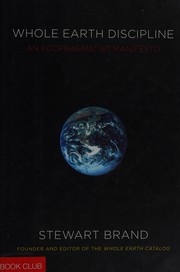
Environmentalist case for nuclear power, dense cities and genetic engineering
“on why even environmentalists should be pro building, pro cities, pro nuclear, and pro genetic engineering” — Marc Andreessen
Source: @pmarca, companion thread to 'It's Time to Build'
Recommended by: Marc Andreessen, Jack Dorsey and 2 others

Execution algorithms and direct market access, from the desk.

Video games from Atari and cartridge consoles to Nintendo and the global industry.

How utility business models must change once regulated growth ends.


Inside Y Combinator in the years before Altman ran it.
Recommended by: Garry Tan, Paul Graham
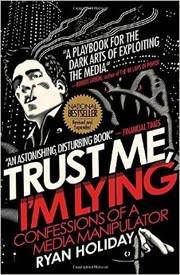
Recommended by: Ryan Holiday, Chase Jarvis, Raoul Pal

The arithmetic of conversion rates, whales and lifetime value.
The pay-TV smartcard hacking operation; the strangest corner of the empire.
Why US railroads declined under regulation and recovered after the Staggers Act.
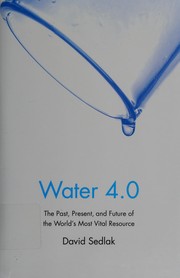
The engineering and capital replacement cycle of urban water systems.

Water technology as an export industry built from a domestic constraint.

The life of Intel founder Gordon Moore and the forecast named after him.

Designing the interaction that a platform is actually built around.

How minor metals are mined, traded and hoarded.
The global race to build a better lithium-ion battery for electric cars.
The critical case: platform power, housing supply and regulatory arbitrage.

The high-water mark of enterprise blockchain enthusiasm.

Insider account of Facebook's ads business by a product manager.
Recommended by: Mohnish Pabrai, Nat Eliason, Alfred Lin and 3 others
How Kenya's tech startups and M-Pesa grew, with interviews with their founders.

The Ansari X Prize and the start of commercial human spaceflight.

Practitioner account of how platform businesses capture a transaction.

Data economics of the shift from studios to streamers.

How licensing in place of sale strips buyers of control over what they paid for.
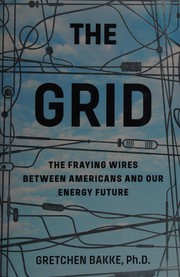

Power in a networked age; connection as the source of advantage
Recommended by: Reid Hoffman
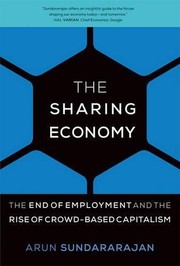
Economics of trust and matching that make marketplaces like Airbnb work.

How Israel's military tech, from drones to cyber, feeds its commercial industry.

Autonomy from the incumbent and Waymo side.

Reporting on the culture that produced Uber's 2017 crisis.
Recommended by: Aaron Levie, Aileen Lee, Arianna Huffington and 3 others
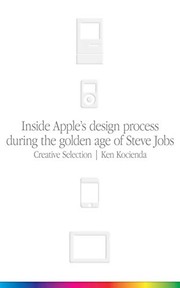
Insider account by the engineer who built the iPhone keyboard.
Recommended by: Chris Dixon, Jordan Hughes, Keith Rabois

The revival of co-operatives and member ownership, online platforms included.
Why America lags in fibre-optic broadband, and the case against the cable incumbents.


The gig economy's promises and realities, and the law on classifying its workers.


The sceptical case: the tech sector is an enclave, not an economy.

The case that blockchain architectures displace the centralised web
Recommended by: Peter Thiel

Why complex systems fail, from Volkswagen to Everest, and how to design against it.

The commercial-space policy fight that let SpaceX in.

SpaceX against Blue Origin and the legacy contractors.

Oral history; Thiel and the PayPal cohort speak in their own words.


Insider account by Microsoft's president on tech policy and regulation.
Recommended by: Bill Gates, Reed Hastings, Reid Hoffman and 1 other

By an early mentor and investor who turned against the company.
Recommended by: Marc Benioff

The case that programmatic advertising is a mispriced market.

How Vitalik Buterin and others built Ethereum and its smart contracts.

Insider memoir by the engineer whose blog post triggered the reckoning.

The self-driving contest Tesla bet its valuation on.

The demand side: what full electrification of homes and vehicles requires.

How renowned video game studios fell apart, and what happened to their staff.

GameStop and Citadel Securities' order flow; dramatised.

Peter Thiel biography with substantial Palantir founding material.
Recommended by: Andrew Wilkinson

The streaming wars Netflix started, from the studios' side.

How intermediaries capture creative-work rents; the bear case for creators.

NASA insider on the policy fight that funded commercial crew.

The story of Tencent, Alibaba's main rival, and China's tech ambitions.

The Ethereum world and token economics FTX was built to trade.

Argument that online communities can become sovereign; crypto-native politics
Recommended by: Balaji S. Srinivasan, Brian Armstrong and 4 others

Bootstrapped SaaS economics: pricing, churn, plateau.
Fast narrative of the takeover and the layoffs.


Includes the authors' own interview with Bankman-Fried.

Twitter under Jack Dorsey's second spell as chief, through its sale to Elon Musk.
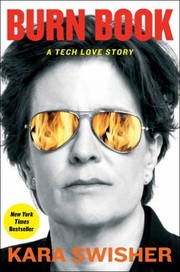
A tech reporter's memoir, including Sam Altman and OpenAI's board crisis.

Elon Musk's takeover of Twitter, told through the employees who lived through it.
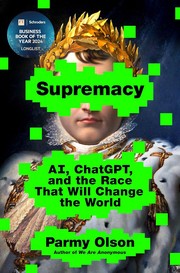
The OpenAI-DeepMind race that set the shape of Nvidia's customer base.
Recommended by: Andrew Wilkinson

Insiders on Pentagon-Valley contracting where Palantir won
The founder scene around OpenAI, reported from inside the funding rounds.
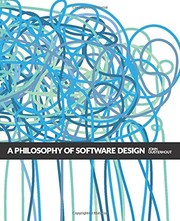
Software's enemy is complexity, which grows through shallow modules and shortcuts.
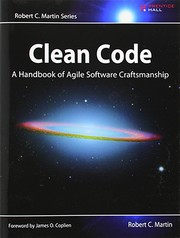
Rules for readable code: short functions, clear names, one level of abstraction.

How to work alongside large language models across many kinds of knowledge work.

A catalogue of moves that improve existing code without changing what it does.

A programmer's craft: when code is good enough and what to automate.

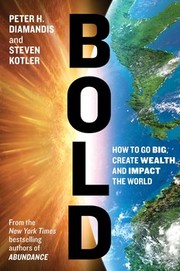
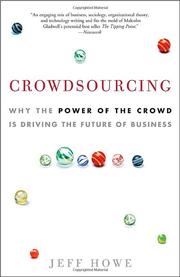
How to use prize competitions, crowdfunding and communities to go big.
Recommended by: Nat Eliason, James Altucher, Tom Bilyeu
Recommended by: Patrick Collison
Recommended by: Patrick Collison


Recommended by: Nick Szabo


Recommended by: Patrick Collison

Recommended by: Patrick Collison

The process of design: how to invent things with new physical order and form.
Recommended by: Patrick Collison
Recommended by: Patrick Collison, David Perell


Recommended by: Patrick Collison

Recommended by: Patrick Collison, Marc Andreessen

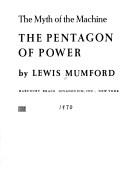
The forces that have shaped technology since prehistory and now shape modern people.
Recommended by: Patrick Collison
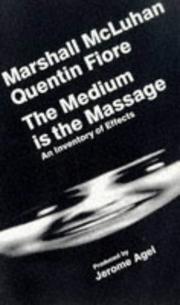

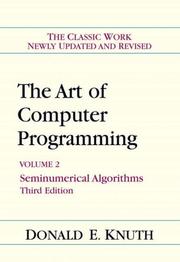
Recommended by: Max Levchin
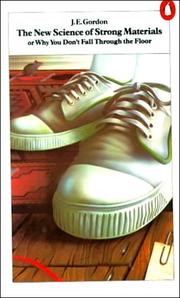
Recommended by: Bill Gates, Mohnish Pabrai
Recommended by: Patrick Collison

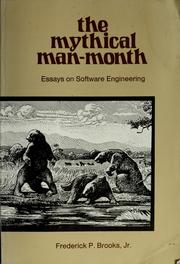
Lessons from IBM's OS/360: why adding people to a late software project slows it.
Recommended by: Mohnish Pabrai, Paul Graham, Andrew Chen and 3 others
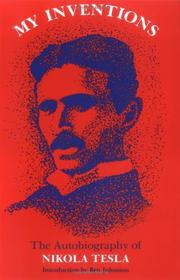
The inventor's own account of his life and work, the main source for his biographers.
Recommended by: Larry Page
Recommended by: Patrick Collison
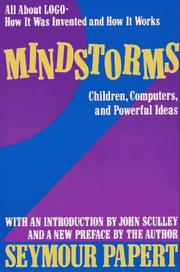

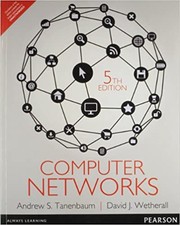

Recommended by: Eric Weinstein

Recommended by: Patrick Collison

Recommended by: Patrick Collison
Recommended by: Nick Szabo

Recommended by: Patrick Collison

Recommended by: Patrick Collison

Recommended by: Patrick Collison

Recommended by: Mohnish Pabrai

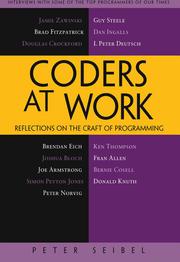
Interviews with leading programmers on the forces and traits behind their work.
Recommended by: Patrick Collison

Recommended by: Patrick Collison



How the IBM PC was built outside the normal organisation.

Recommended by: Mohnish Pabrai

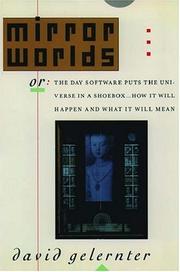
A forecast of vast software models that mirror the real world and change society.
Recommended by: Patrick Collison

How firms must use real-time information to serve never-satisfied customers.
Recommended by: Mohnish Pabrai
Recommended by: Patrick Collison

Recommended by: Patrick Collison

Recommended by: Patrick Collison
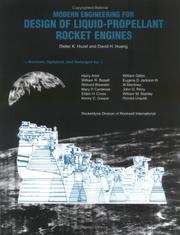
The engineering design of liquid-propellant rocket engines, with 470 illustrations.
Recommended by: Elon Musk


How a culture hands its judgement to machines, statistics and technical experts.
Recommended by: Patrick Collison, Tristan Harris

Recommended by: Eric Weinstein
Recommended by: Patrick Collison
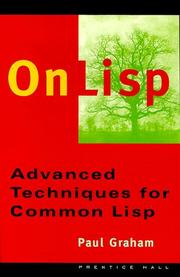
Out of print; Graham distributes it free as a PDF
Recommended by: Paul Graham, Patrick Collison
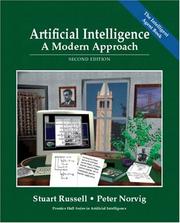
Recommended by: Patrick Collison
Alternating fiction and essay, a rewrite of Nineteen Eighty-Four with a new ending.
Recommended by: Mark Zuckerberg

Recommended by: Patrick Collison, Kevin Kelly

Inside Lockheed's secret projects unit, from the U-2 to the stealth fighter.
Recommended by: Patrick Collison, Sam Altman

Recommended by: Mohnish Pabrai

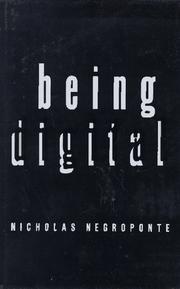
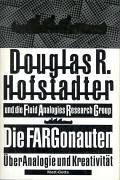
Recommended by: Patrick Collison

Profiles of 15 leading computer scientists, eight of them Turing Award winners.
Recommended by: Patrick Collison

Recommended by: Paul Graham, Bret Victor, Susan J. Fowler

Recommended by: Patrick Collison

Recommended by: Patrick Collison

Recommended by: Mohnish Pabrai
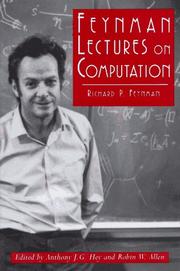
Recommended by: Patrick Collison

Recommended by: Patrick Collison

Recommended by: Mohnish Pabrai
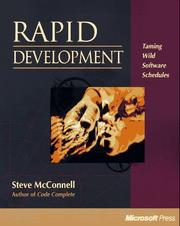
Recommended by: Mohnish Pabrai

Recommended by: Patrick Collison, Bret Victor, Keith Rabois

Recommended by: Patrick Collison


Recommended by: Eric Weinstein
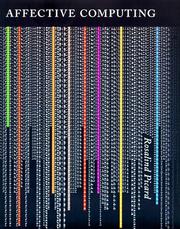
Recommended by: Rana el Kaliouby
How firms can build value and competitive advantage from online virtual communities.
Recommended by: Mohnish Pabrai


Recommended by: Patrick Collison


Insider account by a former Windows developer; hostile in tone.

Techniques for designing data structures in functional languages, with examples.
Recommended by: Patrick Collison
Recommended by: Stewart Brand
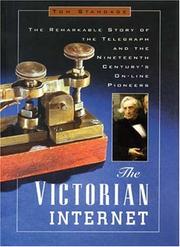

Recommended by: Mohnish Pabrai

Recommended by: Mohnish Pabrai


Recommended by: Balaji S. Srinivasan

Recommended by: Ev Williams


Predictions of computers passing the human brain and merging with human life.
Recommended by: Steve Jurvetson
Recommended by: Brian Armstrong, Patrick Collison and 2 others

Recommended by: Mohnish Pabrai

Recommended by: Patrick Collison
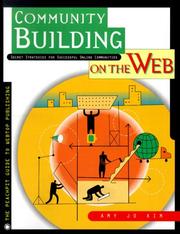

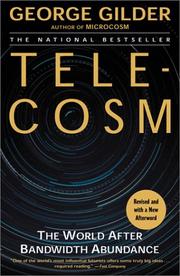
Bandwidth-abundance thesis; useful as a period document of the bubble.

Recommended by: Patrick Collison, Bret Victor and 1 other

Recommended by: Ev Williams


Recommended by: Sophie Bakalar
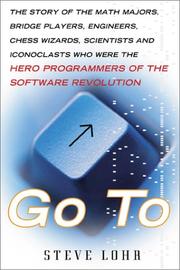

The chief engineer on designing, building, testing and flying the lunar module.
Recommended by: Patrick Collison
How the internet let amateurs topple old professions such as lawyers and stock gurus.

Recommended by: Mohnish Pabrai

Recommended by: Ev Williams
Recommended by: Mohnish Pabrai, Steve Jurvetson

Recommended by: Paul Graham


Recommended by: Mohnish Pabrai

Recommended by: Ev Williams

Recommended by: Ev Williams
Five technological revolutions since 1771, and why each brings a financial bubble.
“Perhaps the best book on the topic is Carlota Perez, Technological Revolutions and Financial Capital” — Michael Mauboussin
Source: New Business Boom and Bust: How Capitalism Experiments (Consilient Observer, Counterpoint Global)
Recommended by: Michael Mauboussin, Patrick Collison

Recommended by: Mohnish Pabrai
Recommended by: Antonio García Martínez

Recommended by: Patrick Collison


Recommended by: Patrick Collison
Recommended by: Mohnish Pabrai

Recommended by: John Maeda
Tips and tools for securing Linux, Windows, BSD and Mac servers and networks.
Recommended by: Patrick Collison
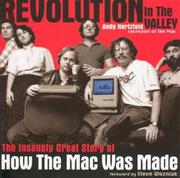
Recommended by: Keith Rabois, Patrick Collison

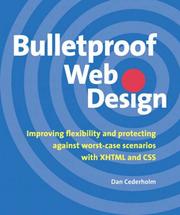
“When I first started MetaLab, Dan Cederholm was my hero. Bulletproof Web Design was the first book I read when I was learning the ropes.” — Andrew Wilkinson
Source: Essay
Recommended by: Andrew Wilkinson

Recommended by: Mohnish Pabrai

Recommended by: Patrick Collison
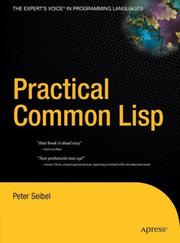
Practical Lisp programming, from language features to projects like an mp3 server.
Recommended by: Patrick Collison
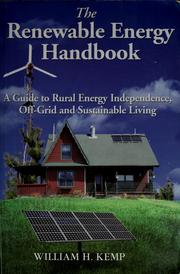
Recommended by: Mohnish Pabrai

Recommended by: Patrick Collison, Bret Victor, Kevin Kelly

Recommended by: Eric Weinstein
Recommended by: Patrick Collison
Recommended by: Patrick Collison, Mike Maples, Jr.

Recommended by: Bryant Chou


Recommended by: Patrick Collison


Recommended by: Patrick Collison

Recommended by: Jack Ma, John Maeda, Ryan Holiday

Recommended by: Mohnish Pabrai
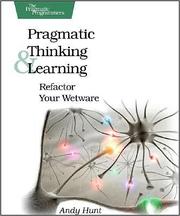
Cognitive science and learning theory applied to thinking and learning better.
Recommended by: Nat Eliason

Recommended by: Ann Handley
Recommended by: Patrick Collison

Recommended by: Patrick Collison


Recommended by: Patrick Collison, Bret Victor


Recommended by: Mohnish Pabrai
Recommended by: Patrick Collison

Recommended by: Patrick Collison

Recommended by: Patrick Collison

Business-school style account of the memory and display strategy.
The long-run trends set to reshape economies and markets over the coming decades.

Recommended by: Mohnish Pabrai

Recommended by: Bill Gates, Mohnish Pabrai, Nick Szabo


Recommended by: Ev Williams, Ryan Holiday


Recommended by: Patrick Collison


Recommended by: Patrick Collison
How the problem-solving and teamwork of games could solve real-world problems.
Recommended by: Mohnish Pabrai
Recommended by: Marc Andreessen, Mark Zuckerberg and 2 others

How the internet changed politics and economies in Iran, Estonia, Korea and Senegal.
Recommended by: Patrick Collison, Balaji S. Srinivasan

Recommended by: Bill Gates
The case that fast-improving technology will make scarce resources cheap.
Recommended by: Bill Gates, Morgan Housel, Richard Branson and 2 others

Popular account of algorithms taking over trading and other trades.

Recommended by: Mohnish Pabrai, Patrick Collison

Recommended by: Patrick Collison

Recommended by: Mohnish Pabrai

Recommended by: Patrick Collison, Ev Williams

Recommended by: Mohnish Pabrai
Recommended by: Patrick Collison


How Safaricom built the world's reference mobile-money business.

Recommended by: Patrick Collison

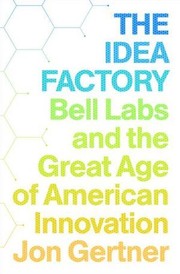
How Bell Labs turned research into the transistor, the laser and information theory.
Recommended by: Mohnish Pabrai, Mark Zuckerberg and 2 others


Recommended by: Patrick Collison

Recommended by: Patrick Collison


Recommended by: Mohnish Pabrai

Tight narrative of the Model T years; the best short account.
Recommended by: Mohnish Pabrai

Recommended by: Patrick Collison

The short life of Danny Lewin and Akamai Technologies, which changed the internet.
Recommended by: Brad Feld
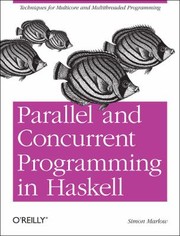
Mechanisms for writing parallel and concurrent programs in Haskell.
Recommended by: Patrick Collison

Recommended by: Patrick Collison, Emmett Shear

Technical survey of the early vehicles and contracts.
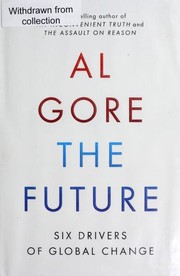

Recommended by: Patrick Collison

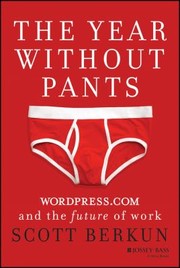


Recommended by: Eric Jorgenson, Garry Tan, Justin Kan


Recommended by: Mohnish Pabrai

How a trader uncovered high-frequency front-running and built the IEX exchange.
Recommended by: Mohnish Pabrai, Nat Eliason

Early and much-disputed argument that Apple declined after Jobs.
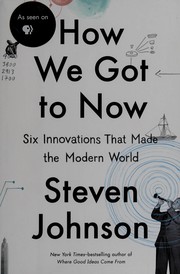
Recommended by: Mohnish Pabrai, Chris Dixon
How to judge typefaces, work within technical limits and build web type systems.
Recommended by: Jeremiah Shoaf


The knowledge survivors would need to rebuild technological society after a collapse.
Recommended by: Patrick Collison, Balaji S. Srinivasan

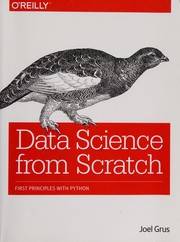
Recommended by: Balaji S. Srinivasan


How fleeing face-to-face talk harms relationships and work, and how to reclaim it.
Recommended by: Arianna Huffington

Recommended by: Mohnish Pabrai

Recommended by: George Hatzis

The century-long race among automakers to build the car of the future.
Recommended by: Mohnish Pabrai
Recommended by: Bill Gates, Naval Ravikant


Payments and mobile commerce structure behind Alipay and Taobao.
The textbook on deep learning: how machines learn layered concepts from data.
Recommended by: Vinod Khosla, Elon Musk, Satya Nadella

Recommended by: Johnnie Gomez


Recommended by: Mohnish Pabrai

Recommended by: Patrick Collison

Recommended by: Patrick Collison

Recommended by: Brad Feld, Fred Wilson


Recommended by: Alfred Lin, Reid Hoffman
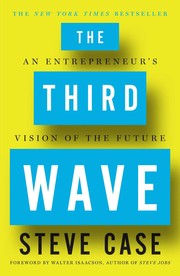
Recommended by: Alfred Lin, Brad Feld, George Hatzis and 1 other
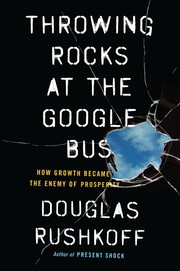
Recommended by: George Hatzis


How Ross Ulbricht built Silk Road, the online drug market, until the FBI caught him.
Recommended by: Andrew Wilkinson, Alexis Ohanian and 4 others

The sceptic's brief against crypto claims.


Institutional history of interconnection and who controls it.

Recommended by: Aileen Lee, Austen Allred, Keith Rabois and 1 other

Recommended by: Jeremiah Shoaf

Recommended by: Danah Boyd

Recommended by: The Barefoot Investor

Recommended by: Satya Nadella


Case studies of Israeli technologies and how they were commercialised.

Recommended by: Balaji S. Srinivasan, Patrick Collison

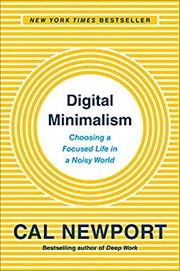
Recommended by: Alex Lieberman, Cal Newport, Nat Eliason
Recommended by: Johnnie Gomez


The geography and licensing limits of streaming television around the world.
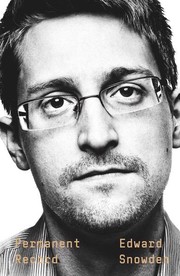
Recommended by: Alexis Ohanian, Kara Swisher

The rationalists around LessWrong and their fear of artificial intelligence risk.


Recommended by: Austen Allred, Jordan Hughes
Recommended by: Susan Cain

Recommended by: Cynthia Johnson

One of the few attempts at a survey of the commercial sector.
Scholarly account of the product and its user culture.



Recommended by: Anthony Pompliano, Keith Rabois

Recommended by: Andrew Wilkinson
Subtitled 'Amplifying Our Humanity Through AI'; co-written with GPT-4

How information networks, from the Stone Age to AI, have made and unmade societies.
Recommended by: Andrew Wilkinson

Recommended by: Andrew Wilkinson

Standalone edition of the 2023 a16z essay; Andreessen has written no conventional book
Recommended by: Patrick Collison
Recommended by: Paul Graham





Recommended by: The Barefoot Investor
Recommended by: David Hellmann


Recommended by: Mohnish Pabrai


Recommended by: Patrick Collison, Paul Graham

A manifesto for redesigning politics, government and the economy around human scale.
Recommended by: Reid Hoffman

The official guide to the Nmap scanner, from port-scanning basics to pen testing.
Recommended by: Patrick Collison
A print magazine on how people shape technology and how technology shapes them.
Recommended by: John Maeda

Operating system principles, from processes to file systems, shown in the MINIX code.
Recommended by: Patrick Collison
The coming of the machine age in Britain, 1660 to 1886, through eyewitness writings.
Recommended by: Sam Altman
Recommended by: Paul Graham, Patrick Collison

The theory, techniques and uses of partial evaluation, which specialises programs.
Recommended by: Paul Graham

Essays on software design, programming and the businesses around them.
Recommended by: Paul Graham
Recommended by: Patrick Collison, Brian Armstrong

A computer pioneer's autobiography: his life in computing and fight for civilisation.
Recommended by: Patrick Collison
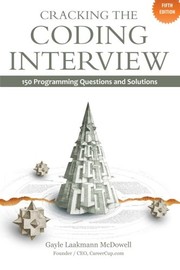
How to prepare for programming job interviews: languages, patterns and algorithms.
Recommended by: Patrick Collison
The standard guide to the Perl programming language.
Recommended by: Garry Tan

Quantum algorithms, teleportation, cryptography and error correction, from basics.
Recommended by: Patrick Collison

Recommended by: Nat Eliason



Japan's drive to build fifth-generation AI computers, and its stakes for America.
Recommended by: Patrick Collison
Recommended by: Anthony Pompliano, Balaji S. Srinivasan



 Vaclav Smilwrote 5 books here
 Don Tapscottwrote 5 books here
 Kevin Kellywrote 4 books here
 Steven Levywrote 4 books here
 Ben Mezrichwrote 4 books here
 Michael Lewiswrote 3 books here
 Paul Grahamwrote 3 books here
 Chris Andersonwrote 3 books here
 Kara Swisherwrote 3 books here
 Eric Schmidtwrote 2 books here
 Reid Hoffmanwrote 2 books here
Show all 36
 Walter Isaacsonwrote 2 books here
 Peter Diamandiswrote 2 books here
 Campbell R. Harveywrote 1 book here
 Clayton Christensenwrote 1 book here
 Marc Andreessenwrote 1 book here
 Peter F. Druckerwrote 1 book here
 Tyler Cowenwrote 1 book here
 Guy Kawasakiwrote 1 book here
 Ryan Holidaywrote 1 book here
 Alexis Ohanianwrote 1 book here
 Bill Gateswrote 1 book here
 Chris Dixonwrote 1 book here
 Gary Vaynerchukwrote 1 book here
 Jane McGonigalwrote 1 book here
 Stewart Brandwrote 1 book here
 Patrick Collisonrecommends 153 books here
 Mohnish Pabrairecommends 80 books herePaul Grahamrecommends 32 books hereBill Gatesrecommends 23 books here
 Ev Williamsrecommends 20 books here
 Keith Raboisrecommends 17 books here
 Balaji S. Srinivasanrecommends 14 books hereMarc Andreessenrecommends 10 books here
 Brad Feldrecommends 10 books hereRyan Holidayrecommends 10 books here
 Bret Victorrecommends 9 books here
Show all 145
 Nir Eyalrecommends 9 books hereReid Hoffmanrecommends 7 books here
 Alfred Linrecommends 7 books here
 Brian Armstrongrecommends 7 books here
 Sam Altmanrecommends 7 books hereStewart Brandrecommends 7 books hereChris Dixonrecommends 6 books here
 Elon Muskrecommends 6 books here
 Satya Nadellarecommends 6 books here
 Marc Benioffrecommends 5 books here
 Drew Houstonrecommends 5 books here
 John Maedarecommends 5 books here
 Naval Ravikantrecommends 5 books hereKevin Kellyrecommends 4 books here
 Eric Weinsteinrecommends 4 books hereKara Swisherrecommends 4 books here
 Steve Jurvetsonrecommends 4 books here
 Jim Collinsrecommends 3 books here
 John Doerrrecommends 3 books hereAlexis Ohanianrecommends 3 books here
 Arianna Huffingtonrecommends 3 books here
 Casey Neistatrecommends 3 books here
 Cynthia Johnsonrecommends 3 books here
 Garry Tanrecommends 3 books hereGary Vaynerchukrecommends 3 books here
 Jack Marecommends 3 books here
 Mark Zuckerbergrecommends 3 books here
 Max Levchinrecommends 3 books here
 Tim O’Reillyrecommends 3 books here
 Tony Hsiehrecommends 3 books here
 Vinod Khoslarecommends 3 books here
 Peter Thielrecommends 2 books here
 Warren Buffettrecommends 2 books here
 Aaron Levierecommends 2 books here
 Aileen Leerecommends 2 books here
 Antonio García Martínezrecommends 2 books here
 Bill Gurleyrecommends 2 books here
 Brett Adcockrecommends 2 books here
 Brian Cheskyrecommends 2 books here
 Dustin Moskovitzrecommends 2 books here
 Fred Wilsonrecommends 2 books here
 Jeff Atwoodrecommends 2 books here
 Jeff Bezosrecommends 2 books here
 Matt Mullenwegrecommends 2 books here
 Michael Bloombergrecommends 2 books here
 Reed Hastingsrecommends 2 books here
 Ron Conwayrecommends 2 books here
 Tim Ferrissrecommends 2 books here
 Vitalik Buterinrecommends 2 books here
 Andrew S. Groverecommends 1 book here
 Ben Horowitzrecommends 1 book here
 Charlie Mungerrecommends 1 book here
 Ray Daliorecommends 1 book hereGuy Kawasakirecommends 1 book here
 Albert Wengerrecommends 1 book here
 Astro Tellerrecommends 1 book here
 Bob Igerrecommends 1 book here
 Bryan Johnsonrecommends 1 book here
 Caterina Fakerecommends 1 book here
 Claire Diaz-Ortizrecommends 1 book here
 Danah Boydrecommends 1 book here
 Demis Hassabisrecommends 1 book here
 Emmett Shearrecommends 1 book here
 Jack Dorseyrecommends 1 book here
 James Altucherrecommends 1 book here
 Jeff Jordanrecommends 1 book here
 Jensen Huangrecommends 1 book here
 Jessica Livingstonrecommends 1 book here
 Jim O'Shaughnessyrecommends 1 book here
 Justin Kanrecommends 1 book here
 Larry Pagerecommends 1 book here
 Mark Cubanrecommends 1 book here
 Melanie Perkinsrecommends 1 book here
 Melinda Gatesrecommends 1 book here
 Mr. Beastrecommends 1 book here
 Palmer Luckeyrecommends 1 book here
 Rana el Kalioubyrecommends 1 book here
 Richard Bransonrecommends 1 book here
 Scott Belskyrecommends 1 book here
 Steve Jobsrecommends 1 book here
 Susan Cainrecommends 1 book here
 Susan J. Fowlerrecommends 1 book here
 Tom Bilyeurecommends 1 book here
 Tristan Harrisrecommends 1 book here