
Sales and Marketing
Selling, advertising, branding, positioning, pricing and customer service, from classic copywriting to modern growth practice. Read by marketers, salespeople and founders who have to find their own customers.
Start here
- Scientific AdvertisingClaude C. Hopkins, 1923
- Diffusion of InnovationsEverett M. Rogers, 1962
- Confessions of an Advertising ManDavid Ogilvy, 1963
- Ogilvy on AdvertisingDavid Ogilvy, 1983
- The Strategy and Tactics of PricingThomas T. Nagle, Reed K. Holden, 1987

Advertising as a measurable discipline: test every element against response.
Recommended by: Patrick O'Shaughnessy

An academic study of how new ideas spread.
Recommended by: Patrick O'Shaughnessy

How to win and keep agency clients and write advertising that sells.
Recommended by: Mohnish Pabrai, David Cancel, Sam Parr
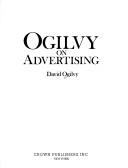
Rules for advertising that sells, drawn from direct-response testing.
“Ogilvy is a brilliant guy and a terrific writer. Really enjoyed this book and learned a lot.” — Mohnish Pabrai
Source: Mohnish's Bookshelf — Books on Sales & Marketing, entry 40
Recommended by: Mohnish Pabrai, David Cancel, Ev Williams and 1 other
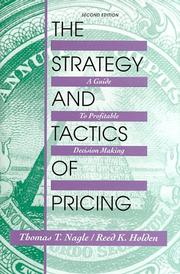
Set prices from the value customers get, not from cost or rivals' prices.

Evidence on how brands grow: reach light buyers and be easy to recall and buy.

How media from the penny press to social media capture attention and resell it.

How 1950s advertisers used psychological research to sway buyers.

Marketing happens in the buyer's mind: find an open position there and own it.
Recommended by: Patrick Collison, Aaron Levie, David Cancel and 4 others

Military strategy applied to marketing, from the cola and burger wars.
Recommended by: Mohnish Pabrai
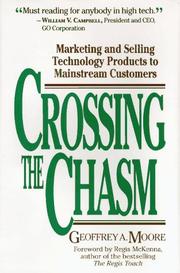
Why tech products stall between early adopters and the mainstream, and how to cross.
Recommended by: Andrew Wilkinson, Mohnish Pabrai and 13 others

Twenty-two rules of marketing, such as being first is better than being better.
Recommended by: Brian Armstrong, Mohnish Pabrai, Nat Eliason and 3 others

How to move a tech product past early adopters into a fast-growing mass market.
Recommended by: Mohnish Pabrai
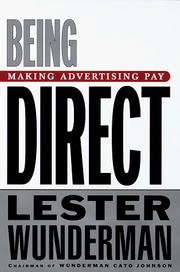
How direct marketing was invented, from the Columbia Record Club to American Express.

How to build and manage a brand, using the four parts of brand equity.

Companies lose their position by broadening; narrowing the focus wins it back.
Recommended by: Mohnish Pabrai, Arianna Huffington and 3 others

Keeping customers, employees and investors is what drives profit and growth.
“In his seminal book, The Loyalty Effect, Fred Reichheld shows that a 5 percentage point improvement in retention rate” — Michael Mauboussin
Source: The Economics of Customer Businesses (Legg Mason Capital Management)
Recommended by: Michael Mauboussin
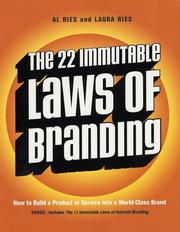
Rules for building a brand, with a section on branding on the internet.
Recommended by: Ramit Sethi

Arguments for consumers to question and take on the corporate superbrands.
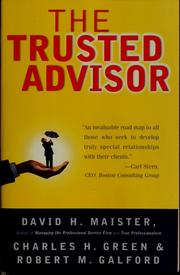
The trust equation: credibility, reliability and intimacy over self-orientation.
Recommended by: Nat Eliason

Advertising has stopped working; build products remarkable enough to talk about.
Recommended by: Tony Hsieh, Cindy Eckert, David Cancel and 3 others
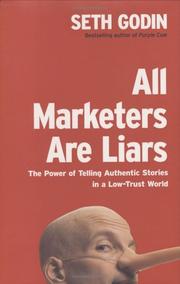
Great marketers tell a story buyers want to believe, not a list of features.
Recommended by: Joe Gebbia
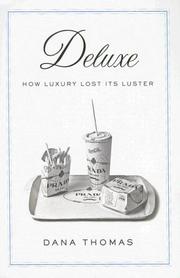
How family luxury houses became conglomerates selling to the mass affluent.
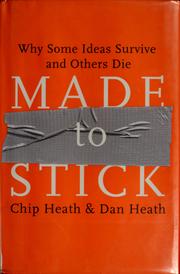
Six traits of memorable ideas, from simple and unexpected to emotional stories.
“…books I've recommended, highlighted to death, or forced on friends.” — Andrew Wilkinson
Source: Andrew Wilkinson's Bookshelf, neverenough.com
Recommended by: Andrew Wilkinson, Mohnish Pabrai and 10 others
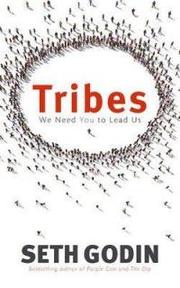
The internet makes it cheap to gather people around a shared interest; lead them.
Recommended by: Catriona Wallace
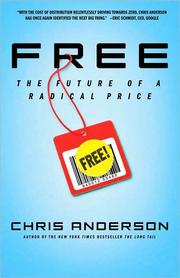
Digital costs near zero mean goods can be given away, which changes whole industries.
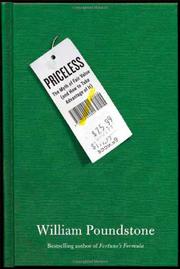
People have no fixed sense of value, so context and anchors set the prices they pay.
Recommended by: Mohnish Pabrai, Patrick O'Shaughnessy

IPA data on the split between brand-building and activation spend.

Price is the strongest profit lever and the least managed; how to set it well.
Recommended by: Michael Mauboussin
The empirical laws of brand growth extended to new categories and channels.

Customers hire products to do a job; innovate by finding the job, not the buyer type.

Set the price before you design the product, since most failures are pricing ones.
Recommended by: Alfred Lin, Bill Gurley, Leo Polovets

Media firms fail by fixating on content when value lies in the connections around it.
Why firms are moving from selling units to selling ongoing subscriptions, and how.

How to position software so it clearly wins for a chosen market.
Recommended by: Nat Eliason

Disruptors win by breaking one link in the customer's chain of activities.

How Dollar Shave Club, Warby Parker and other online brands took on incumbents.
The classic account of the Coke-Pepsi rivalry.
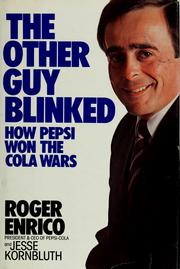
Pepsi's president on the cola wars and Coca-Cola's New Coke blunder.

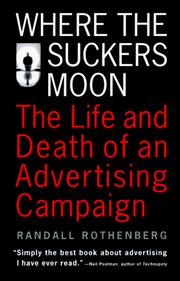
One agency account, followed in forensic detail.
Recommended by: Jason Fried
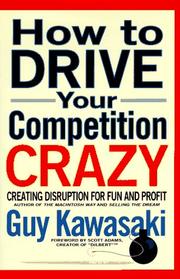
Kawasaki on competing through service, speed and irritating incumbents
“Awesome book. On my Top Ten List. CEO of garage.com and a friend.” — Mohnish Pabrai
Source: Mohnish's Bookshelf — Books on Sales & Marketing, entry 27
Recommended by: Mohnish Pabrai

A critical look at the arithmetic behind multi-level marketing pay plans.

Challenger-brand economics against a dominant incumbent.
Recommended by: Vinod Khosla

How fashion became a branded consumer-goods business.

How Procter & Gamble built its brands over 165 years.
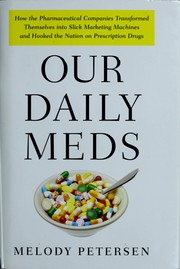
How drug makers became marketing machines, from Risperdal to off-label promotion.
The standard analytical text on the LVMH-style brand model.
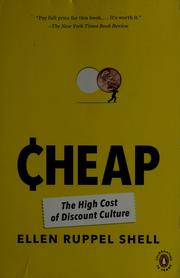
The economic, political and personal costs of making and buying everything cheaply.

Harvard business historian; sets her brand-building against the whole industry.
Preemptive distribution and control of the value chain.

Nokia's emerging-market operating model at the turn
The outbound-SDR machine that most SaaS sales teams copied.
Recommended by: David Cancel
Recommended by: Ryan Holiday, Chase Jarvis, Raoul Pal


Recommended by: Nat Eliason, Andrew Chen, Andy Budd
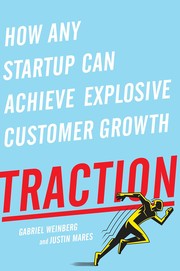
Recommended by: Nat Eliason, Alex Lieberman, Alexis Ohanian and 7 others

What advertising agencies sell, and the theories of how ads work they sell it with.

How an ordinary business can add subscriptions for steady recurring revenue.

Membership as a relationship, not a payment plan.

The SaaS growth playbook: niche, funnel, hiring cadence.
Recommended by: David Cancel

Recommended by: Nat Eliason, Ran Segall

Recommended by: Chris Powers

How to design a free tier that turns users into paying customers.
How startup brands such as Casper and Allbirds built loyal customers.

The case that programmatic advertising is a mispriced market.

Retention, pricing tiers and the mechanics of renewal.


An adman's anecdotes of his successes and failures, from inventing test campaigns on.
Recommended by: Andrew Chen
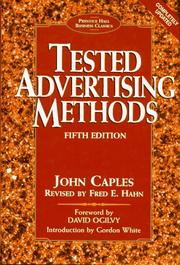

Recommended by: Patrick O'Shaughnessy, Ramit Sethi

Recommended by: Patrick O'Shaughnessy

Recommended by: Sam Altman

Recommended by: Patrick Collison

Recommended by: David Kadavy, Ramit Sethi

A copywriter's memoir bound with his primer on advertising, Scientific Advertising.
Recommended by: Mohnish Pabrai

Recommended by: Nick Huber

Recommended by: Ramit Sethi

Recommended by: Mohnish Pabrai

Recommended by: Mohnish Pabrai


Recommended by: Mohnish Pabrai
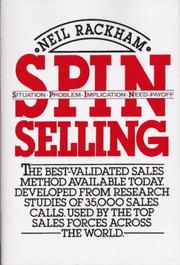
Selling through four kinds of question: Situation, Problem, Implication, Need-payoff.
Recommended by: Mohnish Pabrai, Noah Kagan

Recommended by: Mohnish Pabrai

How firms must use real-time information to serve never-satisfied customers.
Recommended by: Mohnish Pabrai

Recommended by: Mohnish Pabrai


Recommended by: Mohnish Pabrai

Recommended by: Patrick Collison


Recommended by: Mohnish Pabrai

Recommended by: Mohnish Pabrai

Recommended by: Mohnish Pabrai


Recommended by: Mohnish Pabrai

Recommended by: Tim Ferriss
How firms can build value and competitive advantage from online virtual communities.
Recommended by: Mohnish Pabrai

Recommended by: Mohnish Pabrai


An analysis of Nike's brand-marketing machine at its peak, built on the swoosh.

Distillation of P&G brand-management practice for operators.

A marketing adviser's ideas for growing a business or a career.
Recommended by: Nat Eliason, Andrew Wilkinson, Ramit Sethi and 1 other

Recommended by: Mohnish Pabrai

Recommended by: Mohnish Pabrai

The academic text on channel design, territories and exclusive rights.


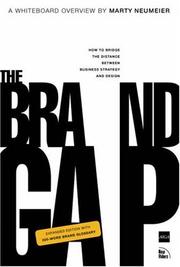
Five disciplines to close the gap between brand strategy and its execution.
Recommended by: Andy Budd, Ran Segall

Recommended by: David Cancel
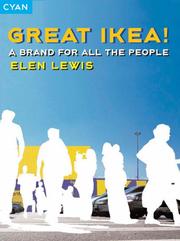

Recommended by: Nat Eliason, Ramit Sethi, Simon Sinek and 1 other


Recommended by: Jackie Vullinghs, Noah Kagan


Practitioner text on how luxury houses are actually run.

How to reposition a business, practice or sales career to sell to affluent customers.
Recommended by: Ramit Sethi

Nike's third employee on how the company marketed the running boom.

Recommended by: Ann Handley


David Ogilvy's life and the making of his famous advertising campaigns.
Recommended by: Andrew Wilkinson, Mohnish Pabrai

Recommended by: Mohnish Pabrai


Fifteen metrics that show which marketing spending works and which does not.
Recommended by: Mohnish Pabrai, Jeff Bezos

Recommended by: Mohnish Pabrai, Nat Eliason, Andrew Chen


The case against surrendering the channel to big retail.


Recommended by: Johnnie Gomez



Insider account by P&G's global marketing officer.


Big goals call for a fourth degree of action, massive action, beyond normal effort.
Recommended by: David Cancel, Ran Segall


How to build trust with wary customers and turn it into business and profit.
Recommended by: Mohnish Pabrai


Recommended by: Patrick Collison


Letters from prison to a teenage son on direct-mail copywriting and living well.
Recommended by: Nat Eliason, David Perell

Recommended by: Paul Jarvis

Recommended by: Nat Eliason, Ran Segall


Recommended by: John D Saunders


Recommended by: Nat Eliason, David Cancel, Noah Kagan


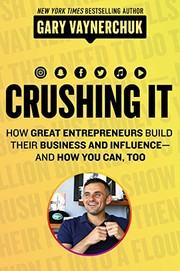

How the advertising business is being upended, told from its most powerful rooms.
Recommended by: Alexis Ohanian, Michael Bloomberg
Recommended by: Warren Buffett
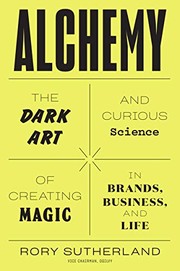

Recommended by: Ali Abdaal

“he breaks it all down in his new book on using stories in a business context. It's called Stories Sell, and you should go check it out.” — Andrew Wilkinson
Source: Newsletter
Recommended by: Andrew Wilkinson


 Al Rieswrote 5 books here
 Seth Godinwrote 3 books here
 Ryan Holidaywrote 3 books here
 Guy Kawasakiwrote 2 books here
 Gary Vaynerchukwrote 2 books here
 Clayton Christensenwrote 1 book here
 Chris Andersonwrote 1 book here
 Rory Sutherlandwrote 1 book here
 Mohnish Pabrairecommends 42 books here
 Tony Hsiehrecommends 13 books here
 Ramit Sethirecommends 7 books here
 Ev Williamsrecommends 5 books here
 Nir Eyalrecommends 5 books here
Show all 83
 Keith Raboisrecommends 4 books here
 Patrick Collisonrecommends 4 books here
 Tim Ferrissrecommends 4 books here
 Alfred Linrecommends 3 books here
 Changpeng Zhaorecommends 3 books here
 Sam Altmanrecommends 3 books here
 Aaron Levierecommends 2 books here
 Alexis Ohanianrecommends 2 books here
 Bill Gurleyrecommends 2 books here
 Brian Armstrongrecommends 2 books here
 Drew Houstonrecommends 2 books here
 Joe Gebbiarecommends 2 books here
 Ron Conwayrecommends 2 books here
 Tristan Harrisrecommends 2 books here
 Vinod Khoslarecommends 2 books here
 Ben Horowitzrecommends 1 book here
 Nassim Nicholas Talebrecommends 1 book here
 Warren Buffettrecommends 1 book here
 Brad Feldrecommends 1 book hereGuy Kawasakirecommends 1 book hereRyan Holidayrecommends 1 book here
 Simon Sinekrecommends 1 book here
 Arianna Huffingtonrecommends 1 book here
 Chelsea Krostrecommends 1 book here
 Chris Dixonrecommends 1 book here
 Cindy Eckertrecommends 1 book here
 Cynthia Johnsonrecommends 1 book here
 Daymond Johnrecommends 1 book hereGary Vaynerchukrecommends 1 book here
 Jeff Bezosrecommends 1 book here
 Justin Kanrecommends 1 book here
 Matt Mullenwegrecommends 1 book here
 Michael Bloombergrecommends 1 book here
 Tony Robbinsrecommends 1 book here