
Management and Organisational Design
How large organisations are actually held together, and why structure and culture show up in the numbers.
Start here
- High Output ManagementAndrew S. Grove, 1983
- The Effective ExecutivePeter F. Drucker, 1967
- The Practice of ManagementPeter F. Drucker, 1954
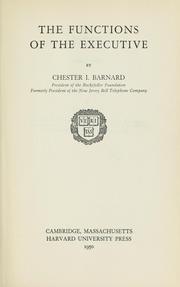
A working executive's theory of organisation, where authority rests on acceptance.
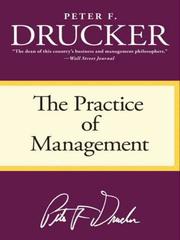
Management as a discipline: business purpose, objectives and managing managers.
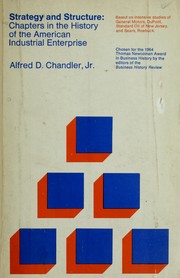
How DuPont, GM, Standard Oil and Sears built the multidivisional firm.
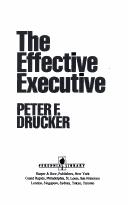
Effectiveness is learned practice: manage time, pick priorities, decide well.
Recommended by: Ev Williams, Nat Eliason, David Cancel and 5 others

How large corporations run by a technostructure of experts plan rather than compete.
Recommended by: Paul Graham

How the wish for agreement in close groups led to fiascos like the Bay of Pigs.
“One of my favourite books, Groupthink by Irving Janis, breaks down how small, cohesive groups of very smart people can make very bad decisions.” — Adam Weiss
Source: Weiss naming Groupthink one of his favourite books
Recommended by: Adam Weiss, Barton Biggs
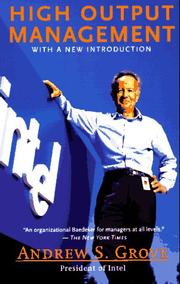
Management as production: a manager's output is the output of the team they lead.
Recommended by: Nat Eliason, Tim Ferriss, Andrew Chen and 24 others
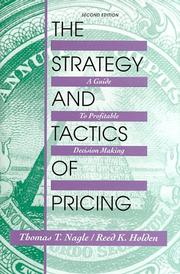
Set prices from the value customers get, not from cost or rivals' prices.

The founder's account of just-in-time and automation with a human touch.
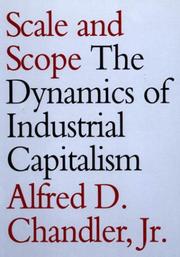
Why big industrial firms in the US, Britain and Germany rose or lagged, 1880 to 1940.
An MIT study of car plants worldwide that showed why Japanese lean production won.
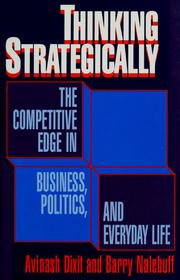
Game theory without maths: look forward, reason back, and make threats credible.

Open-book management: teach every worker to read the financials and share the gains.
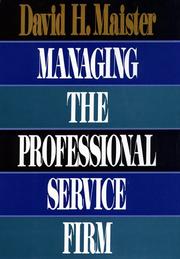
How firms that sell expertise set their ratio of juniors to partners, and price.

How family firms develop, seen as three overlapping circles: family, owners, firm.
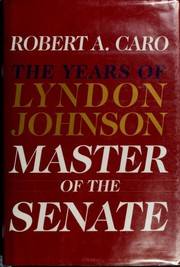
How Lyndon Johnson mastered the Senate's rules and became its majority leader.
Recommended by: Jim Collins, Marc Andreessen and 1 other

How Pixar kept a creative company working after success, and the habits it used.
Recommended by: Jim Collins, Alexis Ohanian, Allen Gannett and 11 others

How multi-sided platforms such as card networks get both sides on board at once.
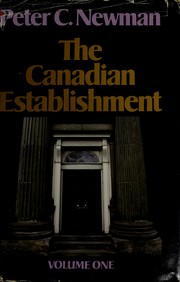
A portrait of Canada's business elite in 1975, from hundreds of interviews.
Fifty-two laws of management and defence spending, each backed by data.
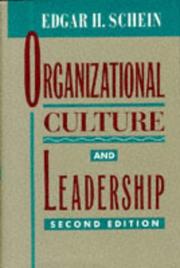
What organisational culture is, how it forms, and how it bears on leadership.
Continuous small improvement as the core of Japanese manufacturing success.
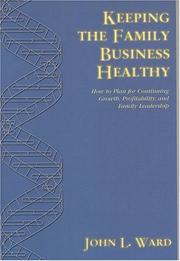
How family-owned firms can plan for growth, ownership and succession.
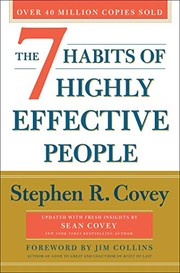
Seven habits, from being proactive to win-win, that build personal effectiveness.
“…books I've recommended, highlighted to death, or forced on friends.” — Andrew Wilkinson
Source: Andrew Wilkinson's Bookshelf, neverenough.com
Recommended by: Andrew Wilkinson, Jim Collins and 10 others

Every system has one constraint; find it, exploit it, and subordinate all else to it.

A life across economics, psychology, organisations and artificial intelligence.
Recommended by: Charlie Munger, Mohnish Pabrai

How firms are organised, using agency, contracts and transaction-cost economics.

How to build and manage a brand, using the four parts of brand equity.

Little-known mid-sized firms, mostly German, that lead world niche markets.
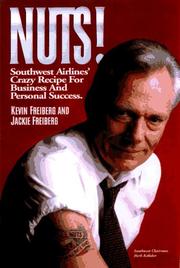
How Southwest Airlines built its low-cost model and its culture under Herb Kelleher.

The triple bottom line: report on economic, environmental and social results.

A novel applying the theory of constraints to finishing projects on time.

Nucor's chief executive on flat structure, incentive pay and minimills
“Another great builder of our time was Kenneth Iverson. In just a few decades, Iverson transformed a small, nearly bankrupt company into the largest and most profitable steel company in the U.S…” — Francois Rochon
Source: Rochon on Ken Iverson and the building of Nucor
Recommended by: Francois Rochon
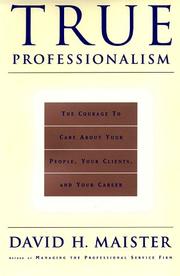
Essays on what makes professional work truly professional, beyond competence.

Fast-moving industries reveal supply-chain dynamics slow ones take decades to show.
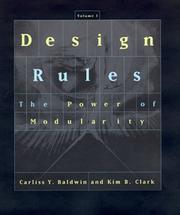
A theory of modularity in design, applied to the history of the computer industry.

Treat patents as financial and strategic assets, not legal defences.
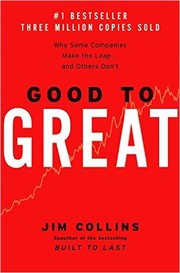
What eleven companies did to turn fifteen ordinary years into fifteen great ones.
Recommended by: Brian Armstrong, Mohnish Pabrai, Nat Eliason and 16 others

Building an ownership culture in which employees think and act like owners.
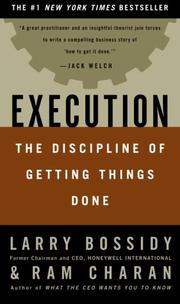
Execution is a discipline the CEO must lead, linking people, strategy and operations.
Recommended by: Mohnish Pabrai, Jamie Dimon

How Intel and others became and stayed leaders of technology platforms.
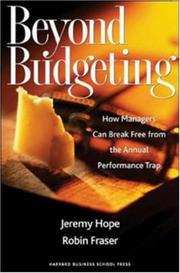
Why the annual budget harms firms, and how some run without one.
Data showing big infrastructure projects run over cost and under demand by design.

How Lincoln brought his three rivals for the 1860 nomination into his cabinet.
Recommended by: Bill Gates, Mohnish Pabrai, Jamie Dimon and 1 other
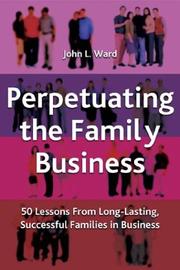
Lessons on why some family firms survive across generations and others do not.
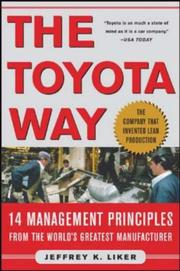
Toyota's management system as fourteen principles in four groups.
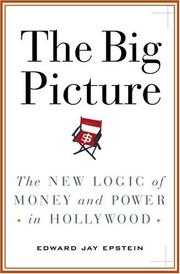
How Hollywood really makes money, mostly away from the box office.
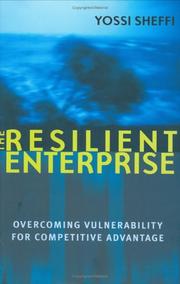
How firms recovered from disruptions such as 9/11 and a chip-plant fire.
The deal is shaped before the table: set up the parties, interests and options first.
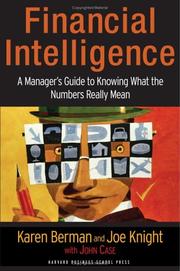
How non-financial managers can read income statements, balance sheets and cash flow.
Recommended by: Nat Eliason
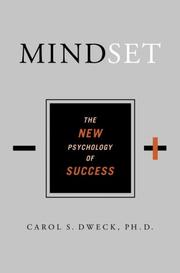
People who think ability grows with effort learn more than those who think it fixed.
“One of the reasons I loved Mindset is because it's solutions-oriented.” — Bill Gates
Source: Gates Notes review of Mindset
Recommended by: Bill Gates, Mohnish Pabrai, Alex and Books and 13 others
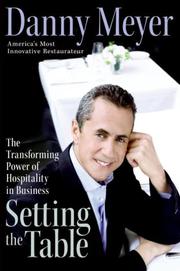
Enlightened hospitality: put employees first, then guests, community and investors.
Recommended by: Patrick Collison, Fred Wilson, Niki Scevak and 2 others
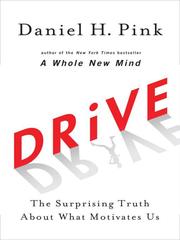
Rewards work for routine tasks; creative work runs on autonomy, mastery and purpose.
“In his excellent book, Drive, Dan Pink distinguishes between algorithmic tasks and heuristic tasks.” — Michael Mauboussin
Source: Blaming the Rat: Incentives, Motivation, and How They Interact (Legg Mason Capital Management)
Recommended by: Michael Mauboussin, Mohnish Pabrai and 3 others

How a coach took the 49ers from 2 and 14 to three Super Bowls with set standards.
Recommended by: Nat Eliason, Ryan Holiday, David Cancel and 8 others
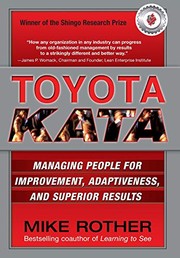
The routines Toyota managers use to coach steady improvement, beyond the tools.
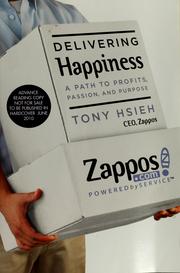
From LinkExchange to Zappos, and the case for building a company on its culture.
Recommended by: Mohnish Pabrai, Ev Williams, Ran Segall and 2 others

Why a small country without resources produces so many world-leading companies.

How LEGO nearly failed from overexpansion and how it recovered.
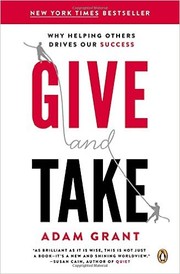
Givers, takers and matchers, and why givers end up both at the bottom and the top.
Recommended by: Mohnish Pabrai, Alex Lieberman and 4 others
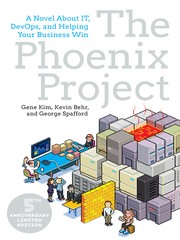
A novel in which an IT manager rescues a failing project using lessons from The Goal.

How the way organisations divide work blinds them, and how some break down silos.
“Gillian Tett's new book the Silo Effect, a thoughtful discussion of the downside of narrow specialisation.” — Seth Klarman
Source: Klarman on Gillian Tett on the downside of specialisation
Recommended by: Seth Klarman

Set the price before you design the product, since most failures are pricing ones.
Recommended by: Alfred Lin, Bill Gurley, Leo Polovets

Media firms fail by fixating on content when value lies in the connections around it.

Objectives and key results, the goal system Grove built at Intel and Google adopted.
Recommended by: Bill Gates, Amy Hood, Craig Blair and 4 others

AI as a fall in the cost of prediction, and what that does to decisions and jobs.
Why firms are moving from selling units to selling ongoing subscriptions, and how.

How fixation on measured performance damages the work it is meant to improve.

Nokia's chairman on selling the phone unit to Microsoft and buying Alcatel-Lucent.

A defence of American business on fraud, CEO pay, monopoly and tech, issue by issue.

Innovation platforms and transaction platforms, and what each needs to succeed.

Disruptors win by breaking one link in the customer's chain of activities.
Japanese firms after 1990 moved into hidden upstream niches rather than stagnate.
How the chase for short-term share prices corrupted shareholder value, and fixes.
Recommended by: Patrick O'Shaughnessy
Classic on the bet-the-company economics of airliner programs.

Founder's own account of recruiting and holding a commissioned sales force.
The parent company's quality turnaround against Japanese copiers.
Insider account: Ohno's shorter, blunter shop-floor essays.

Insider account by Xerox's CEO of the quality-driven turnaround.
The admiring contemporary account of Welch's restructuring.
The publishing-side reference on royalty streams and licensing income.
Profiles of the family houses that still dominate the index.
Recommended by: Mohnish Pabrai

The state-sector redesign other governments copied; contracts, outputs, accountability.

Why acquirers overpay: the premium is a promise of gains most never deliver.
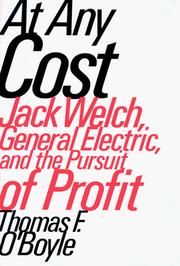
The contemporaneous dissent, twenty years ahead of the consensus.
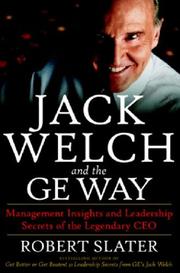
Contemporary admiring account; useful as a record of what people believed.
Written straight after the 1997 crisis on opacity, related-party dealing and family control.

The systematic practitioner framework.
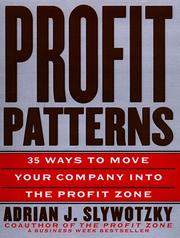
How value migrates between business designs in an industry.
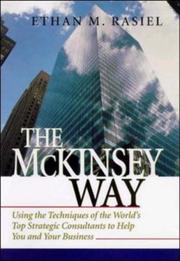

A naval captain on delegating authority to improve performance
Recommended by: Jim Collins
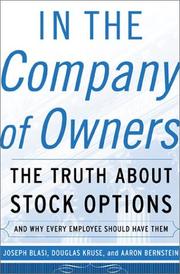
Broad-based stock options and what they did to company performance.
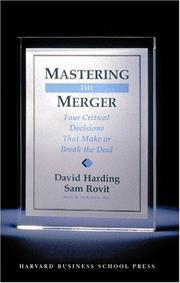
Bain's evidence that frequent small deals beat occasional large ones.

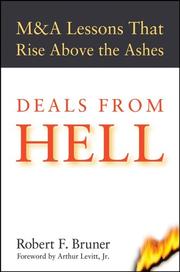
Why mergers fail; the break risk an arbitrageur underwrites.
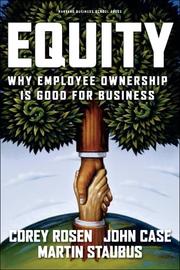
The NCEO's evidence on when shared ownership raises performance.

The standard academic text on airline economics.

Insider account: Lafley on making innovation a routine process.
The standard analytical text on the LVMH-style brand model.

Insider account from a serial restructuring CEO.

IP as competitive strategy rather than legal housekeeping.

Harvard business historian; sets her brand-building against the whole industry.

Business-model innovation as a discipline, with a profit-formula framework.
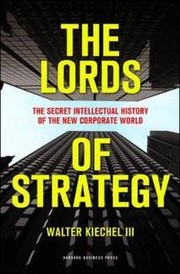
How BCG, Bain and McKinsey created the market for strategy itself.
Preemptive distribution and control of the value chain.

Nokia's emerging-market operating model at the turn

An owner who converted his own firm, on employee ownership in practice.

Owner-operator economics: labour efficiency and the four keys.
Recommended by: Nat Eliason
Insider account: the CEO from 1999-2009 on the operating model.

The recall crisis and tsunami tested against the lean model.


Recommended by: Mohnish Pabrai

The arithmetic of conversion rates, whales and lifetime value.

Insider account by the executive who launched Amazon Marketplace.
Why Costco, Trader Joe's and QuikTrip pay more and still undercut rivals.
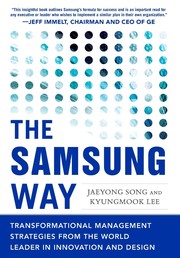
Insider-access management study of Lee Kun-hee's reforms
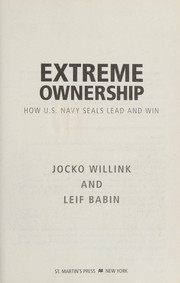
Navy SEAL leadership doctrine adapted to running teams and firms
Recommended by: Nat Eliason, Alfred Lin, Austin Rief and 9 others

Designing the interaction that a platform is actually built around.

Insider account of restructuring JSOC for speed of decision.
Recommended by: Patrick Collison, Changpeng Zhao and 1 other

Membership as a relationship, not a payment plan.

Deep-tier supply-chain risk, a decade on.

Practitioner account of how platform businesses capture a transaction.

Data economics of the shift from studios to streamers.

Bain's account of what founder-led companies lose as they scale.

McKinsey survey of operating companies; Ghana appears among the consumer-market cases.

Insider account: Alibaba's chief strategy officer on platform design.
How Berkshire runs on trust instead of the controls other large firms use.
Recommended by: Warren Buffett


Retention, pricing tiers and the mechanics of renewal.
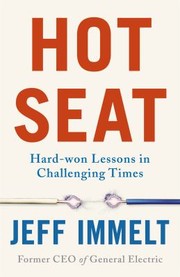
Insider account: Immelt's defence of his sixteen years as CEO.

Insider account: Nooyi's memoir of twelve years as CEO.

Insider account: Polman on the Sustainable Living Plan years.

Current survey of ESOPs, worker co-ops and employee trusts.

Polemic treating Welch's GE as the template for shareholder primacy.

Investigative account of who pays for consulting advice.
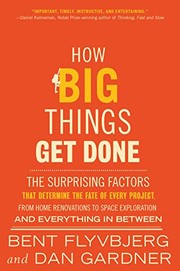
Why megaprojects overrun, and the reference-class forecasting correction.

Kegan and Lahey argue that most organizations are 'second nature' — places where people spend enormous energy managing impressions and hiding weaknesses. Deliberately Developmental Organizations build learning into daily work. A challenging read that sits at the furthest edge of what most organizations are ready for.
Recommended by: Tony Hsieh, Ray Dalio

The definitive account of John Boyd and the OODA loop. Boyd's contribution was to show that strategy is fundamentally about time and adaptation: the side that observes, orients, decides, and acts faster keeps the opponent reacting rather than acting. His ideas crossed into business, software, and lean manufacturing.
Recommended by: Morgan Housel, Patrick O'Shaughnessy and 2 others

Fadell built the iPod, the iPhone, and Nest. Build is structured as a book of advice organized by career stage and product phase. It is unusually honest about failure, about the texture of executive dysfunction, and about what it actually takes to ship physical products at Apple-level quality. The section on storytelling for products is particularly strong.
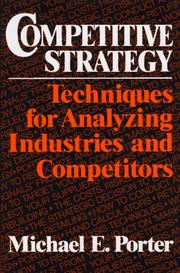
Techniques for Analyzing Industries and Competitors
Recommended by: Mohnish Pabrai, Bill Gurley, Jamie Dimon

Torres operationalizes what Cagan describes. Weekly customer touchpoints, opportunity-solution trees, assumption testing — this is the most practical account of how discovery actually becomes a habit rather than a quarterly exercise. Pairs directly with Inspired as the how to its what.
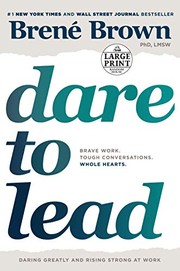
Brown's research on shame and vulnerability turns into a practical leadership argument: armor — the behaviors leaders adopt to avoid discomfort — is the main driver of organizational dysfunction. The book is dense with specific behaviors to practice and avoid, grounded in years of qualitative research.
Recommended by: Sheryl Sandberg
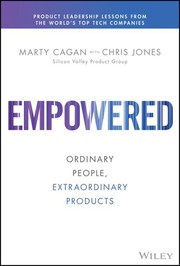
Cagan's follow-on to Inspired shifts from product craft to organizational conditions. The argument: you cannot have great products without empowered product teams, and empowered teams require managers who coach toward outcomes rather than manage toward outputs. Addresses the question Inspired leaves open — what do you change first?

Perri names the organizational failure mode precisely: companies that measure success by shipping features rather than producing outcomes. The book is a diagnosis of product management dysfunction at the company level and a structural argument for why PM must own outcomes, not output, to function at all.
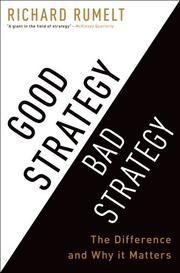
Rumelt's most important contribution is diagnosing what makes strategy bad — fluff, failure to face the challenge, goals masquerading as strategies. His kernel model (diagnosis + guiding policy + coherent actions) is the clearest framework for actually writing strategy, not just talking about it.
Recommended by: Ann Handley, Daniel Burka, Michael Batko and 1 other

A four-step model for habit-forming products: trigger, action, reward, investment.
Recommended by: Nat Eliason, Alexis Ohanian, Andrew Chen and 6 others

The foundational text of the modern PM role. Cagan's central argument — that most companies build the wrong things because they treat product as a delivery function rather than a discovery function — reframes everything that follows. The chapter on product discovery versus product delivery is worth the price of the book.
Recommended by: Anna Cheng, Marty Cagan
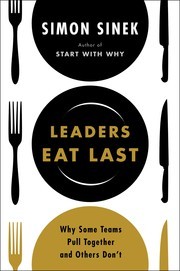
Sinek's second major book applies neuroscience — oxytocin, cortisol, dopamine — to explain why some work environments feel safe and others don't, and how leaders establish the Circle of Safety that determines whether teams will take the risks that produce performance. More substantive than Start With Why.
Recommended by: Alfred Lin, Julie Stevanja, Tom Bilyeu and 1 other
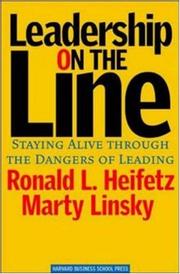
Heifetz and Linsky distinguish adaptive challenges — which require people to change their beliefs and behaviors — from technical problems that expertise can solve. Most leadership failures happen when people apply technical solutions to adaptive challenges. This is among the most important distinctions in the field.
Which metric actually governs each business-model type.
Recommended by: Marty Cagan, Michael Batko, Sean Ellis

Wiseman's research finding: some leaders act as Multipliers who bring out two times the intelligence of their teams; others are Diminishers who unintentionally suppress it. The taxonomy of specific behaviors (the Empire Builder, the Tyrant, the Know-It-All vs. their opposites) is precise enough to be self-diagnostic.

Clausewitz introduces friction, fog, and the political nature of conflict as irreducible elements of strategy. His insistence that war is a continuation of politics by other means is the foundational challenge to anyone who wants a purely technical theory of winning.
Recommended by: Ryan Holiday, Elon Musk, Reid Hoffman

How to spot a strategic inflection point, when a tenfold force changes a business.
“On my Top Ten List. Great Book. Grove was CEO of Intel.” — Mohnish Pabrai
Source: Mohnish's Bookshelf — Books on Entrepreneurship, Management and Leadership, entry 174
Recommended by: Charlie Munger, Mohnish Pabrai and 11 others

Strategy as five linked choices, including where to play and how to win.
Recommended by: Drew Houston, Justin Kan, Meg Whitman

Scott's two-axis framework — care personally, challenge directly — gives a practical vocabulary for the feedback conversations managers routinely avoid. The quadrant model (Radical Candor, Ruinous Empathy, Obnoxious Aggression, Manipulative Insincerity) is one of the most operationally useful tools in management writing.
Recommended by: Aileen Lee, Brett Adcock, David Cancel and 7 others

Singer's alternative to continuous sprints: fixed time, variable scope, with shaping work done in advance to reduce ambiguity before building begins. Whether or not the specific Basecamp process translates, the argument against infinite backlogs and the emphasis on appetite over estimation are worth wrestling with.
Recommended by: George Hatzis, Jason Fried, Jenny Chu
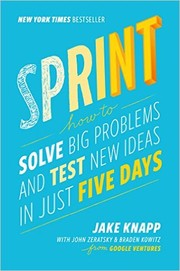
The Google Ventures five-day workshop format distilled into a repeatable method for answering critical design questions through rapid prototyping and targeted user testing. Less a design book than a process book — most valuable for teams that struggle to move from ideas to validated decisions quickly.
Recommended by: Andy Budd, Jessica Hische, Marty Cagan and 1 other
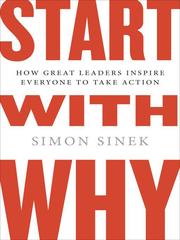
Sinek's Golden Circle (Why/How/What) is less empirically grounded than the rest of this list, but its core observation is accurate: people don't follow what you do, they follow why you do it. Useful for understanding how leaders communicate identity externally and why some inspire loyalty while others just manage compliance.
Recommended by: Richard Branson, Tony Hsieh, Alfred Lin and 4 others
Liddell Hart's historical survey of military campaigns argues that dislocation — attacking an enemy's psychological equilibrium and logistics rather than their strength — is consistently more decisive than frontal assault. A direct critique of Clausewitz's legacy applied to 20th-century warfare.
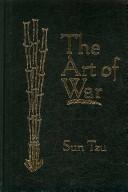
The original text on strategic positioning. Sun Tzu's core insight — that winning without fighting is the highest form of strategy — runs through everything that followed. Short enough to read in an afternoon, dense enough to argue about for a career.
Recommended by: Mohnish Pabrai, Evan Spiegel, Fred Wilson and 4 others

Coyle examines high-performing groups — SEAL teams, Pixar, the San Antonio Spurs — to identify the three skills that build strong cultures: building safety, sharing vulnerability, and establishing purpose. The research is descriptive rather than prescriptive, which makes it more credible than most culture books.
Recommended by: Changpeng Zhao, David Cancel, George Hatzis and 2 others

A fable of a failing executive team and a five-level model of what goes wrong.
Recommended by: Alfred Lin, Chris Powers, Sarah Pritula and 1 other
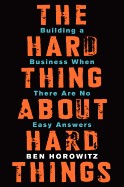
Subtitled 'Building a Business When There Are No Easy Answers'
“…books I've recommended, highlighted to death, or forced on friends.” — Andrew Wilkinson
Source: Andrew Wilkinson's Bookshelf, neverenough.com
Recommended by: Andrew Wilkinson, Balaji S. Srinivasan and 34 others

Olsen's product-market fit pyramid — target customer, underserved needs, value proposition, feature set, UX — is the clearest structural framework for thinking about fit. Where Ries describes validated learning as a philosophy, Olsen gives it a repeatable shape. Particularly strong on how to prioritize which hypotheses to test first.
Recommended by: Nir Eyal
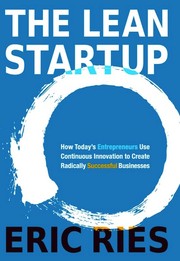
Build, measure, learn: test what customers want with small experiments.
Recommended by: Nat Eliason, Sheryl Sandberg, Andrew Chen and 17 others

Short, sharp, and corrective. Fitzpatrick diagnoses why customer interviews so often produce false positives: people are polite and will validate almost any idea you present with sufficient enthusiasm. The fix is asking about past behavior, not hypothetical futures. A genuinely useful retraining of interview instincts.

Machiavelli's handbook on political strategy remains disturbing because it separates effectiveness from morality — a distinction every strategic thinker eventually has to confront. His analysis of how new rulers consolidate power is still the sharpest treatment of legitimacy under conditions of uncertainty.
Recommended by: Ryan Holiday, Stewart Brand, Fred Wilson and 2 others

Marquet's account of transforming the USS Santa Fe from the worst-performing submarine in the Navy to the best. The specific mechanism — moving from leader-follower to leader-leader by pushing control down while moving competence and clarity up — is one of the most rigorously documented leadership case studies in print.
Recommended by: Brian Armstrong, Jason Fried, Simon Sinek

Joan Magretta's accessible synthesis of Porter's body of work clarifies the distinction between operational effectiveness and strategy proper. Essential for anyone who found Competitive Strategy dense or wants the argument stripped of its academic scaffolding.
Recommended by: Mohnish Pabrai

Recommended by: Mohnish Pabrai, Ryan Holiday

Eighteen months inside General Motors: the large corporation as a social institution.

Valuable work now needs people who do what can't be written into a job description.
Recommended by: Ann Handley, Michael Batko, Tom Bilyeu and 2 others
The decentralised structure and financial controls that ran General Motors.
Recommended by: Mohnish Pabrai, Patrick Collison and 1 other

Four breaks with the postwar world, from a global economy to knowledge as capital.
Recommended by: Patrick Collison

Twelve New Yorker stories of business, from the Edsel's failure to the 1962 crash.
“Business Adventures remains the best business book I've ever read.” — Bill Gates
Source: Gates Notes review of Business Adventures
Recommended by: Bill Gates, Mohnish Pabrai, Patrick Collison and 1 other

Harvard Business School doctoral dissertation series
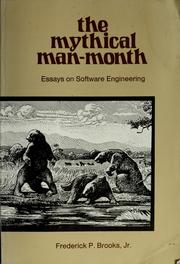
Lessons from IBM's OS/360: why adding people to a late software project slows it.
Recommended by: Mohnish Pabrai, Paul Graham, Andrew Chen and 3 others


How salaried managers replaced markets in coordinating US business, 1840 to 1920.
Recommended by: Paul Graham
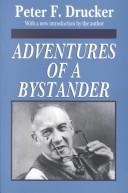
A memoir told through portraits of the people the author knew, from Vienna on.
Recommended by: Mohnish Pabrai, Stewart Brand
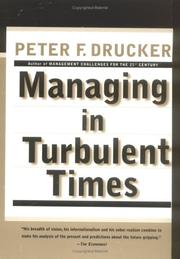
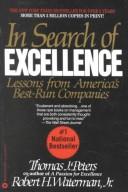
Eight practices shared by well-run companies.
Recommended by: Mohnish Pabrai, Ev Williams
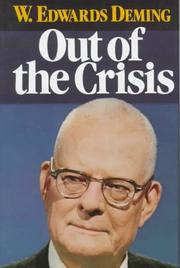
Fourteen points for managing quality by improving the system and driving out fear.
Recommended by: Patrick Collison

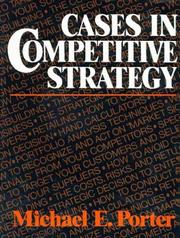
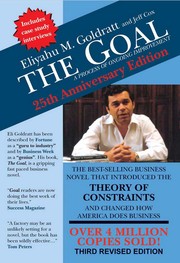
A plant manager learns that a system's output is set by its bottleneck.
Recommended by: Mohnish Pabrai, Nat Eliason and 5 others
Recommended by: Ramit Sethi
Recommended by: Mohnish Pabrai
The value chain: how to find where a firm's cost or differentiation advantage lies.
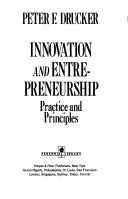
Innovation as a learnable discipline, with seven sources of opportunity to search.
Recommended by: Patrick Collison, Matt Mullenweg and 1 other


Value is discounted future cash flow, not earnings per share or return on equity.
“I read that book and the light bulbs all went off for me personally.” — Michael Mauboussin
Source: The Tim Ferriss Show #659 — official transcript
Recommended by: Michael Mauboussin, Mohnish Pabrai

The biases that distort managers' decisions, with exercises that show them.
Recommended by: Mohnish Pabrai, Charlie Munger and 1 other
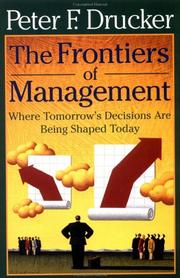




Recommended by: Mohnish Pabrai


A chief executive's advice on the art of leadership.
Recommended by: Mohnish Pabrai, David Cancel

Applies the Seven Habits to organisations: lead by fixed principles, not by values.
Recommended by: Mohnish Pabrai

Recommended by: Mohnish Pabrai
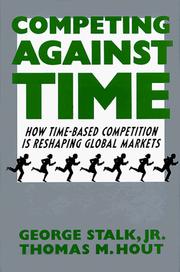
Recommended by: Tim Cook

Five disciplines, led by systems thinking, that let an organisation learn.
Recommended by: Mohnish Pabrai, Sahil Lavingia

Recommended by: Mohnish Pabrai

Collected HBR articles
Edited HBR reader

Recommended by: Mohnish Pabrai
Recommended by: Mohnish Pabrai


Cost discipline handbook widely used by buyout and turnaround operators
Recommended by: Mohnish Pabrai, Patrick O'Shaughnessy and 1 other

Insider account: a Kodak manager on turning around the film unit.

Recommended by: Mohnish Pabrai

Gandhi's principles restated as a leadership standard for executives
Recommended by: Mohnish Pabrai
What eighteen long-lived companies did differently from close rivals in their fields.
Recommended by: Mohnish Pabrai, Drew Houston, Ev Williams and 3 others
Detroit's early-1990s crisis and the GM boardroom coup.
Recommended by: Mohnish Pabrai
How firms lead future industries by seeing tomorrow's chances and building skills.
Recommended by: Mohnish Pabrai

Recommended by: Mohnish Pabrai

Recommended by: Mohnish Pabrai
210 short pieces of business advice for a fast-changing early-1990s economy.
Recommended by: Mohnish Pabrai

US airlines after 1978 deregulation through Crandall, Lorenzo and Kelleher.
Recommended by: Patrick Collison
Kawasaki on competing through service, speed and irritating incumbents
“Awesome book. On my Top Ten List. CEO of garage.com and a friend.” — Mohnish Pabrai
Source: Mohnish's Bookshelf — Books on Sales & Marketing, entry 27
Recommended by: Mohnish Pabrai

Recommended by: Mohnish Pabrai
Recommended by: Mohnish Pabrai
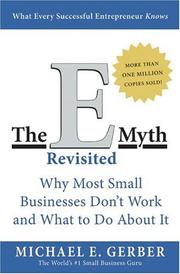
Small firms fail when technicians run them; build systems that run the business.
Recommended by: Alex Lieberman, Ali Abdaal, Andrew Wilkinson and 6 others
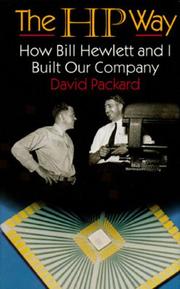

Recommended by: Mohnish Pabrai
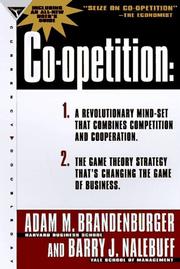
Game theory applied to business, which is cooperative and competitive at once.
Recommended by: Mohnish Pabrai

Recommended by: Mohnish Pabrai

Recommended by: Mohnish Pabrai

Companies lose their position by broadening; narrowing the focus wins it back.
Recommended by: Mohnish Pabrai, Arianna Huffington and 3 others

Recommended by: Mohnish Pabrai
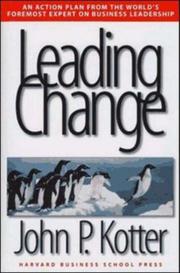
An eight-stage process for organisational change, starting with urgency.
Recommended by: Mohnish Pabrai
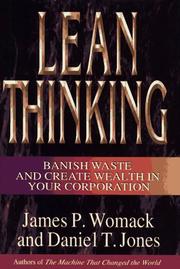
Toyota's methods as five principles: value, value stream, flow, pull, perfection.
Recommended by: Mohnish Pabrai, Jeff Bezos
Recommended by: Mohnish Pabrai
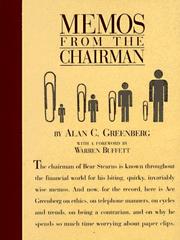
Greenberg's own memos; the cost culture Bear ran on before it broke.
Recommended by: Mohnish Pabrai, Jeff Bezos

Recommended by: John Maeda
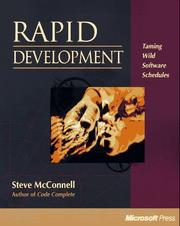
Recommended by: Mohnish Pabrai

Recommended by: Mohnish Pabrai

Measure a firm on finance, customers, internal processes, and learning and growth.
Recommended by: Mohnish Pabrai


Keeping customers, employees and investors is what drives profit and growth.
“In his seminal book, The Loyalty Effect, Fred Reichheld shows that a 5 percentage point improvement in retention rate” — Michael Mauboussin
Source: The Economics of Customer Businesses (Legg Mason Capital Management)
Recommended by: Michael Mauboussin

Recommended by: Mohnish Pabrai

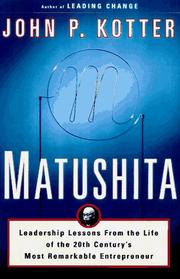
Recommended by: Mohnish Pabrai

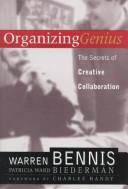
Why some groups of talented people achieve greatness and others never do.
Recommended by: Mohnish Pabrai, Patrick Collison
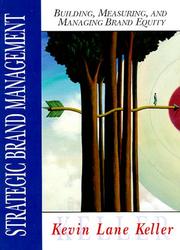
Recommended by: Mohnish Pabrai

Cost-cutting can't produce growth; a company must stand out to win.
Recommended by: Mohnish Pabrai
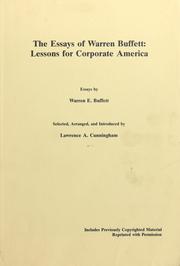
Berkshire's shareholder letters arranged by topic: governance, valuation, mergers.
“The resource is as valuable as Larry Cunningham's The Essays of Warren Buffett, which similarly organizes by subject matter” — Christopher Bloomstran
Source: Semper Augustus 2024 Letter to Clients, 'Books and Tunes for Walking', p. 96
Recommended by: Christopher Bloomstran, Francois Rochon and 11 others
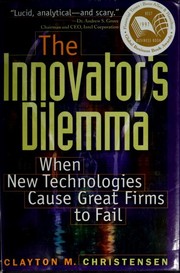
Why well-run firms lose to cheaper, worse products that enter at the market's bottom.
“Awesome book. May move soon to my Top Ten List. If anything will keep CEOs awake at night, reading this book certainly will.” — Mohnish Pabrai
Source: Mohnish's Bookshelf — Books on Sales & Marketing, entry 66
Recommended by: Jim Collins, Mohnish Pabrai, Aaron Levie and 27 others

What companies that lasted over a century have in common, from a Shell planner.
“Recently, I came across two books on long lived companies: ''The Living Company, Habits for Survival in a Turbulent Business Environment'' by Arie de Geus” — Prem Watsa
Source: Fairfax Financial 2020 Shareholders' Letter, p. 30
Recommended by: Mohnish Pabrai, Prem Watsa

Strategy as constant reshaping of advantage in fast, unpredictable markets.
Recommended by: Mohnish Pabrai

Recommended by: Mohnish Pabrai

Hire by defining the results a role must deliver, not the skills on a CV.
Recommended by: Patrick Collison

Economics for information goods: pricing, versioning, lock-in and network effects.
Recommended by: Mohnish Pabrai, Tim O’Reilly

Recommended by: Mohnish Pabrai
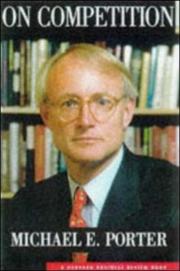
Collected HBR articles; expanded edition 2008
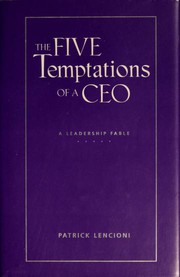
A fable of five temptations, starting with status over results, that sink CEOs.
Recommended by: Cindy Eckert

Recommended by: Mohnish Pabrai
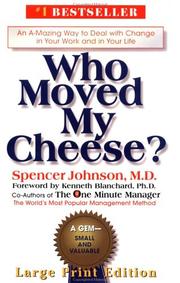
Recommended by: Tony Hsieh, Daymond John

Recommended by: Mohnish Pabrai

Recommended by: Mohnish Pabrai

Recommended by: Patrick Collison, Drew Houston, Simon Sinek

Irwin/McGraw-Hill case textbook

Get more with less by finding the 20% of effort that yields 80% of results.
Recommended by: Ana Fabrega, Keith Rabois, Tim Ferriss

Recommended by: Mohnish Pabrai, Girish Mathrubootham and 2 others

Run a tech company for shareholder value by funding its core advantage.
“Moore's forthcoming book, Living on the Fault Line... is terrific and highly recommended.” — Michael Mauboussin
Source: Network to Net Worth: Exploring Network Dynamics (CS First Boston)
Recommended by: Michael Mauboussin

A fable of two rival firms showing why organisational health beats clever strategy.
Recommended by: Mohnish Pabrai, Ali Abdaal, Brian Armstrong

Why long-lived companies underperform the market, and how to transform them.
Recommended by: Mohnish Pabrai
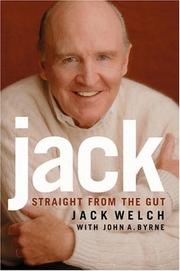
Running General Electric from 1981 to 2001, as told on retiring.
Recommended by: Mohnish Pabrai, Jamie Dimon, Warren Buffett

Recommended by: Mohnish Pabrai

Recommended by: Sheryl Sandberg

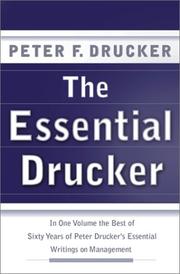
Anthology selected from sixty years of writing

Extraordinary results come from narrowing focus to the one thing that matters most.
Recommended by: David Cancel, Alexis Ohanian, Austen Allred and 3 others


Recommended by: Michael Batko

Recommended by: Mohnish Pabrai
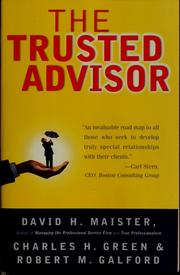
The trust equation: credibility, reliability and intimacy over self-orientation.
Recommended by: Nat Eliason
Bogle's speeches to Vanguard staff over its first 25 years, with commentary.
Recommended by: Mr. Money Mustache
Seven qualities, such as unconditional responsibility, of people who make firms work.
Recommended by: Reid Hoffman, Sheryl Sandberg

Recommended by: Mohnish Pabrai


Recommended by: Mohnish Pabrai

Recommended by: Mohnish Pabrai
Twenty-three profit models taught as weekly lessons from a mentor to an analyst.
Recommended by: Mohnish Pabrai
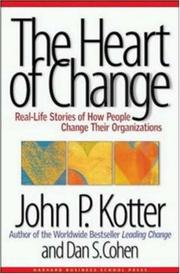
Recommended by: Mohnish Pabrai

Recommended by: Mohnish Pabrai
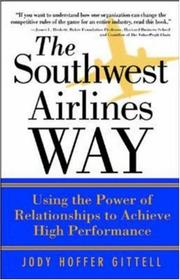
Academic study of relational coordination and turnaround times.
Recommended by: Ryan Peterson
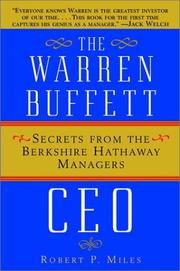
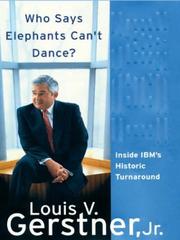
How IBM was kept whole in 1993 and turned from hardware toward services.
Recommended by: Mohnish Pabrai, Aaron Levie

Selections on community and society

Recommended by: Mohnish Pabrai

Compiled from Investor's Business Daily profiles.

Recommended by: David Kadavy

Recommended by: Mohnish Pabrai

Recommended by: Mohnish Pabrai
How the Oakland A's won on a small payroll by buying players the market undervalued.
“understanding how to buy undervalued players is very similar to buying undervalued stocks and so that's a really helpful book” — Joel Greenblatt
Source: Masters in Business transcript: Joel Greenblatt (2018)
Recommended by: Joel Greenblatt, Mohnish Pabrai, Ev Williams and 2 others

A manifesto to rebuild firms for an age of automated white-collar work and design.
Recommended by: David Cancel
A short history of the joint stock company, from trading charters to multinationals.
Recommended by: Paul Graham


Recommended by: Mohnish Pabrai
Recommended by: Mohnish Pabrai

Recommended by: Mohnish Pabrai

Recommended by: Mohnish Pabrai

Aldi's hard-discount method: radical simplicity as the way to keep costs low.


John Boyd's military strategy, including the OODA loop, applied to business.
Recommended by: Ryan Peterson

Recommended by: Noah Kagan
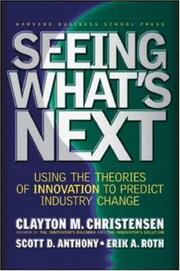
Disruption theory used to forecast how industries will change.
Recommended by: Ev Williams

Recommended by: Mohnish Pabrai, Ev Williams, Keith Rabois and 1 other
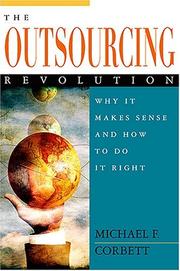
Practitioner survey of outsourcing decisions and their economics.
Recommended by: David Cancel
How to create new market space instead of fighting rivals over existing demand.
Recommended by: Mohnish Pabrai, Nat Eliason, Aaron Levie and 5 others
Barriers to entry as the only durable source of a toll.
Recommended by: Mohnish Pabrai, Li Lu
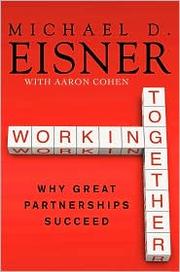
Michael Eisner's twenty years running Disney, from turnaround to shareholder revolt.
Recommended by: Kara Swisher

Recommended by: Ev Williams, Keith Rabois

Good to Great's principles applied to non-profits and the public sector.
Recommended by: Mohnish Pabrai
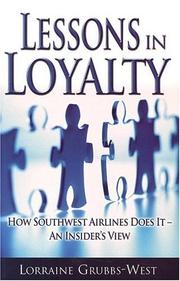
Insider account: former head of people on hiring and retention.
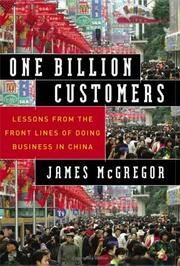
Recommended by: Mohnish Pabrai
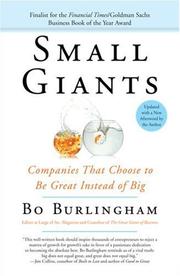
Fourteen companies, such as Anchor Brewing and Zingerman's, that chose to stay small.
Recommended by: Mohnish Pabrai, Catriona Wallace, Noah Kagan and 1 other
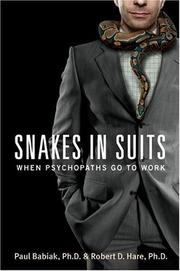
Recommended by: Mohnish Pabrai

Customer development: how startups find customers before building the full product.
“Buy it, read it, keep it under your pillow and absorb it via osmosis.” — Marc Andreessen
Source: Book of the week: Best book for tech entrepreneurs this year, blog.pmarca.com
Recommended by: Marc Andreessen, Andrew Chen, Brad Feld and 2 others
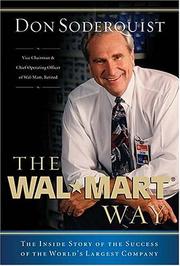
Insider account by the long-serving chief operating officer.
Recommended by: Mohnish Pabrai
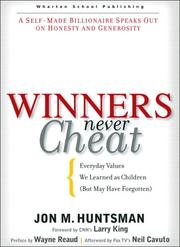
Recommended by: Mohnish Pabrai

Recommended by: Mohnish Pabrai, Ev Williams, Sam Altman and 1 other

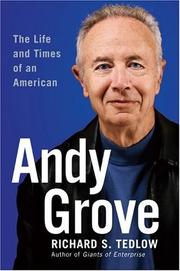
Full-scale biography by a Harvard business historian.
Recommended by: Patrick Collison, Keith Rabois
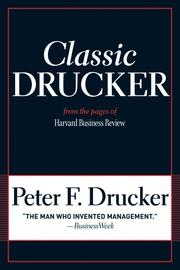

Recommended by: Mohnish Pabrai
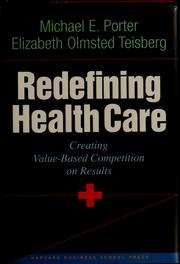
Creating Value-Based Competition on Results


Without shelf limits, sales of many niche products add up to rival the hits.
Recommended by: Jim Collins, Ev Williams, Jack Ma and 1 other
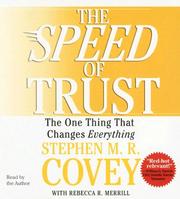
Trust as an economic variable: low trust adds cost and slows everything.
Recommended by: John Maeda
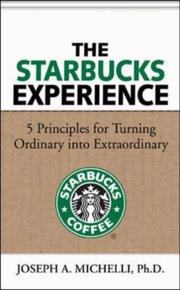
Consultant's distillation of Starbucks service principles.

Leaderless organisations, from Alcoholics Anonymous to file sharing, and their power.
Recommended by: Mohnish Pabrai, Changpeng Zhao, Simon Sinek

Recommended by: Alfred Lin
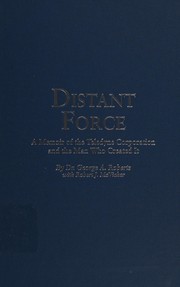
Teledyne from the inside; the conglomerate that actually compounded.
“This is a great history of Henry Singleton and the conglomerate, Teledyne... I've recommended this several times as well.” — Christopher Bloomstran
Source: Semper Augustus 2023 Letter to Clients, 'Worldly Wisdom', p. 81
Recommended by: Christopher Bloomstran, Mohnish Pabrai

Recommended by: Mohnish Pabrai
How peer-group forums work; the method used by chief executives
Recommended by: Guy Spier

Recommended by: Mohnish Pabrai


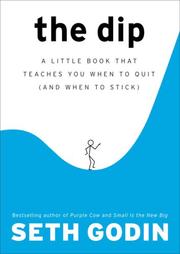
When to push through a hard stretch and when to quit a dead end.
Recommended by: Brian Armstrong, Nat Eliason, Ev Williams and 1 other


How judging firms by their results corrupts most business research and advice.
“Phil Rosenzweig's must-read book, The Halo Effect, shows this idea is alive and well in the business world.” — Michael Mauboussin
Source: Was Harry Potter Inevitable? Cumulative Advantage, Counterfactuals, and the Halo Effect (Legg Mason)
Recommended by: Michael Mauboussin, Ev Williams and 1 other
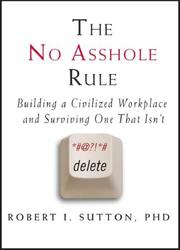
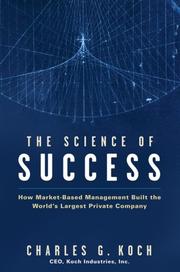
Recommended by: Mohnish Pabrai
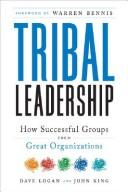
How to rate an organisation's tribal culture on five stages and raise it.
Recommended by: Tony Hsieh, Graham Duncan, Sahil Lavingia

Recommended by: Alfred Lin

Argues Toyota runs on deliberate internal contradictions.

Recommended by: Mohnish Pabrai
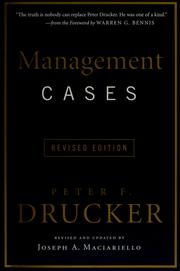
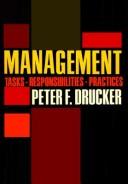
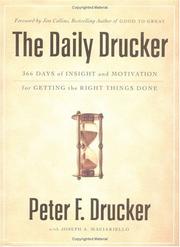
Revised edition prepared with Joseph A. Maciariello

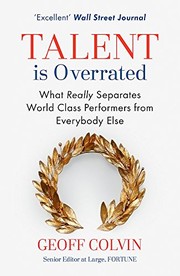
Deliberate practice, not innate talent, explains world-class performance.
Recommended by: Mohnish Pabrai, Alfred Lin, Donald Trump


Recommended by: Mohnish Pabrai

A dialogue on thinking clearly: reality is simple, conflicts can be resolved.
Recommended by: Mohnish Pabrai
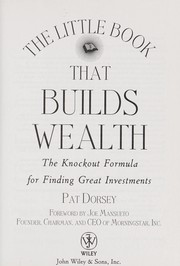
How to spot a durable economic moat from public information, and what isn't one.
Recommended by: Mohnish Pabrai
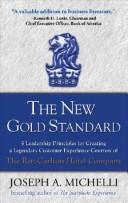


Recommended by: Mohnish Pabrai, Warren Buffett
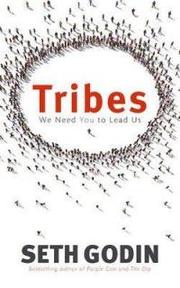
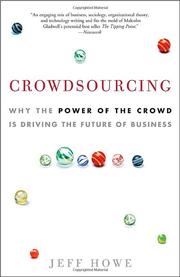
The internet makes it cheap to gather people around a shared interest; lead them.
Recommended by: Catriona Wallace

A method for hiring the right people, built on interviews with wealthy executives.
Recommended by: Nat Eliason, Alexis Ohanian, Noah Kagan

Recommended by: Mohnish Pabrai

Recommended by: Mohnish Pabrai

Mittal Steel's 2006 hostile takeover of Arcelor, creating the largest steelmaker.
Recommended by: Mohnish Pabrai

Little-known firms that lead the world in narrow product markets, and how they do it.
Recommended by: Mohnish Pabrai, Tom Peters

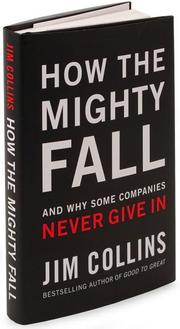
The stages by which great companies decline, and how to spot and reverse them early.
Recommended by: Alfred Lin


Fifteen lessons on life and leadership from Nelson Mandela's example.
Recommended by: Richard Branson
Why most media companies destroy shareholder value: few have barriers to entry.
Recommended by: Keith Rabois
Recommended by: Tony Hsieh

Recommended by: Mohnish Pabrai

Recommended by: Mohnish Pabrai

Recommended by: Mohnish Pabrai

Recommended by: Mohnish Pabrai, Nat Eliason, Nick Huber
The Business Model Canvas: nine blocks for how a firm creates and captures value.
Recommended by: Nir Eyal

Why imitating others' innovations matters as much as innovating.
Recommended by: Mohnish Pabrai
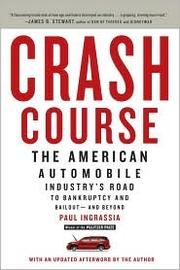
How Detroit fell from postwar dominance to the 2009 bankruptcies of GM and Chrysler.
Recommended by: Mohnish Pabrai

Fifteen metrics that show which marketing spending works and which does not.
Recommended by: Mohnish Pabrai, Jeff Bezos

Recommended by: Mohnish Pabrai, Nat Eliason, Andrew Chen

Insider management account from Southwest's long-serving president.
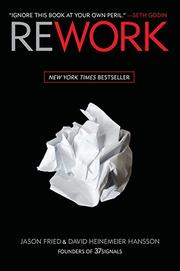
Recommended by: Andrew Wilkinson, Jason Fried, Jeff Bezos and 6 others

Recommended by: Mohnish Pabrai

Fortune correspondent's inside look at the collapse.
Recommended by: Mohnish Pabrai
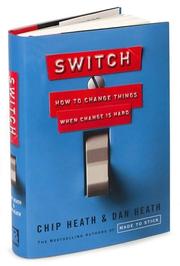
Change made easier: direct the rational rider, motivate the emotional elephant.
Recommended by: Andrew Wilkinson, Mohnish Pabrai, Nir Eyal and 1 other

The case against surrendering the channel to big retail.
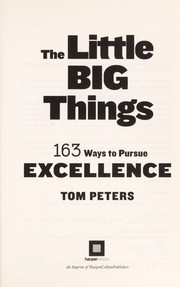
163 short chapters, each one practical idea about work, hiring and service.
Recommended by: Michael Batko

Recommended by: Mohnish Pabrai

Complex problems yield to trial and error, not expert plans, and how to run it.
Recommended by: Mohnish Pabrai, Patrick O'Shaughnessy

Recommended by: Mohnish Pabrai
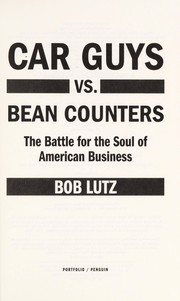
Insider account: Lutz on product culture versus finance control.
Recommended by: Mohnish Pabrai
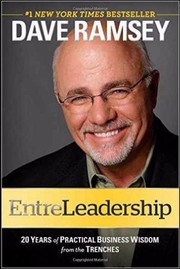
A step-by-step playbook for growing a small business, from Ramsey's own company.
Recommended by: David Cancel, Nick Huber


What companies that beat their industries tenfold in turbulent times did differently.
Recommended by: Mohnish Pabrai, Tony Hsieh, Alfred Lin

Insider account by P&G's global marketing officer.

Recommended by: Mohnish Pabrai

Recommended by: Brett Adcock, Elon Musk

Recommended by: Mohnish Pabrai

Recommended by: Mohnish Pabrai

Novel, but the standard introduction to how ship finance actually works.
Recommended by: Mohnish Pabrai

Recommended by: Andy Budd
The 2006-2010 turnaround told with close management access.
Recommended by: Mohnish Pabrai

Tech firms' puzzle interview questions, and whether they pick good hires.
Recommended by: Sophie Bakalar

Recommended by: Graham Duncan
Research on shame and vulnerability, and why vulnerability comes before connection.
Recommended by: Tony Hsieh, Brené Brown, Chase Jarvis and 4 others


A decade working in hotels, from valet to front desk, and the hustles behind them.
Recommended by: Mohnish Pabrai
Business strategy theories applied to career, family and integrity.
Recommended by: Ali Abdaal, Mohnish Pabrai, Patrick Collison and 6 others

Simplicity as Apple's operating principle, from the adman who worked with Jobs.
Recommended by: Andrew Wilkinson, Austen Allred and 1 other

Recommended by: Mohnish Pabrai

Recommended by: Mohnish Pabrai
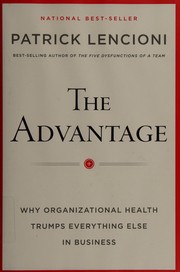
Organisational health, clarity and cohesion, matters more than strategy or smarts.
Recommended by: Changpeng Zhao, David Cancel


Data on 10,000 founders: co-founders, hiring, investors, control and succession.
Recommended by: Patrick Collison, Leo Polovets
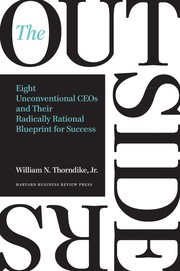
Eight CEOs who beat the market by allocating capital, not by running operations.
“…books I've recommended, highlighted to death, or forced on friends.” — Andrew Wilkinson
Source: Andrew Wilkinson's Bookshelf, neverenough.com
Recommended by: Andrew Wilkinson, Dan Loeb, Francois Rochon and 12 others

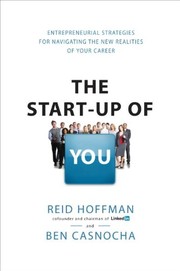
Run your career the way an entrepreneur runs a startup.
Recommended by: Mohnish Pabrai, Jack Dorsey and 4 others

Recommended by: Mohnish Pabrai


Recommended by: Mohnish Pabrai


Recommended by: Mohnish Pabrai

Every Berkshire annual letter since 1965, in order, as the company grew.
“…books I've recommended, highlighted to death, or forced on friends.” — Andrew Wilkinson
Source: Andrew Wilkinson's Bookshelf, neverenough.com
Recommended by: Andrew Wilkinson, Arnold Van Den Berg and 5 others


Games operator on retention, whales and the shape of monetisation curves.
Recommended by: Mohnish Pabrai
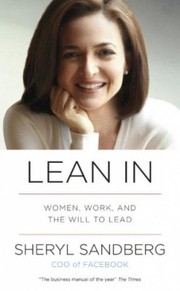
Why few women reach senior roles, and what women and firms can do about it.
Recommended by: Mohnish Pabrai, Richard Branson and 3 others

Recommended by: Nat Eliason, David Hellmann, Jason Fried and 3 others

Recommended by: Tom Bilyeu

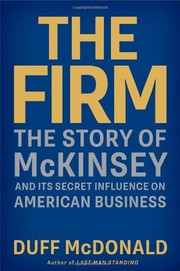
How the modern consulting partnership was invented and priced.
Recommended by: Andrew Chen
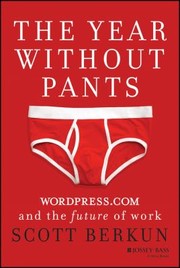

Recommended by: Mohnish Pabrai

Recommended by: Mohnish Pabrai
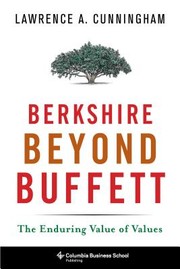
Berkshire as an operating company: its subsidiaries' culture and whether it lasts.
Recommended by: Mohnish Pabrai

Recommended by: Mohnish Pabrai
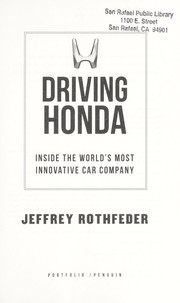
The best modern account of Honda's decentralized engineering culture.
Recommended by: Mohnish Pabrai
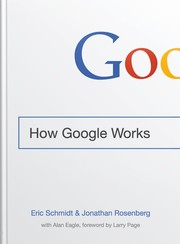
How Google hired and managed smart creatives, people who can't be told what to do.
Recommended by: Mohnish Pabrai, Cynthia Johnson and 2 others
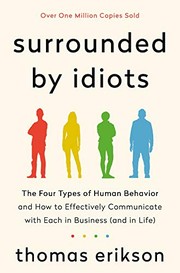

Recommended by: Laura Deming

Recommended by: Mohnish Pabrai

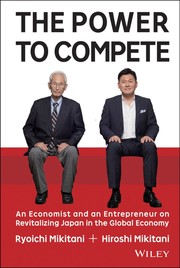
Rakuten's founder and his economist father debate how Japan can compete again.
Recommended by: Bill Gates, Mohnish Pabrai

Recommended by: Mohnish Pabrai
Recommended by: Patrick Collison

Price is the strongest profit lever and the least managed; how to set it well.
Recommended by: Michael Mauboussin

Recommended by: Mohnish Pabrai

Eight activist letters over a century, from Graham in 1927, and what lay behind them.
Recommended by: Mohnish Pabrai

How to anticipate change and create your own opportunities in business.
Recommended by: Tom Bilyeu


Fifteen commitments for leading from curiosity instead of defensiveness.
Recommended by: Alex Lieberman, Austin Rief, Brian Armstrong and 3 others

Recommended by: Tim Ferriss, Ali Abdaal, Brian Armstrong

Recommended by: Arianna Huffington
Insider account of Google's people operations by its SVP of HR.
Recommended by: Mohnish Pabrai, Changpeng Zhao, David Cancel and 2 others

Recommended by: Jake Knapp

Seven sources of lasting advantage, each a benefit plus a barrier to rivals.
Recommended by: Alex Lieberman, Brett Adcock, Daniel Ek and 6 others

Customers hire products to do a job; innovate by finding the job, not the buyer type.


What Japanese companies that have lasted over a century have in common.
“''Lessons from Century Club Companies, Managing for Long Term Success'' by Vicki Tenhaken” — Prem Watsa
Source: Fairfax Financial 2020 Shareholders' Letter, p. 30
Recommended by: Prem Watsa

Experiments showing people work for meaning and recognition, not just money.
Recommended by: Tim Ferriss, Alfred Lin


How leaders turn a founder-driven startup into a company that lasts.
Recommended by: Reed Hastings


How to design moments that make experiences richer and more memorable.
Recommended by: Jake Knapp, Joel Connolly, Michael Batko
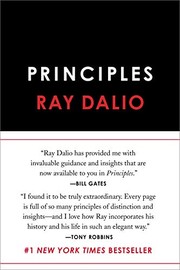
Decision rules from building Bridgewater: radical truth and radical transparency.
Recommended by: Alfred Lin, Nat Eliason, Andrew Lokenauth and 28 others


Recommended by: Ran Segall

When and how to put speed before efficiency to capture a market before rivals.
Recommended by: Anthony Pompliano, Bill Gates, Biz Stone and 7 others


The secretly funded litigation that destroyed Gawker.
Recommended by: Brian Koppelman, Jeff Jordan, Joel Connolly and 2 others


How the advertising business is being upended, told from its most powerful rooms.
Recommended by: Alexis Ohanian, Michael Bloomberg


Operating manual for scaling a company from fifty to thousands
Recommended by: Balaji S. Srinivasan, Matt Mullenweg and 10 others


Recommended by: Ryan Hoover


Leadership treated as the creation of meaning inside organisations
Recommended by: Reid Hoffman


Why a business can stay small on purpose instead of chasing growth.
Recommended by: Cal Newport, David Hellmann, Eric Jorgenson and 3 others

Recommended by: Reid Hoffman


Why organisations kill breakthrough projects, and how structure can protect them.
Recommended by: Arianna Huffington, Bill Gates and 8 others


Recommended by: Cal Newport

An operating manual for founders scaling from a few people to a few hundred.
Recommended by: Nat Eliason, Alexis Ohanian, Ali Abdaal and 4 others
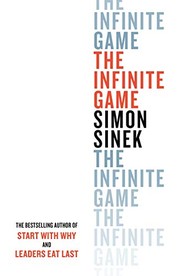

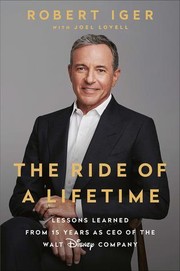
Running Disney and buying Pixar, Marvel, Lucasfilm and Fox to add creative talent.
Recommended by: Bill Gates, Alexis Ohanian, Ali Abdaal and 8 others

Recommended by: Arianna Huffington

How Bill Campbell coached the leaders of Google, Apple and Intuit.
Recommended by: Matt Mullenweg, Bryant Chou and 5 others
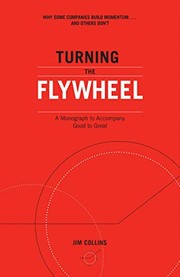

Culture is how people behave when the leader is absent, and must be designed.
Recommended by: Matt Mullenweg, Andrew Chen, Anu Hariharan and 2 others
Expanded edition of the 1992 book

Interviews with leaders such as Jeff Bezos on how they lead.
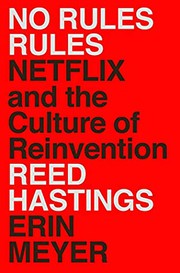
How Netflix built talent density and candour so it could remove controls.
Recommended by: Matt Mullenweg, Alex Lieberman, Ben Horowitz and 2 others


US politics analysed as an industry with five forces, and reforms to fix it.
Recommended by: Charles Koch, Mark Cuban

How leaders drive hypergrowth by raising standards, focus and urgency.
Recommended by: Jason Calacanis, Terrance McArthur


Recommended by: Andrew Wilkinson
Recommended by: Kathryn Minshew
Recommended by: Mohnish Pabrai

Recommended by: Tony Hsieh


Recommended by: David Hellmann


Challenger-brand economics against a dominant incumbent.
Recommended by: Vinod Khosla


Sell-side analysts comparing Boeing, GE, Honeywell and Danaher.
Recommended by: Patrick O'Shaughnessy
Recommended by: Richard Branson

Knowledge workers must run their own careers by knowing their strengths and values.
Recommended by: Nat Eliason, Patrick Collison and 3 others
An operating framework for growing firms: priorities, data and meeting rhythm.
Recommended by: Julie Stevanja
Value pricing for solo and boutique consultancies.
Recommended by: Nat Eliason, Noah Kagan

Recommended by: Nat Eliason, Ramit Sethi, Simon Sinek and 1 other
Recommended by: Arianna Huffington

How platforms create value by matching groups, unlike linear pipeline businesses.
Recommended by: Reid Hoffman
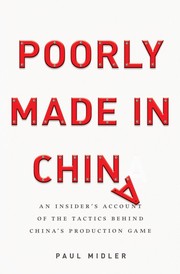

Recommended by: Mohnish Pabrai
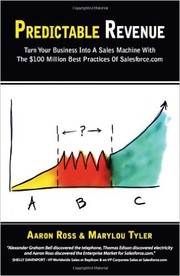
The outbound-SDR machine that most SaaS sales teams copied.
Recommended by: David Cancel


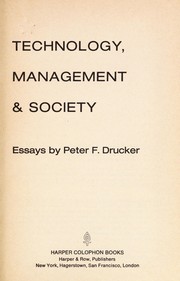
Recommended by: Patrick Collison

The Lemann-Telles-Sicupira management system, written for operators.
Recommended by: Mohnish Pabrai
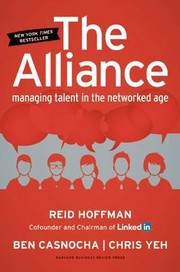
Employment as an honest alliance: set tours of duty between firm and employee.
Recommended by: Brad Feld, Brian Armstrong, Phil Libin
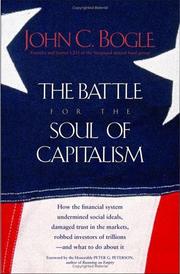
How managers and middlemen took value from the owners of American companies.
Recommended by: Mohnish Pabrai, Mr. Money Mustache
Buffett, Munger and scholars discuss governance and investing at a 1996 symposium.
Recommended by: Mohnish Pabrai
Recommended by: Nat Eliason


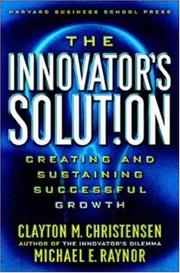
How a company can build new businesses through low-end and new-market disruption.
Recommended by: Jeff Bezos, Keith Rabois
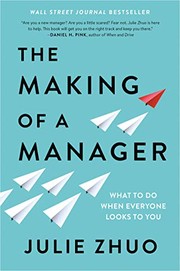
What a new manager needs to know about leading people, meetings, hiring and feedback.
Recommended by: Ali Abdaal, Jake Knapp, Stewart Butterfield
A step-by-step guide to finding customers, a market and product-market fit.
Recommended by: Patrick Collison, Matej Latin and 1 other


Recommended by: Mohnish Pabrai


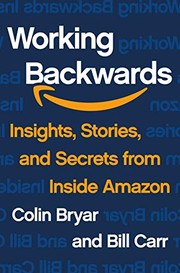
Amazon's operating mechanisms, from leadership principles to the six-page memo.
Recommended by: Jeff Bezos
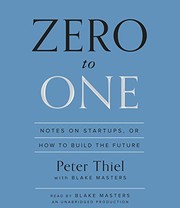
Why startups should build something new and own a small market before growing.
Recommended by: Balaji S. Srinivasan, Eric Weinstein and 36 others
 Peter F. Druckerwrote 29 books here
 Michael E. Porterwrote 9 books here
 Clayton Christensenwrote 8 books here
 Jim Collinswrote 8 books here
 Richard Rumeltwrote 3 books here
 Warren Buffettwrote 3 books here
Show all 71
 Reid Hoffmanwrote 3 books here
 Seth Godinwrote 3 books here
 Stephen Coveywrote 3 books here
 Guy Kawasakiwrote 3 books here
 Simon Sinekwrote 3 books here
 Andrew S. Grovewrote 2 books here
 Ben Horowitzwrote 2 books here
 John C. Boglewrote 2 books here
 Eric Schmidtwrote 2 books here
 David Heinemeier Hanssonwrote 2 books here
 Don Tapscottwrote 2 books here
 Aswath Damodaranwrote 1 book here
 John Kenneth Galbraithwrote 1 book here
 Michael Lewiswrote 1 book here
 Peter Thielwrote 1 book here
 Ray Daliowrote 1 book here
 Adam Grantwrote 1 book here
 Al Rieswrote 1 book here
 Chris Andersonwrote 1 book here
 Dan Arielywrote 1 book here
 David M. Rubensteinwrote 1 book here
 Ed Catmullwrote 1 book here
 Gillian Tettwrote 1 book here
 John Doerrwrote 1 book here
 Tyler Cowenwrote 1 book here
 Dan Gardnerwrote 1 book here
 Ryan Holidaywrote 1 book here
 Bill Gateswrote 1 book here
 Brené Brownwrote 1 book here
 Daniel Grosswrote 1 book here
 Jack Welchwrote 1 book here
 Jerry Colonnawrote 1 book here
 Julie Zhuowrote 1 book here
 Nir Eyalwrote 1 book here
 Reed Hastingswrote 1 book here
 Richard Bransonwrote 1 book here
 Scott Belskywrote 1 book here
 Sheryl Sandbergwrote 1 book here
 Stanley McChrystalwrote 1 book here
 Tony Hsiehwrote 1 book here
 Mohnish Pabrairecommends 193 books here
 Patrick Collisonrecommends 26 books hereTony Hsiehrecommends 26 books here
 Ev Williamsrecommends 23 books here
 Keith Raboisrecommends 19 books here
 Alfred Linrecommends 18 books hereReid Hoffmanrecommends 17 books here
 Tim Ferrissrecommends 16 books hereBill Gatesrecommends 15 books here
 Matt Mullenwegrecommends 15 books here
Show all 237
 Drew Houstonrecommends 14 books here
 Jeff Bezosrecommends 13 books hereSimon Sinekrecommends 12 books here
 Tom Bilyeurecommends 12 books here
 Marc Andreessenrecommends 11 books here
 Brian Armstrongrecommends 11 books here
 Ryan Petersonrecommends 11 books here
 Arianna Huffingtonrecommends 10 books hereNir Eyalrecommends 10 books hereSheryl Sandbergrecommends 10 books hereBen Horowitzrecommends 9 books here
 Paul Grahamrecommends 9 books here
 Brad Feldrecommends 9 books hereRyan Holidayrecommends 9 books here
 Alexis Ohanianrecommends 8 books here
 Changpeng Zhaorecommends 8 books here
 Kathryn Minshewrecommends 8 books hereJim Collinsrecommends 7 books hereWarren Buffettrecommends 7 books here
 Balaji S. Srinivasanrecommends 7 books here
 Jamie Dimonrecommends 7 books hereRichard Bransonrecommends 7 books here
 Satya Nadellarecommends 7 books here
 Tobi Lütkerecommends 7 books hereRay Daliorecommends 6 books here
 Brett Adcockrecommends 6 books here
 Mark Cubanrecommends 6 books here
 Max Levchinrecommends 6 books here
 Michael Bloombergrecommends 6 books here
 Sam Altmanrecommends 6 books here
 Charlie Mungerrecommends 5 books here
 Marc Benioffrecommends 5 books here
 Aaron Levierecommends 5 books here
 Chris Dixonrecommends 5 books here
 Jason Calacanisrecommends 5 books hereJulie Zhuorecommends 5 books hereReed Hastingsrecommends 5 books here
 Vinod Khoslarecommends 5 books here
 Guy Spierrecommends 4 books here
 Dustin Moskovitzrecommends 4 books here
 Jack Dorseyrecommends 4 books here
 Jensen Huangrecommends 4 books here
 Justin Kanrecommends 4 books here
 Tony Robbinsrecommends 4 books herePeter Thielrecommends 3 books hereJohn Doerrrecommends 3 books hereGuy Kawasakirecommends 3 books here
 Bill Gurleyrecommends 3 books here
 Brian Cheskyrecommends 3 books here
 Daniel Ekrecommends 3 books here
 Elon Muskrecommends 3 books here
 Fred Wilsonrecommends 3 books here
 John Maedarecommends 3 books here
 Kevin Systromrecommends 3 books here
 Meg Whitmanrecommends 3 books here
 Patrick Bet-Davidrecommends 3 books here
 Ron Conwayrecommends 3 books here
 Stewart Butterfieldrecommends 3 books here
 Kevin Kellyrecommends 2 books here
 Prem Watsarecommends 2 books here
 Seth Klarmanrecommends 2 books here
 William Ackmanrecommends 2 books hereBrené Brownrecommends 2 books here
 Casey Neistatrecommends 2 books here
 Daniel Burkarecommends 2 books here
 Daymond Johnrecommends 2 books here
 Doug McMillonrecommends 2 books here
 Eric Weinsteinrecommends 2 books here
 Gary Vaynerchukrecommends 2 books here
 Jack Marecommends 2 books here
 James Altucherrecommends 2 books here
 Jeff Atwoodrecommends 2 books here
 Luis von Ahnrecommends 2 books here
 Mark Zuckerbergrecommends 2 books here
 Ramit Sethirecommends 2 books here
 Stewart Brandrecommends 2 books here
 Susan Wojcickirecommends 2 books here
 Tim O’Reillyrecommends 2 books here
 Zoë Foster Blakerecommends 2 books hereAndrew S. Groverecommends 1 book here
 Daniel Kahnemanrecommends 1 book here
 Howard Marksrecommends 1 book here
 Nassim Nicholas Talebrecommends 1 book hereEric Schmidtrecommends 1 book hereDavid Heinemeier Hanssonrecommends 1 book here
 Aileen Leerecommends 1 book here
 Albert Wengerrecommends 1 book here
 Amy Hoodrecommends 1 book here
 Anne Wojcickirecommends 1 book here
 Biz Stonerecommends 1 book here
 Bryan Johnsonrecommends 1 book here
 Caterina Fakerecommends 1 book here
 Charles Kochrecommends 1 book here
 Chelsea Krostrecommends 1 book here
 Cindy Eckertrecommends 1 book here
 Claire Diaz-Ortizrecommends 1 book here
 Cynthia Johnsonrecommends 1 book here
 Demis Hassabisrecommends 1 book here
 Donald Trumprecommends 1 book here
 Evan Spiegelrecommends 1 book here
 Ezra Kleinrecommends 1 book here
 Garry Tanrecommends 1 book here
 Ginni Romettyrecommends 1 book here
 Jeff Jordanrecommends 1 book here
 Jessica Hischerecommends 1 book here
 Kara Swisherrecommends 1 book here
 Kirsten Greenrecommends 1 book here
 Larry Ellisonrecommends 1 book here
 Larry Pagerecommends 1 book here
 Laura Demingrecommends 1 book here
 Melinda Gatesrecommends 1 book here
 Mike Cannon-Brookesrecommends 1 book here
 Mr. Beastrecommends 1 book here
 Naval Ravikantrecommends 1 book here
 Peter Attiarecommends 1 book here
 Phil Libinrecommends 1 book here
 Ruth Poratrecommends 1 book here
 Safra Catzrecommends 1 book hereScott Belskyrecommends 1 book here
 Sophia Amorusorecommends 1 book here
 Steve Jobsrecommends 1 book here
 Susan Cainrecommends 1 book here
 Tim Cookrecommends 1 book here
 Trevor Ncuberecommends 1 book here
 Vlad Tenevrecommends 1 book here