Capital allocation, Berkshire and deals
Buffett's letters, books on Berkshire Hathaway, and works on shareholder value, mergers, turnarounds and executive pay.
Start here
- Financial IntelligenceKaren Berman, Joe Knight, 2006
- Saving Capitalism From Short-Termism: How to Build Long-Term Value and Take Back Our Financial FutureAlfred Rappaport
- Breakup!David Sadtler, 1997
- The Synergy TrapMark L. Sirower, 1997
- Corporate TurnaroundStuart Slatter, David Lovett, 1999
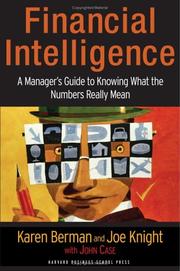
How non-financial managers can read income statements, balance sheets and cash flow.
Recommended by: Nat Eliason
How the chase for short-term share prices corrupted shareholder value, and fixes.
Recommended by: Patrick O'Shaughnessy

Why acquirers overpay: the premium is a promise of gains most never deliver.

The systematic practitioner framework.
Bain's evidence that frequent small deals beat occasional large ones.

Why mergers fail; the break risk an arbitrageur underwrites.

Insider account from a serial restructuring CEO.
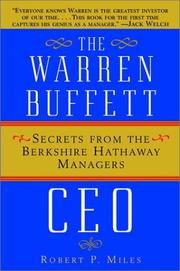
How Berkshire runs on trust instead of the controls other large firms use.
Recommended by: Warren Buffett

Value is discounted future cash flow, not earnings per share or return on equity.
“I read that book and the light bulbs all went off for me personally.” — Michael Mauboussin
Source: The Tim Ferriss Show #659 — official transcript
Recommended by: Michael Mauboussin, Mohnish Pabrai
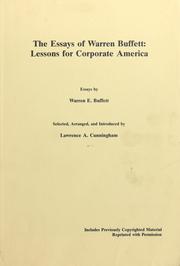
Berkshire's shareholder letters arranged by topic: governance, valuation, mergers.
“The resource is as valuable as Larry Cunningham's The Essays of Warren Buffett, which similarly organizes by subject matter” — Christopher Bloomstran
Source: Semper Augustus 2024 Letter to Clients, 'Books and Tunes for Walking', p. 96
Recommended by: Christopher Bloomstran, Francois Rochon and 11 others

Recommended by: Mohnish Pabrai

Recommended by: Mohnish Pabrai

Recommended by: Mohnish Pabrai
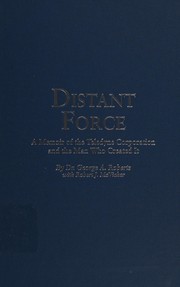
Teledyne from the inside; the conglomerate that actually compounded.
“This is a great history of Henry Singleton and the conglomerate, Teledyne... I've recommended this several times as well.” — Christopher Bloomstran
Source: Semper Augustus 2023 Letter to Clients, 'Worldly Wisdom', p. 81
Recommended by: Christopher Bloomstran, Mohnish Pabrai

Recommended by: Mohnish Pabrai

Mittal Steel's 2006 hostile takeover of Arcelor, creating the largest steelmaker.
Recommended by: Mohnish Pabrai

Recommended by: Mohnish Pabrai

Recommended by: Mohnish Pabrai
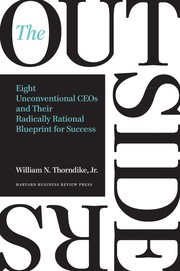
Eight CEOs who beat the market by allocating capital, not by running operations.
“…books I've recommended, highlighted to death, or forced on friends.” — Andrew Wilkinson
Source: Andrew Wilkinson's Bookshelf, neverenough.com
Recommended by: Andrew Wilkinson, Dan Loeb, Francois Rochon and 12 others

Recommended by: Mohnish Pabrai

Every Berkshire annual letter since 1965, in order, as the company grew.
“…books I've recommended, highlighted to death, or forced on friends.” — Andrew Wilkinson
Source: Andrew Wilkinson's Bookshelf, neverenough.com
Recommended by: Andrew Wilkinson, Arnold Van Den Berg and 5 others
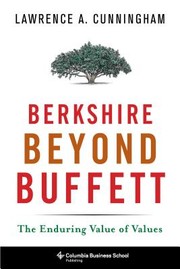
Berkshire as an operating company: its subsidiaries' culture and whether it lasts.
Recommended by: Mohnish Pabrai

Eight activist letters over a century, from Graham in 1927, and what lay behind them.
Recommended by: Mohnish Pabrai
Recommended by: Mohnish Pabrai
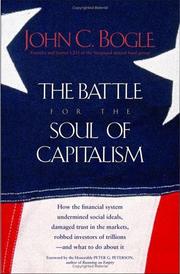
How managers and middlemen took value from the owners of American companies.
Recommended by: Mohnish Pabrai, Mr. Money Mustache
Buffett, Munger and scholars discuss governance and investing at a 1996 symposium.
Recommended by: Mohnish Pabrai
 Warren Buffettwrote 3 books here
 Aswath Damodaranwrote 1 book here
 John C. Boglewrote 1 book here
 Mohnish Pabrairecommends 19 books hereWarren Buffettrecommends 4 books here
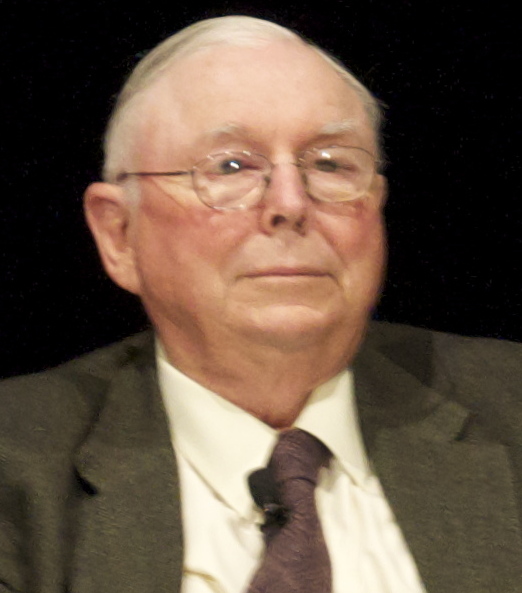 Charlie Mungerrecommends 2 books here
 William Ackmanrecommends 2 books here
 Jim Collinsrecommends 1 book here
Show all 27
 Guy Spierrecommends 1 book here
 Alfred Linrecommends 1 book here
 Brian Armstrongrecommends 1 book here
 Patrick Collisonrecommends 1 book here