
Environment and Energy
Climate, ecology, resources, energy systems, sustainability and humanity's physical footprint on the planet. Read by anyone weighing energy transitions and environmental limits.
Start here
- Networks of PowerThomas P. Hughes, 1983
- Cadillac DesertMarc Reisner, 1986
- Nature's MetropolisWilliam Cronon, 1991
- The Prize: The Epic Quest for Oil, Money, and PowerDaniel Yergin, 1991
- The Ecology of CommercePaul Hawken, 1993

Electrification in the US, Britain and Germany, 1880 to 1930, as a technical system.
How rival federal agencies dammed the American West's rivers for water projects.
How Chicago and its western hinterland grew together as city and frontier.
The history of oil from the first Pennsylvania well to the Gulf War.
Recommended by: Mohnish Pabrai, Patrick O'Shaughnessy and 3 others
How business harms the environment, and a plan to cut energy and resource use by 80%.

Why oil booms left Venezuela, Iran, Nigeria and others with unstable states.

How Haber and Bosch's ammonia synthesis transformed world food production.
Recommended by: Mohnish Pabrai, Bill Gates
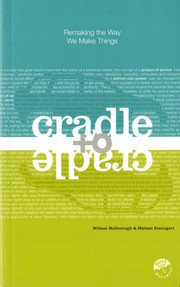
Design products on nature's model, where waste becomes food for the next cycle.
Recommended by: Joe Gebbia
A short primer on energy: its forms, units and role in nature and economies.
Recommended by: Bill Gates, Mark Zuckerberg

Four meals traced to their sources, from fast food and organic to hunted and grown.
A short technical primer on oil: geology, extraction, refining, uses and reserves.
Recommended by: Mohnish Pabrai
Each shift from wood to coal to oil took 50 to 70 years; new ones will be slow too.
Recommended by: Bill Gates
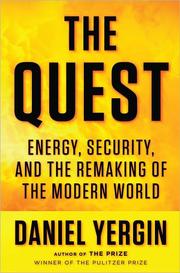
Energy from 1990 to 2011: Russian and Caspian oil, Iraq, climate policy, renewables.
Recommended by: Bill Gates, Mohnish Pabrai

Why oil-rich countries have less democracy, less stability and more civil war.
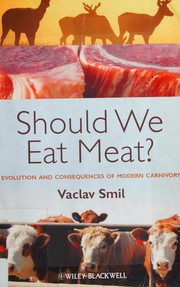
Meat in human evolution and modern farming, and the costs of heavy meat-eating.
Recommended by: Bill Gates, Mohnish Pabrai
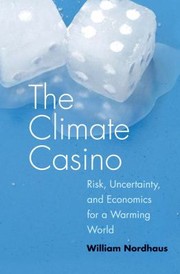
The economics of climate change, and why a universal carbon price works best.
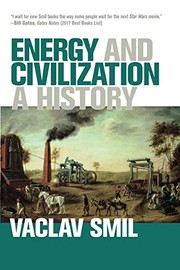
History told through energy, from muscle and fire to coal, oil and electricity.
Recommended by: Balaji S. Srinivasan, Bill Gates and 1 other
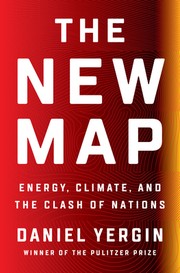
Energy and geopolitics in 2020: US shale, Russia, China and the Middle East.
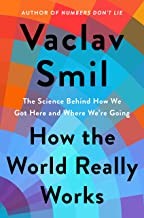
The physical basics of modern life: energy, food, materials and globalisation.
Recommended by: Bill Gates

The economic criteria for setting regulated utility rates.
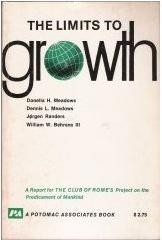
A computer model of world growth that overshoots its limits and then declines.

The big international oil companies and how the 1973 embargo took away their control.
Water control as the basis of power in the arid American West.
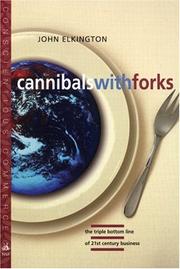
The triple bottom line: report on economic, environmental and social results.

How the 1990 US sulphur dioxide allowance trading programme worked in practice.
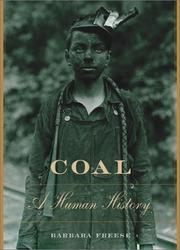
How coal built empires and economies, and the death and pollution it caused.
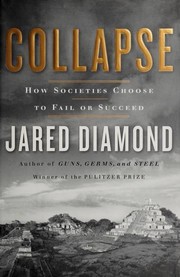
Why past societies from Easter Island to the Maya collapsed, and what that teaches.
Recommended by: Mohnish Pabrai, Bill Gates, Stewart Brand
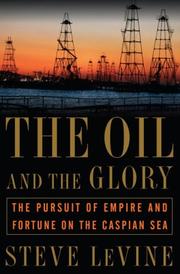
The fight for Caspian Sea oil from the 19th century to the present.
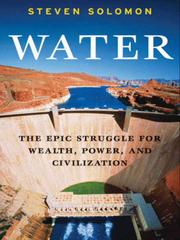
A world history showing how control of water shaped political and economic power.
Recommended by: Mohnish Pabrai
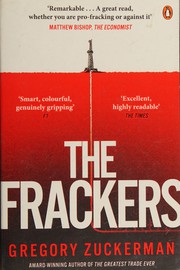
The wildcatters, from George Mitchell to Harold Hamm, who started the shale boom.
Recommended by: Mohnish Pabrai
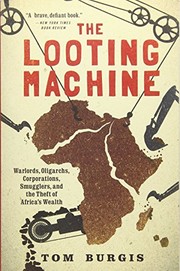
How Africa's oil and minerals are extracted in ways that leave its people poorer.

Saudi Arabia told through its oil business, from the 1930s concession to Aramco.
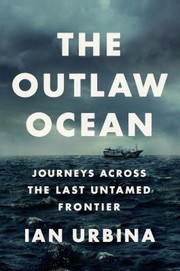
Flags of convenience, crew abuse and jurisdictional voids at sea.

What it would take to cut greenhouse gas emissions to zero, sector by sector.
Recommended by: Bill Gates

How land ownership shaped history: how people fight over, keep and share land.

A plan with measurable goals for reaching net-zero emissions.

Artisanal cobalt mining in Congo and its place in the battery supply chain.

Six materials the world runs on, sand, salt, iron, copper, oil and lithium, traced.
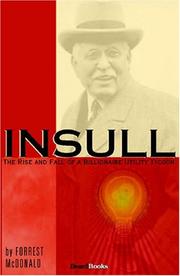
The man who invented the regulated-return utility bargain, and the holding company that killed him.
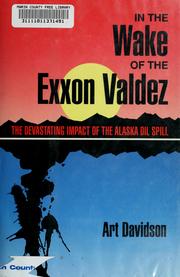
The 1989 Exxon Valdez oil spill and Exxon's response, reported from Alaska.
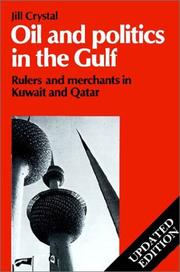
How oil revenue let rulers buy out the merchant families; the origin of the modern business elite.
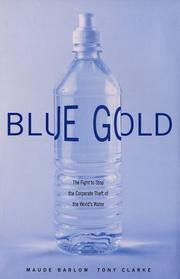
The case against water privatisation and the companies buying up water supplies.
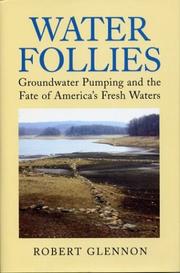
Groundwater pumping and the legal fiction of unlimited rights.
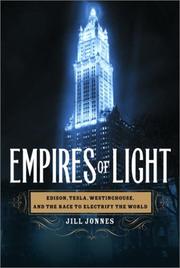
The current war: Edison against Westinghouse and Tesla.
Recommended by: Chris Dixon
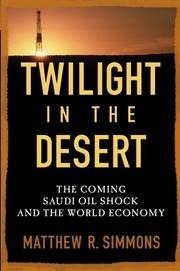
The peak-oil case against Saudi reserve claims; wrong but influential.
Recommended by: Mohnish Pabrai
How Norway designed its oil licensing system, told by the geologist behind it.
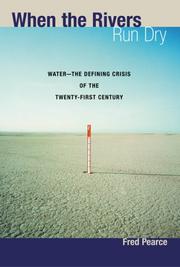
Field reporting on aquifer depletion and river closure worldwide.
Norway is the counterexample the whole volume is arranged around.
A sceptic's conversion to nuclear power, and how public fear of it formed.

How Abu Dhabi's oil wealth built the emirate and gave rise to its sovereign funds.

Petrodollar recycling and the boom-bust cycle Gulf investors keep repeating.
The rise and fall of the Texas oil fortunes, the Hunts among them.
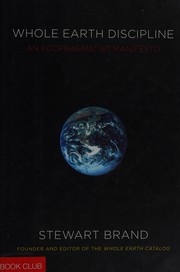
Environmentalist case for nuclear power, dense cities and genetic engineering
“on why even environmentalists should be pro building, pro cities, pro nuclear, and pro genetic engineering” — Marc Andreessen
Source: @pmarca, companion thread to 'It's Time to Build'
Recommended by: Marc Andreessen, Jack Dorsey and 2 others

The Niger Delta oil economy reported at ground level.

How free tap water became bottled water, one of the most profitable products sold.
Why ownership structure, not oil itself, set post-Soviet states' fortunes.

How utility business models must change once regulated growth ends.
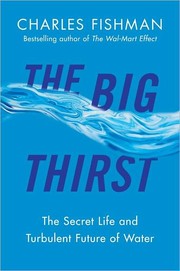
The economics of cheap water and what happens when it stops being cheap.
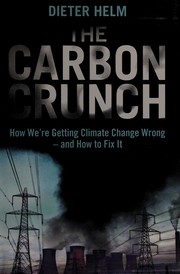
Why climate policy failed to cut emissions as coal use kept rising.

The rush to buy farmland across the developing world, and who loses from it.

Exxon from the 1973 oil shock to 2005, written with access to its own archive.

Mining and hydrocarbon conflict in the Andes; the social licence problem.
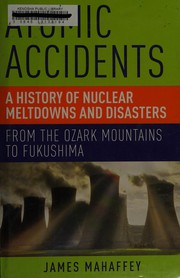
Nuclear accidents, what went wrong in each, and what each taught about the atom.
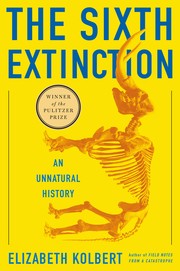
Kolbert spent years reporting alongside biologists watching species disappear in real time. The book's argument is that we are in the middle of a sixth mass extinction — and it makes that claim through fieldwork, not abstraction. The best entry point into climate science for readers who trust narrative over data.
Recommended by: Bill Gates
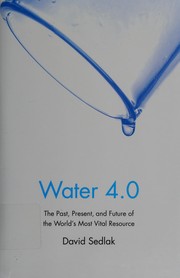
The engineering and capital replacement cycle of urban water systems.
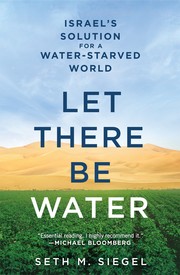
Water technology as an export industry built from a domestic constraint.

How minor metals are mined, traded and hoarded.
Forest ecology as a connected system; background for timberland owners
Recommended by: Morgan Housel, Patrick O'Shaughnessy
The global race to build a better lithium-ion battery for electric cars.

The mechanics of subsidised fuel, multiple exchange rates and arbitrage as a national industry.
Argues price stability always required a swing producer or cartel.

Water projects worldwide that work with nature's rhythms rather than against them.


The Sweden-and-France case that nuclear is the fastest decarbonisation path.

How the Gulf monarchies' cheap domestic energy became their central fiscal problem.

Michael Skelly's bid to build a power line across America for wind power.


Soil loss, water and the financial fragility of American farmland.

The rare metals behind green tech and devices, and China's hold on their supply.

The demand side: what full electrification of homes and vehicles requires.

Insider account: Polman on the Sustainable Living Plan years.

How ownership of American agriculture came to sit with a few families and firms.
Data-driven look at emissions and what actually reduces them
Recommended by: Bill Gates

Ice cores, old shorelines and fossil pollen show how fast the climate now changes.

A novel, not nonfiction, but Powers does something none of the other books here accomplish: he makes the timescale of trees felt as an emotional experience. The result is that you finish it reading the other books differently — with a less human-centric sense of what time and loss mean.
Recommended by: Barack Obama
Carson's 1962 account of pesticide contamination is the founding text of environmental science writing. It matters here not only as history but as methodology: a demonstration that making an invisible industrial threat visible and specific can, in fact, change policy. Every climate communicator is still working in her shadow.
Recommended by: Stewart Brand

The people trying to grow food in a hotter climate, from vertical farms to lab meat.
Rising seas as a present property and insurance crisis, from Miami to Lagos.

How weather forecasts are made, and how fragile the global monitoring behind them is.
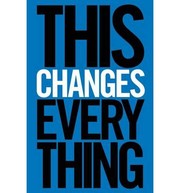
The argument that climate change is a problem of capitalism, not one within it.

Recommended by: Richard Branson



A computer model of exponential economic and population growth on finite resources.
Recommended by: Bill Gates


Recommended by: Mohnish Pabrai
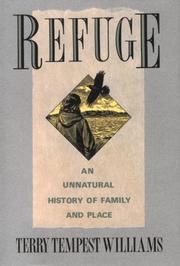
A naturalist's mother dies of cancer as the rising Great Salt Lake threatens birds.
Recommended by: Mohnish Pabrai
Population and consumption face physical limits that economics ignores.
Recommended by: Charlie Munger, Mohnish Pabrai and 1 other
Recommended by: Mohnish Pabrai
Standard textbook on rotation-age valuation and forest finance.

Recommended by: Patrick Collison


Resource productivity framed as an unpriced balance-sheet asset.
Recommended by: Joe Gebbia

Recommended by: Mohnish Pabrai

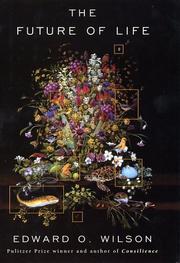
The species the world is about to lose, and how conservation can pay economically.
Recommended by: Mohnish Pabrai, Stewart Brand
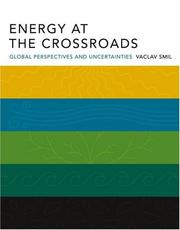
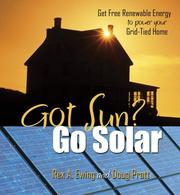
Recommended by: Mohnish Pabrai

Patagonia's founder on running a business against conventional growth logic
Recommended by: Nat Eliason, Patrick Collison, David Cancel and 3 others

Why energy demand never falls, why 'waste' helps, and why quality power is scarce.
Recommended by: Mohnish Pabrai

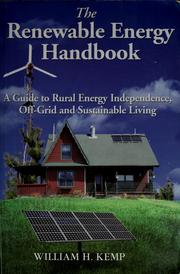
Recommended by: Mohnish Pabrai

Recommended by: Mohnish Pabrai, Richard Branson
Recommended by: Mohnish Pabrai

The career of Norman Borlaug, the plant scientist who won the Nobel Peace Prize.
Recommended by: Bill Gates, Mohnish Pabrai

Recommended by: Richard Branson

Recommended by: Patrick Collison, Richard Branson
Local water-extraction fights, several of them with Nestle Waters.
Recommended by: Mohnish Pabrai, Bill Gates, Meg Whitman

Recommended by: Mohnish Pabrai


International business guide to allowances, offsets and registries.

Recommended by: Andrew Wilkinson, Jordan Hughes
A trader's technical primer on oil barrels, grades, refining and pricing.

The offset side: how voluntary credits are created and sold.


Recommended by: Mohnish Pabrai

Recommended by: Patrick Collison

How business lobbies built emissions trading as the chosen instrument.

How people will get energy two centuries from now, once fossil carbon is gone.
Recommended by: Sam Altman
Recommended by: Mohnish Pabrai

Recommended by: Bill Gates

The challenges of feeding the world by 2050 and the reasons for hope.
Recommended by: Bill Gates
Recommended by: Mohnish Pabrai

Recommended by: Mohnish Pabrai


Julian Simon and Paul Ehrlich's wager on metal prices, and their fight over scarcity.
Recommended by: Bill Gates

Recommended by: Patrick Collison

Recommended by: Mohnish Pabrai, The Barefoot Investor
Fixers, traders and middlemen in the oil trade.


Recommended by: Richard Branson

Rare metals such as tantalum and rhodium, and why phones and weapons need them.

The century-long race among automakers to build the car of the future.
Recommended by: Mohnish Pabrai


Recommended by: Mohnish Pabrai



Institutional history of interconnection and who controls it.

Evidence that rich economies now grow while using fewer physical resources.
“on how modern technological economies can build more outputs with less inputs” — Marc Andreessen
Source: @pmarca, companion thread to 'It's Time to Build'
Recommended by: Marc Andreessen

Deregulated wholesale markets and reliability risk.

Why family farms lose ground to consolidated ownership.
Recommended by: Tim Ferriss





Data showing progress on environmental problems, enough to reach true sustainability.
Recommended by: Bill Gates
The history and technology of the Integral Fast Reactor built at Argonne, 1984-94.
Recommended by: Sam Altman





 Vaclav Smilwrote 14 books here
 Daniel Yerginwrote 3 books here
 Bethany McLeanwrote 1 book here
 John Doerrwrote 1 book here
 Joseph E. Stiglitzwrote 1 book here
 Bill Gateswrote 1 book here
 Stewart Brandwrote 1 book hereBill Gatesrecommends 34 books here
 Mohnish Pabrairecommends 32 books here
 Patrick Collisonrecommends 12 books hereStewart Brandrecommends 9 books here
 Richard Bransonrecommends 7 books here
 Charlie Mungerrecommends 2 books here
 Marc Andreessenrecommends 2 books here
 Ev Williamsrecommends 2 books here
Show all 37
 Joe Gebbiarecommends 2 books here
 Sam Altmanrecommends 2 books here
 Paul Grahamrecommends 1 book here
 Ray Daliorecommends 1 book here
 Warren Buffettrecommends 1 book here
 Kevin Kellyrecommends 1 book here
 Ryan Holidayrecommends 1 book here
 Balaji S. Srinivasanrecommends 1 book here
 Barack Obamarecommends 1 book here
 Chris Dixonrecommends 1 book here
 Emmett Shearrecommends 1 book here
 Jack Dorseyrecommends 1 book here
 Kevin Roserecommends 1 book here
 Mark Zuckerbergrecommends 1 book here
 Matt Mullenwegrecommends 1 book here
 Meg Whitmanrecommends 1 book here
 Steve Jobsrecommends 1 book here
 Tim Ferrissrecommends 1 book here