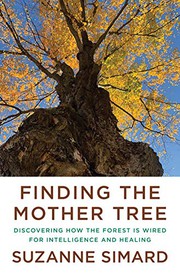
Finding the Mother Tree: Discovering the Wisdom of the Forest
A novel, not nonfiction, but Powers does something none of the other books here accomplish: he makes the timescale of trees felt as an emotional experience. The result is that you finish it reading the other books differently — with a less human-centric sense of what time and loss mean.
Who recommended it 1
Similar books 6
Chosen by shared topics, the entries that hold them, and the people who recommended both.
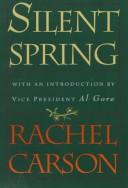
Carson's 1962 account of pesticide contamination is the founding text of environmental science writing. It matters here not only as history but as methodology: a demonstration that making an invisible industrial threat visible and specific can, in fact, change policy. Every climate communicator is still working in her shadow.
Recommended by: Stewart Brand
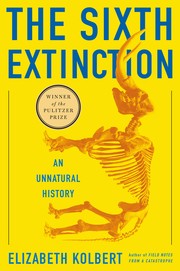
Kolbert spent years reporting alongside biologists watching species disappear in real time. The book's argument is that we are in the middle of a sixth mass extinction — and it makes that claim through fieldwork, not abstraction. The best entry point into climate science for readers who trust narrative over data.
Recommended by: Bill Gates

Ice cores, old shorelines and fossil pollen show how fast the climate now changes.
Data-driven look at emissions and what actually reduces them
Recommended by: Bill Gates

The demand side: what full electrification of homes and vehicles requires.
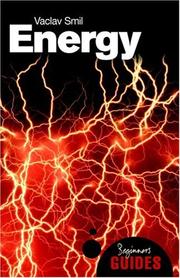
A short primer on energy: its forms, units and role in nature and economies.
Recommended by: Bill Gates, Mark Zuckerberg
Where it sits in the reference 1
Topics