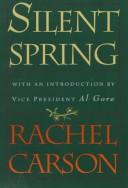
Silent Spring
Carson's 1962 account of pesticide contamination is the founding text of environmental science writing. It matters here not only as history but as methodology: a demonstration that making an invisible industrial threat visible and specific can, in fact, change policy. Every climate communicator is still working in her shadow.
Who recommended it 1
Similar books 6
Chosen by shared topics, the entries that hold them, and the people who recommended both.
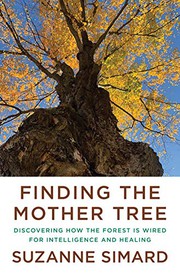
A novel, not nonfiction, but Powers does something none of the other books here accomplish: he makes the timescale of trees felt as an emotional experience. The result is that you finish it reading the other books differently — with a less human-centric sense of what time and loss mean.
Recommended by: Barack Obama
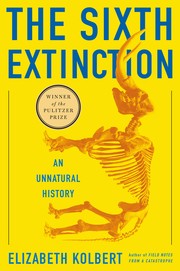
Kolbert spent years reporting alongside biologists watching species disappear in real time. The book's argument is that we are in the middle of a sixth mass extinction — and it makes that claim through fieldwork, not abstraction. The best entry point into climate science for readers who trust narrative over data.
Recommended by: Bill Gates
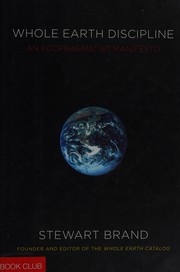
Environmentalist case for nuclear power, dense cities and genetic engineering
“on why even environmentalists should be pro building, pro cities, pro nuclear, and pro genetic engineering” — Marc Andreessen
Source: @pmarca, companion thread to 'It's Time to Build'
Recommended by: Marc Andreessen, Jack Dorsey and 2 others

Ice cores, old shorelines and fossil pollen show how fast the climate now changes.
Data-driven look at emissions and what actually reduces them
Recommended by: Bill Gates

The demand side: what full electrification of homes and vehicles requires.
Where it sits in the reference 1
Topics