Energy Transition and Decarbonisation
The largest capital-spending theme of the decade, and the physical constraints that decide how fast it can actually go.
Start here
- How the World Really WorksVaclav Smil, 2022
- The New MapDaniel Yergin, 2020
- Material WorldEd Conway, 2023
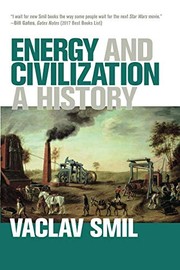
History told through energy, from muscle and fire to coal, oil and electricity.
Recommended by: Balaji S. Srinivasan, Bill Gates and 1 other
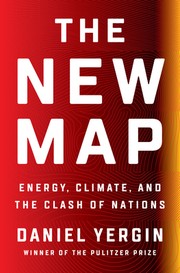
Energy and geopolitics in 2020: US shale, Russia, China and the Middle East.
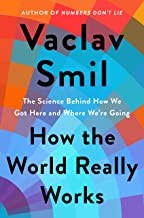
The physical basics of modern life: energy, food, materials and globalisation.
Recommended by: Bill Gates
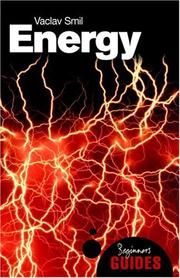
A short primer on energy: its forms, units and role in nature and economies.
Recommended by: Bill Gates, Mark Zuckerberg
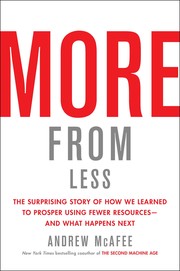
Evidence that rich economies now grow while using fewer physical resources.
“on how modern technological economies can build more outputs with less inputs” — Marc Andreessen
Source: @pmarca, companion thread to 'It's Time to Build'
Recommended by: Marc Andreessen
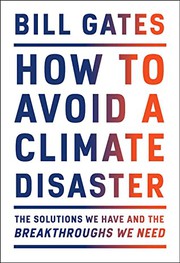
What it would take to cut greenhouse gas emissions to zero, sector by sector.
Recommended by: Bill Gates
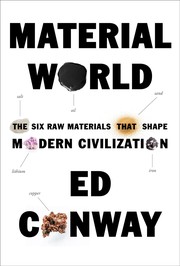
Six materials the world runs on, sand, salt, iron, copper, oil and lithium, traced.
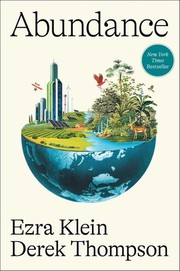
Why America lost the ability to build housing, energy and infrastructure.
Recommended by: Andrew Wilkinson, Bill Gates
Environmentalist case for nuclear power, dense cities and genetic engineering
“on why even environmentalists should be pro building, pro cities, pro nuclear, and pro genetic engineering” — Marc Andreessen
Source: @pmarca, companion thread to 'It's Time to Build'
Recommended by: Marc Andreessen, Jack Dorsey and 2 others
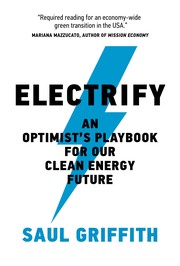
The demand side: what full electrification of homes and vehicles requires.
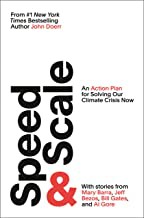
A plan with measurable goals for reaching net-zero emissions.
Data-driven look at emissions and what actually reduces them
Recommended by: Bill Gates
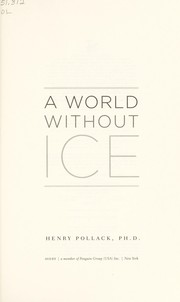
Ice cores, old shorelines and fossil pollen show how fast the climate now changes.
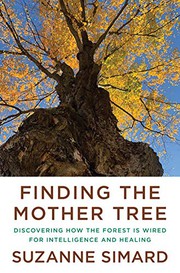
A novel, not nonfiction, but Powers does something none of the other books here accomplish: he makes the timescale of trees felt as an emotional experience. The result is that you finish it reading the other books differently — with a less human-centric sense of what time and loss mean.
Recommended by: Barack Obama
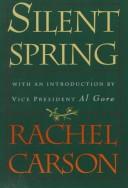
Carson's 1962 account of pesticide contamination is the founding text of environmental science writing. It matters here not only as history but as methodology: a demonstration that making an invisible industrial threat visible and specific can, in fact, change policy. Every climate communicator is still working in her shadow.
Recommended by: Stewart Brand
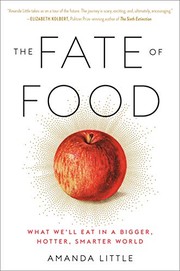
The people trying to grow food in a hotter climate, from vertical farms to lab meat.
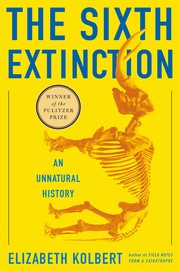
Kolbert spent years reporting alongside biologists watching species disappear in real time. The book's argument is that we are in the middle of a sixth mass extinction — and it makes that claim through fieldwork, not abstraction. The best entry point into climate science for readers who trust narrative over data.
Recommended by: Bill Gates
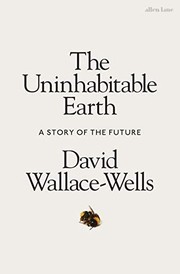
Wallace-Wells's inventory of worst-case climate projections is included here not as a climate book but as a case study in what happens when institutions consistently discount long-term risk. The scenarios he describes are already visible in the data; they were predictable decades ago. This is what the failure of long-term thinking looks like from inside it.
Recommended by: George Hatzis, Vinod Khosla
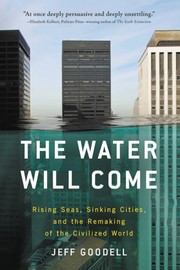
Rising seas as a present property and insurance crisis, from Miami to Lagos.
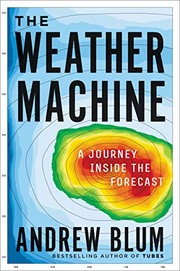
How weather forecasts are made, and how fragile the global monitoring behind them is.
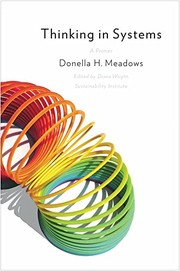
Meadows wrote this before systems thinking became a popular phrase, and it remains the clearest account of why short-term interventions in complex systems so often backfire. The chapter on leverage points is the conceptual core of what long-term thinking actually requires from decision-makers.
Recommended by: Patrick O'Shaughnessy, Daniel Burka and 3 others
The argument that climate change is a problem of capitalism, not one within it.
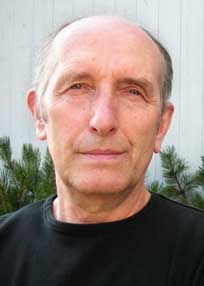 Vaclav Smilwrote 3 books here
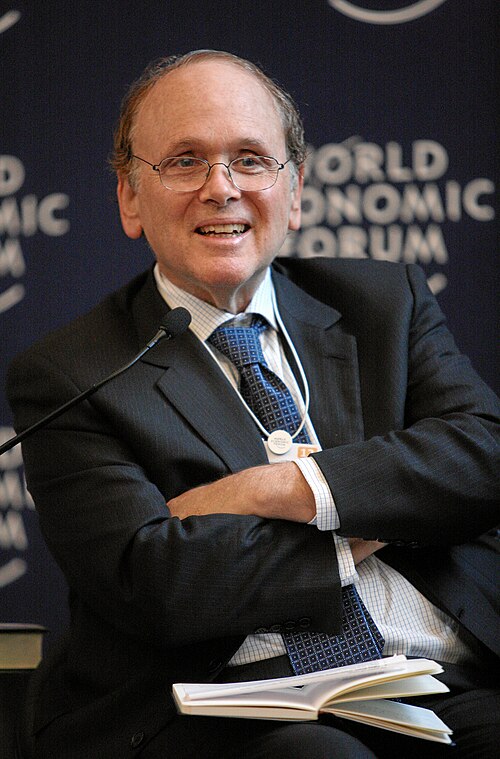 Daniel Yerginwrote 1 book here
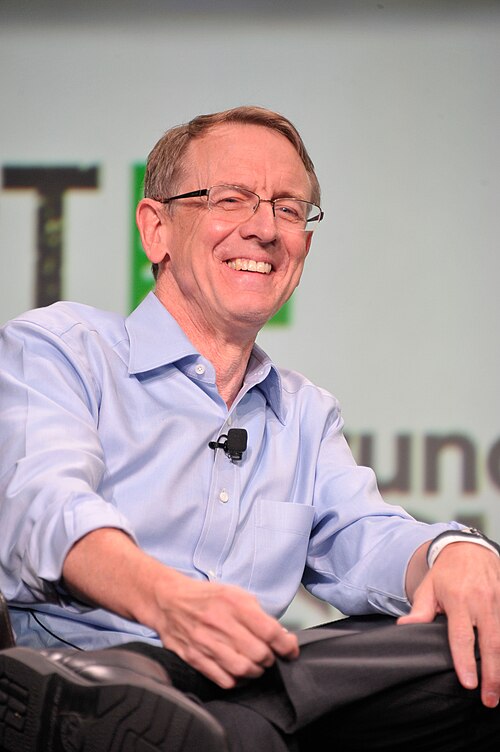 John Doerrwrote 1 book here
 Bill Gateswrote 1 book here
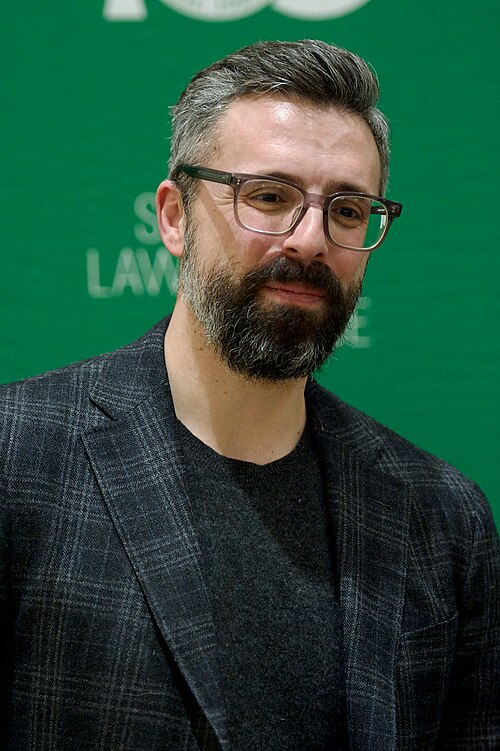 Ezra Kleinwrote 1 book here
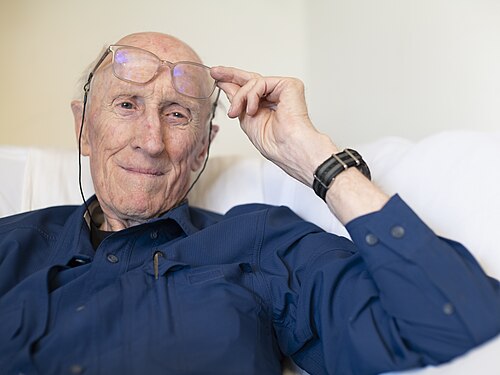 Stewart Brandwrote 1 book hereBill Gatesrecommends 7 books here
 Marc Andreessenrecommends 3 books hereStewart Brandrecommends 3 books here
 Balaji S. Srinivasanrecommends 1 book here
 Barack Obamarecommends 1 book here
 Daniel Burkarecommends 1 book here
 Jack Dorseyrecommends 1 book here
 John Maedarecommends 1 book here
 Mark Zuckerbergrecommends 1 book here