
Games and Puzzles
Bridge, chess, poker, blackjack, betting and game design, both instructional play and the culture around the table. Read by players trying to get better and by readers who find serious thinking in games.
Start here
- Beat the DealerEdward O. Thorp, 1962
- Fortune's Formula: The Untold Story of the Scientific Betting System That Beat the Casinos and Wall StreetWilliam Poundstone, 2005
- Roll the BonesDavid G. Schwartz, 2006
- Are You Smart Enough to Work at Google?William Poundstone, 2012
- Rock Breaks Scissors: A Practical Guide to Outguessing and Outwitting Almost EverybodyWilliam Poundstone, 2014
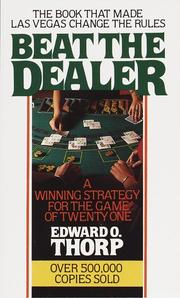
The first proven way to beat blackjack, by counting the cards left in the deck.
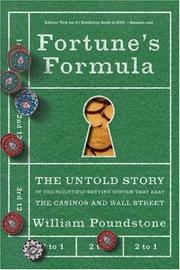
The Kelly criterion for sizing bets, from Bell Labs to casinos and hedge funds.
Recommended by: Mohnish Pabrai
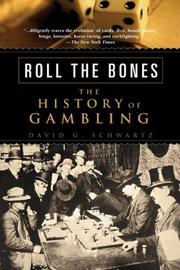
The standard general history of gambling.

Tech firms' puzzle interview questions, and whether they pick good hires.
Recommended by: Sophie Bakalar
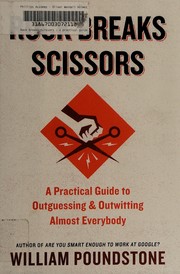
People can't act randomly, and how to exploit that in games, tests and markets.
Recommended by: Mohnish Pabrai

How games such as Uncharted 4, Halo Wars and Destiny were made, and the strain.

How poker players, hedge fund managers and venture capitalists think about risk.
How Las Vegas grew from the Rat Pack era into a family holiday city.
Video games from their pre-electronic origins to the industry of 2001.
The MIT blackjack team; dramatised and disputed in places.
Recommended by: Mohnish Pabrai, Howard Marks

“To quote Aaron Brown—a legendary Morgan Stanley derivatives trader and poker expert—from his extraordinary book” — Marc Andreessen
Source: The Pmarca Guide to Career Planning, Part 1: Opportunity
Recommended by: Marc Andreessen

Video games from Atari and cartridge consoles to Nintendo and the global industry.
The console market Sony entered with PlayStation and eventually took.

How renowned video game studios fell apart, and what happened to their staff.

Recommended by: Mohnish Pabrai

Recommended by: Mohnish Pabrai
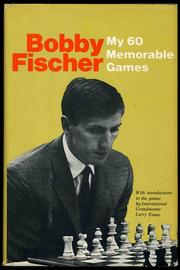
The player's own analysis of 60 of his most important and representative games.
Recommended by: Adam Robinson


Recommended by: Mohnish Pabrai

Recommended by: Mohnish Pabrai
Recommended by: Mohnish Pabrai

Recommended by: Mohnish Pabrai

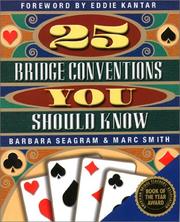
More than 50 practical bridge bidding conventions explained, with a glossary.
Recommended by: Mohnish Pabrai


Recommended by: Mohnish Pabrai

Three bridge bidding tools: forcing notrump, new minor forcing, fourth suit forcing.
Recommended by: Mohnish Pabrai


Recommended by: Sam Altman

Recommended by: Mohnish Pabrai
Recommended by: Mohnish Pabrai


Recommended by: Mohnish Pabrai

Recommended by: Mohnish Pabrai

Recommended by: Mohnish Pabrai
Recommended by: Mohnish Pabrai

Recommended by: Mohnish Pabrai

Recommended by: Mohnish Pabrai

Recommended by: Mohnish Pabrai

Recommended by: Mohnish Pabrai

Recommended by: Mohnish Pabrai


A poker player covers the murder of Ted Binion and plays the World Series of Poker.
Recommended by: Mohnish Pabrai
Recommended by: Bret Victor
Recommended by: Mohnish Pabrai

The rise and fall of Stuey "The Kid" Ungar, called the greatest poker player.
Recommended by: Jason Calacanis

Recommended by: Chamath Palihapitiya
Recommended by: Mohnish Pabrai
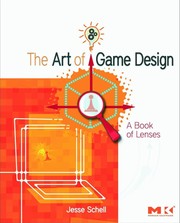
Game design principles drawn from psychology, with 100+ sets of questions to ask.
Recommended by: Nir Eyal, Ryan Hoover

A quick reference to the Losing Trick Count for judging a trump hand's trick-taking.
Recommended by: Mohnish Pabrai
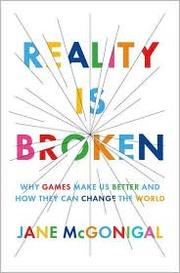
How the problem-solving and teamwork of games could solve real-world problems.
Recommended by: Mohnish Pabrai

Games operator on retention, whales and the shape of monetisation curves.

Recommended by: Mohnish Pabrai


Recommended by: Tim Ferriss

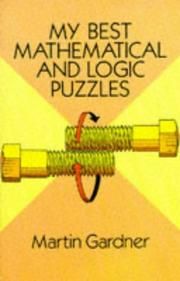
Short math and logic puzzles, from the mutilated chessboard to the fork in the road.
Recommended by: Patrick Collison


 Ben Mezrichwrote 1 book here
 Jane McGonigalwrote 1 book here
 Mohnish Pabrairecommends 38 books here
 Patrick Collisonrecommends 4 books here
 Tim Ferrissrecommends 2 books here
 Howard Marksrecommends 1 book here
 Marc Andreessenrecommends 1 book here
 Bertalan Meskórecommends 1 book here
 Bill Gatesrecommends 1 book here
 Bret Victorrecommends 1 book here
 Chamath Palihapitiyarecommends 1 book here
 Demis Hassabisrecommends 1 book here


