European economies and the euro
Books on the euro and its crises, the Greek, Irish, Icelandic and Spanish busts, the Nordic model, and the economies of Germany, France, Italy, Portugal, Canada and New Zealand.
Start here
- The Rotten Heart of EuropeBernard Connolly, 1995
- The Swedish ExperimentAssar Lindbeck, 1997
- Good Italy, Bad ItalyBill Emmott, 2012
- The Euro TrapHans-Werner Sinn, 2014
- An Economic History of Portugal, 1143-2010Leonor Freire Costa, Pedro Lains, Susana Münch Miranda, 2016
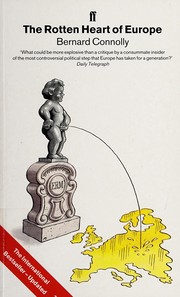
An insider's attack on Europe's exchange rate mechanism and monetary union.

What went wrong with Sweden's welfare-state model, leading to the 1990s crisis.
Why Italy's economy underperformed, and the firms and places showing it can change.
Southern Europe lost competitiveness under the euro; a German critic's remedies.
Portugal's economy over nine centuries, from imperial trade to EU convergence.
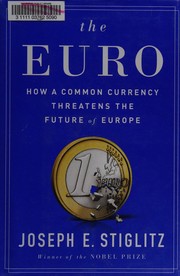
The euro rests on false assumptions; Europe must complete the union or end it.
How the Greek economy actually works: its product markets, courts and firms.

The euro from its intellectual origins to 2018, in nine acts.
New Zealand's economic history from the Maori gift economy to climate policy.

Why Germany's economic model has ended, and why the causes are structural.

The book that made the Swedish model an international reference point.
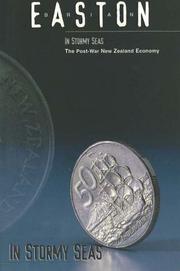
The post-war economy through the liberalisation, by its best chronicler.

Welfare, insider protection and why French reform keeps stalling.

A structural account of the social market model and its rigidities.
Economists' report on how small open economies combine flexibility with heavy taxation.

Structural reading of why the growth model was fragile from the start.
NBER volume on the post-crisis reforms that restored Swedish growth.

The cajas, the construction boom and the political economy of the bailout.
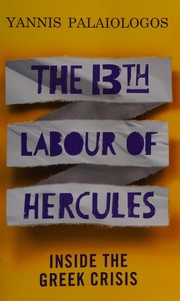
Reporting on how Greek institutions failed, sector by sector.

Argues the currency was not the problem, the crisis management was; the best contrarian case.
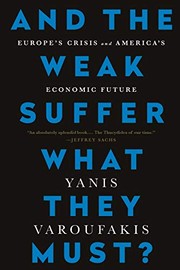
The euro's design flaws traced back through the postwar monetary system.
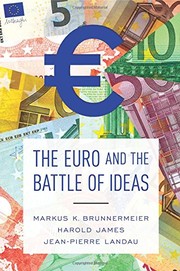
The euro crisis as a clash between German and French economic traditions.

The long-run reconstruction of Spanish output and productivity.
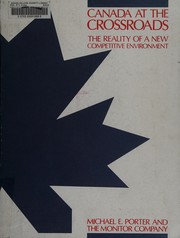
Study of Canadian competitiveness with the Monitor Company

New Zealand's 1984-95 reforms: deregulation, privatisation and inflation targeting.

How Iceland, Greece, Ireland, Germany and California each spent cheap credit.
Recommended by: Mohnish Pabrai, Alfred Lin and 1 other
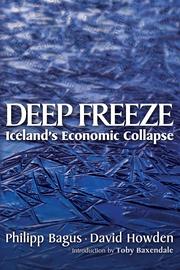
Austrian-school reading of the credit boom and currency mismatch.

Written by a hedge fund manager; strongest on the bond market's role in the build-up.
Firm-level study of how Nordic companies reorganised for global production.

The sceptical case: prosperity preceded the welfare state, not the reverse.
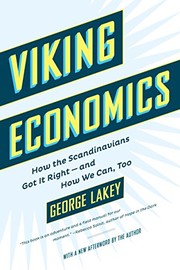
Popular and partisan, but the clearest short account of the Nordic bargain.



 Mohnish Pabrairecommends 1 book here
 Alfred Linrecommends 1 book here