
Tragedy of the Commons
A shared resource with private incentives to consume it gets depleted, because each user captures the whole benefit and bears a fraction of the cost. Ostrom's work showed the outcome is not inevitable where communities can monitor and sanction each other. In markets it explains overfished trades, degraded industry economics and every race to the bottom on underwriting standards.
Start here
- CollapseJared Diamond, 2005
- Governing the CommonsElinor Ostrom, 1990
- The Logic of Collective ActionMancur Olson, 1965

How communities manage shared resources without either the state or the market.
Recommended by: Patrick Collison, Stewart Brand

Meadows wrote this before systems thinking became a popular phrase, and it remains the clearest account of why short-term interventions in complex systems so often backfire. The chapter on leverage points is the conceptual core of what long-term thinking actually requires from decision-makers.
Recommended by: Patrick O'Shaughnessy, Daniel Burka and 3 others
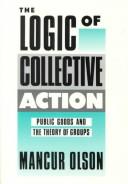
Recommended by: Nat Eliason
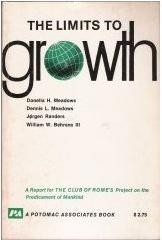
A computer model of world growth that overshoots its limits and then declines.
Recommended by: Bill Gates
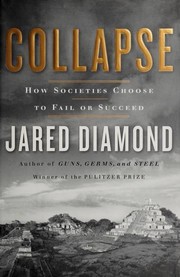
Why past societies from Easter Island to the Maya collapsed, and what that teaches.
Recommended by: Mohnish Pabrai, Bill Gates, Stewart Brand

Population and consumption face physical limits that economics ignores.
Recommended by: Charlie Munger, Mohnish Pabrai and 1 other
 Stewart Brandrecommends 3 books here
 Mohnish Pabrairecommends 2 books here
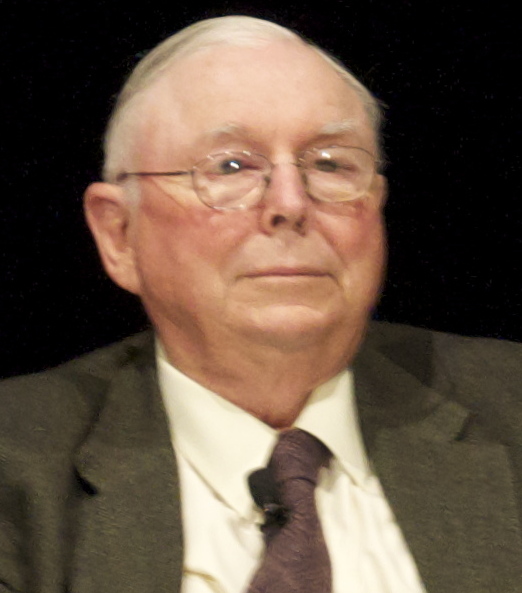 Charlie Mungerrecommends 1 book here
 Marc Andreessenrecommends 1 book here
 Bill Gatesrecommends 1 book here
 Daniel Burkarecommends 1 book here
 John Maedarecommends 1 book here
 Patrick Collisonrecommends 1 book here
- Garrett Hardin's Three Filters Against Bad ThinkingShane Parrish · essay · Literacy, numeracy and ecolacy: and then what?
- Coordination ProblemsShane Parrish · essay · Why rational individuals reach collectively bad outcomes.
- Externalities: Why We Can Never Do One ThingShane Parrish · essay · Every action has effects you did not price.
- Bad Morals Drive Out the GoodShane Parrish · essay · Gresham dynamics: how bad actors crowd out good ones.